Are you ready to grow your own sweet potatoes in Florida but unsure when to plant them for the best results? Timing is everything when it comes to sweet potatoes, especially in Florida’s unique climate.
Plant too early, and your slips might struggle with cool soil; plant too late, and you risk a shorter growing season with smaller harvests. In this guide, you’ll discover the ideal time to plant sweet potatoes in Florida to maximize growth, flavor, and yield.
Keep reading to learn how to get your garden started on the right foot and enjoy delicious, homegrown sweet potatoes all season long!
Climate And Soil Needs
Sweet potatoes thrive in warm, sunny climates with well-prepared soil. Florida’s weather suits these needs well. Understanding the climate and soil requirements helps gardeners choose the best planting time. This section covers warmth needs, frost-free periods, and soil preparation tips for sweet potatoes in Florida.
Warmth Requirements
Sweet potatoes need warm soil and air to grow strong. They prefer temperatures between 75°F and 85°F. Planting too early can expose them to cold, which slows growth. Florida’s warm climate allows planting from late spring to early summer. Keep soil warm to encourage root and vine development.
Frost-free Period
Sweet potatoes are sensitive to frost. Even light frost can damage young plants. Florida’s frost-free period lasts long, making it ideal for sweet potato planting. Start planting after the last frost date. This ensures plants grow safely without cold damage. Protect young plants if unexpected cold occurs.
Soil Preparation Tips
Well-drained soil is crucial for sweet potatoes. Sandy loam soils work best in Florida gardens. Prepare soil by removing weeds and adding organic matter like compost. This improves soil fertility and drainage. Keep soil loose to help roots expand easily. Avoid heavy clay soils that hold too much water.

Credit: www.reddit.com
Ideal Planting Months
Knowing the ideal planting months for sweet potatoes in Florida helps ensure a healthy, productive crop. Sweet potatoes thrive in warm weather and need a long growing season. Planting at the right time reduces risks from cold and promotes strong root development. Here is a guide to the best months to plant sweet potatoes in Florida.
Best Timeframe In Florida
The best months to plant sweet potatoes in Florida are March through June. During this period, soil temperatures warm up enough to support healthy slip growth. Planting in early spring gives sweet potatoes enough time to mature before the cooler fall weather arrives. This window provides the ideal balance of warmth and sunlight.
Regional Variations
Florida has different climate zones, which affect planting times. In South Florida, planting can start as early as February because of warmer winters. Central Florida gardeners should aim for March to May planting. North Florida’s cooler climate means waiting until late April or May is best. Adjust planting times to match your local weather patterns.
Avoiding Cold Weather Planting
Sweet potatoes are sensitive to cold temperatures. Do not plant slips if frost is possible. Cold soil and air can stunt growth or kill young plants. Watch local frost dates and wait until all danger has passed. Planting too early can lead to poor yields and disease problems. Warm soil is key for strong root development.
Starting Sweet Potato Slips
Starting sweet potato slips is an essential step for a successful harvest in Florida. Slips are young shoots grown from mature sweet potatoes. Growing your own slips ensures strong, healthy plants that adapt well to Florida’s warm climate. This method gives you control over the planting process and timing.
What Are Slips?
Slips are small sprouts that grow from a sweet potato tuber. They look like green shoots with leaves. Gardeners use slips to plant sweet potatoes instead of planting whole tubers. Slips grow roots once planted in the soil. This helps the sweet potatoes grow faster and stronger.
How To Grow Slips Indoors
Start by selecting a healthy sweet potato. Place it in water with half submerged using toothpicks. Keep it in a warm, sunny spot indoors. Change water every few days to keep it fresh. After two to four weeks, you will see green shoots. When shoots reach 6 inches, gently remove them from the potato. Place slips in water until roots form. After roots appear, the slips are ready to plant outside.
Selecting Healthy Slips
Choose slips that are firm and green. Avoid slips that look weak or yellow. Healthy slips grow quickly and resist diseases. Look for slips with strong roots before planting. Planting healthy slips increases your chance for a good harvest. Inspect slips carefully to avoid pests or damage.

Credit: mylittlegreengarden.com
Planting Techniques
Planting sweet potatoes in Florida requires simple but careful techniques. These techniques ensure healthy growth and a good harvest. Proper planting helps the slips establish quickly in Florida’s warm climate. Follow these steps to get the best results.
Transplanting Slips Outdoors
Start with healthy slips about 6 to 8 inches long. Harden them by gradually exposing to outdoor conditions for a week. Choose a frost-free day for transplanting. Plant slips after the soil warms above 65°F. Insert slips deep enough to cover at least half their length. Firm the soil around each slip to remove air pockets.
Spacing And Depth
Space slips 12 to 18 inches apart in rows. Leave 3 feet between rows for easy growth and harvesting. Plant slips 3 to 4 inches deep into loose, well-draining soil. Proper spacing prevents overcrowding and allows roots to grow large. Avoid planting too deep or too shallow for best root development.
Watering And Sunlight Needs
Water slips immediately after planting to settle the soil. Keep soil moist but not soggy for the first three weeks. Sweet potatoes need full sun, at least 6 hours daily. Provide consistent watering during dry periods. Too little water slows growth; too much causes rot. Sunlight helps slips grow strong and healthy.
Care During Growing Season
Sweet potatoes thrive with proper care throughout the growing season. Florida’s warm climate supports strong growth if you maintain ideal conditions. Regular attention to watering, pests, and soil health helps maximize your harvest. Each part of care plays a vital role in healthy sweet potato plants. Follow simple steps for best results.
Irrigation Tips
Sweet potatoes need steady moisture but not waterlogging. Water deeply once or twice a week during dry spells. Keep soil moist, especially when roots start forming. Avoid overhead watering to reduce leaf diseases. Drip irrigation or soaker hoses work best. Check soil regularly and adjust watering as plants grow.
Pest And Disease Management
Watch for common pests like sweet potato weevils and wireworms. Inspect plants weekly for signs of damage or unusual spots. Use natural predators or insecticidal soap to control pests safely. Remove any infected leaves or plants immediately to stop disease spread. Rotate crops yearly to reduce soil-borne diseases. Healthy plants resist pests better.
Mulching Benefits
Mulch helps keep soil moist and cool around sweet potatoes. Apply a 2-3 inch layer of straw, leaves, or grass clippings after planting. Mulching prevents weed growth that competes for nutrients. It also protects roots from temperature swings. Organic mulch breaks down and adds nutrients to the soil. Mulching reduces the need for frequent watering.
Harvest Timing
Knowing the right time to harvest sweet potatoes in Florida is key to a good yield. Sweet potatoes need warm soil and plenty of time to grow. Harvesting too early can mean small, underdeveloped roots. Harvesting too late risks damage from cold weather or pests.
Florida’s warm climate allows for a long growing season. Usually, sweet potatoes mature 90 to 120 days after planting. Watch the plants closely as harvest time nears. Proper timing ensures tasty, well-formed sweet potatoes ready for storage.
Signs Of Maturity
Sweet potatoes are ready when the leaves start turning yellow. Vines may begin to die back naturally. Check the size by gently digging near a plant. The roots should be about 3 to 4 inches thick. The skin should be smooth and firm, not soft or greenish.
Another sign is the number of days since planting. In Florida, this usually means late October to early December planting will be ready by February to April. Avoid frost damage by harvesting before cold snaps.
Harvesting Methods
Use a garden fork or shovel to loosen soil around the plants. Be careful not to damage the sweet potatoes while digging. Lift the roots gently from the ground. Do not pull the vines hard; this can break the roots.
Work slowly to avoid bruising or cutting the tubers. Remove dirt by hand, not by washing. Washing can cause rot during storage. Place the sweet potatoes in a basket or crate for transport.
Post-harvest Handling
After harvest, cure the sweet potatoes to improve taste and shelf life. Keep them in a warm, humid place (about 85°F and 85% humidity) for 4 to 7 days. This process heals small cuts and thickens the skin.
Store cured sweet potatoes in a cool, dry spot around 55°F. Avoid storing in the refrigerator; cold can harm their texture and flavor. Proper handling keeps sweet potatoes fresh for several months.
Common Mistakes To Avoid
Growing sweet potatoes in Florida can be very rewarding. Avoiding common mistakes helps ensure a healthy crop. Understanding what not to do saves time and effort. Here are some common errors to watch out for.
Planting Too Early Or Late
Planting sweet potatoes too early risks frost damage. Florida’s temperature can still drop in early spring. Late planting shortens the growing season. This results in smaller, less sweet tubers. Aim to plant after the last frost date. This timing helps plants grow strong and healthy.
Using Whole Potatoes Instead Of Slips
Using whole sweet potatoes to plant causes problems. They often rot in the soil before sprouting. Sweet potatoes grow best from slips, not tubers. Slips are young shoots from mature sweet potatoes. They establish faster and produce a better harvest. Always start with healthy slips for best results.
Ignoring Soil Temperature
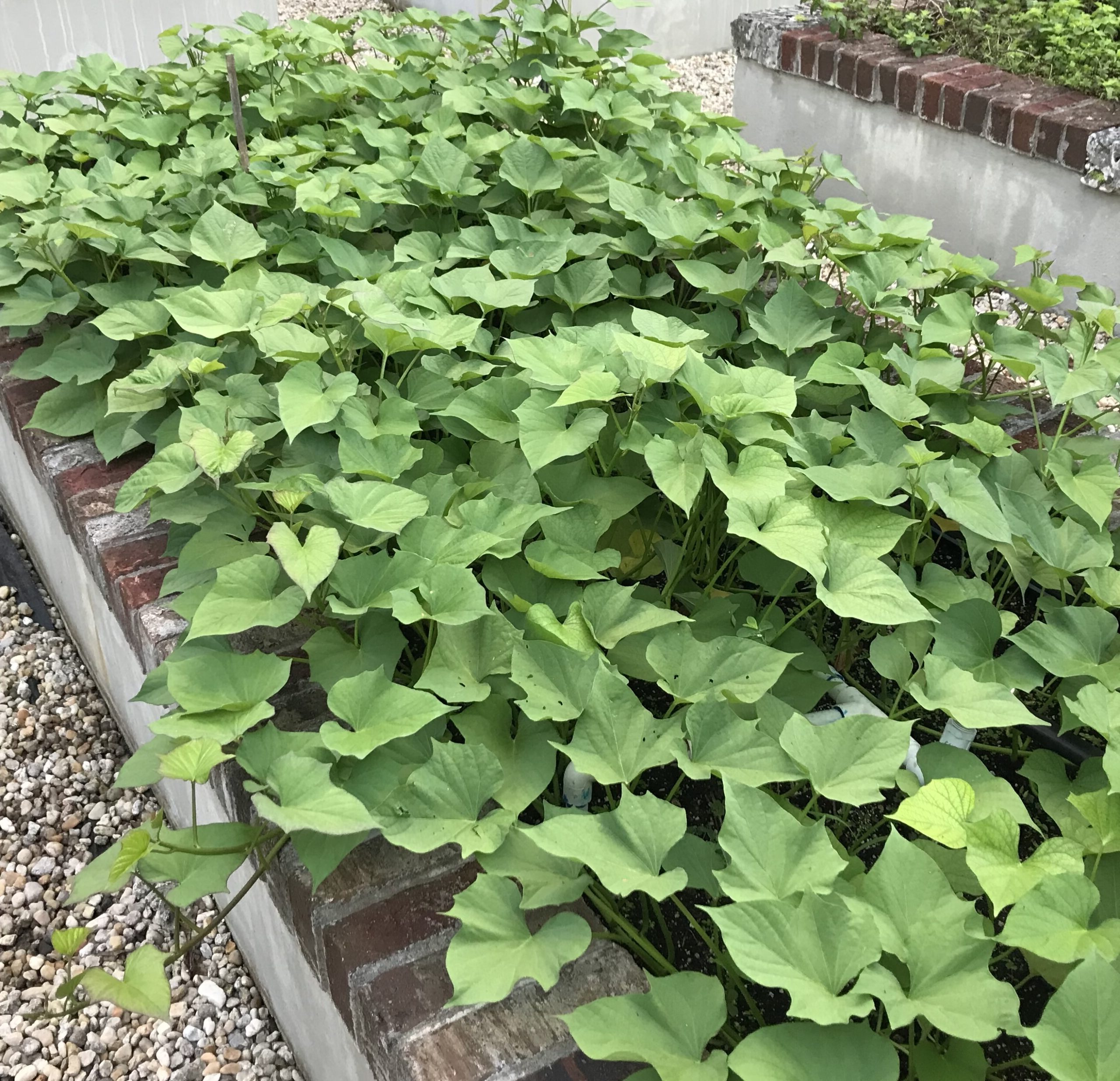
Soil temperature is key for sweet potato growth. Cold soil slows down slip growth and root development. Sweet potatoes prefer soil above 65°F (18°C). Planting in cooler soil delays growth and reduces yield. Check soil temperature before planting. Warm soil helps slips take root quickly.
Credit: www.soflagardening.com
Frequently Asked Questions
What Month Do You Plant Sweet Potatoes In Florida?
Plant sweet potato slips in Florida from March to June for optimal growth. Ensure soil temperature stays above 65°F and frost risk is gone.
Can I Plant Potatoes In September In Florida?
Yes, you can plant potatoes in Florida in September. Warm climate and long growing season support successful growth. Plant seed potatoes or slips in well-drained soil. Provide consistent moisture and full sun. Avoid frost and extreme heat for best results.
Can I Plant Sweet Potatoes In September?
You can plant sweet potatoes in September only if your climate stays warm and frost-free. Use slips, not whole potatoes. Provide full sun, consistent water, and well-drained soil to ensure healthy growth and a good harvest. Avoid planting in cooler or frost-prone areas during this time.
Can I Just Stick A Sweet Potato In The Ground?
You can plant a sweet potato in the ground, but planting slips ensures better growth and reduces rot risk.
Conclusion
Plant sweet potatoes in Florida during warm months for best growth. Start slips after the last frost date to avoid cold damage. Choose sunny spots with well-drained soil for healthy roots. Water regularly but do not overwater to prevent rot.
Harvest sweet potatoes before the first fall frost for best flavor. Follow these simple steps to enjoy a bountiful sweet potato harvest. Timing and care are key to a successful Florida garden. Happy planting!