If you want to grow cucumber plants that thrive and produce abundantly in Florida’s unique climate, you need more than just seeds and soil. Florida’s heat, humidity, and pests can make growing cucumbers a real challenge—but with the right varieties and smart growing tips, your garden can be bursting with fresh, crisp cucumbers all season long.
In this guide, you’ll discover which cucumber plants perform best in Florida, how to care for them, and simple tricks to boost your harvest. Ready to turn your garden into a cucumber powerhouse? Keep reading to learn the secrets that will help your plants flourish under the Florida sun.
Credit: www.aces.edu
Ideal Cucumber Varieties
Choosing the right cucumber variety is key to a successful harvest in Florida. The state’s warm climate and humidity require plants that can handle heat and resist common diseases. Selecting the best cucumbers helps ensure steady fruit production and quality.
Different cucumber types suit various uses, from fresh slicing to pickling. Some varieties thrive better in Florida’s unique environment. Understanding these options guides growers to pick plants with strong growth and good yields.
Disease-resistant Slicers
Disease-resistant slicers are vital for Florida gardeners. They fight off common cucumber diseases like powdery mildew and downy mildew. These varieties also produce crisp, tasty cucumbers perfect for fresh eating.
Ashley is a classic slicer with strong disease resistance. It yields smooth, dark green cucumbers ideal for salads. Sweet Success is a seedless, burpless hybrid. It has thin skin and a sweet flavor many enjoy. Poinsett comes recommended by UF/IFAS for its reliable production and disease defense.
Asian Heat-tolerant Types
Asian cucumber varieties often handle Florida heat well. They also resist pests and diseases better than some others. These cucumbers usually have thinner skin and unique textures.
Suyo Long is popular for its spiky skin and strong pest resistance. It grows well in Florida’s hot summers. China Jade and Soyo also perform well under Florida’s climate. Zambian cucumbers offer unusual, watermelon-like fruits with thick skins that protect from pests.
Pickling Varieties For Florida
Pickling cucumbers need to grow fast and stay firm. Heat tolerance is a must in Florida’s warm environment. These varieties produce excellent cucumbers for fresh pickles or processing.
Boston Pickling is a classic variety that works fresh or pickled. It adapts well to Florida heat. Eureka is another UF/IFAS recommended pickler. It grows quickly and resists common diseases, making it a reliable choice for Florida gardens.
Credit: www.aces.edu
Optimal Planting Schedule
Timing is key for growing cucumbers in Florida. The right schedule helps plants thrive and produce more fruit. Understanding the optimal planting period boosts your chances of a healthy, bountiful harvest. Proper soil preparation complements timing for best results.
Best Months To Plant
Plant cucumbers in Florida from April to September. These months offer warm soil and air temperatures. Warmth encourages seed germination and steady growth. Avoid planting in cold or rainy seasons. Early spring and late summer plantings work well. This schedule helps cucumbers avoid extreme heat and pests.
Soil Preparation Tips
Prepare soil before planting for strong cucumber plants. Use well-drained soil rich in organic matter. Mix compost or aged manure into the soil to boost fertility. Test soil pH and aim for a range of 6.0 to 7.0. Loosen soil to improve root growth and water absorption. Avoid heavy clay soils that hold too much water. Proper soil prep sets the stage for healthy, productive cucumbers.
Watering And Sunlight Needs
Cucumber plants need the right balance of water and sunlight to grow well in Florida. These plants thrive with steady moisture and plenty of bright light. Proper watering keeps the soil damp but not soggy. Good sunlight helps cucumbers produce healthy fruit and strong vines. Understanding these needs helps gardeners get the best harvest.
Consistent Moisture Strategies
Cucumbers need regular watering to stay healthy. The soil should stay moist at all times. Water deeply once or twice a week. Avoid letting the soil dry out between watering sessions. Mulching around the plants helps keep moisture in the soil. Use drip irrigation or soaker hoses to deliver water directly to roots. This method reduces water waste and prevents leaf diseases.
Maximizing Sun Exposure
Cucumbers need full sun for at least six hours daily. Choose a planting spot that gets plenty of direct sunlight. Avoid shady areas near trees or buildings. Bright sunlight encourages fast growth and more fruit. Position rows north to south to maximize sun exposure throughout the day. Reflective surfaces nearby can increase light for plants. Proper sun helps cucumbers develop their best flavor and texture.

Credit: www.revivalgardening.com
Pest And Disease Management
Managing pests and diseases is crucial for healthy cucumber plants in Florida. The warm and humid climate supports many pests and diseases that can damage crops quickly. Effective management helps protect plants and improves cucumber yield. Understanding common pests and using preventive methods reduces the need for chemical treatments. This approach keeps plants strong and fruit production steady.
Common Florida Pests
Several pests affect cucumber plants in Florida. Cucumber beetles are a major threat. They feed on leaves, flowers, and fruits, spreading bacterial wilt disease. Aphids suck plant sap, causing leaves to curl and weaken. Spider mites appear during hot, dry spells and cause yellow spots on leaves. Whiteflies also sap nutrients and spread viral diseases. Thrips damage flowers and fruits, reducing overall quality. Regular monitoring helps catch infestations early.
Preventive Measures
Start with disease-resistant cucumber varieties like Suyo Long or Ashley. Rotate crops yearly to avoid soil pests and diseases. Use row covers to protect young plants from beetles and aphids. Keep the garden clean by removing plant debris and weeds. Water plants at the base to reduce leaf wetness and fungal growth. Apply mulch to control weeds and keep soil moist. Encourage beneficial insects like ladybugs and lacewings that eat harmful pests. Early detection and quick action stop pest problems from spreading.
Trellising Benefits
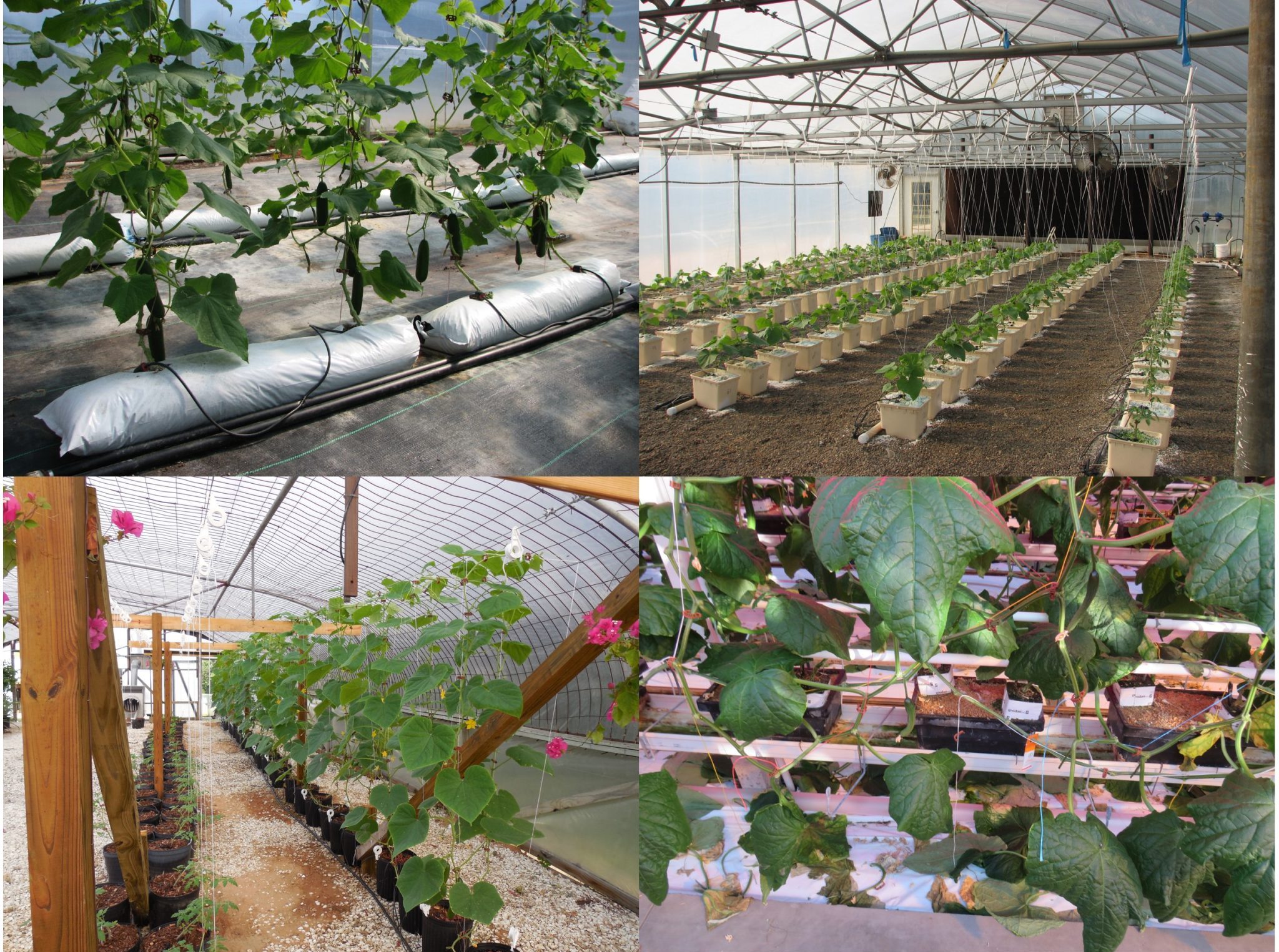
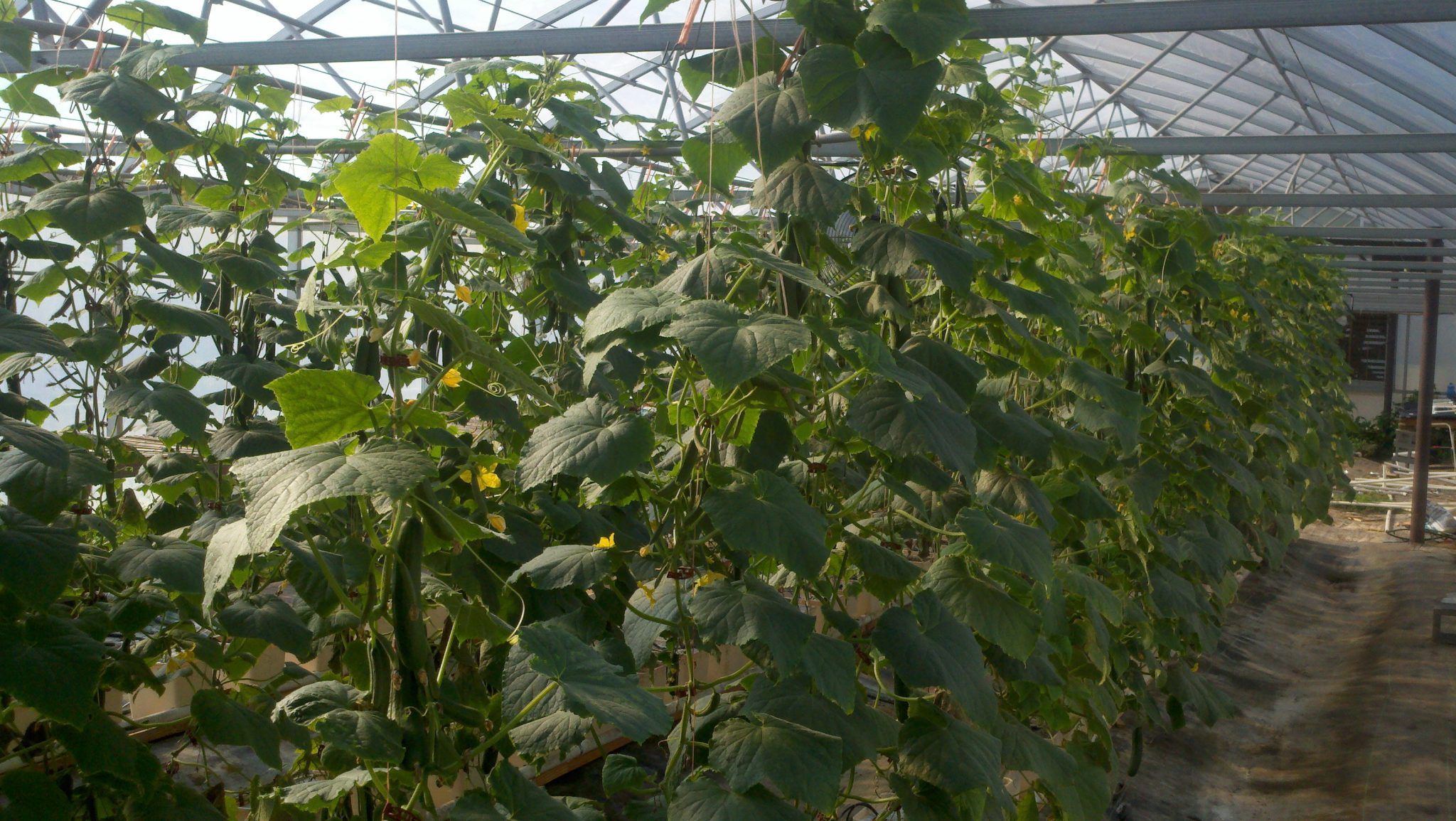
Trellising cucumber plants offers many benefits, especially in Florida’s warm climate. Growing cucumbers vertically helps manage plant growth and improves harvest. It also reduces disease risk by increasing air flow around plants. This method supports healthier vines and better fruit development. Trellising keeps fruits off the ground, preventing rot and pest damage. Gardeners can enjoy easier harvesting and cleaner cucumbers. These advantages lead to higher yields and better-quality cucumbers.
Improving Fruit Quality
Trellising keeps cucumbers away from soil moisture and dirt. This reduces fruit rot and blemishes. The fruits grow straighter and more uniform because they hang freely. Good air circulation around the plants lowers fungal diseases. Healthier plants produce tastier and crunchier cucumbers. Trellised cucumbers also mature faster due to better sunlight exposure. This method helps maintain the bright green color of cucumbers. Overall, fruit quality improves with proper trellising.
Space-saving Techniques
Growing cucumbers on trellises saves garden space. Vertical growth allows more plants in smaller areas. This is ideal for Florida gardens with limited room. Trellising also helps control vine spread, keeping the garden neat. It allows better access to sunlight for each plant. Gardeners can plant crops closer together without crowding. This method makes garden maintenance easier and faster. Space-saving trellising supports a more productive garden.
Dealing With Common Problems
Growing cucumbers in Florida offers a rewarding harvest but comes with certain challenges. Many gardeners face issues that affect fruit production and quality. Understanding these common problems helps improve yield and plant health. Addressing problems early keeps your cucumber plants strong and productive.
Flowering Without Fruit
Sometimes cucumber plants produce many flowers but no fruit. This happens when plants grow too much vine and leaf. Excess nitrogen fertilizer encourages leaf growth over fruit development. Hot Florida temperatures can also cause flowers to drop before fruit forms. Lack of pollinators reduces fruit set since cucumbers need bees to transfer pollen.
Use a balanced fertilizer with lower nitrogen. Encourage pollinators by planting flowers nearby. Water plants deeply but avoid wetting leaves. Provide shade during peak heat to reduce flower drop. Hand-pollinate flowers using a small brush if bees are scarce.
Bitter Or Small Cucumbers
Bitter cucumbers result from stress or poor growing conditions. Heat stress and irregular watering cause bitterness. Small cucumbers often grow when plants are crowded or lack nutrients. Overripe cucumbers also taste bitter and tough.
Keep soil evenly moist and avoid drought stress. Space plants properly to allow good airflow and sunlight. Harvest cucumbers early, before they get too big. Use mulch to keep soil cool and moist. Choose heat-tolerant cucumber varieties suited for Florida.
Harvesting Tips
Harvesting cucumbers at the right time ensures the best flavor and texture. Proper handling and storage keep cucumbers fresh longer. These tips help maximize your yield and enjoy crisp, tasty cucumbers from your Florida garden.
When To Pick Cucumbers
Pick cucumbers while they are firm and green. Avoid letting them turn yellow or grow too large. Check your plants daily, as cucumbers can grow fast in warm Florida weather. Harvesting often encourages more fruit production. Use a gentle twisting motion or clean scissors to cut cucumbers from the vine. Do not pull or damage the plant.
Handling And Storage
Handle cucumbers carefully to avoid bruising or cuts. Rinse them with cool water to remove dirt. Dry cucumbers gently with a clean cloth before storing. Store cucumbers in the refrigerator for up to one week. Keep them in a plastic bag to retain moisture. Avoid storing cucumbers near fruits like bananas or tomatoes, which release gases that cause cucumbers to spoil faster.
Frequently Asked Questions
What Are The Best Cucumbers To Grow In Florida?
The best cucumbers for Florida include heat-tolerant, disease-resistant varieties like Suyo Long, Ashley, Sweet Success, Poinsett, Boston Pickling, and Eureka. These thrive in Florida’s climate and offer good pest resistance and quality fruit production.
What Cucumber Plant Produces The Most Cucumbers?
The cucumber plant that produces the most cucumbers is the “Suyo Long” variety. It thrives in heat, resists pests, and yields abundant fruit.
How Many Cucumber Plants Should You Plant In A 5 Gallon Bucket?
Plant only one cucumber plant per 5-gallon bucket for optimal growth and fruit production. Ensure proper watering and sunlight.
What Cucumbers Are Most Heat Resistant?
Heat-resistant cucumbers include Suyo Long, China Jade, Soyo, and Zambian varieties. These tolerate Florida’s heat and resist pests well.
Conclusion
Growing cucumbers in Florida can be rewarding with the right choices. Select heat-tolerant and disease-resistant varieties for better yields. Plant during warm months and keep soil moist but not waterlogged. Use trellises to support plants and improve fruit quality. Watch for pests and act quickly to protect your crop.
Simple care leads to fresh, tasty cucumbers all season. Enjoy the process and the harvest!