Indoor hydroponic systems offer a smart way to grow plants without soil. This method uses nutrient-rich water. It’s ideal for Florida’s unique weather.
You can grow a variety of produce year-round. This guide helps you pick and use the right system.
What is an Indoor Hydroponic Grow System?
An indoor hydroponic grow system is a way to grow plants inside your home. It does not use soil. Instead, plants grow in water.
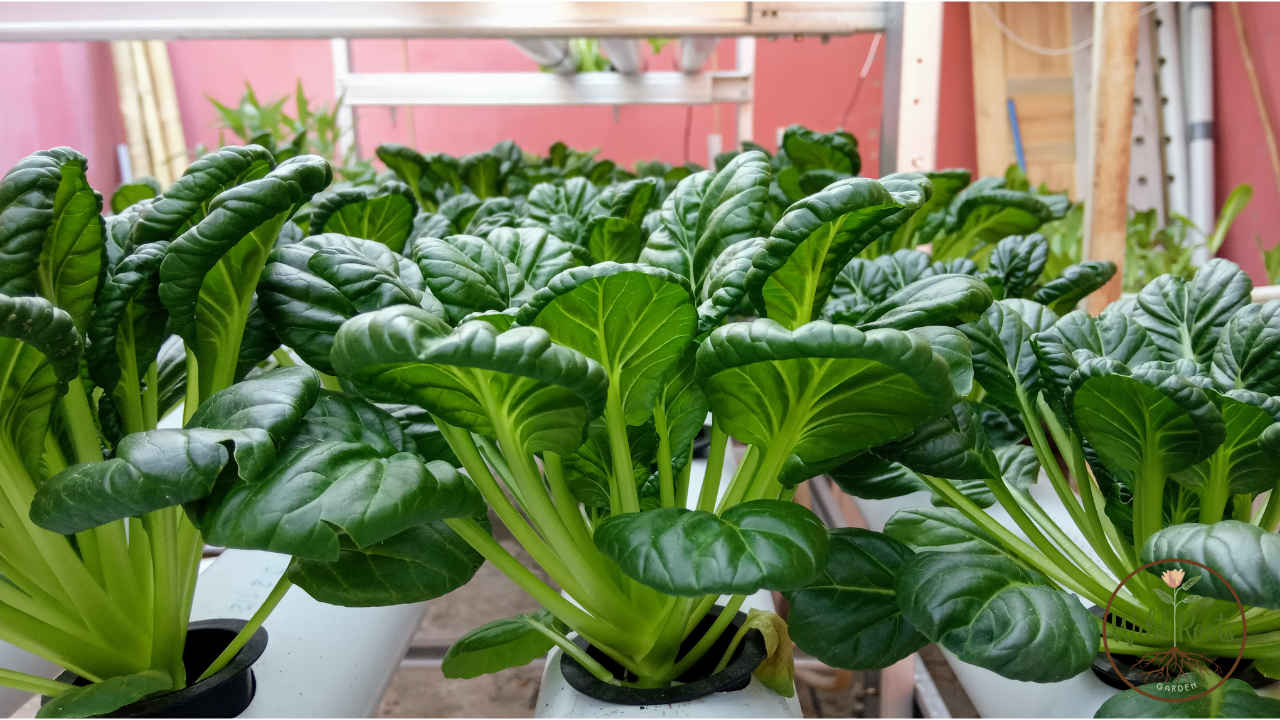
This water holds all the food the plants need. These food elements are called nutrients.
Different systems exist. Some use pumps. Others use gravity.
All aim to give plant roots steady access to water and nutrients. They also need air. Roots need to breathe too.
This system makes sure that happens.
Why is this good? Plants grow faster. They use less water than soil gardens.
You can grow them anywhere. This is great for small spaces. Or places with bad soil.
Or places with tough weather, like Florida.
My First Hydroponic Setup Woes
I remember my first attempt at indoor growing. It was a small setup in my apartment. I was so excited to grow my own herbs.
I set it all up according to the box. Lights, pumps, the whole deal. Then I waited.
After a week, nothing much happened. Some plants looked sad. A few were yellow.
I felt a pang of worry. Was I doing something wrong? I checked the water.
It seemed fine. I checked the lights. They were on.
But my dream of fresh basil felt far away. It was a bit disheartening. I almost gave up then and there.
Then I realized I missed a key step. The water pH was off. The plants couldn’t use the nutrients.
It was a simple fix. But it taught me a lot. It showed me that even easy systems need a little attention.
And that sometimes, the smallest things make the biggest difference.
Types of Hydroponic Systems
Here are some common types of systems:
- Deep Water Culture (DWC): Plants sit in net pots. Their roots hang in a nutrient-rich water reservoir. An air pump adds oxygen.
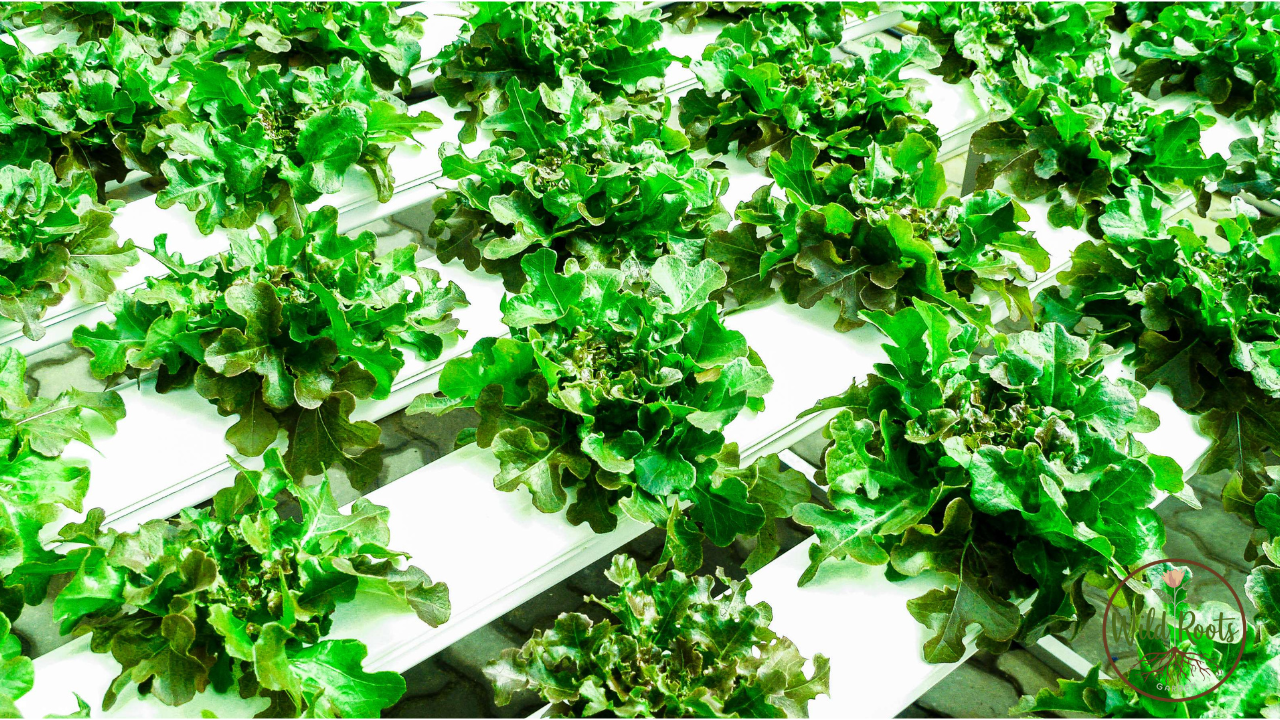
- Nutrient Film Technique (NFT): Plants sit in channels. A thin film of nutrient water flows over their roots. It’s a continuous cycle.
- Drip Systems: Nutrient water is dripped onto the base of each plant. Excess water is often collected and reused.
- Wick Systems: A wick draws nutrient water from a reservoir up to the plant roots. This is a simple, passive method.
- Aeroponics: Plant roots are suspended in air. They are misted with nutrient-rich water. This is very efficient.
Why Hydroponics Works Well in Florida
Florida has a warm climate. This is good for growing. But it also means pests can be a big problem.
Heavy rain can ruin gardens. The heat can stress plants. Indoor hydroponics avoids many of these issues.
You control the environment inside. This means no more worries about frost. Or sudden downpours.
Pests are much less likely to find your plants indoors. You don’t fight the weather. You create your own perfect growing spot.
Also, Florida is known for its sunshine. But sometimes, the heat can be too much for certain plants. Indoors, you can keep a steady, ideal temperature.
This helps plants grow strong. You can grow things that might struggle outside. This includes some leafy greens and herbs.
They thrive in cooler, stable indoor temps.
Indoor Hydroponics vs. Outdoor Gardening in Florida
Indoor Hydroponics:
- Pros: Consistent temperature, less pests, controlled environment, year-round growth, water efficient.
- Cons: Initial setup cost, requires electricity, need to monitor water quality.
Outdoor Gardening in Florida:
- Pros: Lower startup cost, natural sunlight, larger scale possible.
- Cons: Pests, disease, extreme weather (hurricanes, heatwaves), seasonal limitations, soil quality issues.
Choosing Your Indoor Hydroponic Grow System
Picking the right system depends on your needs. Think about what you want to grow. How much space do you have?
How much time can you commit?
For beginners, simple systems are best. Drip systems and wick systems are often easy to start with. They don’t have many moving parts.
Deep Water Culture (DWC) is also popular. It is quite effective for leafy greens.
If you want to grow a lot, consider larger systems. NFT systems can be good for leafy greens. Aeroponics is very advanced.
It gives fast growth but can be complex.
Look at kits. Many companies sell complete kits. These include everything you need.
Lights, a reservoir, pumps, net pots, and starter nutrients. They often come with instructions. This makes setup easier.
For Florida homes, a system that can handle a bit of humidity is good. Good airflow is key.
Consider the power needed. Some systems use pumps and lights. Make sure you have a place for them to plug in.
Think about the noise too. Some pumps can be a bit loud. If it’s in a living area, this might matter.
Quick Scan: System Choice Guide
| System Type | Best For | Ease of Use | Space Needs |
|---|---|---|---|
| DWC | Leafy greens, herbs | Easy | Medium |
| NFT | Leafy greens, strawberries | Medium | Medium to Large |
| Drip | Various plants, larger vegetables | Medium | Medium to Large |
| Wick | Herbs, small plants | Very Easy | Small |
| Aeroponics | Fast growth, many plants | Advanced | Medium |
Setting Up Your System in a Florida Home
Setting up your system is the first real step. Location matters a lot. Pick a spot with stable temperature.
Avoid direct sunlight if possible. Your grow lights will provide the light plants need.
A spare room works well. Or a corner of a living area. Make sure it’s near an outlet.
Keep it clean. This helps prevent problems later on.
Once you have the system, assemble it. Follow the instructions carefully. Most kits are pretty straightforward.
You will need to add water. Then add the nutrients. Mix them well.
You will also need to check the water pH. This is very important. Plants can only absorb nutrients at the right pH.
Most leafy greens like a pH of 5.5 to 6.5. You can buy pH test kits. You can also buy pH up and pH down solutions.
You’ll need seeds or seedlings. Start them in a germination tray. Or buy small seedlings ready to go.
Gently place them in the net pots. Use a growing medium like rockwool or coco coir. This holds the plant.
It allows roots to grow through to the water.
Turn on your lights. Set a timer for them. Most plants need 14-18 hours of light per day.
Make sure your pumps are running. Check that water is flowing correctly. Air stones should be bubbling.
Maintaining Your Hydroponic Garden
Keeping your system running smoothly is key. Regular checks are a must. First, check the water level.
Plants drink it. It will go down over time. Top it off with plain water.
Or a weak nutrient solution. This depends on the system type.
Next, check the nutrient strength. You can use a TDS meter. This measures the total dissolved solids.
It tells you how many nutrients are in the water. Follow the nutrient company’s guide. They usually tell you the target TDS range.
Check the water pH daily or every other day. Adjust it as needed. This is crucial for nutrient uptake.
If the pH is wrong, plants can’t eat. This leads to deficiencies. Yellow leaves are a common sign.
Clean your system regularly. Depending on the system, this might be every 2-4 weeks. You drain the old water.
You clean the reservoir. You add fresh water and nutrients. This prevents build-up of bad stuff.
It keeps things healthy.
Watch your plants. Look for any signs of trouble. Yellow leaves.
Brown spots. Wilting. These can mean many things.
Wrong pH. Nutrient issues. Or even pests.
Catching problems early is easier to fix.
Daily & Weekly Hydroponic Care Checklist
Daily:
- Check water level.
- Check for leaks.
- Observe plants for signs of stress.
Every 2-3 Days:
- Check and adjust pH.
- Check nutrient levels (TDS).
Weekly:
- Top off reservoir with fresh nutrient solution.
- Wipe down system parts if needed.
Every 2-4 Weeks:
- Full reservoir change and cleaning.
What You Can Grow Indoors in Florida
Hydroponics opens up many growing options. Leafy greens are a top choice. Lettuce, spinach, kale, and arugula grow very well.
They grow fast. And they love stable conditions.
Herbs are also excellent. Basil, mint, cilantro, parsley, and chives thrive. They are easy to grow.
And they add great flavor to meals. Imagine fresh basil for your Florida-inspired dishes!
You can also grow some fruiting plants. Tomatoes, peppers, and strawberries can be grown. They need more light and nutrients.
They also need pollination. For tomatoes and peppers, you might need to pollinate them by hand. Or use a small brush.
This transfers pollen. Strawberries usually pollinate themselves.
Root vegetables are harder to grow hydroponically. Things like carrots or potatoes. They need deep media or special systems.
Most home growers focus on greens and herbs.
Consider your space. Compact varieties are best for smaller systems. Look for dwarf or bush types of tomatoes or peppers.
These grow smaller. They produce well in containers or smaller hydroponic setups.
Common Problems and Troubleshooting
Even with the best setup, issues can arise. One common problem is algae growth. Algae competes for nutrients.
It can also block light. Keep your reservoir covered. Use opaque containers.
Algae loves light and stagnant water.
Nutrient deficiencies are also common. These show as yellow leaves. Or stunted growth.
Check your pH first. Then check your nutrient levels. Make sure you are using the right mix.
And that it’s fresh.
Root rot can happen. This is often due to lack of oxygen. Or poor hygiene.
Ensure your air pump is working well. Or that water is circulating properly. Keep the system clean.
Remove any dead plant matter.
Pests can still find their way in. Spider mites or aphids can appear. Inspect plants regularly.
Isolate affected plants. Use natural pest control. Like neem oil or insecticidal soap.
Ensure good airflow. This helps prevent some pests.
Problem: Yellow Leaves
Possible Causes:
- Low pH (plants can’t absorb nutrients).
- Low nutrient levels (lack of food).
- Too much light or heat (stress).
- Root issues (rot, lack of oxygen).
What to Check:
- First, check and adjust pH.
- Test nutrient strength (TDS).
- Inspect roots for signs of rot.
- Ensure proper light exposure and temperature.
Cost of an Indoor Hydroponic System
The cost can vary a lot. A small, basic kit might cost $50-$100. These are good for herbs or a few lettuce plants.
They are simple to use.
A mid-sized system could be $150-$300. These offer more space. They might have better lights or pumps.
You can grow more variety. Maybe a few tomato plants and lots of greens.
Larger, more advanced systems can cost $400 or more. These are often automated. They might have features like nutrient dosing.
Or remote monitoring. They allow for serious growing. Think about what you want to grow.
Don’t forget ongoing costs. Nutrients are a regular purchase. You will also need electricity for lights and pumps.
Seeds or seedlings are also a cost. But in the long run, growing your own food can save money. And the freshness is amazing.
Look for sales. Many online stores offer discounts. You can also build some systems yourself.
This can save money. But it requires more time and knowledge. For most people, buying a kit is the easiest start.
Environmental Considerations for Florida
Florida homes can get quite humid. Good airflow is crucial in hydroponics. It helps prevent fungal diseases.
It also helps plants transpire. This is how they move water and nutrients.
Use fans. Small oscillating fans can move air around your plants. Ensure your grow space is well-ventilated.
If it’s a small closet setup, consider a small exhaust fan. It removes stale air. It brings in fresh air.
Temperature control is also key. Florida can get very hot. While indoor systems help, they can still heat up.
Especially if lights are close. Monitor the temperature. Aim for what your plants like.
Most greens prefer 65-75°F (18-24°C).
Water conservation is a plus. Hydroponic systems use much less water than soil gardening. This is great for Florida.
It helps reduce your water usage. Recirculating systems are the most efficient. They reuse the water and nutrients.
Florida Home Hydroponics: Key Factors
Humidity Management:
- Use fans for air circulation.
- Ensure good ventilation.
- Monitor humidity levels if possible.
Temperature Control:
- Choose a location with stable temperatures.
- Monitor room temperature.
- Adjust light distance if needed to reduce heat.
Water Efficiency:
- Opt for recirculating systems.
- Regularly check for leaks.
When to Worry About Your Hydroponic System
Most issues are fixable. But some signs mean you need to pay close attention. If plants are dying very fast, this is worrying.
It could be a severe disease. Or a total system failure.
If your pumps stop working, that’s a problem. Roots need oxygen. If pumps fail for too long, plants will suffer.
Have a backup plan if possible. Or check them often.
Sudden, widespread wilting can be serious. It might mean root rot has taken hold. Or a blockage in the system.
This needs immediate attention. You might have to replace all the water.
If you see signs of mold on leaves or stems. This is also a concern. It often means too much humidity.
Or not enough airflow. You need to address it quickly. Remove affected parts.
Improve air circulation.
Most of the time, your system will run smoothly. A little observation goes a long way. Catching problems early is the best way to avoid major issues.
And keep your plants happy and healthy.
Quick Tips for Success
Start small. Don’t try to grow everything at once. Begin with a few easy plants.
Like lettuce or basil. Get comfortable with the system. Then expand.
Use good quality nutrients. They are formulated for hydroponics. Don’t guess.
Follow the instructions. It’s better to use too little than too much. You can always add more.
Keep it clean. Hygiene is super important in hydroponics. Clean your reservoir.
Clean your tools. This prevents disease. It helps plants grow better.
Be patient. Plants grow on their own timeline. Don’t get discouraged if growth isn’t instant.
Enjoy the process. Watch them grow. It’s a rewarding hobby.
Learn about your plants. Different plants have different needs. Research what your chosen plants need for light, nutrients, and pH.
This makes a big difference.
Frequently Asked Questions
Is hydroponics difficult to set up for a beginner?
Not at all. Many kits are designed for beginners. They include everything you need.
And clear instructions. Starting with a simple system like DWC or a wick system makes it even easier.
How much electricity does a hydroponic system use?
It depends on the system and lights. Basic systems with small pumps use very little. Grow lights are the main energy users.
LED grow lights are very energy efficient. A small system might cost just a few dollars a month in electricity.
Can I use tap water for my hydroponic system in Florida?
Yes, you usually can. However, Florida tap water can sometimes be hard. Or have high mineral content.
It’s a good idea to test your tap water’s pH and TDS. If it’s very high, you might need to use filtered water. Or a special nutrient mix.
How often do I need to change the nutrient solution?
For most systems, a full reservoir change is recommended every 2 to 4 weeks. This keeps the nutrient balance right. And prevents build-up of harmful substances.
Some larger systems might go longer.
What are the best grow lights for an indoor hydroponic system?
LED grow lights are highly recommended. They are energy-efficient. They produce less heat.
And they offer a full spectrum of light that plants need. Look for lights designed for plant growth.
Can I grow marijuana hydroponically in Florida?
Yes, under specific legal circumstances. Florida has laws regarding the medical use of marijuana. For recreational use, it is currently not legal.
You would need to ensure you comply with all state regulations.
Final Thoughts on Indoor Growing
An indoor hydroponic grow system can be a wonderful addition. Especially for Florida residents. It offers control.
It offers consistency. And it brings fresh produce right to your kitchen. With a little care, you can enjoy healthy plants all year long.
It’s a rewarding way to connect with your food.
},
},
},
},
},
} ] }