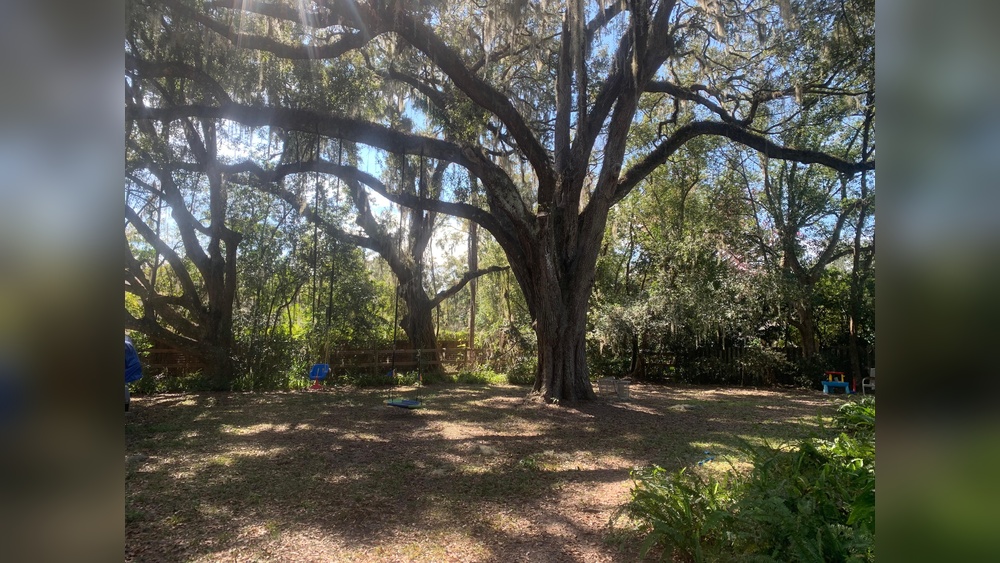
Are you struggling to grow a lush lawn under your oak trees in Florida? You’re not alone.
Oak trees create a tough environment for grass with their dense shade and thirsty roots competing for water. But don’t give up just yet! Choosing the right type of grass can transform that patchy, bare ground into a vibrant green carpet that thrives even under the oaks.
You’ll discover the best grass options suited for Florida’s unique climate and the shady conditions beneath oak trees. Plus, you’ll get practical tips to help your lawn flourish where others fail. Keep reading to unlock the secrets to a beautiful, healthy lawn right under your oak trees!
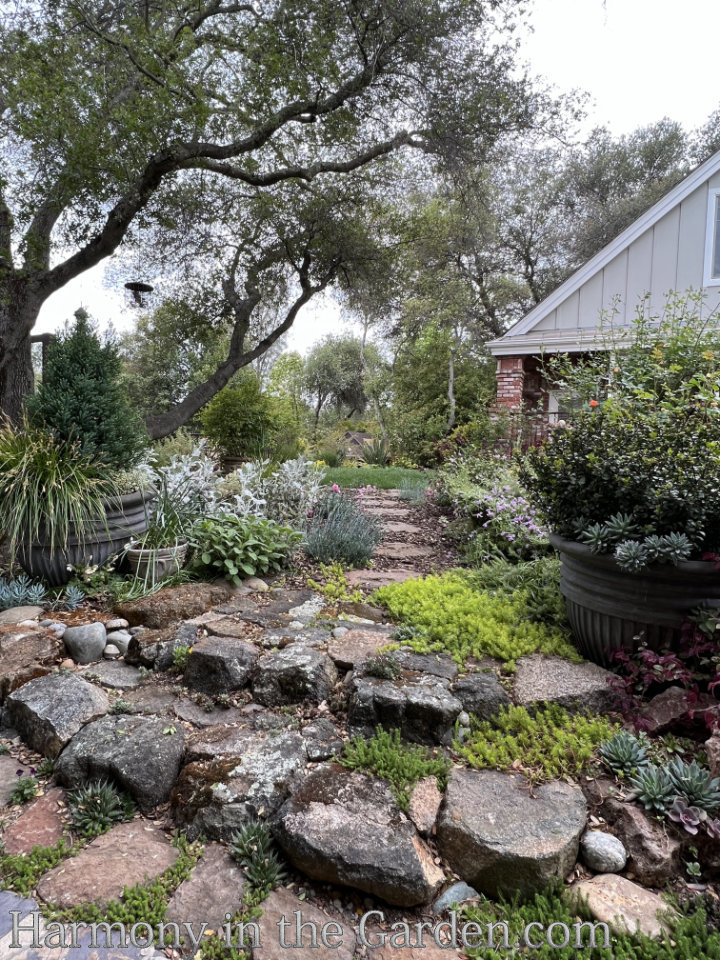
Credit: harmonyinthegarden.com
Shade-tolerant Grass Varieties
Growing grass under oak trees in Florida presents a unique challenge. The thick canopy creates dense shade that limits sunlight. Choosing shade-tolerant grass varieties helps maintain a green lawn beneath these majestic trees. These grasses can survive with less light and compete with oak roots for nutrients and water.
Understanding the difference between cool-season and warm-season grasses is key. Each type has specific traits suited for shaded areas. Selecting the right grass ensures a healthier, more attractive lawn under your oaks.
Cool-season Grasses
Fine fescues and tall fescues handle shade better than most cool-season grasses. They grow well in low light and stay green during cooler months. Kentucky bluegrass is another option, but it needs at least four hours of sunlight daily. These grasses prefer cooler temperatures, which suits Florida’s mild winters.
Fine fescues are low-maintenance and resist diseases well. Tall fescues have deep roots, helping them survive dry spells. Kentucky bluegrass offers a lush, dense lawn but requires more care and sunlight than fescues.
Warm-season Grasses
St. Augustine grass is the most popular warm-season grass for shade in Florida. It tolerates some shade and grows thick, soft blades. Zoysia grass also adapts to shaded spots but grows slower than St. Augustine. Both need some sun to thrive, so pruning oak branches may help sunlight reach the lawn.
St. Augustine grass resists heat and humidity well. Zoysia forms a dense turf that crowds out weeds. These grasses flourish in Florida’s hot summers and provide year-round green coverage under oak trees.
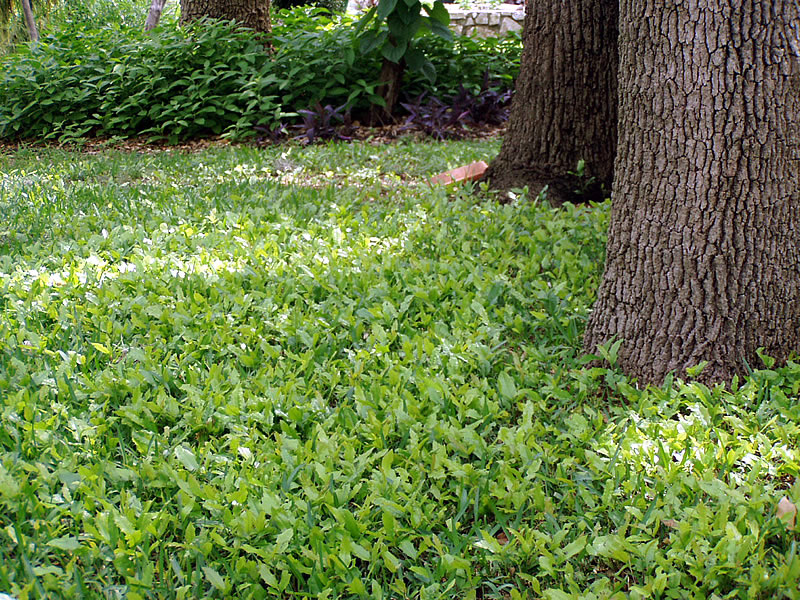
Credit: www.plantanswers.com
Grass Alternatives For Dense Shade
Growing grass under oak trees in Florida is challenging due to dense shade. Most traditional grasses struggle to survive with limited sunlight. Grass alternatives thrive better in these conditions. They offer green ground cover without the need for direct sun. These options also handle root competition and dry soil well. Consider these shade-tolerant plants to beautify shaded oak tree areas.
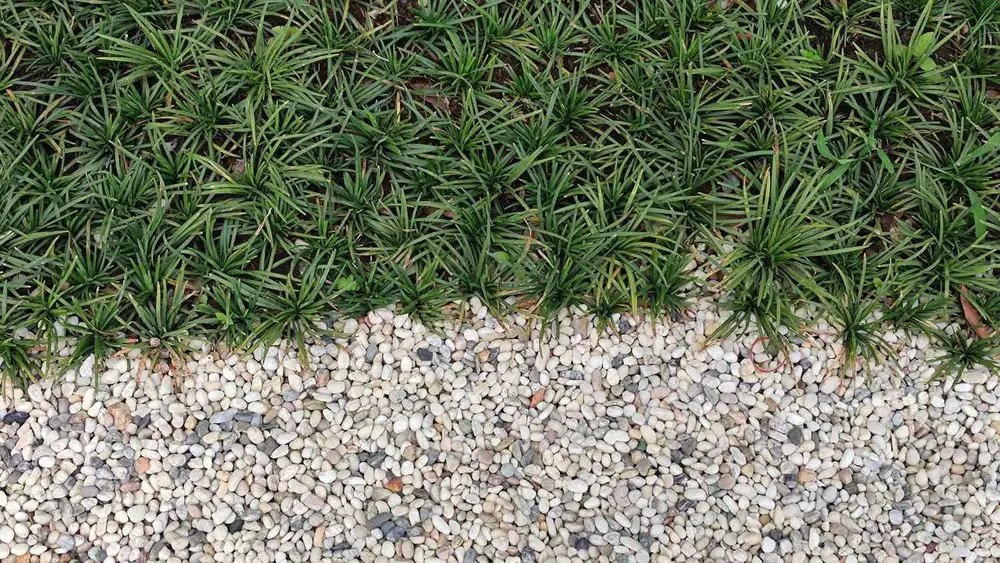
Monkey Grass (liriope)
Monkey grass, or liriope, is a popular choice under oak trees. It forms dense clumps and spreads slowly. This plant tolerates deep shade and dry soil. It resists foot traffic better than many ground covers. Liriope requires little maintenance once established. Its dark green leaves add texture and color to shady spots.
Ground Covers
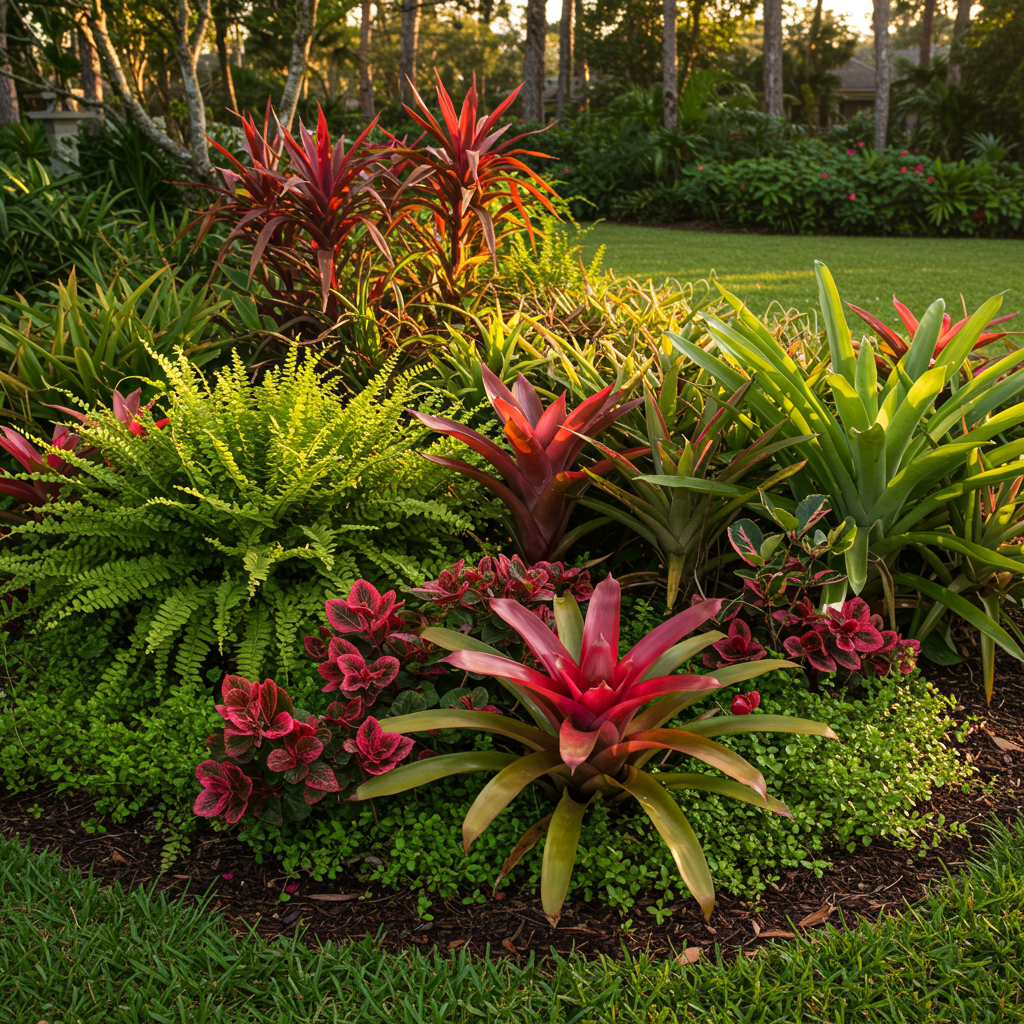
Ground covers create a living carpet beneath trees. Pachysandra and Asiatic jasmine grow well in dense shade. These plants spread quickly to fill bare spots. They help reduce soil erosion and block weeds. Vinca, also called periwinkle, blooms with small flowers. These ground covers stay green year-round in Florida’s climate.
Native Sedges
Native sedges resemble grass but thrive in shade. Texas sedge and Eastern woodland sedge are good examples. They prefer moist, shaded areas under oak trees. Sedges require less watering than typical grass. Their fine texture blends naturally with woodland settings. These plants support local wildlife and add a natural look.
Preparing Soil And Site
Preparing the soil and site properly is vital for growing grass under oak trees in Florida. Oak trees create dense shade and their roots compete for water and nutrients. These conditions make grass growth challenging. Preparing the soil helps improve water retention and nutrient availability. Clearing debris allows grass to get enough light and air. Both steps boost grass health and growth.
Soil Amendment Techniques
Start by testing the soil to check pH and nutrient levels. Oak trees prefer slightly acidic to neutral soil. Amend soil with organic matter like compost to improve texture and fertility. Adding compost helps loosen heavy clay soils common in Florida. This improves drainage and root penetration. Avoid adding too much fertilizer near tree roots. Use slow-release fertilizers to feed grass gently without harming the oak. Aerate the soil to reduce compaction caused by tree roots. This helps water and air reach grass roots more easily.
Leaf And Debris Management
Oak leaves fall quickly and can smother grass if not removed. Rake leaves regularly to allow sunlight to reach grass blades. Use a leaf blower or mower with a bag to collect fallen leaves. Avoid piling leaves under trees as this traps moisture and invites pests. Clear twigs and acorns that may block grass growth. Keep the area clean to prevent fungal diseases and improve air circulation. Proper debris management supports healthy grass and a neat lawn.
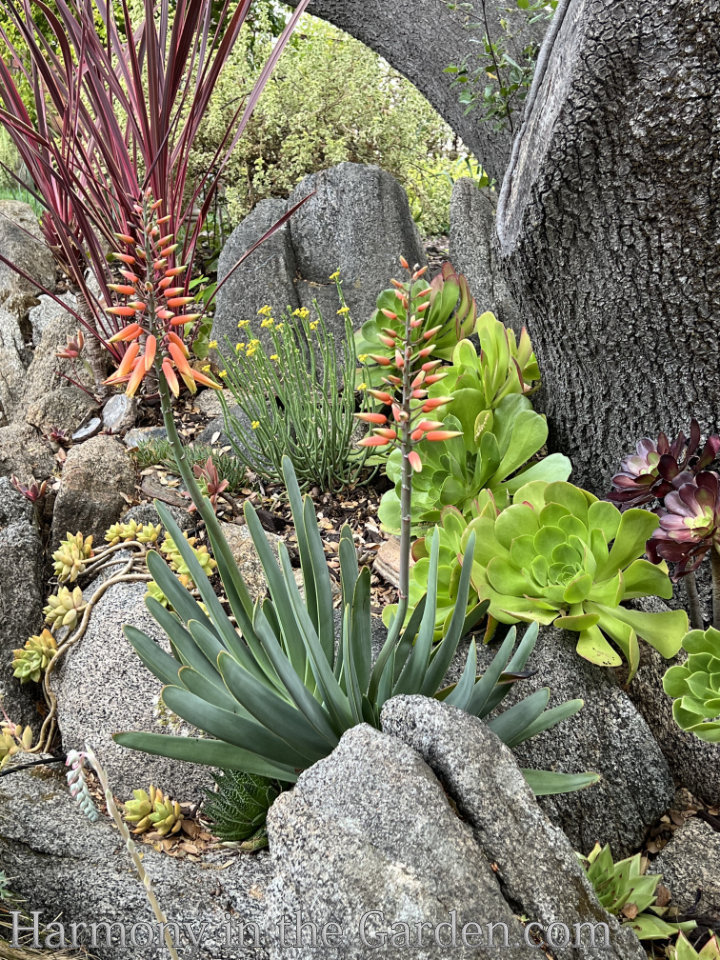
Credit: harmonyinthegarden.com
Tree Canopy Management
Managing the tree canopy is key to growing grass under oak trees in Florida. Oak trees have wide, dense canopies that block sunlight. Without enough light, grass struggles to grow well. Proper canopy management helps more light reach the ground. This creates better conditions for grass to thrive. Controlling the canopy also reduces moisture loss and improves air flow around the grass.
Pruning For More Light
Pruning lower branches allows sunlight to reach the grass below. Removing some limbs opens gaps in the canopy. This brightens shaded areas and warms the soil. Prune carefully to keep the tree healthy and balanced. Avoid cutting too many branches at once. Regular pruning in late winter or early spring works best. This helps grass get the light it needs to grow.
Managing Root Competition
Oak tree roots compete with grass for water and nutrients. Tree roots grow wide and close to the surface. This makes it hard for grass roots to spread. To reduce competition, create a root barrier or add mulch around the tree base. Water and fertilize the grass deeply but less often. This encourages grass roots to grow deeper and stronger. Proper root management supports healthy grass under oak trees.
Planting And Maintenance Tips
Growing grass under oak trees in Florida requires specific care. Oaks create shade and drop leaves, which affect grass growth. Proper planting and maintenance help grass thrive despite these challenges. Focus on watering, fertilization, and mowing to keep your lawn healthy.
Watering Strategies
Water deeply but less often to encourage strong roots. Early morning watering reduces evaporation and fungal problems. Avoid overwatering, which can harm both grass and oak roots. Use drip irrigation or soaker hoses to deliver water slowly. Adjust watering based on rainfall and soil moisture.
Fertilization Guidelines
Use a slow-release fertilizer to feed grass gradually. Apply fertilizer in early spring and late summer for best results. Avoid high nitrogen fertilizers, which stress oak trees. Test soil pH and nutrient levels before fertilizing. Follow label instructions to prevent over-fertilization.
Mowing Practices
Keep grass height at 3 to 4 inches to improve shade tolerance. Use sharp mower blades to avoid tearing grass blades. Mow frequently enough to remove no more than one-third of leaf height. Leave grass clippings on the lawn to add nutrients. Avoid mowing when grass is wet to prevent disease.
Common Challenges And Solutions
Growing grass under oak trees in Florida brings unique challenges. The thick canopy blocks sunlight. The roots compete for water and nutrients. Soil often stays dry and compacted. These factors make establishing a healthy lawn difficult. Understanding common problems helps find practical solutions. Strong, shade-tolerant grass can thrive with proper care.
Dealing With Dry Soil
Oak tree roots absorb most water near the surface. This leaves little moisture for grass roots. The soil dries out quickly under the tree. To improve soil moisture, water deeply and less often. This encourages grass roots to grow deeper. Mulching around the base of the tree helps retain moisture. Avoid heavy foot traffic to prevent soil compaction. Aerating the soil can also improve water absorption. Use a light layer of organic compost to boost soil health.
Managing Shade Stress
Oak trees create dense shade that limits sunlight. Grass needs sunlight to produce energy. Choose grass types that tolerate low light, like St. Augustine or Zoysia. Mowing at the correct height helps grass capture more light. Keep grass clippings on the lawn to add nutrients. Trim low-hanging branches to allow more light inside. Avoid over-fertilizing, which stresses grass under shade. Regularly remove fallen leaves to prevent smothering. These steps reduce shade stress and help grass stay green.
Frequently Asked Questions
What Grass Grows Under An Oak Tree?
Fine and tall fescues, Kentucky bluegrass, St. Augustine, and Zoysia grow well under oak trees with partial shade. For dense shade, use ground covers like monkey grass or pachysandra. Regular canopy thinning and leaf raking improve grass growth beneath oaks.
What Is The Most Shade-tolerant Grass In Florida?
St. Augustine grass is the most shade-tolerant warm-season grass in Florida. It thrives with some sunlight under oak trees.
Will St. Augustinegrass Grow Under Oak Trees?
St. Augustinegrass can grow under oak trees but requires partial sunlight and well-drained soil. Thin the canopy to increase light.
What To Put Under An Oak Tree?
Plant shade-tolerant grasses like fine fescues, tall fescues, or Kentucky bluegrass under oak trees. Use St. Augustine or Zoysia in warmer areas. Consider ground covers such as monkey grass, pachysandra, or native sedges for dense shade. Thin the canopy and mulch to improve growth.
Conclusion
Choosing the right grass under oak trees in Florida makes a big difference. St. Augustine and Zoysia grasses handle shade well but need some sunlight. Fine fescues and tall fescues work for cooler spots with low light. For very dense shade, consider ground covers like monkey grass or pachysandra.
Remember to thin the tree canopy and rake leaves often to help grass grow. Adding compost improves soil moisture and health. A healthy, green lawn under oak trees is possible with the right care and grass choice.