Choosing the best grass for your North Florida lawn can feel overwhelming. You want a lush, green yard that stands up to the heat, humidity, and occasional drought without constant fuss.
But not all grasses thrive in North Florida’s unique climate. Which grass will give you the perfect balance of beauty and low maintenance? You’ll discover the top grass varieties suited for North Florida’s soils and weather. By the end, you’ll know exactly which grass fits your lifestyle and lawn goals—making your yard the envy of your neighborhood.
Keep reading to find the best grass for your North Florida home!
Top Grass Types For North Florida
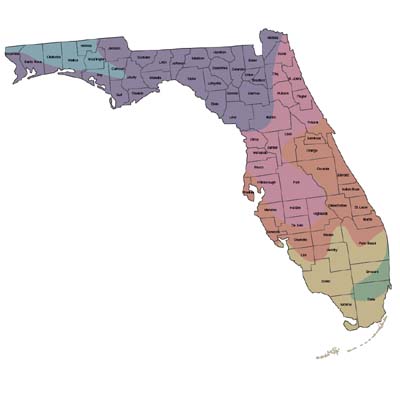
North Florida’s climate demands grasses that handle heat, humidity, and occasional cold snaps. Choosing the right grass ensures a green, healthy lawn year-round. The following grass types thrive well in North Florida’s soil and weather. Each offers unique benefits for homeowners and landscapers alike.
St. Augustine Grass
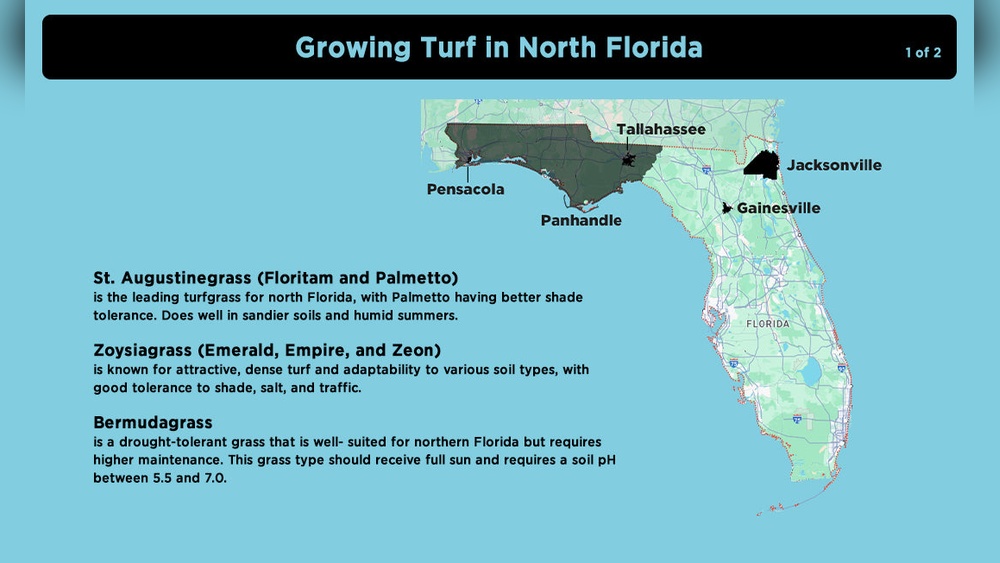
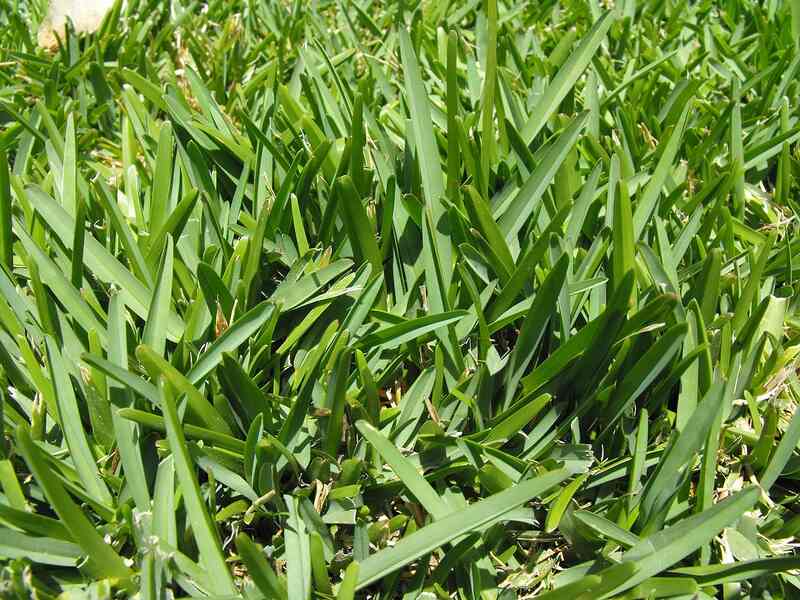
St. Augustine grass is popular in North Florida. It grows thick, creating a dense lawn that resists weeds. This grass prefers warm temperatures and shade tolerance. It recovers quickly from damage and thrives in coastal areas. Regular watering keeps it lush and green.
Bermuda Grass
Bermuda grass stands out for its durability and fast growth. It handles heat and drought well, making it ideal for sunny lawns. This grass tolerates heavy foot traffic, perfect for active yards. It needs full sun and well-drained soil to grow best.
Zoysia Grass
Zoysia grass grows slowly but forms a thick, carpet-like lawn. It tolerates heat, drought, and some shade. This grass requires less mowing and watering than others. It is low maintenance and looks great all season long.
Bahia Grass
Bahia grass is one of the most drought-tolerant grasses for North Florida. It grows well in poor soils and needs little fertilizer. This grass handles heat and dry spells better than most. It is ideal for low-maintenance lawns and large open areas.
Centipede Grass
Centipede grass is a slow-growing grass with a light green color. It prefers acidic, sandy soils common in North Florida. This grass requires less mowing and fertilizing. It handles heat well but does not tolerate heavy shade or traffic.
Seashore Paspalum
Seashore paspalum thrives in salty, coastal environments. It tolerates salt spray and poor soil conditions. This grass stays green in heat and recovers quickly from drought. It is a good choice for lawns near the ocean or saltwater areas.
Credit: www.lawnstarter.com
Grass Selection Criteria
Choosing the right grass for North Florida requires understanding several key factors. These factors ensure the grass thrives and stays healthy throughout the year. Each aspect plays a vital role in selecting the best grass type for your lawn.
Climate Adaptability
North Florida has hot summers and mild winters. Grass must handle heat, humidity, and occasional cold snaps. Choose species that grow well in warm climates and can survive cooler nights. Climate adaptability helps grass stay green longer and reduces stress.
Drought Tolerance
Water can be scarce during dry spells. Grass with good drought tolerance survives without frequent watering. It conserves water and stays green during dry periods. This reduces water bills and keeps lawns healthy during droughts.
Maintenance Needs
Some grasses need frequent mowing, fertilizing, and care. Low-maintenance grasses save time and effort. They grow slower and resist weeds better. Pick grass that fits your schedule and how much work you want to do.
Soil Compatibility
Soil type affects grass growth. North Florida soil can be sandy or clay-like. Grass should match the soil’s drainage and nutrient levels. Proper soil compatibility helps roots grow strong and prevents lawn problems.
Pest And Disease Resistance
Grass faces threats from insects and diseases. Resistant types reduce damage and need fewer pesticides. This keeps lawns healthier and lowers maintenance costs. Choose grass varieties known for strong pest and disease resistance.
St. Augustine Vs. Zoysia
Choosing the best grass for North Florida means comparing popular options like St. Augustine and Zoysia. Both grasses thrive in this region but have distinct traits. Understanding their growth, look, water needs, and pest resistance helps pick the right one for your lawn.
Growth Rate And Maintenance
St. Augustine grass grows quickly and fills in bare spots fast. It needs regular mowing and trimming to keep it neat. Zoysia grows slowly, creating a dense, thick lawn over time. It requires less mowing, making it easier to care for in the long run.
Appearance And Texture
St. Augustine has broad, flat blades with a coarse texture. It gives a lush, green, tropical look to your yard. Zoysia grass has thinner, finer blades with a soft feel. It creates a smooth, carpet-like surface that many homeowners prefer.
Water Requirements
St. Augustine needs more water, especially during dry spells. It performs best with frequent watering to stay green. Zoysia is more drought-tolerant and can survive longer without water. It suits areas with water restrictions or less rainfall.
Pest And Disease Susceptibility
St. Augustine is prone to pests like chinch bugs and fungal diseases. It may need treatment to keep it healthy. Zoysia is more resistant to pests and diseases, reducing the need for chemicals. This makes Zoysia a better choice for low-maintenance lawns.
Credit: www.outsidepride.com
Establishing Your Lawn
Establishing your lawn in North Florida needs careful planning. A strong start leads to a healthy, green lawn that lasts. The right steps improve grass growth and reduce future problems. Follow simple guidelines for soil, seeding, watering, and fertilizing to get the best results.
Soil Preparation Tips
Begin with testing the soil pH. North Florida soils often need lime to balance acidity. Remove rocks, weeds, and debris from the area. Loosen soil to a depth of 4 to 6 inches for better root growth. Add organic matter like compost to improve soil texture. Level the ground to avoid water pooling. These steps create a perfect bed for grass roots.
Seeding Vs. Sodding
Seeding is budget-friendly and offers more grass variety choices. It takes longer to establish and needs careful watering. Sodding gives an instant green lawn with quick results. It costs more but reduces weed problems early. Choose seeding for large, open areas and sodding for fast fixes or small spaces. Both methods need proper care for healthy growth.
Watering Guidelines
Water newly planted grass lightly every day for two weeks. Keep soil moist but not soaked to encourage root growth. After two weeks, water deeply twice a week. Morning watering reduces disease risk and water loss. Adjust watering based on weather and soil type. Proper watering prevents dry patches and promotes strong roots.
Fertilization Schedule
Start fertilizing about 4 to 6 weeks after planting. Use a balanced, slow-release fertilizer suitable for North Florida grasses. Fertilize every 6 to 8 weeks during the growing season. Avoid over-fertilizing to prevent burning the grass. Follow label instructions carefully for best results. Regular feeding supports lush, green growth and disease resistance.
Common Challenges And Solutions
Growing grass in North Florida presents unique challenges due to the region’s climate and soil. Understanding common problems helps maintain a healthy lawn. This section covers key issues and practical solutions for vibrant grass.
Dealing With Shade
Many North Florida yards have shaded areas from trees and buildings. Most grasses need sunlight to grow well. Choose shade-tolerant grass types like St. Augustine or Zoysia for these spots. Trim tree branches to increase light. Avoid heavy foot traffic in shade to prevent damage. Use mulch around trees to keep soil moist and cool.
Managing Weeds
Weeds compete with grass for nutrients and space. Keep your lawn dense to block weed growth. Mow regularly at the right height for your grass type. Use pre-emergent herbicides in early spring to stop weed seeds from sprouting. Pull out visible weeds by hand before they spread. Fertilize properly to strengthen grass against weeds.
Handling Drought Stress
North Florida can have dry spells that stress grass. Water deeply but less often to encourage strong roots. Early morning is the best time to water. Avoid watering in the heat of the day to reduce evaporation. Use drought-tolerant grasses like Bermuda or Bahia. Apply mulch to keep soil moist and cool during dry periods.
Pest And Disease Control
Insects and diseases can harm North Florida lawns. Inspect grass regularly for signs of damage or discoloration. Use natural predators or insecticides for pest control. Remove infected grass patches to stop disease spread. Improve air circulation by mowing and trimming. Choose disease-resistant grass varieties for fewer problems.
Credit: www.outsidepride.com
Low-maintenance Lawn Options
Maintaining a beautiful lawn in North Florida does not require constant work. Choosing low-maintenance grasses reduces watering, mowing, and fertilizing needs. These options thrive well in the warm climate and sandy soils of the region. A low-maintenance lawn saves time and money while keeping your yard green and healthy.
Slow-growing Grass Choices
Slow-growing grasses need less mowing and trimming. Zoysia grass is a popular choice. It spreads slowly and forms a dense, soft carpet. Centipede grass also grows slowly and adapts well to North Florida soils. Both grasses reduce lawn care chores significantly.
Drought-resistant Varieties
North Florida summers can be dry, making drought resistance vital. Bermuda grass handles heat and drought well. Bahia grass requires little water and grows in poor soils. These grasses stay green longer without frequent watering. They help conserve water and keep lawns healthy.
Best Practices For Easy Care
Plant grass suited to your soil and sun exposure. Mow regularly but not too short to avoid stress. Water deeply but less often to encourage strong roots. Fertilize lightly in spring and fall with slow-release products. Remove weeds early to prevent competition. These simple steps keep your lawn easy to maintain.
Recommended Grass Seed And Sod Products
Choosing the right grass seed or sod product can make all the difference for your North Florida lawn. The climate here calls for grasses that handle heat, humidity, and occasional drought well. The best grass products combine durability and beauty, ensuring your lawn stays green and healthy year-round.
Below are some top picks for grass seed mixes and sod suppliers that suit North Florida’s unique environment. These options meet various needs, from quick growth to budget-friendly choices.
Popular Grass Seed Mixes
Grass seed mixes designed for North Florida often include Bermuda, St. Augustine, and Zoysia varieties. These blends promote strong root systems and resist heat stress. Examples include Scotts Turf Builder Sun & Shade Mix and Jonathan Green Black Beauty. These seeds offer good coverage and adapt well to both sun and shade areas.
Trusted Sod Suppliers
Reliable sod suppliers provide fresh, high-quality sod with grass types suited for North Florida. Local suppliers often carry St. Augustine and Bahia sod, which establish quickly and tolerate heat. Companies like Earth Works Jax and regional garden centers offer healthy sod that can transform your lawn in days.
Budget-friendly Options
Affordable grass seed and sod options help maintain a beautiful lawn without overspending. Home Depot and Tractor Supply Company offer cost-effective seed mixes like Vigoro Fast Grass Seed Mix and GroundWork Bermuda Coated Seed. These choices balance price with quality and are ideal for homeowners on a budget.
Frequently Asked Questions
What Is The Easiest Grass To Grow In North Florida?
Bahia grass is the easiest to grow in North Florida. It is drought-tolerant, low-cost, and thrives in sandy soils. St. Augustine and Bermuda grasses also grow well but need more care. Bahia suits beginners seeking a hardy, low-maintenance lawn in the region.
Which Grass Is Better, Zoysia Or St Augustine?
Zoysia suits low-maintenance lawns with drought tolerance and slow growth. St. Augustine offers lush, green appearance but needs more water and care. Choose Zoysia for durability; pick St. Augustine for vibrant curb appeal.
Can You Just Throw Grass Seed On The Ground And It Will Grow?
No, scattering grass seed alone rarely works well. Seeds need proper soil contact, watering, and nutrients to grow thick, healthy lawns.
What Is The Downside Of St. Augustine Grass?
St. Augustine grass struggles in cold climates and drought, needing frequent watering. It also faces high pest and disease risks.
Conclusion
Choosing the right grass for North Florida helps your lawn stay green and healthy. St. Augustine, Bermuda, and Zoysia suit the climate well. Bahia grass offers good drought resistance at a low cost. Prepare your soil and water properly for best growth.
A well-chosen grass type reduces maintenance and saves time. Your lawn will look better all year round. Simple care makes a big difference in lawn success. Start with the right grass and enjoy a beautiful yard.