Looking to create a lush, green lawn that thrives under South Florida’s intense sun and humidity? Choosing the right grass is the key to a beautiful yard that stays healthy year-round with less effort from you.
But with so many options, how do you know which grass suits your soil, climate, and lifestyle best? You’ll discover the top grasses perfectly suited for South Florida’s unique conditions. Whether you want low maintenance, drought tolerance, or a soft carpet-like feel underfoot, we’ll help you find the ideal grass to make your lawn the envy of the neighborhood.
Keep reading to transform your outdoor space into a vibrant paradise.
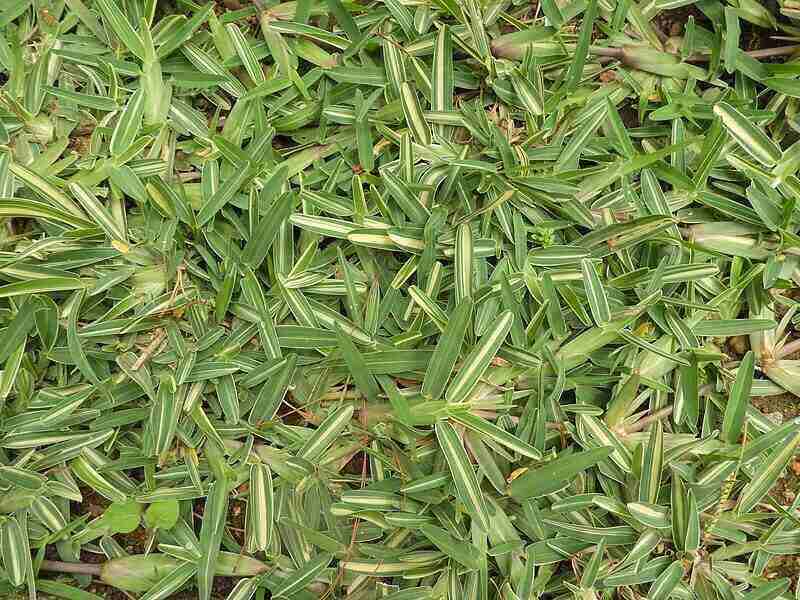
Credit: www.lawnstarter.com
Climate Challenges In South Florida
South Florida’s climate poses unique challenges for growing grass. The region experiences intense heat and high humidity most of the year. These conditions can stress many grass types and make maintenance difficult.
The soil in South Florida often contains high salt levels due to its proximity to the ocean. This salt can harm grass roots and reduce growth. Choosing the right grass requires understanding these environmental factors.
Heat And Humidity Effects
South Florida’s heat remains strong throughout the year. Temperatures often rise above 90°F, stressing many grass species. High humidity adds to the stress by promoting fungal diseases.
Grass that cannot handle heat may turn brown or die quickly. Humidity creates damp conditions that can cause mold and fungus. Selecting heat-tolerant grass helps lawns stay green and healthy.
Soil And Salt Conditions
Soil in South Florida is often sandy and drains quickly. This makes water retention a challenge for grass roots. Many grasses struggle without enough moisture in the soil.
Salt from nearby ocean breezes can build up in the soil. High salt levels damage roots and limit nutrient uptake. Grass types that resist salt are necessary for coastal and inland areas alike.
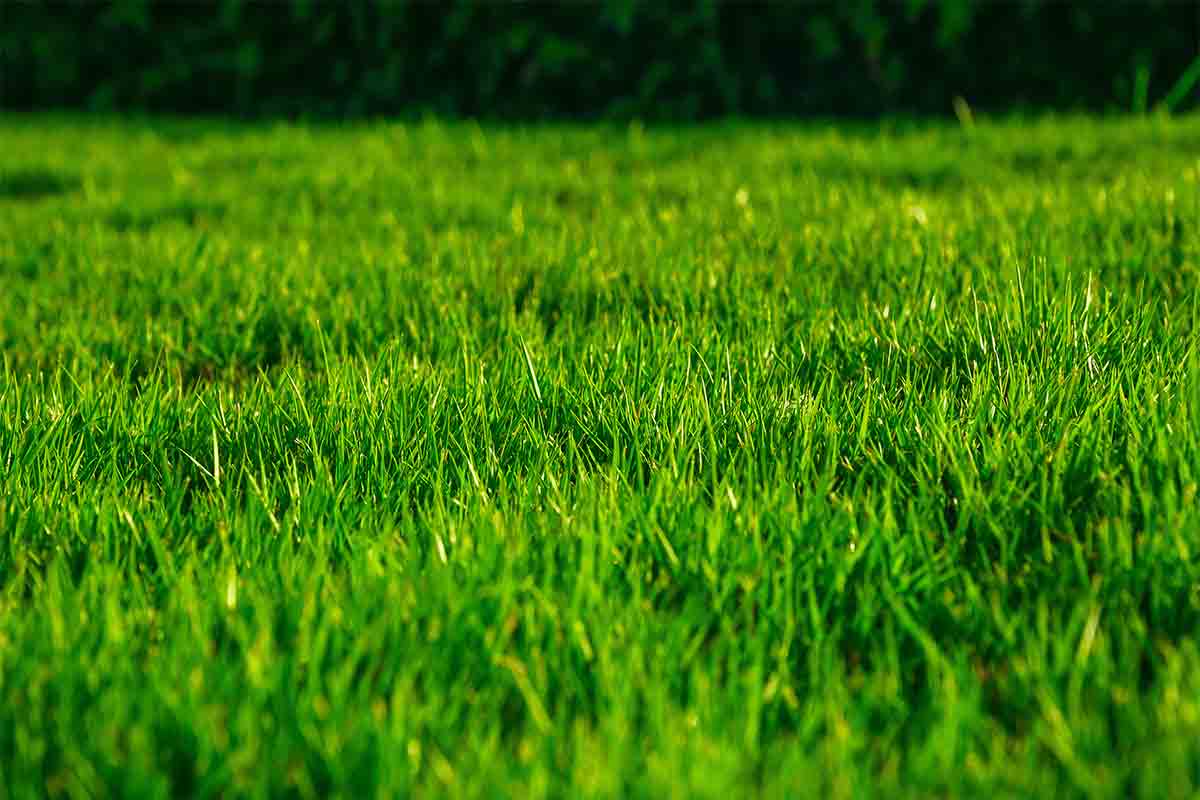
Credit: www.bestpickreports.com
Low-maintenance Grass Options
Choosing low-maintenance grass is smart for South Florida’s hot and humid climate. These grasses need less water and fewer chemicals. They handle heat and drought well. They keep your lawn green with little effort. This saves time and money.
Bahiagrass Benefits
Bahiagrass is tough and grows well in sandy soil. It resists heat and drought easily. Its deep roots help it survive dry spells. It needs little fertilizer and few pesticides. Bahiagrass forms a thick, dense lawn that blocks weeds. It also recovers fast from wear and tear. This grass stays green most of the year. It suits large yards and open spaces.
Centipede Grass Features
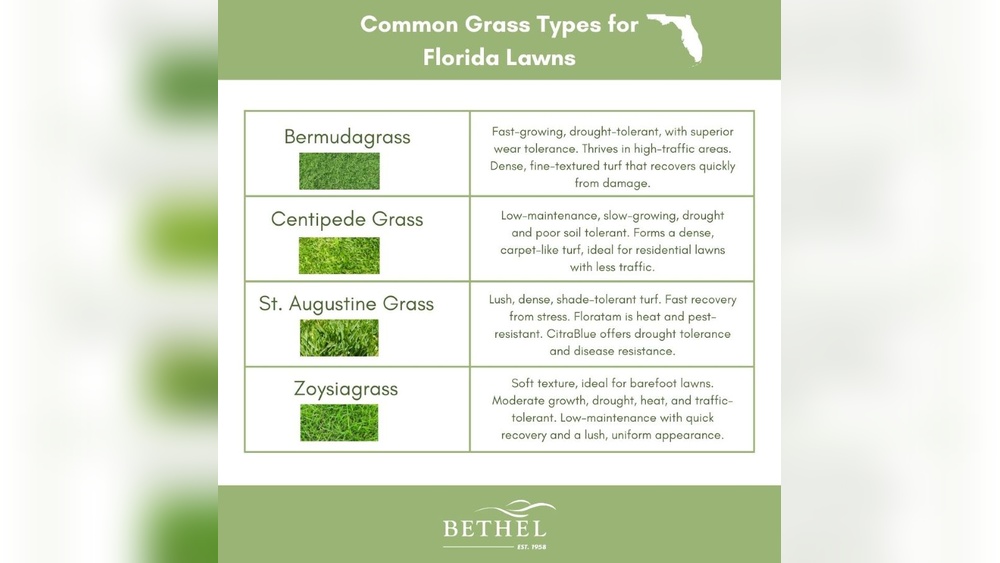
Centipede grass is slow-growing but very low maintenance. It prefers acidic soil common in South Florida. It uses less water than many other grasses. Centipede grass grows well in sunny and partially shaded areas. It does not need much fertilizer to stay healthy. This grass forms a soft, medium-green carpet. It resists pests and diseases better than many types. Centipede grass is ideal for easy-care lawns.
Popular Choices: Zoysia Vs St. Augustine
South Florida’s warm climate suits many grass types. Two popular options for lawns here are Zoysia and St. Augustine. Each has unique traits that fit different yard needs. Choosing the right one helps keep your lawn green and healthy. Below, explore what makes each grass special and their best uses.
Zoysia Strengths And Weaknesses
Zoysia grass is tough and handles heat well. It uses less water and fertilizer than many grasses. This grass stands up to heavy foot traffic. It also resists pests like chinch bugs better than some types. Zoysia feels soft and looks like a dense carpet. On the downside, it grows slowly from seed or plugs. It can be more expensive to buy. When dry, Zoysia may brown quickly but recovers fast.
St. Augustine Strengths And Weaknesses
St. Augustine grass grows quickly and fills in lawns fast. It thrives in shady spots where sunlight is limited. This grass tolerates salty air well, ideal for coastal yards. St. Augustine needs more water and fertilizer to stay green. It is less tough against heavy traffic. Some pests and diseases target this grass more often. The blades are thicker and feel coarser than Zoysia.
Best Use Cases For Each
Choose Zoysia for lawns with lots of foot traffic. It works well in dry areas needing less watering. Ideal for homes wanting a soft, lush lawn. St. Augustine fits shady yards that struggle with sunlight. Perfect for coastal homes near the ocean breeze. Also good for fast lawn establishment and quick green cover. Match your lawn’s conditions with the right grass for best results.
Other Recommended Varieties
South Florida’s unique climate calls for grass types that thrive in heat and humidity. Besides the popular choices, other grass varieties suit this region well. These grasses offer different benefits like durability, color, and growth habits. Choosing the right grass depends on your lawn’s needs and care level. Below are two excellent options to consider for your South Florida lawn.
Emerald Zoysia Highlights
Emerald Zoysia is known for its fine texture and rich green color. It grows slowly but forms a dense, soft carpet. This grass handles heat and drought better than many others. It tolerates foot traffic, making it great for active yards. Emerald Zoysia requires less water and fertilizer, saving you time and money. It prefers full sun but can survive some shade. It resists pests and diseases well, reducing the need for chemicals.
Floratam St. Augustine Traits
Floratam St. Augustine is a fast-growing grass with wide, coarse blades. It thrives in South Florida’s warm, humid environment. This variety tolerates salt spray, ideal for coastal areas. It handles heat and some shade better than most. Floratam forms a thick lawn that crowds out weeds effectively. It needs more water and fertilizer than Emerald Zoysia. This grass is less durable under heavy traffic but recovers quickly from damage.
Planting Tips For Success
Planting grass in South Florida requires careful attention to ensure a healthy lawn. The climate is warm and humid, which affects soil and water needs. Following simple tips can help your grass thrive and stay green year-round.
Soil Preparation Techniques
Start by testing your soil’s pH and nutrient levels. South Florida soils often need lime to reduce acidity. Remove rocks, weeds, and debris to create a smooth surface. Till the soil to loosen it and improve root growth. Add organic matter like compost to boost soil health. Level the area to prevent water pooling and help even grass growth.
Seed Vs Sod Considerations
Choosing between seed and sod depends on your budget and time. Seeds cost less but take longer to grow and need more care at first. Sod offers instant green coverage and reduces weed growth. Sod can be expensive and requires quick installation. Seed is best for large areas and patient gardeners. Both options need proper watering and soil contact for success.
Watering And Maintenance
Water new grass deeply and often to help roots establish. Early morning watering reduces evaporation and disease risk. Once established, water less frequently but more deeply. Mow regularly, but never cut more than one-third of the grass height. Fertilize with a slow-release formula designed for Florida grasses. Keep an eye out for pests and diseases and treat them early.
Managing Common Lawn Issues
Managing common lawn issues in South Florida requires understanding the challenges this climate presents. The region’s heat, humidity, and pests make lawn care unique. Choosing the right grass helps prevent many problems. Maintaining healthy grass reduces the need for harsh treatments and frequent repairs.
Focus on pest resistance, drought and heat tolerance, and adapting to shade and traffic. These factors keep your lawn green and strong year-round.
Pest Resistance
South Florida lawns face many pests like chinch bugs and grubs. Select grass types that naturally resist these insects. Zoysia grass offers good resistance to chinch bugs. Bahiagrass also handles pests well with minimal damage. Regular mowing and proper watering strengthen grass, making it less attractive to pests. Avoid over-fertilizing, which can invite pest problems.
Drought And Heat Tolerance
Heat and dry spells are common in South Florida. Bahiagrass and Centipede grass tolerate drought better than most grasses. These grasses survive with less water and stay green longer. Zoysia is also drought-tolerant but needs some watering during hot spells. Keep irrigation deep and infrequent to encourage strong roots. Water early in the morning to reduce evaporation and fungal risks.
Dealing With Shade And Traffic
Many lawns have shaded areas under trees or near buildings. St. Augustine grass grows well in shade. It stays green where other grasses might thin out. For lawns with heavy foot traffic, Zoysia is tougher and recovers quickly. Avoid walking on wet grass to prevent damage. Rotate play areas or paths to reduce wear in one spot. Regularly aerate compacted soil to help roots breathe and grow.

Credit: www.bestpickreports.com
Frequently Asked Questions
What Is The Easiest Grass To Grow In South Florida?
Bahiagrass and Centipede grass grow easily in South Florida. They tolerate heat, humidity, and require low maintenance.
Which Grass Is Better, Zoysia Or St. Augustine?
Zoysia suits dry, high-traffic areas with durability and low water needs. St. Augustine thrives in shade and salty soils but needs more care. Choose based on your lawn’s sunlight, traffic, and maintenance preferences.
Can You Just Throw Grass Seed On The Ground And It Will Grow?
Simply throwing grass seed on the ground rarely works well. Prepare soil, remove debris, and water regularly for best growth.
What Is The Downside Of St. Augustine Grass?
St. Augustine grass needs frequent watering and fertilizing. It is less durable, prone to pests, and has a coarse texture.
Conclusion
Choosing the right grass for South Florida is key to a healthy lawn. Bahiagrass, Centipede, Zoysia, and St. Augustine each have unique benefits. Consider your lawn’s sun exposure, water availability, and maintenance needs. Grass that handles heat and humidity will thrive best here.
With the right choice, your lawn will stay green and strong year-round. Take time to match grass type with your yard’s conditions. This simple step makes lawn care easier and more rewarding. Enjoy a beautiful lawn that suits South Florida’s climate perfectly.