
If you’ve ever tried growing vegetables in Florida, you know it’s not always as simple as planting seeds and waiting. The hot sun, sandy soil, and unpredictable weather can make your garden struggle or even fail.
But what if you could unlock the best way to grow vegetables that thrive in Florida’s unique climate? Imagine having a garden full of fresh, delicious produce all year round—right in your backyard. You’ll discover practical tips and smart strategies tailored just for Florida gardeners like you.
Ready to turn your garden into a flourishing oasis? Keep reading and learn how to grow vegetables the right way, no matter where you live in the Sunshine State.
Florida Climate And Soil
Florida offers a unique environment for growing vegetables. Its warm climate and varied soil types create both opportunities and challenges for gardeners. Understanding the local climate and soil is key to a successful vegetable garden. This knowledge helps select the right plants and prepare the soil properly.
Climate Zones In Florida
Florida has several climate zones, mostly tropical and subtropical. The southern part is warmer year-round. The northern part experiences mild winters. These zones affect what vegetables can grow well. Heat-loving plants thrive in the south. Cooler-season crops grow better in the north. Gardeners must choose vegetables suited to their zone to get the best results.
Soil Types And Preparation
Florida soils vary widely, from sandy to clay-heavy. Sandy soils drain quickly but hold fewer nutrients. Clay soils retain water but may cause root problems. Most Florida soils need organic matter added. Compost or aged manure improves soil texture and fertility. Proper soil preparation ensures healthy plant roots and better vegetable yields.
Soil Testing Tips
Testing soil is important before planting. It reveals nutrient levels and pH balance. Garden centers and extension services offer soil testing kits. Collect samples from different garden areas. Follow instructions carefully for accurate results. Adjust soil based on test results. Add lime to raise pH or sulfur to lower it. Balanced soil helps vegetables grow strong and healthy.

Credit: www.raisedbedguide.com
Choosing Vegetables For Florida
Choosing the right vegetables for Florida’s unique climate is key to a thriving garden. Florida’s hot, humid weather and mild winters require careful selection of crops. Some vegetables handle heat well, while others prefer cooler temperatures. Understanding which plants suit your area improves growth and harvest success. Here are the best choices for Florida gardeners.
Heat-tolerant Varieties
Vegetables that resist heat thrive in Florida’s long, warm seasons. Tomatoes, peppers, and eggplants are excellent heat-tolerant options. These plants grow well even in summer’s high temperatures. Okra and sweet potatoes also handle the heat and humidity. Choosing these crops ensures your garden stays productive during hot months.
Cool-season Crops
Cool-season vegetables prefer Florida’s milder fall and winter weather. Lettuce, spinach, and kale grow best in cooler months. Broccoli and cabbage also do well in fall gardens. Plant these crops in late fall to enjoy fresh, crisp greens during winter. These vegetables help extend your garden’s growing season.
Avoiding Unsuitable Vegetables
Some vegetables struggle in Florida’s climate and should be avoided. Root crops like carrots, potatoes, and beets do not tolerate heat well. These plants often produce poor yields or fail entirely in summer. Instead, focus on crops adapted to local conditions. This approach saves time, effort, and resources.
Planting Seasons And Timing
Timing plays a key role in growing vegetables in Florida. The state’s warm climate allows for multiple planting seasons. Choosing the right season helps plants thrive and produce better yields. Understanding the planting seasons and timing ensures successful gardening throughout the year.
Fall And Winter Planting
Fall and winter bring cooler temperatures to Florida. This season suits cool-weather vegetables like lettuce, broccoli, and carrots. The soil stays warm enough for seeds to germinate. Planting in fall avoids the intense summer heat that can stress plants. Winter crops grow steadily with less pest pressure. Harvest often continues into early spring.
Spring And Summer Planting
Spring and summer are warm and humid in Florida. Heat-tolerant vegetables like tomatoes, peppers, and beans do well. Plant these after the last frost date in spring. Summer crops need regular watering to handle dry spells. Avoid planting cool-season crops in summer. The heat can cause poor growth or plant failure. Choose varieties bred for heat resistance.
Regional Planting Differences
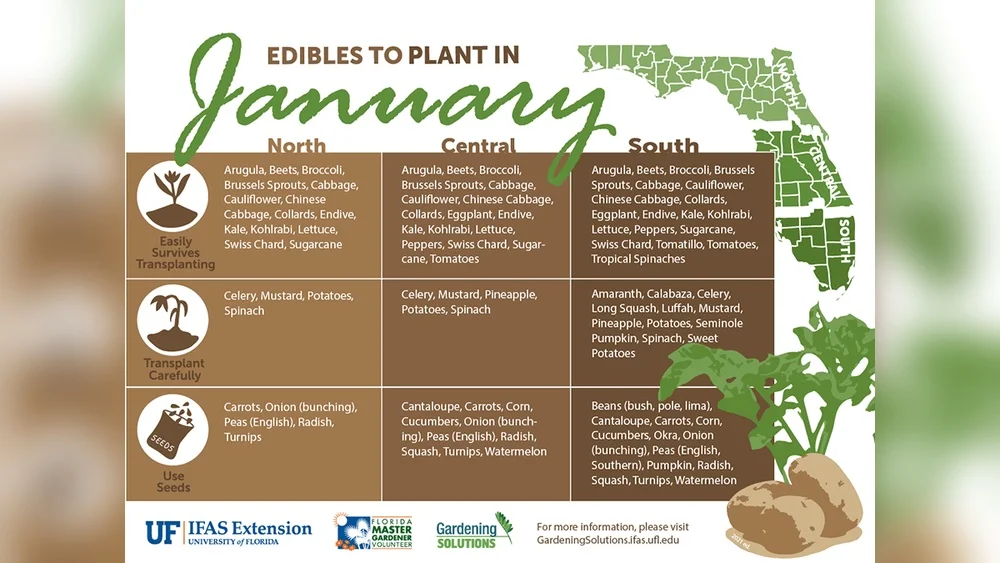
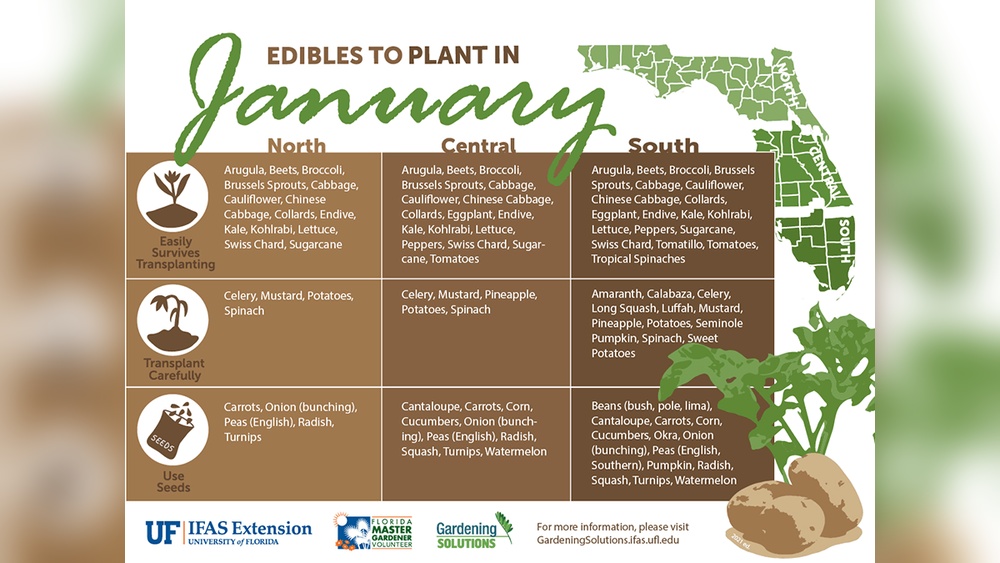
Florida’s climate varies from north to south. North Florida has cooler winters and a shorter growing season. South Florida stays warm almost year-round. This difference affects planting times and crop choices. Northern gardeners plant cool-season crops earlier and summer crops later. Southern gardeners can plant many crops year-round with care. Knowing your region helps pick the best planting dates.

Credit: www.revivalgardening.com
Sunlight And Watering Needs
Sunlight and water are the two most important factors for growing vegetables in Florida. Plants need enough light to make food through photosynthesis. Water helps carry nutrients to the roots and keeps plants healthy. Both elements must be balanced carefully in Florida’s hot and humid climate. Proper sunlight and watering improve vegetable growth and yield.
Optimal Sun Exposure
Vegetables need at least 6 to 8 hours of sunlight every day. Most garden vegetables grow best in full sun. Choose a planting spot that gets direct sunlight in the morning and early afternoon. Avoid shaded areas near tall trees or buildings. Some leafy greens tolerate partial shade, but fruiting vegetables like tomatoes and peppers need full sun to produce well.
Efficient Watering Practices
Watering deeply and less often encourages strong root growth. Use drip irrigation or soaker hoses to deliver water directly to the soil. Avoid overhead watering that wets leaves and increases disease risk. Water early in the morning to reduce evaporation and allow leaves to dry during the day. Check soil moisture before watering again to prevent overwatering.
Dealing With Florida Humidity
Florida’s humidity can cause fungal diseases in vegetable plants. Good air circulation helps reduce humidity around leaves. Space plants properly and prune dense foliage. Mulch helps keep soil moist without wetting leaves. Avoid watering late in the day to prevent prolonged leaf wetness. Choose disease-resistant vegetable varieties for better success in humid conditions.
Pest And Disease Management
Managing pests and diseases is vital for a healthy vegetable garden in Florida. The warm and humid climate encourages many pests and diseases. These problems can damage plants and reduce crop yield quickly. Effective management keeps plants strong and productive throughout the growing season.
Common Florida Garden Pests
Florida gardens face many pests. Aphids, whiteflies, and spider mites often attack vegetables. Caterpillars like the cabbage looper and tomato hornworm also cause damage. Snails and slugs thrive in moist conditions and eat leaves. These pests can weaken plants and spread diseases.
Organic Pest Control
Organic methods work well in Florida gardens. Introduce beneficial insects like ladybugs and lacewings to eat harmful pests. Use neem oil or insecticidal soap sprays to control soft-bodied insects safely. Handpick larger pests like caterpillars and snails. Mulch helps prevent slug damage by creating a dry barrier.
Preventing Plant Diseases
Healthy plants resist diseases better. Water plants early in the day to reduce leaf wetness at night. Avoid overhead watering to limit fungal growth. Rotate crops yearly to stop disease buildup in the soil. Remove and destroy infected plant material quickly. Choose disease-resistant vegetable varieties for the best defense.
Fertilizing And Soil Nutrition
Fertilizing and soil nutrition play a key role in growing healthy vegetables in Florida. The state’s sandy soils often lack nutrients needed for plants. Proper fertilization improves soil quality and supports strong vegetable growth. Understanding what nutrients your vegetables need helps you choose the right fertilizer. Feeding plants at the right time boosts growth and yield.
Essential Nutrients For Vegetables
Vegetables need three main nutrients: nitrogen (N), phosphorus (P), and potassium (K). Nitrogen helps leaves grow green and lush. Phosphorus supports root development and flower production. Potassium strengthens plants and improves disease resistance. Besides these, calcium, magnesium, and sulfur are important too. Micronutrients like iron and zinc aid plant functions. Testing your soil tells you which nutrients are missing.
Using Organic Fertilizers
Organic fertilizers improve soil health naturally. Compost, manure, and bone meal add nutrients slowly. They also help sandy Florida soils hold water better. Organic matter feeds beneficial microbes in the soil. These microbes break down nutrients and make them available to plants. Using organic fertilizers reduces chemical buildup and protects the environment. Apply organic products evenly around plants for best results.
Timing Fertilizer Application
Apply fertilizer just before or after planting vegetables. This timing gives plants access to nutrients early on. For fast-growing crops, feed again halfway through the growing cycle. Avoid fertilizing during very hot weather to prevent burning roots. Water plants after fertilizing to help nutrients soak into the soil. Regular, light feeding works better than a single heavy dose.
Garden Maintenance Tips
Maintaining a vegetable garden in Florida requires regular care. Good garden maintenance improves plant health and yields. It also helps control pests and diseases. Focus on key practices like mulching, pruning, and crop rotation to keep your garden thriving.
Mulching Benefits
Mulching keeps the soil moist by reducing evaporation. It also controls weeds that compete with vegetables for nutrients. Mulch helps regulate soil temperature during Florida’s hot days. Organic mulches break down and add nutrients to the soil. Use straw, leaves, or wood chips around your plants.
Pruning And Thinning
Pruning removes dead or damaged leaves and stems. It improves air circulation and sunlight exposure for the plants. Thinning means removing crowded seedlings to give space for others. Proper pruning and thinning help prevent fungal diseases common in Florida’s humid climate. These tasks encourage stronger, healthier vegetable growth.
Crop Rotation Strategies
Crop rotation means changing the type of vegetable planted in a spot each season. This practice prevents soil nutrient depletion. It also reduces the buildup of pests and diseases that target specific crops. Rotate between families like beans, tomatoes, and leafy greens. Crop rotation keeps your soil balanced and your garden productive.
Harvesting And Storage
Harvesting and storing vegetables properly ensures the best taste and longest freshness. In Florida’s warm climate, timing and technique are key. Picking vegetables at the right moment prevents spoilage and loss of nutrients. Storing them correctly extends their shelf life and keeps them crisp. Understanding signs of maturity, using proper harvest methods, and choosing the right storage options help gardeners enjoy their produce fully.
Signs Of Vegetable Maturity
Look for color changes in vegetables like tomatoes and peppers. Size matters; vegetables should reach their typical full size. Firmness is a good indicator; avoid soft or mushy produce. Some vegetables, like beans, snap easily when ready. Check days to maturity on seed packets for guidance. Harvest too early and vegetables may lack flavor. Wait too long and they may become tough or bitter.
Proper Harvest Techniques
Use sharp scissors or garden shears to avoid damage. Cut vegetables cleanly to prevent disease or rot. Handle produce gently to avoid bruises. Harvest in the cool morning hours for best freshness. Avoid pulling plants by the roots unless harvesting root vegetables. Clean tools between uses to reduce spread of pests. Collect vegetables in shallow containers to prevent crushing.
Storing Fresh Produce
Store leafy greens in moist but not wet cloths inside bags. Keep tomatoes at room temperature away from direct sunlight. Root vegetables last longer in cool, dark, and humid places. Use perforated plastic bags or containers with air holes. Avoid washing vegetables before storage unless ready to eat. Check stored vegetables regularly for signs of spoilage. Use older vegetables first to reduce waste.
Common Challenges And Solutions
Growing vegetables in Florida presents unique challenges. The state’s climate can be tough on many plants. Gardeners face issues like high heat, heavy rains, and wildlife interference. Understanding these challenges helps gardeners find practical solutions. This section covers common problems and easy ways to solve them.
Dealing With Heat Stress
Florida’s heat can harm vegetable plants quickly. Too much sun causes leaves to wilt and dry out. To protect plants, use shade cloth or plant taller crops nearby. Water plants early in the morning to keep roots cool. Mulching the soil helps retain moisture and lowers ground temperature. Choose heat-tolerant vegetable varieties for better success.
Managing Excess Rainfall
Heavy rains can flood garden beds and wash away nutrients. Poor drainage leads to root rot and weak plants. Raise garden beds to improve water flow and prevent standing water. Use well-draining soil mixed with sand or compost. Building a simple rain shelter can protect plants during storms. Regularly check soil moisture to avoid overwatering.
Protecting Plants From Wildlife
Wild animals like rabbits, deer, and birds often eat vegetables. Fencing your garden is an effective barrier. Use chicken wire or mesh to keep small animals out. Scare devices like reflective tape or noise makers can deter birds. Plant strong-smelling herbs nearby to repel pests naturally. Check your garden daily for signs of animal damage.

Credit: www.raisedbedguide.com
Frequently Asked Questions
What Is The Best Vegetable To Grow In Florida?
Tomatoes, peppers, eggplant, squash, and beans grow best in Florida’s warm, humid climate. Choose crops suited to your region’s season.
What Vegetables Don’t Grow Well In Florida?
Carrots, potatoes, beets, and turnips struggle in Florida’s heat and humidity. They prefer cooler, northern climates.
When’s The Best Time To Plant Vegetables In Florida?
The best time to plant vegetables in Florida is fall for cool-season crops. Plant from September to February in most regions. For warm-season vegetables, plant from February to May, depending on your location. Avoid planting heat-sensitive crops during hot summer months.
What Is The 70/30 Rule In Gardening?
The 70/30 rule in gardening means planting 70% of crops early and 30% later to extend harvest and reduce pest risks.
Conclusion
Growing vegetables in Florida can be simple and rewarding. Choose plants that handle heat well, like tomatoes and peppers. Pay attention to soil and watering needs. Plant cool-season crops in fall for best results. Keep your garden healthy by removing weeds and pests.
Small efforts bring fresh, tasty vegetables to your table. Enjoy gardening all year with the right care and planning.