Are you ready to enjoy fresh, juicy strawberries right from your own Florida garden? Growing strawberries here can be tricky if you don’t know the right tricks.
But imagine biting into sweet berries you grew yourself, perfectly suited to Florida’s unique climate. In this guide, you’ll discover the best way to grow strawberries in Florida—simple steps that make a big difference. From choosing the perfect spot to timing your planting just right, we’ll help you avoid common mistakes and boost your harvest.
Keep reading, and soon you’ll be picking delicious strawberries that you can proudly call your own.
Credit: blackgold.bz
Strawberry Varieties For Florida
Choosing the right strawberry variety is key to success in Florida’s warm climate. Different types of strawberries grow better in various conditions. Selecting a variety that suits Florida’s heat and humidity improves fruit quality and yield. Here are the main strawberry varieties that thrive in Florida gardens.
Day-neutral Varieties
Day-neutral strawberries produce fruit all season long. They do not depend on day length to flower. These plants handle Florida’s mild winters well. They offer steady harvests from late winter to fall. Popular day-neutral types include ‘Tristar’ and ‘Seascape’. These varieties resist heat and keep producing fruit.
June-bearing Varieties
June-bearing strawberries produce one large crop each year. Their fruit ripens mainly in late spring or early summer. These plants prefer cooler weather but can grow in North Florida. ‘Chandler’ is a well-known June-bearer for Florida. It delivers large, sweet berries. These varieties need some chilling hours to bloom well.
Everbearing Varieties
Everbearing strawberries produce two to three harvests yearly. They fruit in spring, summer, and fall. These plants suit Florida’s long growing season. ‘Ozark Beauty’ is a common everbearing variety. It adapts well to Florida’s heat and humidity. Everbearers give fresh berries over many months.
Credit: bonnieplants.com
Ideal Planting Time
Choosing the ideal planting time is key to growing strawberries successfully in Florida. The state’s climate varies from north to south, affecting when to plant. Planting strawberries at the right time helps plants establish strong roots before fruiting. It also reduces risks from frost or extreme heat. Understanding the local planting schedule improves your chances of a good harvest.
North Florida Schedule
In North Florida, plant strawberries from late October to early December. The cooler fall weather helps plants develop roots. Avoid planting too late to prevent damage from frost. This region experiences mild winters, so strawberries can grow well through winter months. Early planting allows berries to ripen by late winter or early spring.
Central Florida Schedule
Central Florida’s best planting window is from mid-November to mid-December. This timing avoids the hot summer heat and uses cooler weather for root growth. Planting during this period helps strawberries flower and fruit in late winter. Central Florida’s mild winters support steady growth without frost damage. Stick to this schedule for the best results.
South Florida Schedule
In South Florida, plant strawberries from mid-December to early January. The warmer climate means strawberries can be planted later than in other regions. This timing helps plants avoid the hottest months and thrive in cooler weather. South Florida strawberries usually fruit from late winter to early spring. Planting at the right time ensures healthy plants and good yields.
Soil Preparation Tips
Preparing the soil is a key step to grow healthy strawberries in Florida. Good soil helps plants get enough water and nutrients. It also protects roots from diseases and pests. Taking time to prepare the soil well leads to bigger and sweeter berries.
Focus on choosing the best spot, checking soil pH and drainage, and adding the right compost and amendments. These tips will create a perfect home for your strawberry plants.
Choosing The Right Location
Select a place with full sun for at least six hours daily. Strawberries need sunlight to produce sweet fruit. Avoid low spots where water can collect and cause root rot. Pick an area away from old tomato, potato, or chrysanthemum beds. These plants can spread diseases harmful to strawberries.
Soil Ph And Drainage
Strawberries grow best in slightly acidic soil with pH between 5.5 and 6.5. Test your soil using a simple kit from a garden store. Good drainage is essential to stop water from pooling. Sandy loam soils work well in Florida. If your soil is heavy clay, consider raised beds or adding sand to improve drainage.
Compost And Amendments
Add plenty of compost to enrich the soil with nutrients and organic matter. Compost improves soil texture and helps hold moisture. Mix well into the top 6 to 8 inches of soil before planting. Avoid fresh manure, which can burn roots or bring weeds. Use balanced fertilizer with nitrogen, phosphorus, and potassium to support growth. Mulch after planting to keep soil moist and berries clean.
Planting Techniques
Planting techniques play a vital role in growing healthy strawberries in Florida. Proper planting ensures strong roots, better fruit production, and disease resistance. Small details like depth, spacing, and plant type impact growth and yield. Follow these guidelines for a successful strawberry patch.
Planting Depth And Crown Position
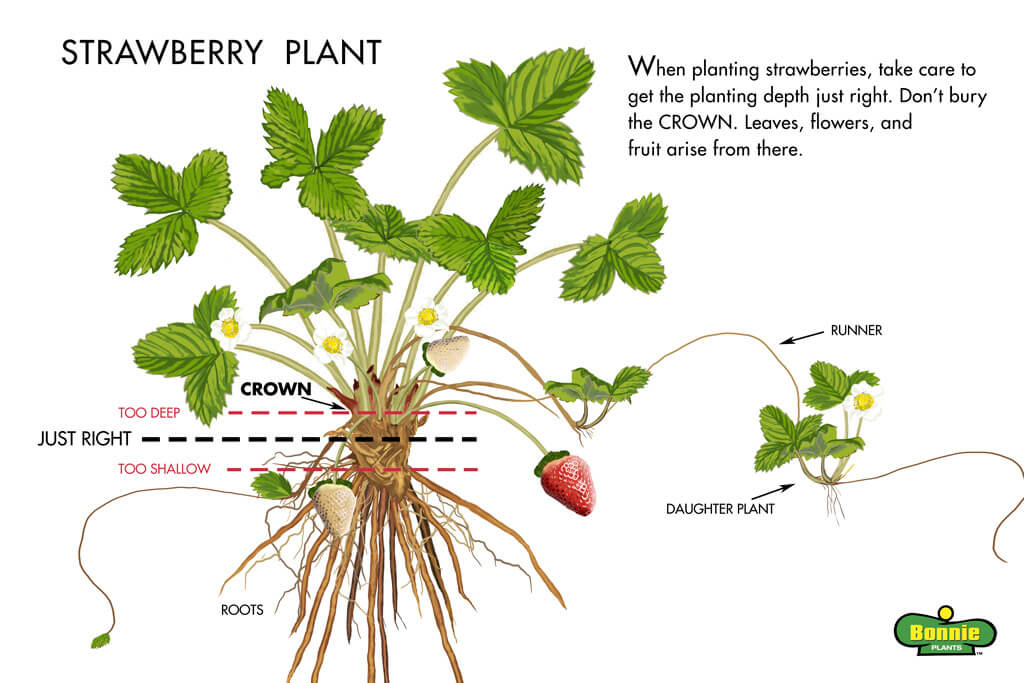
Plant strawberries with the crown at soil level. The crown is where leaves grow from the stem. Planting too deep can cause rot. Planting too shallow can dry out roots. Keep the crown just above the soil surface for best growth. This helps plants breathe and absorb water properly.
Spacing Between Plants
Space strawberry plants about 12 to 18 inches apart. Proper spacing allows air circulation. Good airflow reduces mold and disease risks. It also gives plants room to grow and spread runners. Crowded plants compete for nutrients and sunlight, which lowers fruit quality. Maintain consistent spacing for healthy plants and larger berries.
Bare-root Vs. Container Plants
Bare-root plants are dormant and cost less. They need quick planting after purchase to avoid drying out. Container plants are already growing and easier to plant. They start producing fruit sooner than bare-root types. Both types work well in Florida. Choose based on your budget and planting time. Ensure roots stay moist until planting.
Watering And Moisture Control
Watering and moisture control play a vital role in growing healthy strawberries in Florida. The state’s warm climate can quickly dry out soil, making it important to keep moisture levels just right. Proper watering ensures strawberries develop sweet, juicy berries while avoiding common problems like root rot or mildew.
Strawberries need consistent moisture but dislike standing water. Balancing these needs can boost plant growth and fruit yield. Below are key tips on maintaining moisture, avoiding overwatering, and using the best irrigation methods for your strawberry patch.
Maintaining Consistent Moisture
Strawberries thrive with steady moisture in the soil. Water the plants regularly to keep soil damp but not soaked. Check soil every few days, especially during hot weather. Mulch around plants helps keep soil moist longer and reduces evaporation. Consistent moisture supports strong roots and better fruit development.
Avoiding Overwatering
Too much water can harm strawberry plants. Overwatering leads to root rot and fungal diseases. Avoid watering late in the day to prevent prolonged wet leaves. Ensure soil drains well to stop water from pooling. Water only when the top inch of soil feels dry. Watch for yellowing leaves or wilting, signs of excess moisture.
Best Irrigation Practices
Drip irrigation works best for strawberries in Florida. It delivers water directly to the roots and limits leaf wetness. Use timers to water early in the morning for best absorption. Avoid overhead sprinklers that promote disease. Regularly check irrigation systems for clogs or leaks. Proper irrigation saves water and keeps plants healthy.
Credit: faitc.org
Mulching Benefits
Mulching is a key step in growing healthy strawberries in Florida. It protects plants from heat and conserves soil moisture. Mulch also keeps the soil temperature steady, which helps strawberries grow strong roots. This simple practice improves yield and fruit quality.
Types Of Mulch
Organic mulches like straw, pine needles, and shredded leaves work well. They break down slowly and add nutrients to the soil. Plastic mulch helps warm the soil and keeps berries clean. Choose mulch based on availability and your garden needs.
Moisture Retention
Mulch prevents water loss by reducing evaporation from the soil surface. It keeps the soil moist longer between watering. This is crucial in Florida’s hot climate. Consistent moisture helps strawberries develop sweet, juicy fruit and healthy roots.
Weed And Pest Control
Mulch blocks sunlight, stopping many weeds from growing. Fewer weeds mean less competition for water and nutrients. Mulch also creates a barrier that reduces soil splash, lowering the chance of fungal diseases. It can deter some pests by hiding plants and disrupting their movement.
Managing Runners And Flowers
Managing runners and flowers is vital for healthy strawberry plants in Florida. Proper care helps plants focus energy on strong roots and fruit production. Understanding how to handle runners and flowers improves your strawberry harvest. This section explains key steps to control runners and manage early flowers effectively.
Pinching Runners For Root Growth
Runners are long stems that grow from the mother plant. They try to form new plants, which can weaken the main plant. Pinch off runners early to keep the plant’s energy in the roots. Removing runners encourages stronger root systems. Strong roots help the plant absorb more nutrients and water. This practice leads to bigger and healthier strawberries. Check plants weekly and pinch off new runners by hand.
Handling Early Flowers
Early flowers appear soon after planting. These flowers can reduce root development. Pinch off the first flowers to help plants grow stronger roots. Removing early flowers directs energy to root and leaf growth. This step is important in Florida’s warm climate. It prepares plants for better fruit production later. Wait to let flowers grow after the plant is well established. This simple step improves fruit size and yield.
Encouraging Future Harvests
After runners and early flowers are managed, focus on the plant’s growth. Allow later flowers to bloom and develop into fruit. Use mulch to keep soil moist and reduce weeds. Water plants regularly but avoid soggy soil. Fertilize with balanced nutrients for continued growth. Healthy plants produce more runners next season. Save some runners to grow new plants for the future. Proper runner and flower care builds strong strawberry beds year after year.
Pest And Disease Prevention
Protecting strawberry plants from pests and diseases is vital for a strong harvest in Florida. Warm and humid conditions favor many pests and diseases. Early prevention saves time and reduces crop loss. Understanding how to keep your plants healthy ensures better growth and tasty strawberries.
Avoiding Contaminated Soil
Use clean, fresh soil or raised beds for planting strawberries. Avoid soil where tomatoes or potatoes recently grew. These crops can carry harmful fungi causing wilt disease. Test soil for pests and pathogens before planting. Adding organic matter improves soil health and reduces disease risk. Rotate crops yearly to prevent build-up of pests in the soil.
Common Pests In Florida
Aphids, spider mites, and whiteflies attack strawberries often. These tiny pests suck plant sap, weakening leaves and fruit. Use insecticidal soap or neem oil to control them. Birds and slugs also harm strawberries by eating fruit. Netting protects berries from birds. Slug traps and barriers help keep slugs away. Regularly check plants for signs of pests to act fast.
Disease-resistant Practices
Choose disease-resistant strawberry varieties suited for Florida’s climate. Water plants at the base to keep leaves dry and avoid fungal growth. Remove dead or diseased leaves promptly. Space plants for good air flow to reduce moisture buildup. Mulch helps prevent soil splash that spreads disease. Clean tools and hands before working with plants to stop disease spread.
Harvesting Strawberries
Harvesting strawberries in Florida requires attention and care to enjoy the best flavors and textures. Picking strawberries at the right time ensures sweetness and freshness. Proper harvesting protects the plants for future crops. Post-harvest care keeps berries fresh longer and prevents damage.
Identifying Ripe Berries
Ripe strawberries show a deep red color all over. Avoid berries with white or green tips. Look for firm, plump berries without soft spots. Ripe berries have a sweet fragrance that attracts bees and gardeners alike. Picking too early leads to sour taste and poor sweetness.
Best Harvesting Techniques
Gently hold the berry between your fingers. Use your thumb to pinch the stem above the berry. Avoid pulling the fruit; stem damage harms the plant. Harvest in the morning when berries are cool and firm. Use shallow containers to prevent crushing the fruit.
Post-harvest Care
Place berries in a cool, shaded area immediately after picking. Avoid washing berries until just before eating or storing. Store in a single layer to prevent bruising. Refrigerate strawberries to extend freshness for several days. Check daily and remove any damaged fruit quickly.
Using Raised Beds And Containers
Growing strawberries in Florida can be very rewarding with the right techniques. Using raised beds and containers helps control soil quality and drainage. This method also reduces pest problems and makes harvesting easier. Both raised beds and containers are perfect for Florida’s warm climate and sandy soils.
Advantages Of Raised Beds
Raised beds improve soil drainage and prevent waterlogging. They warm up faster in spring, helping plants grow quicker. You can fill them with nutrient-rich soil for better yields. Raised beds keep weeds away and make it easier to manage pests. They also allow better air circulation around the plants. This reduces the chance of diseases common in Florida’s humid weather.
Container Growing Tips
Choose containers with good drainage holes to avoid root rot. Use lightweight pots for easy movement and access to sunlight. Water containers regularly because they dry out faster than ground soil. Place containers in a sunny spot, at least six hours of direct sun daily. Fertilize plants often with a balanced, water-soluble fertilizer to support growth. Remove old leaves and runners to focus energy on fruit production.
Soil Mix For Containers
Use a mix of peat moss, compost, and perlite or vermiculite. This blend holds moisture but drains well, perfect for strawberries. Add a small amount of slow-release fertilizer for steady nutrients. Avoid heavy garden soil that can compact and limit root growth. Keep the soil slightly acidic, with a pH around 5.5 to 6.5. This helps strawberries absorb nutrients efficiently and produce sweet berries.
Frequently Asked Questions
What Month To Plant Strawberries In Florida?
Plant strawberries in Florida from October to December for best growth. This timing suits Florida’s mild winter climate. Early planting helps establish strong roots before spring fruiting. Choose well-drained, sunny spots and maintain consistent moisture for healthy plants and optimal harvest.
What Is The Trick To Growing Strawberries?
Choose a sunny, well-draining spot with slightly acidic soil. Plant crowns at soil level, mulch with straw, water consistently, and pinch first-year runners.
Do Coffee Grounds Help Strawberries Grow?
Coffee grounds add nutrients and improve soil structure, helping strawberries grow healthier and produce more fruit. Use sparingly to avoid acidity.
Do Strawberries Grow Better In Pots Or Containers?
Strawberries grow well in pots or containers with good drainage and quality soil. Containers allow better control of soil and moisture. Choose containers at least 12 inches deep, place them in full sun, and water consistently for best results.
Conclusion
Growing strawberries in Florida can be simple and rewarding. Choose a sunny spot with good soil and proper drainage. Plant strawberries at the right depth and keep the soil moist but not wet. Mulch helps keep berries clean and soil moist.
Removing first-year runners directs energy to stronger plants. Follow these easy steps for a tasty, fruitful harvest. Enjoy fresh strawberries from your own garden all year long.