Discover the secrets to building a self-watering raised garden bed that conserves water, promotes healthier plants, and gives you more time to enjoy your garden.
Imagine a garden that practically waters itself. A place where your vegetables and flowers thrive even during a heatwave, and where the fear of forgetting to water is a thing of the past. This isn’t a futuristic dream; it’s the reality of a self-watering raised garden bed.
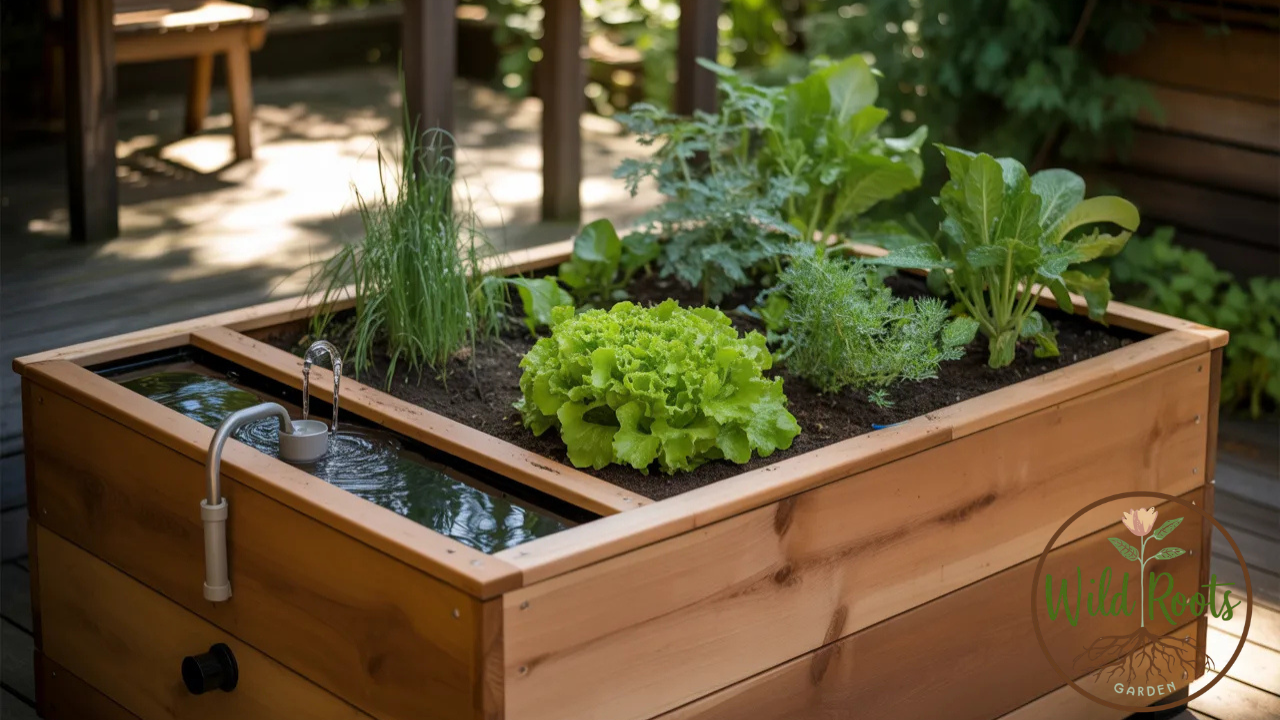
These ingenious systems, also known as wicking beds or sub-irrigated planters (SIPs), are a game-changer for gardeners of all skill levels. They work by harnessing a simple scientific principle called capillary action to deliver water directly to plant roots from a reservoir below . The result? Healthier plants, significant water savings, and a lot less work for you.
In this comprehensive guide, we’ll walk you through everything you need to know, from the science behind it to a detailed, step-by-step building plan. Let’s turn your gardening from a chore into a joy.
Why Choose a Self-Watering Raised Bed? The Unbeatable Benefits
Before we get our hands dirty, let’s look at why this is one of the smartest investments you can make for your garden.
-
Unmatched Water Efficiency: Self-watering beds can reduce water usage by up to 50-70% compared to traditional overhead watering . Because water is delivered directly to the root zone, there’s virtually no loss from evaporation or runoff.
-
Healthier, More Resilient Plants: By watering from below, you encourage plant roots to grow downward to seek moisture. This creates a deep, robust root system that makes plants stronger, more drought-tolerant, and better able to access nutrients .
-
Consistent Moisture, No Guesswork: Forget the “finger test” to check soil moisture. The wicking system ensures a consistent level of hydration, preventing the stress cycles of over- and under-watering that can weaken plants .
-
Fewer Weeds: The top layer of soil in a self-watering bed remains relatively dry. Since most weed seeds need surface moisture to germinate, you’ll spend significantly less time weeding .
-
Gardening Made Easy: This is the ultimate solution for busy people, frequent travelers, or anyone who wants to simplify their gardening routine. Once established, you only need to refill the reservoir every few days to once a week, depending on the weather .
How Does a Self-Watering Raised Bed Work? The Science of Simplicity
The magic behind this system is a process called capillary action. It’s the same force that allows a paper towel to soak up a spilled drink. Your plants do the work for you .
Here’s a breakdown of the components:
-
The Water Reservoir: This is a waterproof layer at the very bottom of the bed that holds a reserve of water. It’s created using a pond liner or heavy-duty plastic sheeting .
-
The Overflow Drain: A small hole drilled in the side of the bed at the top edge of the reservoir prevents overfilling. When water starts to trickle out, you know the reservoir is full .
-
The Fill Tube: A vertical PVC pipe runs from the soil surface down into the reservoir. This is your “watering port,” allowing you to refill the reservoir without disturbing the soil or plants .
-
The Growing Medium: The soil mix sits on top of the reservoir, separated by a layer of landscape fabric. This fabric keeps soil from falling into the water while allowing moisture to wick up.
-
Capillary Action in Action: As the soil dries out, it naturally pulls (wicks) moisture up from the reservoir below, keeping the root zone perfectly and consistently hydrated .
Building Your Own Self-Watering Raised Bed: A Step-by-Step Guide
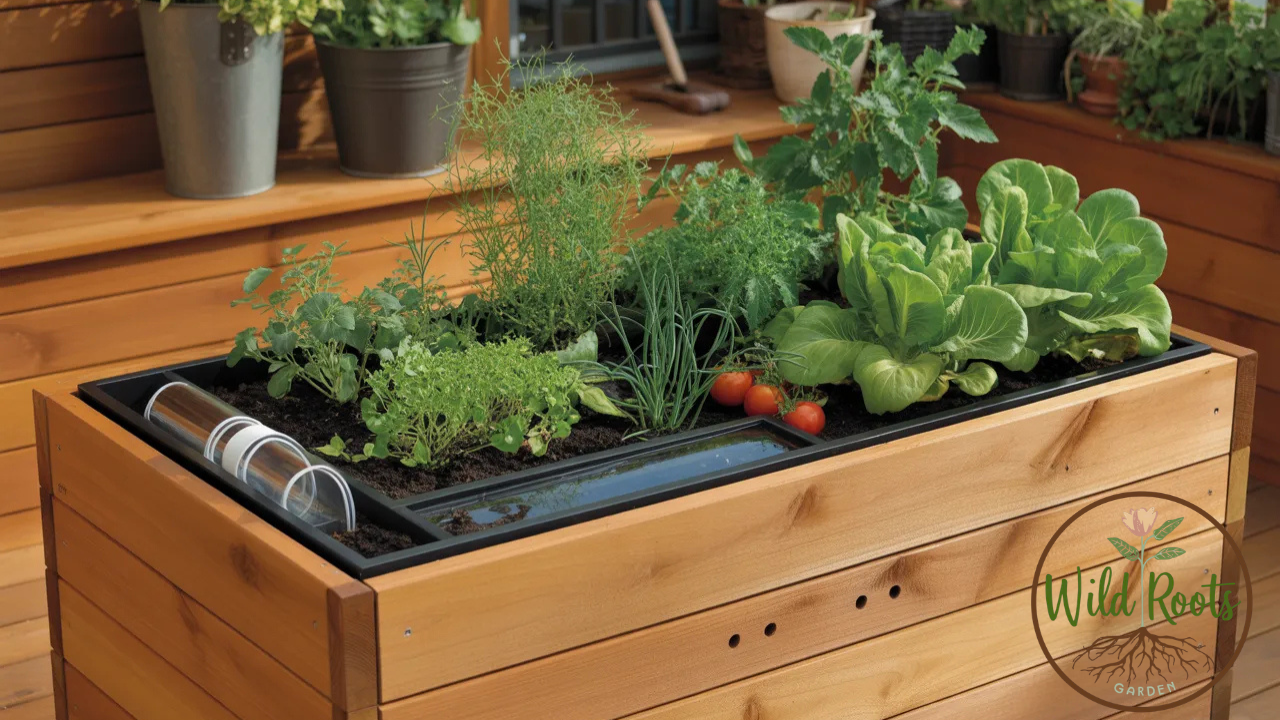
Building a self-watering bed is a satisfying weekend project. Here’s how to do it, with tips from experienced gardeners.
Materials You Will Need:
-
A Raised Bed Frame: You can build one from untreated lumber (cedar is ideal for its rot-resistance), buy a galvanized steel bed, or even repurpose a large, sturdy container like a stock tank or IBC tote .
-
Pond Liner or Heavy-Duty Plastic Sheeting: This will create your waterproof reservoir .
-
PVC Pipe: A 2-3 foot length of 2-3 inch diameter pipe for your fill tube and overflow drain .
-
Perforated Drain Pipe or Gravel: For creating the water reservoir layer. Scoria (a porous volcanic rock) or pea gravel are excellent choices .
-
Landscape Fabric: To separate the soil from the reservoir .
-
High-Quality Soil Mix: Use a mix of loam, compost, and a moisture-retentive element like peat moss or coco coir. Avoid garden soil, which can be too heavy and compacted .
-
Tools: Drill, saw, measuring tape, staple gun, and a level.
Step 1: Build and Level Your Frame
Place your empty raised bed frame in its final, sunny location. This is crucial, as it will be incredibly heavy once filled. Use a level to ensure the bed sits flat. If the ground is uneven, the wicking action won’t work properly .
Step 2: Install the Liner and Reservoir
Line the bottom and sides of the bed with your pond liner or plastic sheeting. Staple it securely to the top edges. This creates a watertight basin.
Next, create the water reservoir. You have two excellent options:
-
Gravel Reservoir: Fill the bottom 6-12 inches of the lined bed with scoria or pea gravel. This creates a void space for water to collect .
-
Pipe Reservoir: Lay perforated drainage pipe across the bottom, covering it with a layer of gravel. This can be more efficient for water distribution .
Step 3: Install the Fill Tube and Overflow
-
Fill Tube: Cut a piece of PVC pipe long enough to reach from just above the top of your soil down into the reservoir. Drill a few small holes in the bottom section of the pipe that will sit in the reservoir. Place it in a corner and secure it.
-
Overflow Drain: At the top edge of your reservoir layer, drill a hole through the side of the bed and the liner. Insert a short piece of PVC pipe into the hole. This will allow any excess water to escape, preventing your plants from getting waterlogged .
Step 4: Cover with Landscape Fabric
Lay a piece of landscape fabric over your entire reservoir layer (gravel or pipes). Cut a slit for your fill tube. This fabric is essential for keeping your soil from washing down and clogging the reservoir .
Step 5: Fill with Soil
Fill the rest of the bed with your high-quality soil mix. A great recipe is 50% high-quality potting mix, 25% good compost, and 25% vermiculite or perlite to aid in wicking . Lightly water the soil as you go to help it settle, but don’t fill the reservoir yet.
Step 6: Plant and Fill the Reservoir
Plant your seedlings or seeds. Water them in gently from the top for the first time to settle the soil around the roots . Then, use a hose to fill the PVC tube. Water will flow into the reservoir. Once water begins to trickle out of your overflow pipe, the reservoir is full, and you can stop .
Choosing the Right Plants and Avoiding Common Mistakes
A self-watering bed is ideal for many plants, but it’s not for everything.
What to Plant:
-
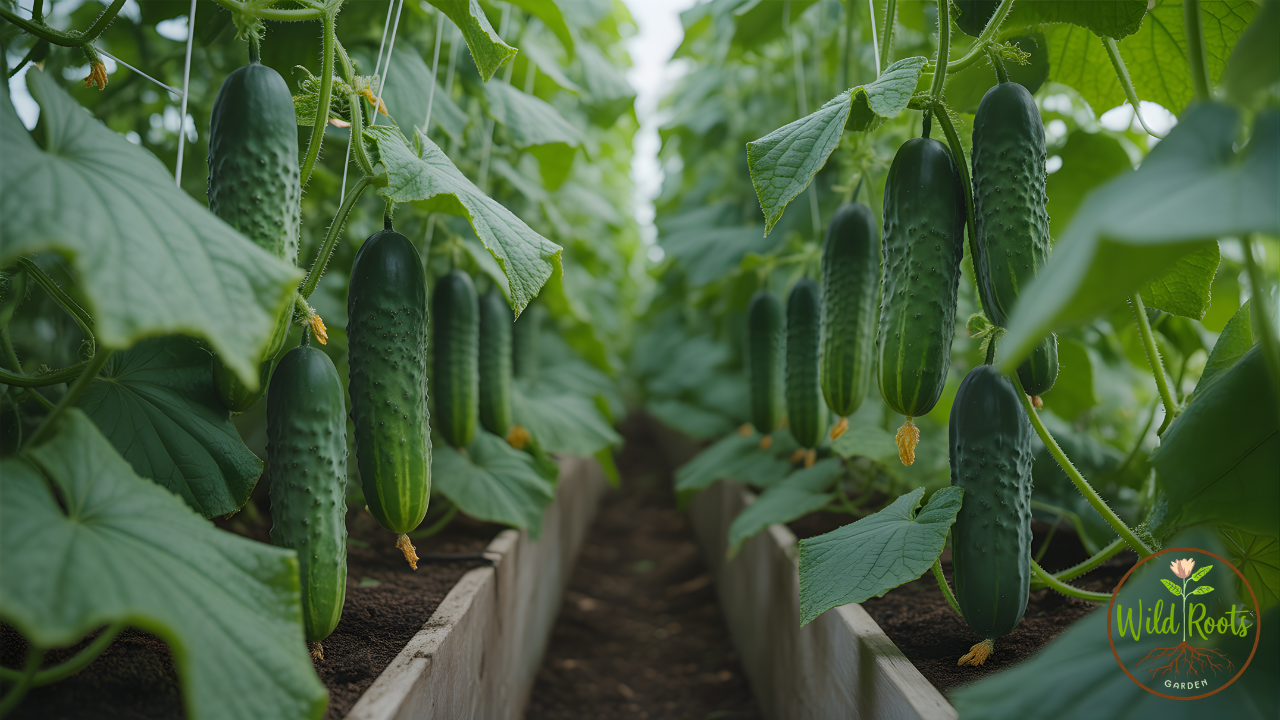
Thirsty Veggies: Tomatoes, lettuce, spinach, kale, cucumbers, and peppers thrive with consistent moisture .
-
Fruiting Plants: Strawberries and other berries do exceptionally well.
-
Herbs: Basil, mint, parsley, and chives love it.
What to Avoid:
-
Drought-Loving Plants: Herbs like rosemary, lavender, and thyme prefer drier soil and are better suited to a regular pot .
-
Root Crops: Carrots and potatoes can sometimes struggle, as consistently moist soil can lead to rot or poor shape .
Maintenance for Long-Term Success
Maintaining your self-watering bed is minimal:
-
Refill the Reservoir: Check the water level in the fill tube weekly. In the heat of summer, you may need to refill every few days .
-
Top-Dress with Compost: Each season, add a fresh layer of compost to the top of the bed to replenish nutrients .
-
Use Mulch: A layer of straw, wood chips, or sugar cane mulch on the soil surface will further reduce evaporation and suppress any remaining weeds .
Conclusion: Your Path to a Low-Maintenance, High-Yield Garden
Building a self-watering raised garden bed is one of the most rewarding DIY projects a gardener can undertake. It combines the benefits of raised bed gardening with an efficient, water-wise irrigation system that puts the health of your plants first. By following this guide, you’re not just building a planter; you’re creating a self-sustaining ecosystem that will provide you with a bountiful harvest with significantly less effort and water.
So, gather your materials, pick a sunny spot, and get ready to enjoy your most successful and relaxing gardening season yet.
Frequently Asked Questions (FAQs)
Q: How often do I need to refill the water reservoir?
A: This depends on the weather and the plants. In hot, dry weather, you might need to refill every 2-3 days. In cooler weather, it could be once a week or less. Using the fill tube to monitor the water level is the best practice .
Q: Can I convert my existing raised bed to a self-watering system?
A: Yes, but it’s more challenging. It’s much easier to build a new bed with the system integrated from the start. For an existing bed, you might consider installing ollas (buried clay pots) as a self-watering alternative .
Q: Do I need to add fertilizer?
A: Yes. Because you water from below, top-dressing with compost or using a liquid fertilizer in the reservoir (following product instructions) is a great way to feed your plants