Discover the clever capillary action that keeps your plants perfectly hydrated—without daily watering.
Imagine a garden that thrives while you’re on vacation. A raised bed that waters itself, using just a fraction of the water of traditional gardening methods. This isn’t futuristic technology—it’s the simple, elegant science of self-watering raised garden beds, also known as wicking beds.
If you’ve ever wondered how these ingenious systems work, whether they’re worth the investment, and how they manage to keep plants healthy with minimal effort, you’re in the right place. Let’s dive deep into the mechanics, benefits, and real-world applications of self-watering gardens.
What Exactly Is a Self-Watering Raised Garden Bed?
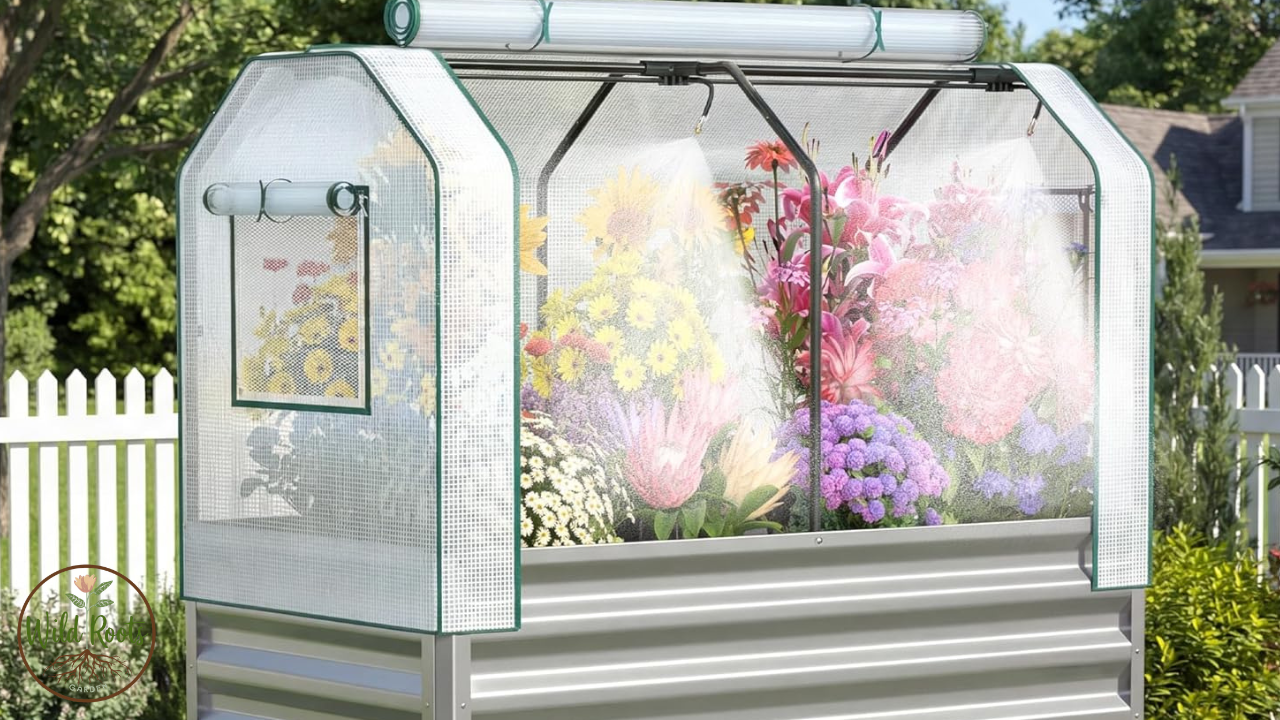
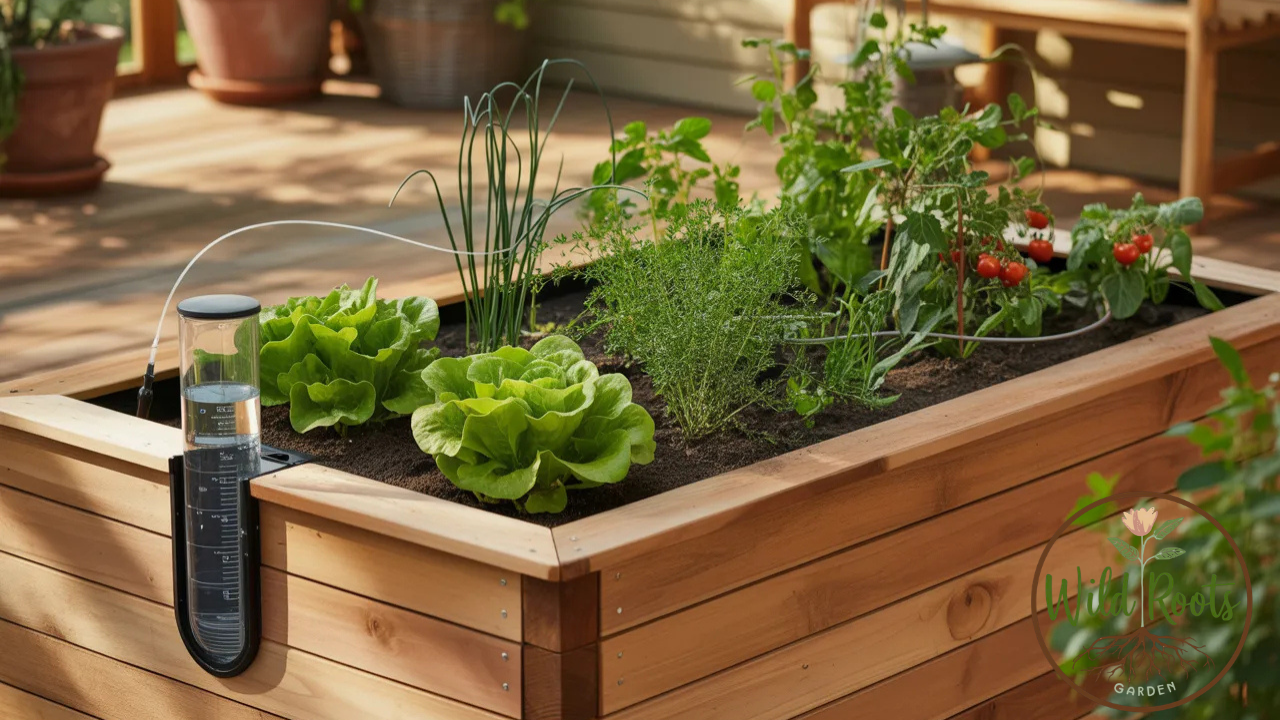
At its core, a self-watering raised bed is a planter with a built-in water reservoir at the bottom. Instead of watering from the top—where much of the water is lost to evaporation or runoff—these beds deliver moisture directly to plant roots from below .
Think of it as a giant self-watering pot for your vegetables, herbs, and flowers. The plants draw up water as needed, creating a continuous, stress-free hydration cycle .
The concept goes by several names:
-
Wicking beds (the most common technical term)
-
Sub-irrigated planters (SIPs)
-
Self-watering raised beds
All refer to the same fundamental principle: watering plants from below using a reservoir system.
The Science: How Capillary Action Makes It Work
The magic behind self-watering beds is a natural phenomenon called capillary action—the same force that allows a paper towel to soak up a spilled drink or a candle wick to draw melted wax .
Here’s how it works in a garden bed:
1. The Water Reservoir
The bottom portion of the bed is sealed with a liner, creating a waterproof basin that holds water. This reservoir is typically filled with scoria (volcanic rock) or gravel, which creates void spaces for water storage while providing structural support .
2. The Separation Layer
A layer of geotextile fabric or shade cloth sits between the reservoir and the soil above. This fabric allows water to move upward while preventing soil from washing down into the reservoir .
3. The Wicking Action
When the soil above begins to dry out, it naturally pulls (or “wicks”) moisture up from the reservoir below. This happens because water molecules are attracted to each other and to the surfaces of soil particles—they climb upward through the soil profile like water moving through a sponge .
4. The Fill Tube and Overflow
A vertical PVC pipe extends from the soil surface down into the reservoir, providing a convenient “watering port.” An overflow drain at the reservoir’s top edge prevents overfilling—when water begins to trickle out, you know the reservoir is full .
The Result: Perfect Hydration, Every Time
The system creates a self-regulating cycle:
-
Soil dries out → Capillary action pulls water upward → Plant roots absorb moisture → Soil dries out again
This continuous process means plants never experience the stress of drought or drowning. They receive exactly what they need, when they need it .
Key Components of a Self-Watering Raised Bed
Whether you buy a pre-made system or build your own, all self-watering beds share these essential elements:
| Component | Purpose | Common Materials |
|---|---|---|
| Water Reservoir | Stores water for plants to draw from | Scoria, gravel, or perforated pipe system |
| Waterproof Liner | Prevents water from leaking out | Pond liner, heavy-duty plastic sheeting |
| Growing Medium | Wicks water upward and supports plant roots | High-organic-matter soil mix |
| Separation Fabric | Keeps soil out of the reservoir | Geotextile fabric, shade cloth |
| Fill Tube | Allows easy reservoir refilling | PVC pipe (2-3 inch diameter) |
| Overflow Drain | Prevents overwatering and root rot | Small PVC pipe at reservoir height |
Why Gardeners Love Self-Watering Beds: Real Benefits
1. Unbelievable Water Efficiency
Self-watering beds can reduce water usage by up to 50-70% compared to traditional gardening . Because water is delivered directly to the root zone, there’s virtually no loss from evaporation or runoff.
2. Less Time Spent Watering
Once established, these beds only need reservoir refills every few days to once a week—even during hot summer months . Some high-quality commercial systems claim to self-water for up to three weeks without intervention .
3. Healthier, More Resilient Plants
By encouraging roots to grow downward toward the moisture source, plants develop deep, robust root systems that make them stronger and more drought-tolerant . The consistent moisture also reduces common problems like blossom-end rot in tomatoes .
4. Fewer Weeds
The top layer of soil remains relatively dry in a wicking bed. Since most weed seeds need surface moisture to germinate, you’ll spend significantly less time weeding .
5. Nutrient Efficiency
Unlike traditional watering where nutrients can leach out the bottom, any fertilizer applied in a self-watering bed stays contained within the system. Liquid fertilizers added to the reservoir are absorbed directly by the roots .
6. Perfect for Patios and Hard Surfaces
Because self-watering beds have a sealed base, they can sit on concrete, paving, or balconies—anywhere a traditional in-ground garden isn’t possible .
7. Accessibility
Elevated self-watering beds bring gardening to waist height, making them ideal for older gardeners, people with back problems, or anyone who prefers no-bend gardening .
Types of Self-Watering Systems: Commercial vs. DIY
Commercial Self-Watering Beds
Ready-made systems are increasingly popular and come in various designs:
-
Vegepod: A complete system with a wicking base and protective mesh cover. The reservoir can keep plants watered for up to three weeks .
-
Vego Wicking Cells: Modular 3.5-inch tall reservoir units that retrofit into standard raised beds, allowing placement on patios and balconies .
-
Gardener’s Supply Elevated Planter: A cedar planter with 10 gallons of self-watering capacity from two connected reservoirs .
-
VEVOR with Irrigation: Some modern systems include automated spray nozzles and timers for overhead watering in addition to sub-irrigation .
DIY Wicking Beds
For the hands-on gardener, building your own is remarkably achievable:
-
IBC Tote Conversion: Cut a 275-gallon food-grade IBC tote in half to create two large wicking beds .
-
55-Gallon Barrel: Drill drainage holes, add a fill tube, and layer with gravel and fabric for a compact, portable system .
-
Timber Frame: Build a raised frame from untreated lumber (cedar is ideal), line with pond liner, and add reservoir materials .
Pro Tip: Always level your wicking bed before filling. If the bed sits at an angle, water won’t distribute evenly throughout the soil .
Common Questions About Self-Watering Beds
Do I still need to water from the top?
Generally, no. Once the reservoir is filled and the system is established, plants receive all the moisture they need from below. The only exception is the initial watering after planting to settle the soil around roots .
What kind of soil should I use?
High-quality soil rich in organic matter is crucial for effective wicking . A mix of potting soil, compost, and vermiculite or perlite works best. Avoid heavy garden soil, which can compact and impede wicking.
Can I use a self-watering bed for any plant?
These beds excel with thirsty vegetables and fruits like tomatoes, lettuce, kale, cucumbers, strawberries, and peppers . Drought-loving herbs like rosemary and lavender prefer drier conditions and are better suited to regular pots.
How deep should the reservoir be?
A good rule of thumb is the reservoir should be about one-third the total depth of the container. However, the soil layer needs to be deep enough (typically 8-12 inches) to support vegetable roots, and not so deep that capillary action can’t pull water to the top .
Will the roots rot?
No—when properly designed with an overflow drain, the reservoir maintains the correct water level and prevents waterlogging . The separation between soil and water ensures roots access moisture without sitting in standing water.
Real-World Applications: From Urban Patios to Remote Communities
Self-watering technology isn’t just for hobbyists. Organizations like Australia’s Centre for Appropriate Technology (CfAT) have developed wicking beds specifically for remote Indigenous communities in arid central Australia .
These beds enable families to:
-
Grow fresh vegetables in harsh desert conditions
-
Leave for week-long trips without gardens dying
-
Garden comfortably at waist height (important for elderly residents)
-
Conserve precious water in drought-prone areas
This demonstrates how self-watering technology isn’t just convenient—it can be life-changing for food security in challenging environments .
More Read Top 10 Best Raised Garden Bed With Self Watering System
Final Thoughts: Is a Self-Watering Bed Right for You?
If you value your time, care about water conservation, and want healthier, more productive plants, a self-watering raised garden bed is one of the best investments you can make.
Whether you choose a ready-made system from Costco or Wayfair that assembles in minutes , or you enjoy the satisfaction of building your own wicking bed from recycled materials , the underlying science remains the same: capillary action, working with nature to do the work for you.
The result? More time enjoying your garden, less time watering it. And that’s a win for any gardener.
Frequently Asked Questions
Q: How often do I need to refill the reservoir?
A: In summer, every few days; in cooler weather, weekly or even every two weeks .
Q: Can I convert my existing raised bed to self-watering?
A: Yes, using retrofit kits like Vego’s wicking cells or installing an ollas (clay pot) system .
Q: Do self-watering beds work in cold climates?
A: Yes, but you must winterize them—drain the reservoir before freezing temperatures to prevent damage.
Q: What about mosquitoes in the reservoir?
A: Proper design includes a sealed reservoir with only a fill tube opening. Mosquito dunks (Bt israelensis) can be added if needed.