Many gardeners find that learning how to grow celery from seed can feel a little tricky at first. Celery seeds are tiny, and they like specific conditions to get started. It might seem like a challenge to get those first little plants going.
But don’t worry! This guide will walk you through it step-by-step. We’ll make growing your own crisp celery simple and rewarding.
Get ready to enjoy fresh celery right from your garden!
Getting Started With Celery Seeds
Growing celery from seed is a rewarding process. You get to watch the whole plant develop. It’s also very cost-effective compared to buying starter plants. Celery is a cool-season vegetable. This means it grows best when the weather is not too hot.
When to Start Celery Seeds
Celery needs a long growing season. You should start your celery seeds indoors. Do this about 8 to 10 weeks before your last expected frost date. This gives the plants a good head start before they go outside.
Celery Seed Starting Mix
Use a good quality seed-starting mix. This mix is light and drains well. It helps prevent the tiny seeds from getting too wet. You can find these mixes at most garden centers.
Sowing Your Celery Seeds
Celery seeds need light to germinate. So, do not cover them with soil. Sprinkle the seeds thinly on the surface of your moist seed-starting mix. Gently press them down so they make good contact with the soil.
Container Choice
You can use small pots, seed trays, or even old yogurt cups with drainage holes. Just make sure whatever you use has holes at the bottom so excess water can drain away. This is very important to keep the soil from becoming waterlogged.
Watering the Seeds
After sowing, mist the surface lightly with water. You want the soil to be consistently moist, but not soggy. A spray bottle works best for this. This prevents disturbing the tiny seeds.
Providing Warmth and Light
Celery seeds need warmth to sprout. A good temperature is around 70°F (21°C). You can use a heat mat if your home is cool. Once you see seedlings, they need plenty of light. A sunny windowsill might not be enough. Use grow lights, keeping them just a few inches above the seedlings.
Caring for Young Celery Seedlings
Once your celery seeds sprout, they need ongoing care. This is where most beginners can get into trouble. Too much or too little water can be a problem.
Watering Seedlings
Keep the soil moist. Check it daily. If the top layer looks dry, mist it again. Avoid letting the soil dry out completely. Also, avoid drowning them.
Light Requirements
Young celery plants need at least 12-16 hours of light each day. If you are using grow lights, they should be on for this duration. If you are using a windowsill, turn the trays daily so all sides get light.
Thinning Seedlings
Celery seeds are often sown densely. You will likely have many seedlings. Once they have a couple of sets of true leaves, you need to thin them. This means removing some of the weaker seedlings. This gives the remaining plants more space to grow strong. You can snip them off at the soil line with small scissors. Aim for about 2-3 inches between plants.
Fertilizing Young Plants
About 2-3 weeks after thinning, you can start to fertilize. Use a diluted liquid fertilizer. A balanced, all-purpose liquid feed is fine. Follow the instructions on the package, but use a weaker solution for young plants. Fertilize every 2-3 weeks.
Transplanting Celery Seedlings
After several weeks indoors, your celery seedlings will be ready to move. This is a big step in learning how to grow celery from seed successfully.
Hardening Off
Before planting them outside, you must harden them off. This process gets them used to outdoor conditions. Start by placing them in a sheltered spot outside for a few hours each day. Gradually increase the time they spend outdoors over a week or two. Bring them in at night if temperatures drop significantly.
When to Transplant Outdoors
Wait until all danger of frost has passed. Your seedlings should also be strong and healthy. The soil outside should be workable.
Preparing the Garden Bed
Celery loves rich, moist soil. Amend your garden bed with plenty of compost. This will help retain moisture and provide nutrients. The soil pH should be slightly acidic to neutral, between 6.0 and 7.0.
Transplanting Process
Dig holes slightly larger than the seedling’s root ball. Gently remove the seedling from its container. Place it in the hole, making sure the top of the root ball is even with the soil surface. You can plant celery deeper than other plants. This helps blanch the stalks. Plant them about 8-12 inches apart. Water them well after transplanting.
Growing Celery in the Garden
Once your celery is in the ground, the main work is keeping it watered and fed. Celery needs consistent moisture to grow plump stalks.
Watering Needs
Celery needs a lot of water. Aim for at least 1-2 inches of water per week. This is especially true during dry spells. Water deeply at the base of the plant. Avoid getting water on the leaves, as this can lead to disease. Mulching around the plants can help keep the soil moist.
Fertilizing in the Garden
Continue to fertilize your celery plants. Use a balanced liquid fertilizer every 2-3 weeks. Make sure the soil has good nutrients. Celery is a heavy feeder.
Pest and Disease Control
Watch out for common garden pests like aphids and slugs. Slugs love celery. Use slug bait or beer traps. For aphids, a strong spray of water can often dislodge them. Ensure good air circulation to help prevent fungal diseases.
Harvesting Your Celery
The anticipation builds as your celery plants grow tall and stalky. Knowing when and how to harvest is key to enjoying your harvest.
When to Harvest
Celery can be harvested when the stalks are a good size. This is usually about 3 to 4 feet tall. It typically takes 90 to 120 days from seed to harvest. You can start harvesting in late summer or fall.
Harvesting Methods
There are two main ways to harvest celery.
- Individual Stalks: You can snap off outer stalks as needed. This allows the plant to continue producing from the center. This method lets you harvest over a longer period.
- Whole Plant: You can cut the entire plant at the base. This is a good option if you want a large harvest at once.
Blanching Celery (Optional)
Some gardeners like to blanch their celery. This makes the stalks lighter in color and milder in flavor. To do this, tie the outer leaves together and then bank soil or cardboard around the base of the stalks. Do this a few weeks before harvesting.
Common Problems When Growing Celery
Even with the best care, you might encounter a few issues. Understanding these can help you solve them.
Bolting
Celery can bolt if stressed by heat or inconsistent watering. This means it sends up a flower stalk. It’s best to harvest it before it bolts.
Hollow Stalks
Hollow stalks are often a sign of inconsistent watering or nutrient deficiency. Ensure the plant gets even moisture and regular feeding.
Poor Growth
If your celery isn’t growing well, check the soil fertility. It might need more compost or fertilizer. Also, ensure it’s getting enough water.
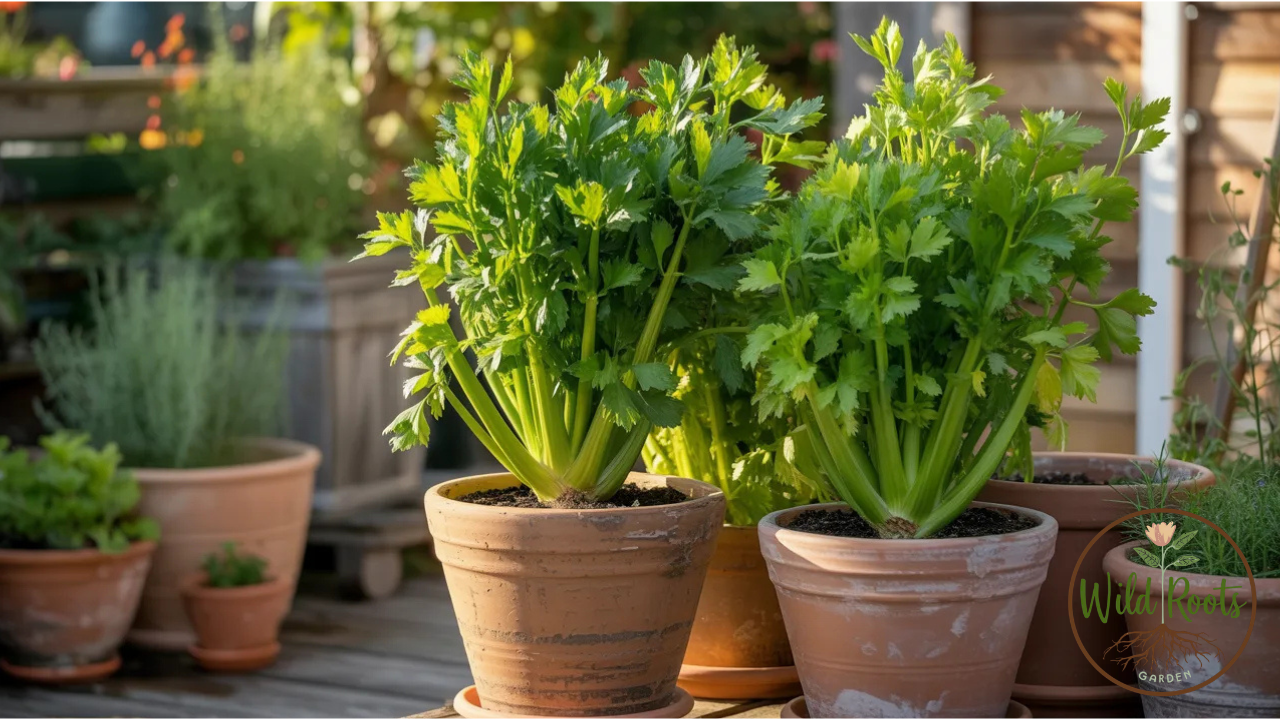
Growing Celery in Containers
If you don’t have a garden bed, you can still learn how to grow celery from seed in containers.
Container Size
Choose large containers, at least 12 inches deep and wide. Celery has a good root system.
Soil and Watering
Use a good potting mix. Keep the soil consistently moist. Container plants dry out faster than garden plants.
Fertilizing
Container plants will need more frequent fertilizing. Feed them with a liquid fertilizer every 2-3 weeks.
Growing Celery in Different Climates
Celery prefers cool weather. In very hot climates, it can be challenging to grow.
Hot Climates
In hot areas, plant celery in the fall or winter. You can also grow it in partial shade. Mulching heavily can help keep the soil cool.
Cool Climates
In cooler climates, start seeds early indoors. You can extend the harvest by protecting plants from early frosts.
Frequently Asked Questions
Question: How long does it take to grow celery from seed to harvest
Answer: It typically takes about 90 to 120 days from the time you sow the seeds until the celery is ready to harvest. This can vary depending on the variety and growing conditions.
Question: Why are my celery seedlings so thin and leggy
Answer: Leggy seedlings usually mean they are not getting enough light. Try moving them closer to your grow lights or to a sunnier window. Also, ensure they are not too warm.
Question: Can I grow celery from store-bought celery stalks
Answer: You can try to grow new plants from the base of store-bought celery stalks, but it’s not the same as growing from seed. The stalks you buy are usually treated to prevent regrowth, and the quality of the new growth might be poor.
Question: What is blanching celery
Answer: Blanching celery involves covering the lower parts of the stalks for a few weeks before harvest. This can make them lighter in color and milder in taste. You can use soil, cardboard, or special paper to do this.
Question: How often should I water celery
Answer: Celery needs consistent moisture. Aim to water it deeply at least once or twice a week, or more if the weather is very hot and dry. The soil should feel damp to the touch.
Final Thoughts
Learning how to grow celery from seed is an achievable goal for any gardener. With patience and consistent care, you can enjoy your own fresh, crisp celery. Start your seeds indoors, provide them with light and water, and transplant them carefully when ready. Keep them watered and fed in the garden. Soon you will have delicious celery to enjoy in salads and recipes. Happy gardening!