Many folks think growing celery is tricky, especially when you live somewhere warm like Texas. But guess what? You can absolutely have fresh celery right at home, even in pots outdoors.
It might seem a little hard at first, but we’ll walk through it step by step. We’ll cover everything you need to know about Growing celery in pots outdoors in texas so you can enjoy your own crunchy stalks. Let’s get started!
Celery Gardening Made Simple
Growing your own food can be super rewarding. Celery is one of those plants that many people enjoy having fresh from the garden. If you’re in Texas, the warm weather might make you wonder if it’s even possible.
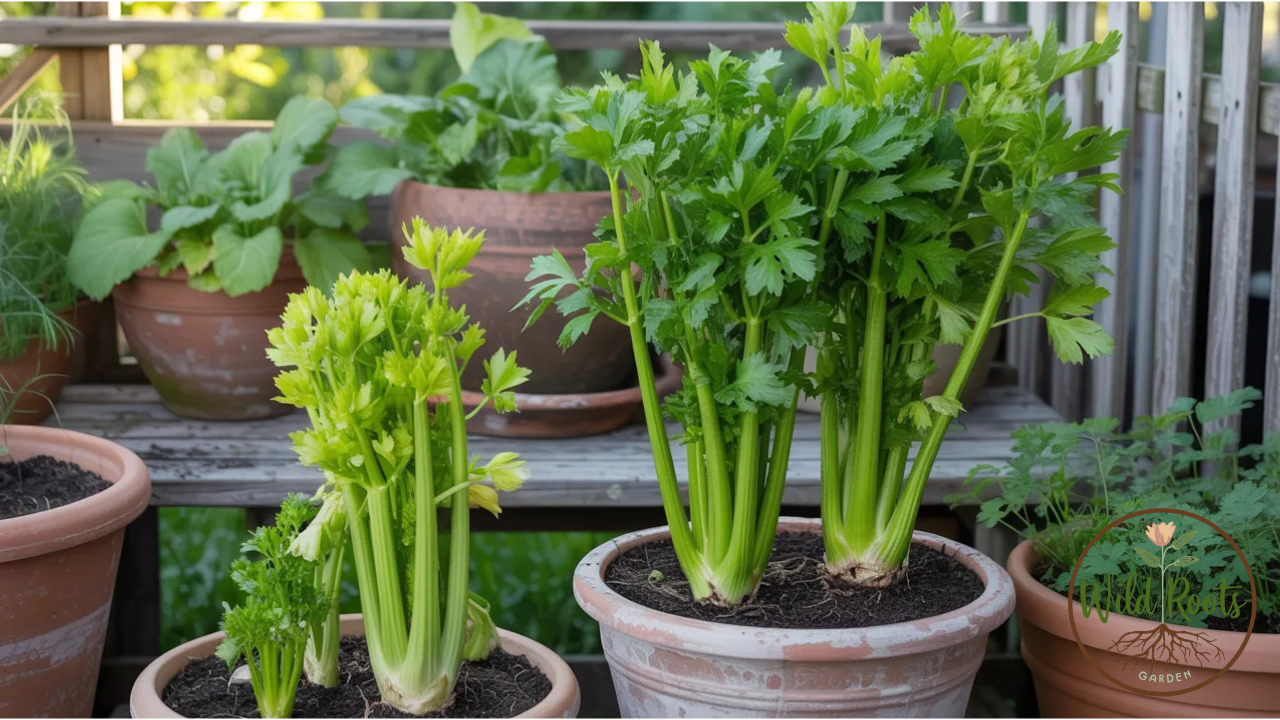
The good news is, with a few smart tips, you can grow this cool-season veggie successfully in containers. It’s all about picking the right spot, the right pot, and giving your celery what it needs to thrive. Forget complicated gardening; this is about making it easy for you to get great results.
Why Pots For Celery In Texas
Texas weather can be tough on plants. Summers are hot, and winters can still get a bit chilly. Growing celery in pots offers a fantastic way to manage these conditions.
Pots let you move your plants around to catch the best light and avoid the harshest sun. This is a big help when you’re trying to grow something that likes it a bit cooler. Plus, pots are perfect if you don’t have a big garden bed or if your soil isn’t ideal.
You can control the soil quality right inside the pot, giving your celery the best start possible.
Choosing The Right Pot
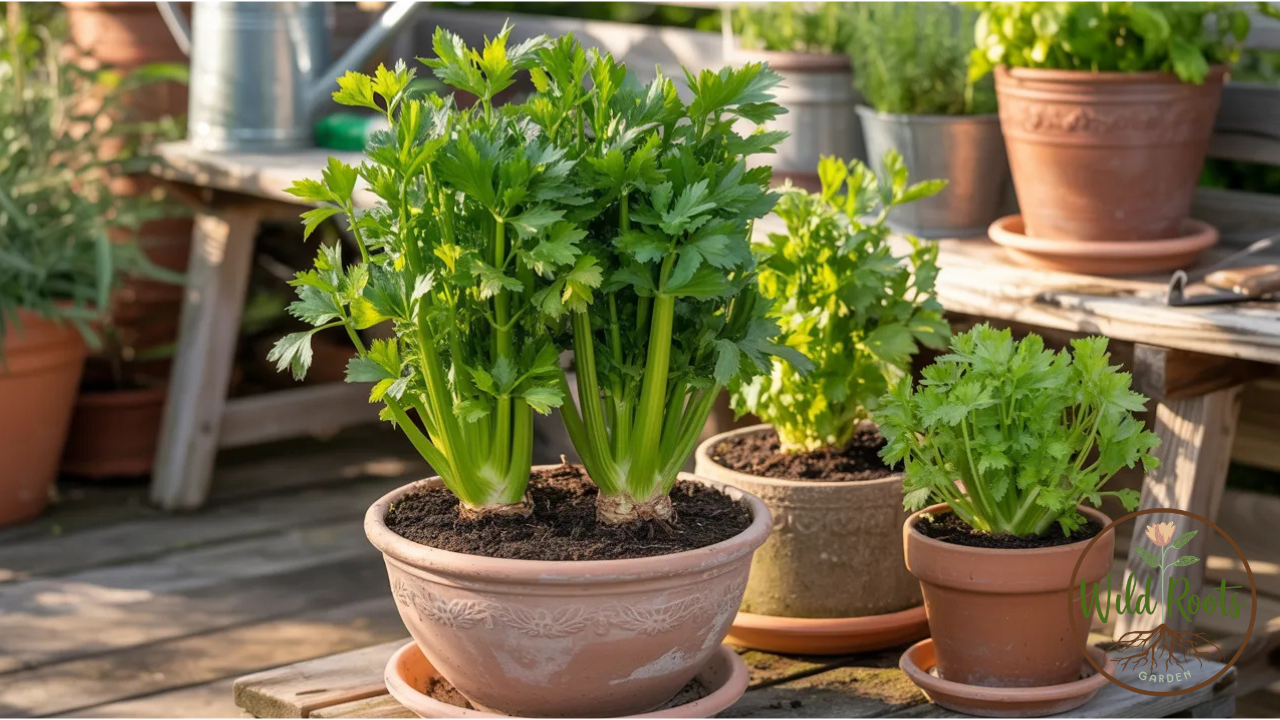
The size of your pot matters a lot for celery. Celery has a fairly deep root system. You’ll want pots that are at least 8 to 10 inches deep.
Bigger is even better, maybe 12 inches deep or more. This gives the roots plenty of room to grow and helps keep the soil moist. Celery also likes consistent moisture.
A larger pot holds more soil, which means it won’t dry out as quickly. Make sure your pots have drainage holes. This is super important to stop water from sitting and rotting the roots.
Terra cotta pots breathe well, which can be good, but they also dry out faster. Plastic pots hold moisture longer, which can be a plus in hot Texas weather. Consider what works best for your watering habits and the Texas climate.
Best Soil For Potted Celery
Good soil is like good food for your plants. For celery in pots, you need a mix that drains well but also holds some moisture. A good quality potting mix is your best friend here.
Avoid using plain garden soil in pots, as it can get too compacted. You can improve a standard potting mix by adding some compost. Compost adds nutrients and helps with soil structure.
A good mix might be about 70% potting mix and 30% compost. This gives your celery the nutrients it needs and ensures the roots get enough air and water. You want a dark, crumbly soil that feels good in your hands and doesn’t have big clumps.
Planting Your Celery
You can start celery from seeds or buy small plants from a nursery. If you’re starting from seed, it’s best to start them indoors a few weeks before you plan to plant them outside. Texas has a long growing season, so you can plant celery in early spring or fall.
When planting small plants, dig a hole in your pot that’s big enough for the root ball. Gently place the plant in the hole and fill in around it with your potting mix. Make sure the top of the root ball is level with the soil surface.
You can plant them about 6 to 8 inches apart in the same pot if the pot is large enough, giving each plant enough space to grow. Water them well after planting.
Watering Needs
Celery loves water. It’s made up of a lot of water, so it needs consistent moisture to grow well. In Texas, this can be a challenge, especially in the heat.
Check your pots daily. Stick your finger about an inch into the soil. If it feels dry, it’s time to water.
You want the soil to be damp, but not soggy. Overwatering can lead to root rot, and underwatering can make the stalks tough and stringy. A good watering will soak the soil all the way through.
You might need to water more often when it’s really hot or windy. Mulching the top of the soil with a layer of straw or shredded bark can help keep the moisture in and the soil cool.
Sunlight Requirements
Celery prefers cooler weather, so it likes a spot that gets plenty of sun but not the scorching afternoon sun of a Texas summer. Aim for a location that gets about 6 to 8 hours of sunlight per day. In spring and fall, full sun is usually fine.
But as the Texas heat picks up, it’s a good idea to move your potted celery to a spot that gets morning sun and afternoon shade. A porch or patio that faces east or north is often ideal. This protection from the harshest rays will help prevent the plant from bolting (going to seed) and keep the stalks tender and flavorful.
Observing your plant is key; if the leaves start to look wilted or bleached, it might be getting too much sun.
Feeding Your Celery
Since you’re growing in pots, your celery will need regular feeding. The nutrients in the potting mix will get used up over time. Start feeding your celery about a month after planting.
Use a balanced liquid fertilizer, like a 10-10-10, every two to three weeks. Dilute it according to the package directions. You can also use a compost tea for a more natural boost.
Compost tea is made by soaking compost in water, which releases beneficial microbes and nutrients. Make sure not to over-fertilize, as this can harm the plant. Healthy, vibrant green leaves are a good sign your celery is getting enough to eat.
Yellowing leaves can indicate a need for more nutrients.
Dealing With Pests And Diseases
Like any plant, celery can sometimes attract pests. Common culprits include aphids, slugs, and celery worms. Check your plants regularly for any signs of trouble.
For aphids, a strong spray of water can often wash them off. If that doesn’t work, you can use insecticidal soap. For celery worms, the best approach is to pick them off by hand.
You can also use organic pest control options. Keeping the area around your pots clean helps prevent pests and diseases. Good air circulation is also important.
Avoid planting too densely. If you notice any signs of disease, like spots on the leaves, remove the affected parts promptly and consider using a fungicide if necessary.
Harvesting Your Celery
You can start harvesting celery when the stalks are about 6 to 8 inches tall. For a continuous harvest, you can pick outer stalks as you need them. Gently snap or cut the outer stalks near the base of the plant.
This allows the inner stalks to continue growing. If you want to harvest the whole plant, wait until it’s fully mature. You can cut the entire stalk at the base.
Some people like to blanch celery to make it more tender and less bitter. This involves covering the lower stalks with soil or cardboard as they grow. However, for home gardeners growing in pots, this step is often skipped and the celery is still delicious.
Enjoy the fruits of your labor!
Companion Planting
Some plants can actually help your celery grow better. Planting herbs like dill, rosemary, or thyme nearby can help deter pests. Beans and onions are also good companions.
They can help improve the soil and keep certain bugs away. Avoid planting celery with corn or parsley, as these can attract similar pests or compete for nutrients. Companion planting is a natural way to boost your garden’s health without using chemicals.
It’s like giving your celery a helpful neighbor to keep things safe and sound. Just remember that even with companion plants, you still need to give your celery its own space to grow and thrive in its pot.
Tips for Texas Weather
Texas heat is no joke! For growing celery in pots outdoors in Texas, timing is key. Plant your celery in early spring, giving it time to grow before the intense summer heat arrives.
You can also plant a fall crop. As the summer heat gets severe, provide some shade. A shade cloth can be a lifesaver for your celery.
Ensure you’re watering consistently; potted plants dry out much faster in the heat. If you’re using self-watering pots, make sure they are functioning properly and filled. Mulching is also incredibly important in Texas to keep the soil cooler and retain moisture.
Watch for signs of stress, like wilting or yellowing leaves, and adjust your care accordingly.
Frequently Asked Questions
Question: How often should I water celery in pots in Texas?
Answer: Check the soil daily by sticking your finger about an inch down. If it feels dry, water thoroughly until water drains from the bottom. In hot Texas weather, you might need to water every day.
Question: Can celery grow in full sun in Texas?
Answer: While celery needs sun, the intense Texas afternoon sun can be too much, especially in summer. Aim for morning sun and afternoon shade, or use a shade cloth during the hottest parts of the day.
Question: What kind of fertilizer is best for potted celery?
Answer: Use a balanced liquid fertilizer, like a 10-10-10, every two to three weeks, diluted according to package directions. Compost or compost tea can also provide great nutrients.
Question: How big do pots need to be for celery?
Answer: Celery needs deep roots, so choose pots that are at least 8 to 10 inches deep, and preferably 12 inches or more. Good drainage is essential.
Question: When is the best time to plant celery in Texas?
Answer: You can plant celery in early spring for a spring harvest, or in late summer/early fall for a fall and winter harvest. This helps it avoid the most extreme heat.
Final Thoughts
You can absolutely grow delicious celery in pots right here in Texas. By picking the right pot, using good soil, and paying attention to watering and sun, you’ll be enjoying fresh celery from your own patio. It’s simpler than you might think.
Just keep an eye on your plants, and they’ll reward you with crunchy, tasty stalks.