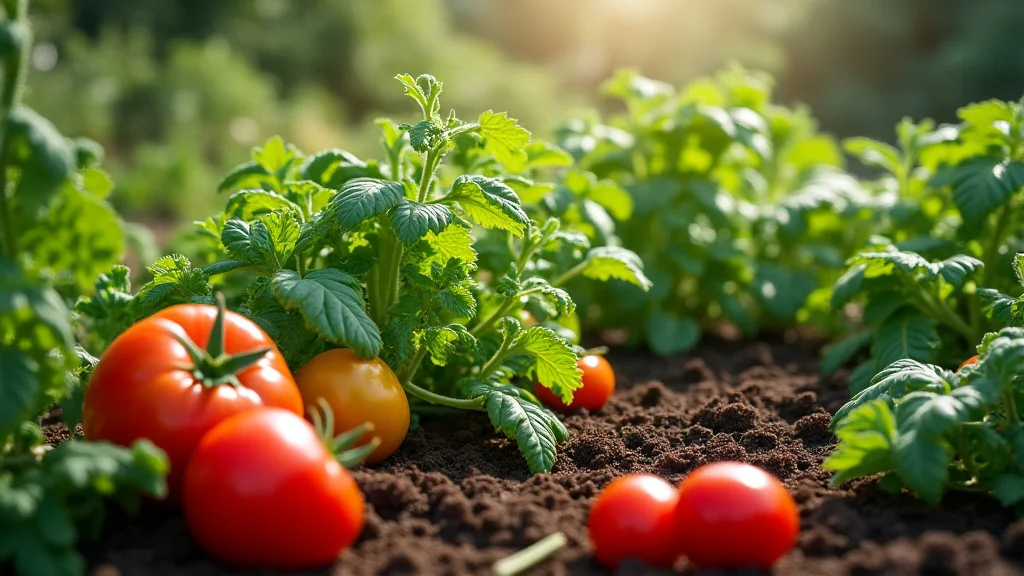
Your First Vegetable Garden Made Easy
Growing your own vegetables is a rewarding experience. Imagine picking fresh tomatoes for a salad or crisp lettuce for a sandwich. For many beginners, the thought of starting a garden can feel a little overwhelming.
They might not know where to begin or what to plant. Learning How to start a vegetable garden for beginners step by step is key to success. This guide breaks down the process into easy-to-follow steps.
You will learn everything you need to know to get your garden growing.
Choosing the Right Spot
The first big step is finding the perfect place for your garden. Most vegetables need plenty of sunshine. Aim for a spot that gets at least six to eight hours of direct sunlight each day.
More sun usually means more vegetables. Think about where the sun shines in your yard throughout the day. Also, make sure your garden spot is easy to get to.
You will want to water it and check on your plants often. Easy access makes gardening more enjoyable.
Consider accessibility for watering. A hose that can reach the garden is a big help. If your water source is far away, carrying watering cans can become a chore.
Also, think about protection. Is the area protected from strong winds? Is it safe from pets or children who might accidentally damage young plants?
A good location sets you up for a successful growing season.
Preparing Your Soil
Good soil is the foundation of a healthy garden. Vegetables need nutrient-rich soil to grow strong. Most garden soil needs a little help to be its best.
You can improve your soil by adding compost or other organic matter. Compost is like superfood for your plants. It adds nutrients and helps the soil hold moisture better.
You can buy compost at garden stores or make your own.
Clear the area of any grass, weeds, or rocks. You want a clean slate for your new plants. Loosen the soil with a shovel or tiller.
This makes it easier for plant roots to grow and for water to drain. The goal is to have soil that is crumbly and dark, not hard and dry. Healthy soil means healthy plants.
Testing Your Soil
You can get a soil test kit from a garden center or your local cooperative extension office. This test tells you what nutrients are in your soil and its pH level. pH is a measure of how acidic or alkaline your soil is.
Most vegetables prefer a slightly acidic to neutral pH, around 6.0 to 7.0. If your soil is too acidic or too alkaline, the plants might not be able to absorb nutrients properly.
The test results will give you recommendations on how to amend your soil. It might suggest adding lime to raise pH or sulfur to lower it. It will also tell you if you need to add specific nutrients like phosphorus or potassium.
This step might seem technical, but it’s very helpful for ensuring your plants have what they need.
Choosing What to Grow
Now for the fun part deciding what vegetables to plant! It’s best to start with easy-to-grow options. These plants are forgiving and tend to produce well, even for beginners.
Think about what your family likes to eat. There’s nothing more motivating than enjoying food you’ve grown yourself.
Some beginner-friendly vegetables include:
- Tomatoes
- Zucchini
- Bush beans
- Lettuce
- Radishes
- Carrots
- Peas
Consider your climate and the length of your growing season. Some plants need a long, warm season, while others grow well in cooler weather. Check the plant tags or seed packets for information about each vegetable’s needs.
Don’t try to grow too many different things in your first year. Start with a few favorites and expand as you gain confidence.
Starting from Seeds vs. Seedlings
You have two main ways to get your plants: starting from seeds or buying young plants called seedlings. Seeds are very inexpensive and offer a wide variety of plant types. However, starting from seed can take more time and attention.
Some seeds need to be sown directly in the garden, while others are best started indoors several weeks before the last frost.
Seedlings, or transplants, are young plants that have already started growing. They give you a head start and can be easier for beginners. You can buy them at garden centers.
While they cost more than seeds, they often lead to quicker results and can be less frustrating. For your first garden, using a mix of seeds for quick crops like radishes and seedlings for longer-season crops like tomatoes can be a good approach.
Planning Your Garden Layout
Think about how you will arrange your plants in the garden bed. This is your garden’s layout. You want to give each plant enough space to grow.
Overcrowding can lead to poor air circulation and disease. It also means plants compete for water and nutrients.
Consider the mature size of each plant. Tall plants, like staked tomatoes or pole beans, should be placed on the north side of the garden. This prevents them from shading shorter plants.
Leafy greens and root vegetables can be planted closer together. Row planting is common, but you can also try square foot gardening, which maximizes space in small areas.
Draw a simple plan on paper. It doesn’t have to be fancy. Just sketch out your garden bed and mark where you plan to put each type of vegetable.
This visual guide will be very helpful when you’re actually planting. It ensures you don’t forget where you put things and that everything has enough room.
Planting Your Vegetables
Once your soil is ready and you know what you want to plant and where, it’s time to get them in the ground. Read the seed packets or plant tags carefully. They will tell you how deep to plant the seeds or seedlings and how far apart they should be.
For seeds, make small holes or rows in the soil to the recommended depth. Place a few seeds in each spot. Cover them gently with soil and water them lightly.
Keep the soil consistently moist until you see sprouts emerge. For seedlings, dig a hole that is a little larger than the plant’s root ball. Gently remove the plant from its container, place it in the hole, and fill in around it with soil.
Water thoroughly after planting.
Watering Your New Garden
Water is essential for plant growth. How often you water depends on the weather, your soil type, and the types of plants you’re growing. In general, plants need about one inch of water per week.
It’s better to water deeply and less often than to water shallowly every day. Deep watering encourages roots to grow deeper into the soil, making plants more drought-tolerant.
Water in the early morning. This allows the plants to absorb water before the heat of the day. It also helps prevent diseases by allowing the foliage to dry off during the day.
Avoid watering the leaves if possible; aim to water the base of the plant. This helps reduce the risk of fungal diseases. Check the soil moisture by sticking your finger about an inch or two into the ground.
If it feels dry, it’s time to water.
Weeding and Mulching
Weeds compete with your vegetables for water, nutrients, and sunlight. They can also harbor pests and diseases. Regular weeding is an important part of garden care.
It’s easiest to pull weeds when they are small and the soil is moist. Try to remove the entire root so they don’t grow back.
Mulching is a great way to suppress weeds and conserve soil moisture. Mulch is a layer of material placed on top of the soil. Common mulches include straw, shredded bark, or compost.
Spread a layer of mulch about two to three inches thick around your plants. Be careful not to pile it right up against the stems of your plants, as this can cause rot. Mulch also helps regulate soil temperature, keeping it cooler in the summer and warmer in the fall.
Dealing with Pests and Diseases
Even the best gardens can encounter pests or diseases. The first line of defense is to keep your plants healthy. Healthy plants are more resistant to problems.
This means good soil, proper watering, and enough sunlight.
Inspect your plants regularly for any signs of trouble. Look for holes in leaves, discolored spots, or tiny insects. Many common garden pests, like aphids, can be washed off with a strong stream of water.
If you find larger pests, identify them and research safe ways to remove or deter them. For diseases, it’s often best to remove affected leaves or entire plants to prevent spreading.
There are many organic pest control methods available, such as insecticidal soap or neem oil. Avoid using harsh chemical pesticides, especially in your first garden. These can harm beneficial insects and contaminate your harvest.
Early detection and simple solutions are often the most effective.
Harvesting Your Bounty
The most exciting part of gardening is harvesting your own fresh vegetables! Knowing when to harvest depends on the vegetable. Some, like lettuce and radishes, can be harvested when they are still small.
Others, like tomatoes and peppers, need to ripen fully on the plant.
Check your seed packets or plant tags for guidance on harvest times. For many vegetables, harvesting regularly encourages the plant to produce more. For example, picking beans often will result in a longer harvest.
Don’t let vegetables get too old on the plant, as this can signal the plant to stop producing. Enjoy the fruits of your labor!
Frequently Asked Questions
Question: How much sun does a vegetable garden need
Answer: Most vegetables need at least six to eight hours of direct sunlight per day. Some, like leafy greens, can tolerate a bit less, but sunny spots are best for most crops.
Question: What is the best soil for a vegetable garden
Answer: The best soil is rich in organic matter, well-draining, and has a slightly acidic to neutral pH. Adding compost is a great way to improve most garden soils.
Question: When should I start planting my vegetables
Answer: This depends on your climate and the specific vegetables you are planting. Many gardeners use a frost date calendar to determine when it’s safe to plant warm-season crops after the last frost.
Question: How often should I water my vegetable garden
Answer: Water deeply about once a week, or more often during hot, dry weather. Check the soil by sticking your finger in it; if it feels dry a couple of inches down, it’s time to water.
Question: Can I grow vegetables in containers if I don’t have a yard
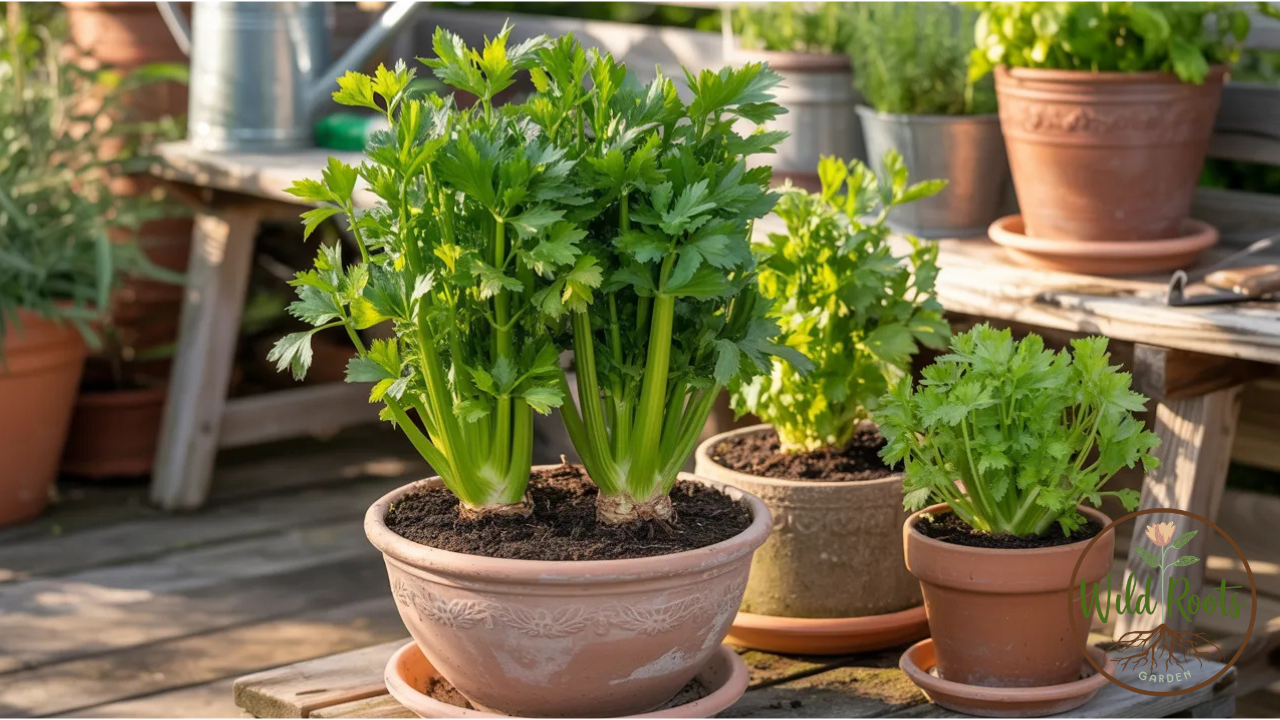
Answer: Yes, absolutely! Many vegetables, like tomatoes, peppers, beans, and leafy greens, grow very well in pots on a patio, balcony, or even a sunny windowsill.
Final Thoughts
You now have a clear path on How to start a vegetable garden for beginners step by step. You know how to pick a sunny spot, prepare your soil, and choose easy-to-grow vegetables. Planting, watering, and weeding are simple steps you can master.
Enjoy the process of watching your garden grow and tasting your fresh harvest. Gardening is a wonderful hobby that feeds your body and soul.