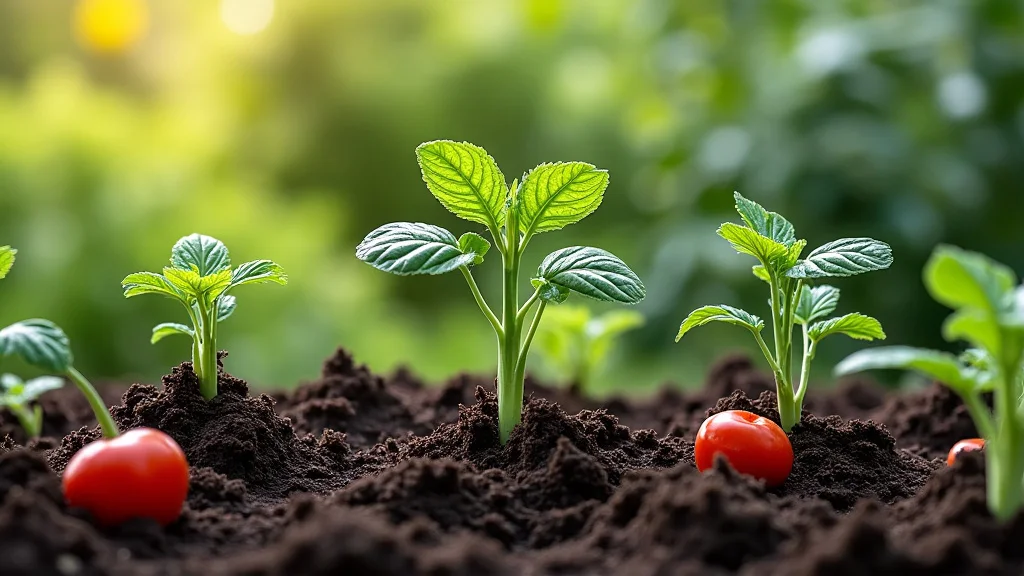
Starting your own vegetable garden can feel a little tricky at first, especially when you’re thinking about digging into the ground. Many beginners wonder where to begin or if they have what it takes. But don’t worry, it’s much simpler than you might think!
This guide will walk you through how to start a vegetable garden in the ground, step by step. We’ll cover everything you need to know to get your garden growing, making it easy and fun.
Getting Started With Your In-Ground Garden
So you want to grow fresh veggies right in your backyard? That’s a fantastic idea! Planting directly in the ground is the most natural way to garden.
It lets plants stretch their roots deep and access all the goodness the earth provides. Lots of people find that getting started feels like a big puzzle, but it doesn’t have to be. This guide will show you how to start a vegetable garden in the ground with easy steps.
Choosing The Right Spot
The first big step is picking the perfect place for your garden. Most vegetables need a good amount of sunshine to grow well. Look for a spot in your yard that gets at least six to eight hours of direct sunlight each day.
If you don’t have a sunny spot, don’t give up! Some plants, like lettuce and spinach, can grow in shadier areas. Also, think about where the water goes.
You don’t want your garden to get waterlogged, so avoid low spots where puddles form.
Good drainage is also key. If your soil stays wet for a long time after rain, your plants’ roots might rot. You can test drainage by digging a small hole, filling it with water, and seeing how long it takes to drain.
If it takes many hours, you might need to improve the drainage.
Preparing Your Garden Soil
Healthy soil is the foundation of any successful garden. When you’re learning how to start a vegetable garden in the ground, soil preparation is super important. Most garden soil needs a little help to give your plants the best start.
Testing Your Soil
It’s a good idea to test your soil. This tells you what nutrients are missing and what the soil’s pH is. You can buy a simple soil test kit at most garden stores.
A pH level between 6.0 and 7.0 is ideal for most vegetables. Your test results will guide you on what to add to your soil.
Improving Your Soil
Even if your soil test looks okay, adding organic matter is almost always beneficial. Organic matter helps soil hold moisture, improves drainage, and provides nutrients. Compost is a gardener’s best friend.
You can buy compost or make your own.
- Spread a layer of compost, about 2-4 inches thick, over the area where you plan to plant.
- Gently mix the compost into the top 6-8 inches of soil. You can use a shovel, garden fork, or tiller for this.
- If your soil is very clay-like and heavy, adding sand can help. If it’s very sandy and doesn’t hold water well, more compost will help.
Removing weeds and rocks as you prepare the soil will make planting and tending to your garden much easier later on.
Choosing What To Plant
Now for the fun part: picking your vegetables! When you’re learning how to start a vegetable garden in the ground, it’s wise to start with plants that are easy to grow.
Easy-to-Grow Vegetables for Beginners
- Tomatoes: Very popular and rewarding.
- Zucchini: You’ll get a lot from just a few plants!
- Bush Beans: Simple to plant and grow quickly.
- Lettuce and Spinach: Grow fast and can be harvested multiple times.
- Radishes: One of the quickest growing vegetables.
- Carrots: Grow well in well-dug, loose soil.
- Peppers: Most varieties are fairly easy to care for.
Consider Your Climate
Think about what grows well in your region. Some plants like it hot, while others prefer cooler weather. Local garden centers can offer advice on the best plants for your area.
Also, consider how much space each plant needs.
Starting From Seeds vs. Seedlings
You can start vegetables from seeds or buy small plants called seedlings (or transplants) from a nursery. Seeds are cheaper, and you have more variety to choose from. Seedlings give you a head start and are often easier for beginners.
Planting Your Vegetables
Once your soil is ready and you’ve chosen your plants, it’s time to get them in the ground. This is a crucial step in how to start a vegetable garden in the ground.
Planting Seeds
Read the seed packet carefully. It will tell you how deep to plant the seeds and how far apart they should be. Most seeds need soil that is moist but not soaking wet.
You can plant seeds directly into the prepared garden bed.
For plants like carrots and radishes, sow seeds thinly in rows. For beans, you can plant them a little thicker in clumps or rows. Water gently after planting to settle the soil.
Planting Seedlings
If you’re using seedlings, dig a hole that is just big enough to fit the plant’s root ball. Gently remove the plant from its container. If the roots are tightly wound, you can loosen them a bit.
Place the plant in the hole so the top of the root ball is level with the soil surface. Fill in the hole with soil and gently firm it around the base of the plant. Water thoroughly after planting.
Pay attention to the spacing recommendations on the plant tags. Overcrowding can lead to poor air circulation and increased disease problems.
Watering Your Garden
Water is essential for plant growth. How much water your garden needs depends on the weather, your soil type, and the plants you’re growing. The goal is to keep the soil consistently moist, but not soggy.
Water deeply and less often rather than shallowly and frequently. This encourages roots to grow deeper into the soil, making plants more resilient. Water in the morning so the leaves have time to dry before nightfall, which helps prevent diseases.
Stick your finger about an inch or two into the soil. If it feels dry, it’s time to water. If it feels moist, wait a bit longer.
Weeding Your Garden
Weeds compete with your vegetables for water, nutrients, and sunlight. Regular weeding is important for a healthy garden.
Try to pull weeds when they are small and the soil is moist. This makes them easier to remove, roots and all. Mulching can help a lot with weed control.
A layer of mulch, like straw or wood chips, applied around your plants, helps block sunlight from reaching weed seeds, stopping them from growing.
Mulching also helps keep the soil moist and regulates soil temperature.
Pest and Disease Management
Sometimes, pests and diseases can affect your garden. The best way to deal with them is to keep your plants healthy and strong from the start. Healthy plants are better able to resist problems.
Common Pests
- Aphids: Small, soft-bodied insects that suck sap from plants. A strong spray of water can often knock them off.
- Slugs and Snails: Leave slimy trails and chew holes in leaves. Barriers like crushed eggshells can deter them.
- Caterpillars: Can chew large holes in leaves. Hand-picking them off is usually effective.
Preventing Diseases
Good air circulation is key. Don’t plant your vegetables too close together. Water at the base of the plants to keep the leaves dry.
Removing diseased leaves or plants promptly can stop the problem from spreading.
There are many natural and organic pest control options available if you need them. You can also encourage beneficial insects like ladybugs and lacewings, which eat garden pests.
Harvesting Your Vegetables
This is the most rewarding part of learning how to start a vegetable garden in the ground! Harvesting your fresh produce is a great feeling.
Harvest vegetables when they are ripe and at their best. For many vegetables, like beans and zucchini, harvesting regularly encourages the plant to produce more. Picking them when they are young and tender often results in the best flavor.
For leafy greens like lettuce, you can often harvest outer leaves, allowing the plant to continue growing. Tomatoes, peppers, and eggplant are ready when they reach their mature color and size.
Frequently Asked Questions
Question: What is the best time to start a vegetable garden in the ground?
Answer: The best time depends on your climate and the types of vegetables you want to grow. Generally, spring is a good time to start, after the last frost has passed for warm-season crops like tomatoes and peppers, or in early spring for cool-season crops like lettuce and peas.
Question: How much sun does a vegetable garden really need?
Answer: Most vegetables need at least 6 to 8 hours of direct sunlight per day. Some leafy greens can tolerate partial shade (about 4-6 hours of sun), but fruiting vegetables like tomatoes, peppers, and squash require full sun to produce well.
Question: Do I need to add fertilizer when planting?
Answer: While healthy soil with compost is often enough to start, adding a balanced, all-purpose fertilizer can give your plants an extra boost. Follow the instructions on the fertilizer package carefully to avoid over-fertilizing.
Question: How often should I water my new garden?
Answer: Water deeply about once or twice a week, or more often during hot, dry weather. The goal is to keep the soil consistently moist, not waterlogged. Stick your finger into the soil to check moisture levels.
Question: Can I plant vegetables that are too big for my small yard?
Answer: Yes, many vegetables are available in ‘bush’ or ‘dwarf’ varieties that are perfect for smaller spaces. You can also grow in containers if in-ground space is limited, though this guide focuses on planting directly in the ground.
Final Thoughts
You’ve learned how to start a vegetable garden in the ground. Picking a sunny spot, preparing good soil with compost, and choosing easy plants are your first steps. Remember to water well, keep up with weeds, and watch for pests.
Enjoy harvesting your own fresh food. Your garden will thrive with a little care and attention. Happy growing!