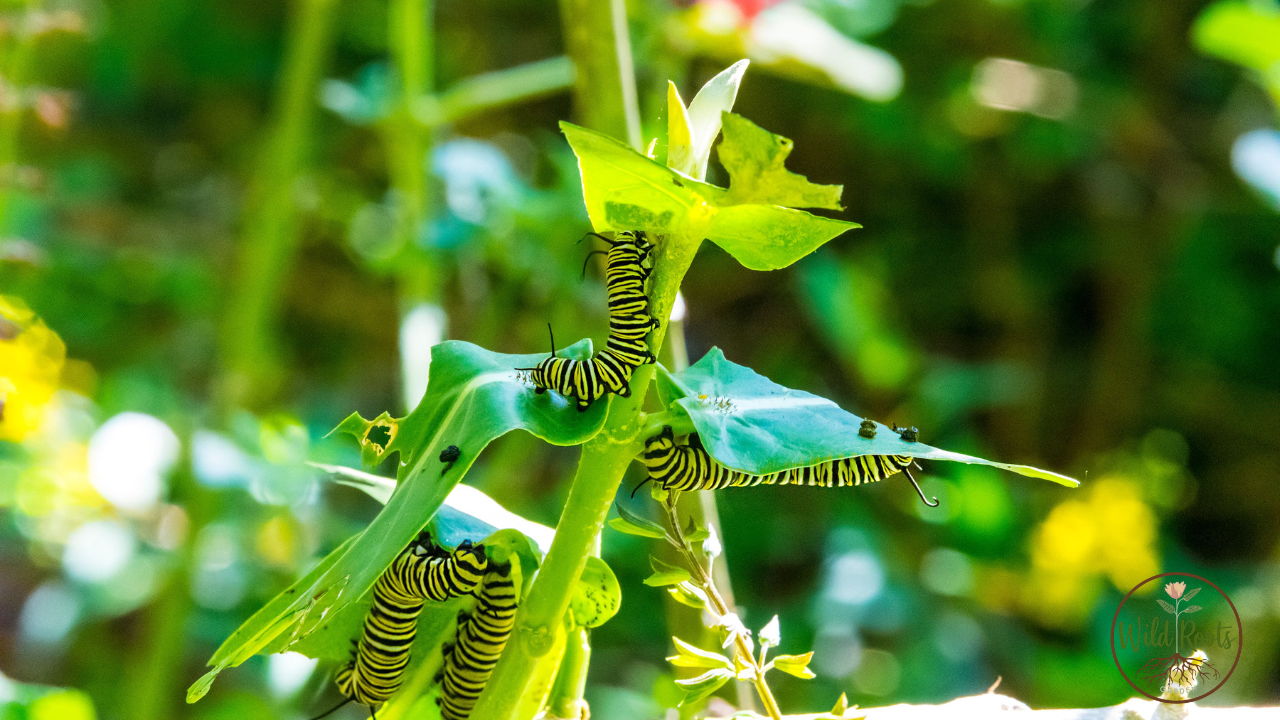
The larval form of butterflies and moths, or caterpillars, can be both helpful and destructive to gardens. Certain caterpillars, like the monarch caterpillar, are crucial pollinators and assist in controlling the growth of other pests. Some caterpillars, on the other hand, have a voracious appetite and can swiftly kill plants.
Gardens are frequently viewed as tranquil havens of nature that are brimming with vivid hues and abundant vegetation. Yet, garden aficionados occasionally worry about the prevalence of caterpillars. Caterpillars: Are they harmful to your garden? This article will examine the function of caterpillars in gardens, their effects on plant health, and practical ways to control their numbers.
Introduction
The larval stage of butterflies and moths, known as caterpillars, are fascinating organisms that are essential to ecology. While certain caterpillar species are advantageous to gardens, others can harm plants. For a garden to remain strong and thriving, it is essential to comprehend the differences between these groups.
Caterpillars: The Good
Pollination and Plant Reproduction
Certain caterpillars, including those of several moths and butterflies, aid in the pollination process. They unintentionally spread pollen as they go from flower to flower in search of nectar, assisting in plant reproduction. Certain plant species would find it difficult to successfully reproduce without the presence of these caterpillars.
Biodiversity and Ecological Balance
A variety of birds, reptiles, and other insects depend on caterpillars as a vital food source. They support biodiversity and add to the complex web of life in an ecosystem. Caterpillars are essential in preserving the ecological balance because they provide food for a variety of creatures.
Caterpillars: The Bad
Feeding Habits and Leaf Damage
Because they eat a lot of leaves, some kinds of caterpillars can seriously harm plants. They defoliate whole plants by chewing through leaves and leaving behind jagged edges. The affected plants may become weaker as a result of this heavy feeding, which may restrict their growth and lower their general vitality.
Pest Outbreaks and Crop Losses
Caterpillars can occasionally develop into pests and lead to outbreaks in agricultural contexts. Large-scale crop losses caused by hazardous caterpillar populations can have an impact on farmers’ incomes and food production. Monitoring and controlling caterpillar populations is essential to stopping such outbreaks and lessening their effects.
Managing Caterpillar Infestations
Using the right management techniques is crucial for preserving a healthy garden and reducing the harm caused by caterpillars. The following are some efficient strategies for controlling caterpillar infestations:
Identifying Harmful Caterpillar Species
Recognize the species of caterpillars that live in your garden. While some caterpillars are more generalist feeders, others are known to be damaging to certain plant species. You can put in place focused control measures by having a good understanding of the species you are working with.
Natural Predators and Biological Controls
Encourage beneficial insects like ladybugs and lacewings to live in your garden, as well as other natural predators of caterpillars including birds, frogs, and other creatures. These ecosystem-balanced natural enemies aid in reducing caterpillar numbers. In addition, using biological controls like Bacillus thuringiensis (Bt) or certain nematodes can help with pest management that is both efficient and environmentally beneficial.
Organic Pest Control Methods
Investigate natural pest management techniques to deal with caterpillar infestations. These techniques include hand-picking caterpillars, using netting or other physical barriers as barriers, using companion planting techniques, and applying organic insecticides made from natural sources. You can safeguard your garden while causing the fewest negative effects on the ecosystem and helpful insects by opting for organic remedies.
Conclusion
Complex animals like caterpillars present both opportunities and difficulties for your garden. You may achieve a balance that supports a sustainable garden ecology by knowing their function in pollination, biodiversity, and plant damage. You may lessen the detrimental effects of caterpillars while promoting a healthy and lovely garden by putting into practice appropriate management tactics and making use of natural and organic pest control techniques.
FAQs
1. Can all caterpillars harm my garden?
No, not all caterpillars are harmful to gardens. Some caterpillars are beneficial and contribute to the overall health of the garden ecosystem.
2. How can I differentiate between harmful and beneficial caterpillars?
It is essential to learn about the specific caterpillar species in your garden and their feeding habits. Research or consult with local gardening resources to identify harmful and beneficial caterpillars accurately.
3. What are some natural ways to control caterpillar populations?
Encouraging natural predators, using biological controls like nematodes or Bt, and employing organic pest control methods can help manage caterpillar populations naturally.
4. Are there any caterpillar species that are beneficial for my garden?
Yes, certain caterpillar species contribute to pollination and support the overall biodiversity of the garden ecosystem. Research local species to identify the beneficial ones.
5. Should I be concerned if I find caterpillars in my garden?
The presence of caterpillars in your garden should not be a cause for immediate concern. Evaluate their feeding habits, population density, and the overall impact on your plants before deciding on management strategies.