If you’re living in Florida or planning to create a garden that thrives in its warm, sunny climate, choosing the right tropical plants is key. You want plants that not only survive but also bring vibrant colors, lush greenery, and a touch of paradise to your outdoor space.
Imagine stepping into your backyard and being surrounded by beautiful hibiscus blooms, colorful crotons, or elegant palms that make every day feel like a getaway. In this guide, you’ll discover the best tropical plants for Florida that are easy to care for and perfect for adding that tropical charm to your garden.
Ready to transform your space into a vibrant oasis? Keep reading to find out which plants will flourish in your Florida garden.
Top Tropical Plants
Florida’s warm and humid climate is perfect for tropical plants. These plants bring vibrant colors and lush foliage to any garden. They thrive in the sun and add a tropical feel to your outdoor space. Here are some of the top tropical plants to grow in Florida.
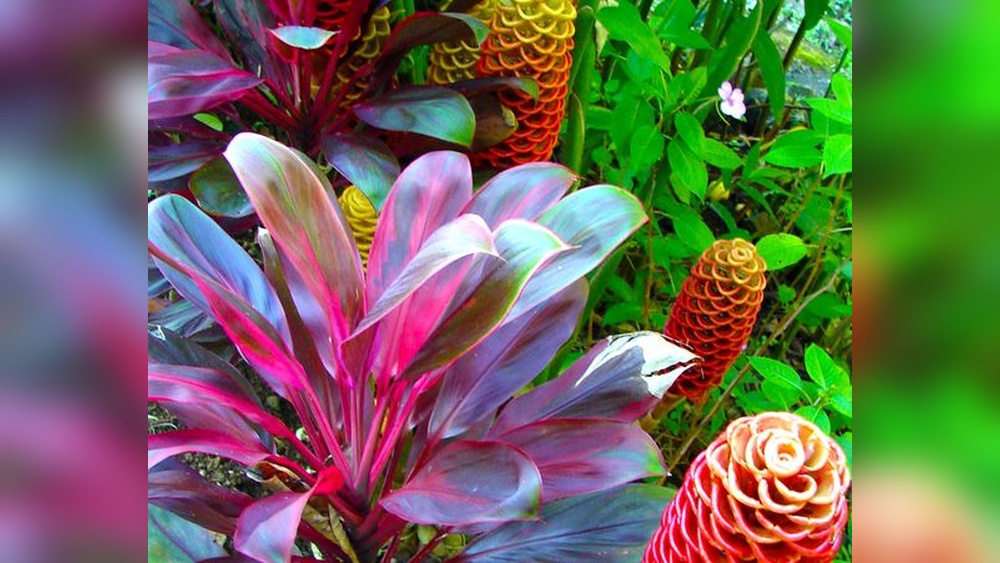
Crotons
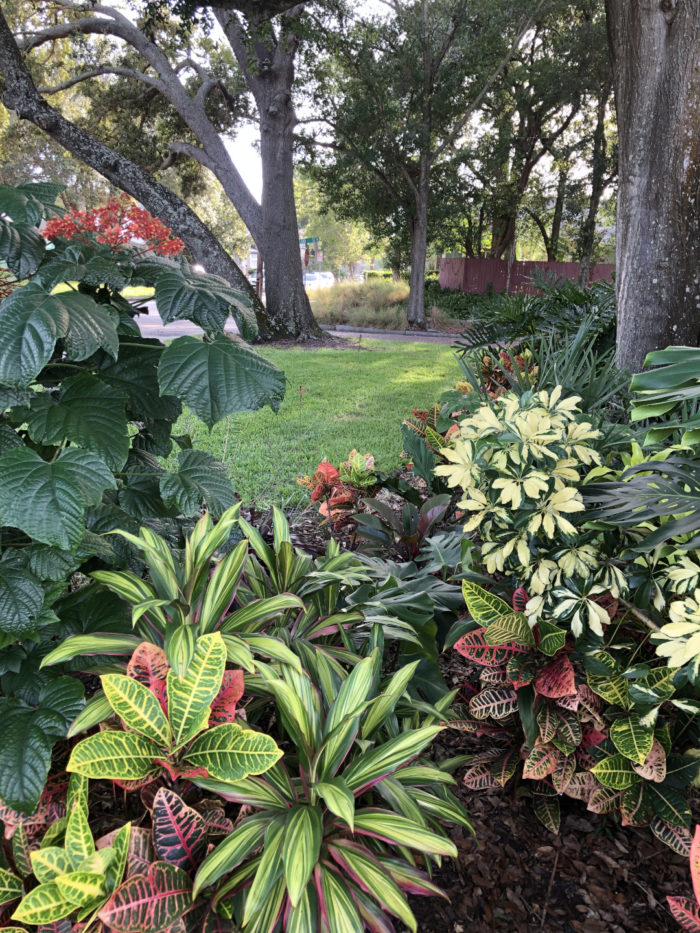
Crotons show off bright leaves in red, yellow, and green. Their colorful patterns make gardens lively. They like full sun and well-drained soil. Crotons are drought tolerant once established. They add energy and color all year round.
Hibiscus
Hibiscus plants bloom large, showy flowers in many colors. They attract butterflies and hummingbirds. Hibiscus needs plenty of sunlight and regular watering. These plants bring a tropical charm to patios and garden beds.
Bougainvillea
Bougainvillea offers bright magenta, pink, and orange bracts. They grow fast and can climb fences or walls. Bougainvillea prefers full sun and dry conditions. Their vibrant colors make them a garden standout.
Ixora
Ixora produces clusters of small, star-shaped flowers. Colors range from red to orange and yellow. These shrubs like warm weather and partial shade. Ixora adds a tropical touch to hedges and borders.
Shefflera ‘dazzle’
Shefflera ‘Dazzle’ has glossy leaves with green and yellow patterns. It grows well in sun or light shade. This plant is low-maintenance and drought tolerant. It adds texture and color to Florida gardens.
Alcantarea
Alcantarea is a large bromeliad with striking rosettes. It thrives in bright light and well-drained soil. This plant brings a unique look with its spiky leaves. Alcantarea is perfect for tropical-themed gardens.
Palms
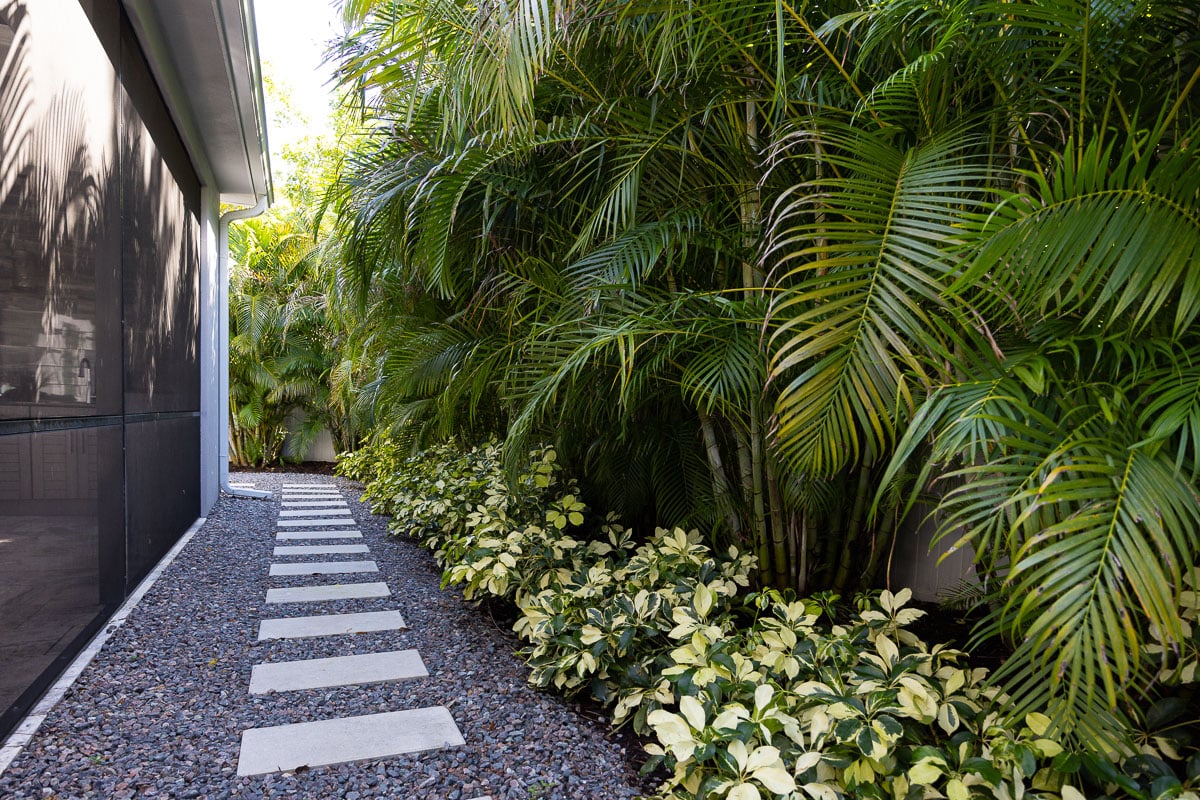
Palms are iconic tropical plants in Florida. They vary from small to tall and add height to landscapes. Palms need full sun and moist soil. Their graceful fronds create a relaxing island vibe.
Credit: www.finegardening.com
Heat-loving Flowers
Florida’s hot climate suits many flowers that thrive under strong sun and heat. These heat-loving flowers add bright colors and life to gardens. They need little water and resist dry spells well. Perfect for tropical gardens, these plants bloom all summer long. Here are some popular heat-loving flowers for Florida gardens.
Lantana
Lantana is a tough flower that loves the sun. It grows in many colors like red, orange, yellow, and pink. Lantana attracts butterflies and bees, making your garden lively. It needs little care and stays colorful even in hot weather.
Coreopsis
Coreopsis, also called tickseed, has bright yellow flowers. This plant blooms from spring to fall. It grows well in Florida’s heat and dry soil. Coreopsis is low maintenance and adds sunny cheer to any garden.
Marigolds
Marigolds are easy to grow and very heat tolerant. They show off bright orange and yellow flowers. Marigolds repel pests and protect other plants. They brighten garden beds and pots with long-lasting blooms.
Black-eyed Susan
Black-eyed Susan has bright yellow petals with a dark center. It blooms in summer and loves full sun. This flower is drought tolerant and grows well in Florida’s heat. It adds a wildflower look to tropical gardens.
Angelonia
Angelonia is often called summer snapdragon. It has spikes of purple, pink, or white flowers. Angelonia thrives in heat and blooms nonstop. It attracts hummingbirds and butterflies, adding motion to your garden.
Succulent Ground Covers
Succulent ground covers bring a lush, green carpet to Florida gardens. They thrive in sunny spots and resist drought well. These plants keep soil cool and reduce weeds. Their thick leaves store water, making them perfect for hot climates. They add texture and color with minimal care.
Sedums
Sedums are hardy succulents with fleshy leaves. They spread quickly and cover the ground evenly. Their small star-shaped flowers attract pollinators like bees and butterflies. Sedums come in many shades of green, red, and yellow. They handle Florida’s heat and dry spells with ease. Plant sedums along walkways or in rock gardens for a bright, natural look.
Aptinia
Aptinia, also known as baby sun rose, blooms with vibrant pink flowers. Its trailing stems create a dense mat over the soil. Aptinia grows well in sandy, well-drained soil common in Florida. It requires little water once established and withstands full sun exposure. This ground cover brightens any garden with its lively colors and thick leaves. Use Aptinia in borders or between stepping stones for a splash of color.
Credit: tropicalgardenslandscape.com
Shrubs For Full Sun
Shrubs that thrive in full sun brighten Florida gardens. They handle heat and direct sunlight well. Choosing the right shrub adds color and texture. These plants also attract butterflies and birds. They bring life and vibrancy to sunny spots.
Firebush
Firebush is a bright, fiery shrub perfect for full sun. Its red-orange flowers bloom nearly year-round. Birds and butterflies love its nectar. Firebush grows fast and can reach 6 to 10 feet. It tolerates heat and dry conditions easily. This shrub adds a tropical feel to any yard.
Plumbago
Plumbago shows off soft blue flowers in clusters. It blooms from spring through fall without fail. This shrub grows quickly and spreads wide. Plumbago handles Florida’s hot sun without problems. It works well as a hedge or a border. Its delicate flowers attract pollinators all season.
Oleander
Oleander is a classic shrub for sunny Florida gardens. It produces large clusters of flowers in white, pink, or red. Oleander grows tall, often reaching 10 feet or more. It survives heat and drought with little care. Keep in mind, oleander is toxic if eaten. This shrub offers bold color and dense foliage.
Palm Varieties
Florida’s warm climate suits many palm varieties perfectly. These palms bring lush greenery and a tropical vibe to any landscape. They thrive in the sun and handle humidity well. Choosing the right palm enhances your garden’s beauty and health.
Sago Palm
The Sago Palm is not a true palm but looks like one. It has stiff, dark green fronds that grow in a circle. This plant grows slowly and can reach up to 10 feet tall. It prefers well-drained soil and partial shade. The Sago Palm is drought-tolerant and requires little care. It adds a unique, exotic look to Florida gardens.
Bird Of Paradise
Bird of Paradise is famous for its bright, bird-shaped flowers. Its large leaves resemble banana plants, giving a tropical feel. This palm variety grows well in full sun or light shade. It can reach 5 to 6 feet in height. The Bird of Paradise attracts birds and butterflies, enriching your garden’s ecosystem. It needs regular watering but tolerates short dry spells.
Low Maintenance Choices
Choosing tropical plants that thrive with little care suits busy Florida gardeners. These plants tolerate heat, humidity, and occasional dry spells well. They require less watering and resist many pests and diseases. Low maintenance tropical plants save time and keep gardens beautiful all year.
Areca Palm
Areca palms bring lush greenery and a tropical feel. They grow well in Florida’s warm climate. These palms need moderate watering and do well in indirect sunlight. Their slow growth means less pruning and shaping.
Bird Of Paradise
Bird of Paradise offers bright, exotic flowers. It tolerates sun and partial shade. This plant requires minimal watering once established. Its tough leaves resist pests and drought, making it ideal for easy care.
Hibiscus
Hibiscus plants add vibrant color to any garden. They bloom frequently with little attention. Hibiscus thrives in full sun and needs only occasional watering. Pruning is simple and helps keep the plant healthy.
Croton
Crotons are known for their colorful, bold leaves. They grow well in sunny spots with moderate water. These plants are hardy and tolerate Florida’s heat. Crotons require little care and brighten up any landscape.
Planting Tips
Planting tropical plants in Florida requires some care to help them thrive. Understanding soil, water, sun, and nutrients is key. These tips will guide you through the basics.
Soil Preparation
Start with well-draining soil. Tropical plants do not like standing water. Mix sand or organic matter to improve drainage. Remove weeds and loosen the soil to allow roots to grow. Check soil pH; most tropical plants prefer slightly acidic to neutral soil.
Watering Needs
Water tropical plants regularly, especially during dry spells. Keep the soil moist but not soaked. Early morning watering helps prevent diseases. Use mulch to retain moisture and reduce evaporation. Adjust watering based on the plant species and weather conditions.
Sunlight Requirements
Most tropical plants need bright light but not harsh midday sun. Some plants do well in partial shade. Observe your plant for leaf burn or fading colors, signs of too much sun. Position plants where they get morning sun and afternoon shade for best results.
Fertilizing
Feed tropical plants with balanced, slow-release fertilizer. Apply fertilizer every 6 to 8 weeks during growing season. Avoid over-fertilizing as it can harm the roots. Use fertilizers rich in nitrogen, phosphorus, and potassium. Follow package instructions for the correct amount.
Pest And Disease Control
Controlling pests and diseases is key for healthy tropical plants in Florida. The warm, humid climate attracts many insects and fungi. These can quickly damage leaves, flowers, and roots. Proper care helps your plants stay strong and beautiful. Good habits reduce the need for harsh chemicals.
Choosing resistant plants and keeping them clean lowers problems. Regular checks catch issues early. Quick action stops pests and diseases from spreading. Understanding the common threats helps gardeners protect their tropical plants.
Common Pests
Aphids and spider mites are frequent pests in Florida gardens. They suck sap, causing leaves to yellow and curl. Whiteflies and scale insects also feed on plant juices, weakening the plant. Mealybugs appear as white cottony masses on stems and leaves. Caterpillars can chew holes in foliage and flowers. These pests multiply fast in warm weather.
Use water sprays to wash away small insects. Introducing ladybugs or lacewings helps control aphids naturally. Sticky traps catch flying pests like whiteflies. Prune heavily infested parts to stop spread. Monitor plants often to spot pests early.
Disease Prevention
Fungal diseases like leaf spot and root rot thrive in moist Florida conditions. Avoid overwatering and improve soil drainage. Good air circulation prevents mold and mildew growth. Remove fallen leaves and debris from around plants to reduce spores. Use disease-free soil and clean pots for planting.
Applying organic fungicides can protect plants during wet seasons. Rotate plants to break disease cycles. Avoid overhead watering to keep foliage dry. Healthy plants resist diseases better. Regularly inspect for signs like spots, wilting, or discoloration.
Design Ideas
Designing a tropical garden in Florida offers endless possibilities. The lush greenery and vibrant colors bring life to any outdoor space. Thoughtful design enhances the natural beauty of tropical plants. You can create spaces that feel like a tropical paradise. Small or large yards benefit from creative plant arrangements. Focus on texture, color, and plant height for visual interest.
Colorful Combinations
Mix plants with bold, bright leaves and flowers. Crotons add vibrant reds, yellows, and greens. Hibiscus blooms offer stunning reds, pinks, and oranges. Combine these with lush green palms for contrast. Use different leaf shapes for added texture. Bright colors catch the eye and create excitement. Group plants in clusters for a natural look. Avoid too many colors to keep the space balanced.
Container Gardening
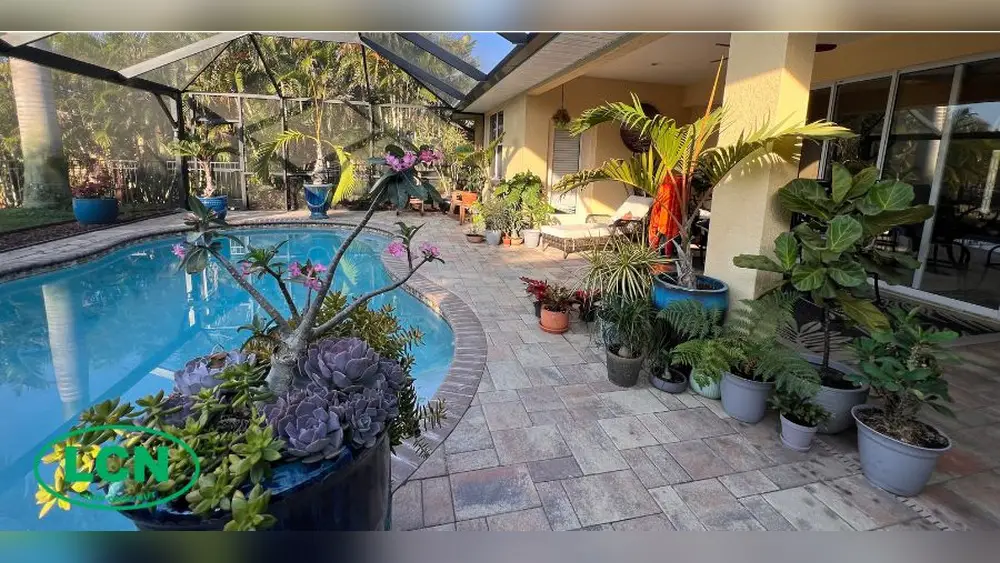
Containers let you add tropical plants anywhere. Use pots of various sizes and colors. Place them on patios, decks, or near entryways. Plants like Bird of Paradise thrive well in containers. Change arrangements seasonally for fresh looks. Containers help control soil and water easily. Group pots to create mini tropical islands. This method suits small spaces or renters perfectly.
Tropical Garden Layouts
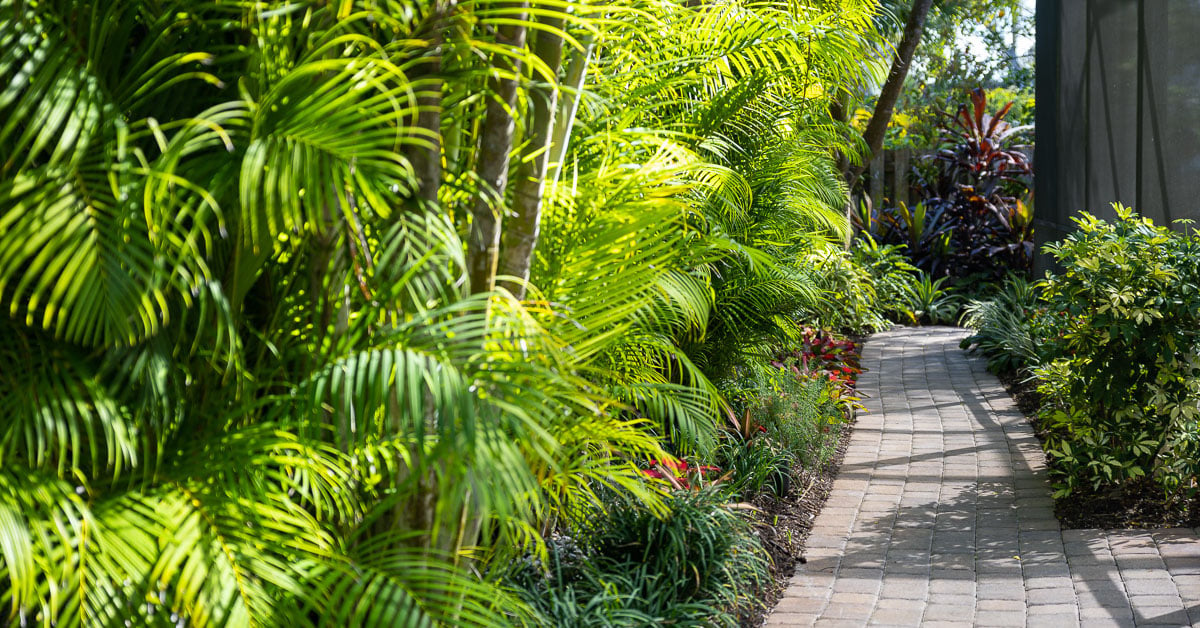
Create layers with tall palms in the back. Medium shrubs like Ixora fit in the middle. Ground cover plants fill the front spaces. Pathways lined with colorful plants invite exploration. Use curved beds to soften hard edges. Add seating areas surrounded by greenery. Plan for sun and shade needs of each plant. This structured layout keeps your garden organized and lively.
Credit: tropicalgardenslandscape.com
Frequently Asked Questions
What Tropical Plants Grow Well In Florida?
Tropical plants that grow well in Florida include crotons, hibiscus, bougainvillea, ixora, shefflera, alcantarea, and various palm species. These plants thrive in Florida’s warm climate and add vibrant color and texture to gardens.
What Plants Can Take Full Sun In Florida?
Plants that thrive in Florida full sun include lantana, hibiscus, ixora, coreopsis, marigolds, black-eyed susans, firebush, plumbago, oleander, and heat-tolerant succulents. These plants offer vibrant blooms and tolerate heat and drought well, making them ideal for Florida’s sunny climate.
What Plants Can Survive In The Heat In Florida?
Heat-tolerant plants in Florida include hibiscus, crotons, bougainvillea, ixora, lantana, palms, and coreopsis. These thrive in full sun and humidity.
What Is The Easiest Plant To Grow In Florida?
The easiest plants to grow in Florida include crotons, hibiscus, bougainvillea, ixora, and palms. These tropical plants thrive in Florida’s heat and humidity with minimal care.
Conclusion
Choosing the best tropical plants for Florida adds beauty and life to any garden. These plants thrive in Florida’s warm, sunny climate with little fuss. Crotons, hibiscus, and palms bring vibrant colors and lush greenery. They attract butterflies and birds, enhancing outdoor spaces naturally.
Regular care and proper placement help these plants grow strong and healthy. Gardening with tropical plants creates a peaceful, inviting atmosphere year-round. Start planting today to enjoy Florida’s unique and stunning tropical flora.