Are you ready to transform your Florida garden into a vibrant, thriving oasis? Knowing the best time to plant is the secret that can make all the difference between a struggling patch and a flourishing paradise.
Florida’s unique climate allows for year-round gardening, but planting at the right moment can boost your plants’ growth and health dramatically. Whether you’re a seasoned gardener or just starting out, understanding when to plant will save you time, effort, and frustration.
Dive in to discover the ideal planting seasons, tips for different plants, and how to get the most out of your garden all year long!
Credit: www.lawnstarter.com
Florida Planting Seasons
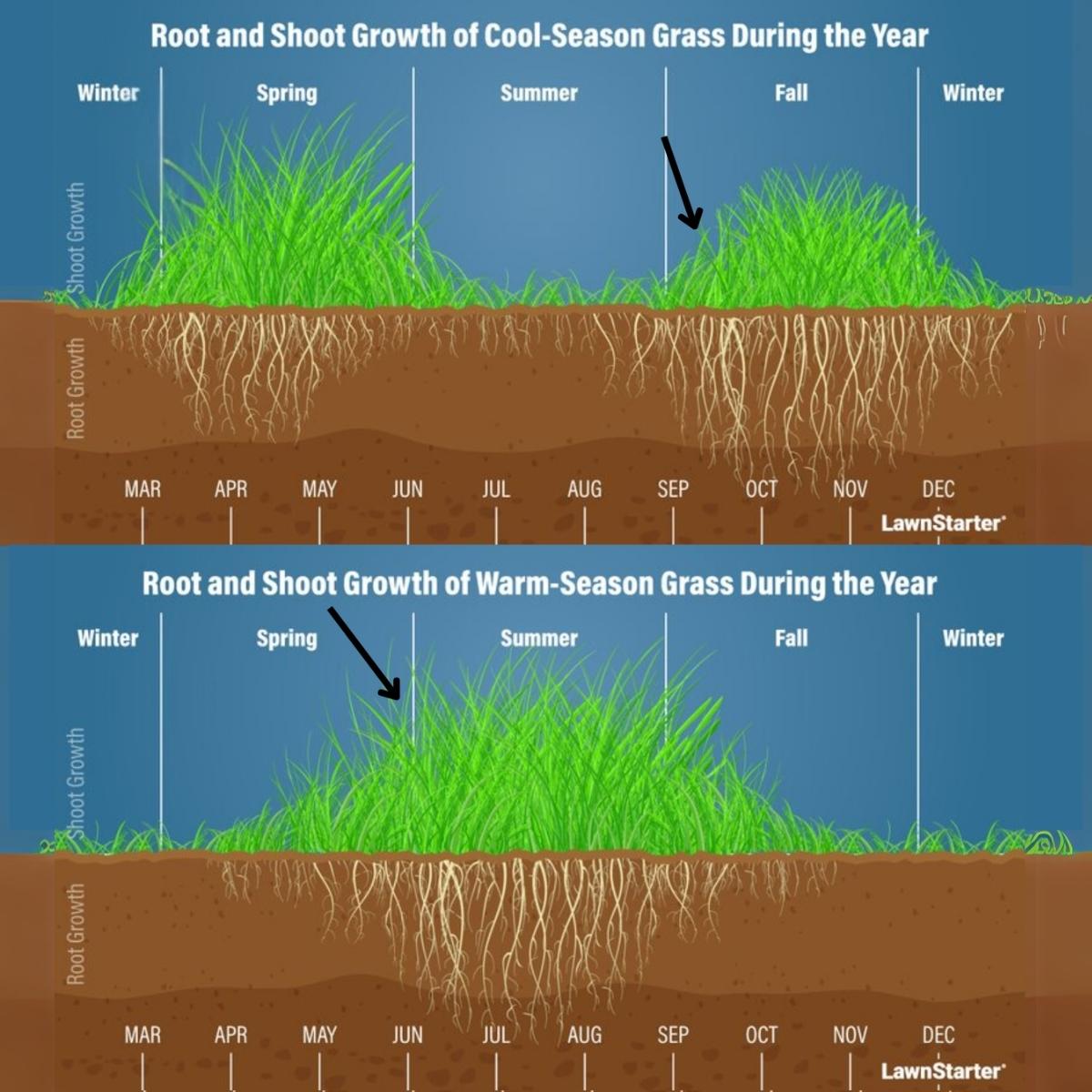
Florida’s warm climate allows planting during many months of the year.
Choosing the right season helps plants grow strong and healthy.
Understanding the benefits of each season guides gardeners to better results.
Spring Planting Benefits
Spring offers moderate temperatures and plenty of sunlight.
Soil warms up, making it ideal for seeds to sprout quickly.
Many vegetables and flowers thrive when planted in spring.
Spring planting helps plants establish before summer heat arrives.
Fall Planting Advantages
Fall brings cooler temperatures and less humidity.
Plants experience less stress and grow steadily in fall.
Fall planting allows roots to develop before winter’s mild chill.
Many leafy greens and root vegetables perform best when planted in fall.
Summer Planting Tips
Summer is hot and humid, challenging for many plants.
Choose heat-tolerant plants that can handle intense sun.
Water often to keep soil moist and cool roots.
Plant early in summer mornings or late afternoons to avoid heat stress.
Heat-tolerant Plants
Heat-tolerant plants thrive in Florida’s warm climate. They handle high temperatures and strong sunlight well. Choosing the right heat-loving plants helps your garden stay vibrant and healthy during hot months. These plants need less care and are less prone to heat stress. Growing heat-tolerant varieties lets you enjoy gardening all year long.
Tropical Plant Varieties
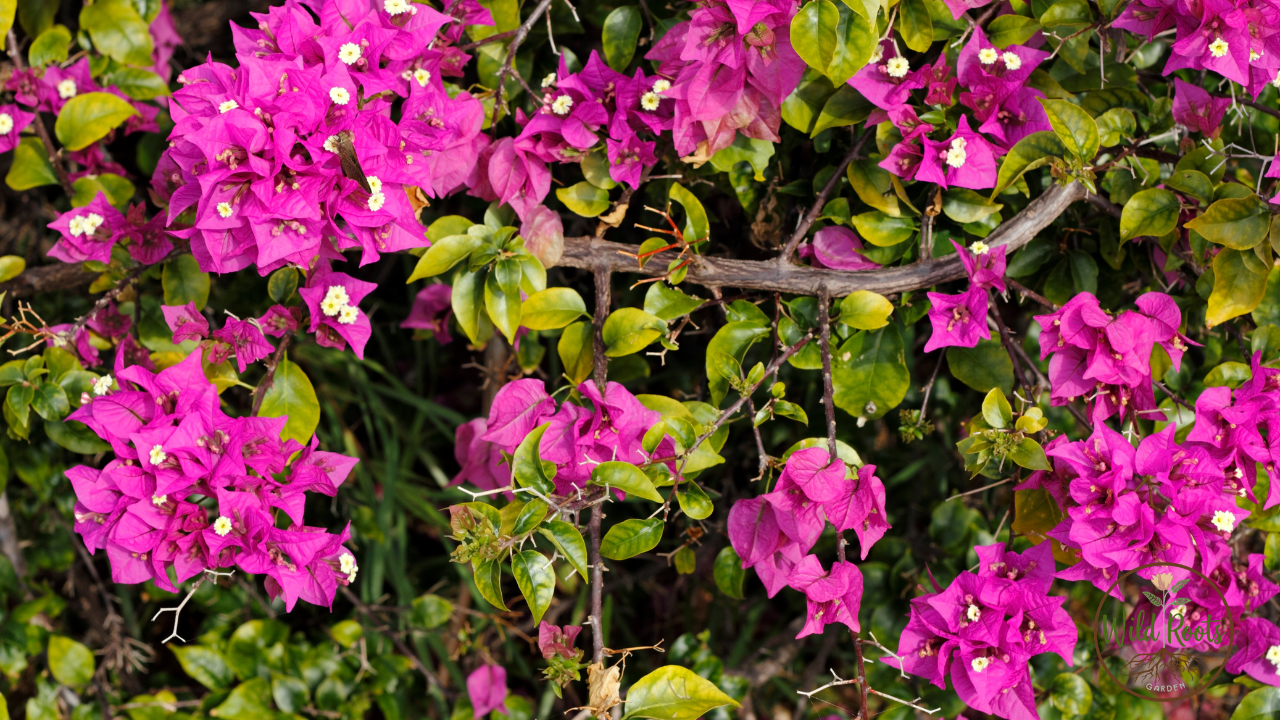
Tropical plants suit Florida’s hot and humid weather. Hibiscus, bougainvillea, and plumeria are popular choices. These plants bloom beautifully under strong sunlight. They add bright colors and lush foliage to your garden. Palms and crotons also survive well in the heat. Select plants that match your soil and sun exposure.
Watering Strategies In Summer
Watering is key for heat-tolerant plants. Early morning watering reduces water loss from evaporation. Deep watering encourages strong root growth. Avoid shallow, frequent watering to prevent weak roots. Mulching helps keep soil moist and cool. Monitor soil moisture regularly during dry spells. Adjust watering based on rainfall and temperature.
Best Practices For Hot Weather
Provide shade during peak afternoon heat using shade cloth or trees. Use well-draining soil to avoid root rot. Fertilize plants with slow-release nutrients for steady growth. Prune dead or damaged leaves to improve airflow. Watch for pests that thrive in warm weather. Regular care keeps heat-tolerant plants healthy and thriving.
Cool-weather Crops
Cool-weather crops thrive in Florida’s mild fall and winter seasons. These plants prefer cooler temperatures and less humidity. They grow best when planted in early fall as the heat fades. Many gardeners choose these crops to enjoy fresh vegetables during the cooler months. Choosing the right time to plant ensures strong growth and a healthy harvest.
Planting cool-weather crops at the right time helps avoid pests and diseases common in warmer months. These crops include a variety of vegetables that add nutrition and flavor to meals. Understanding the best planting times for these crops improves your garden’s success.
Vegetables For October
October is an ideal month to start many cool-weather vegetables in Florida. Plants like broccoli, cauliflower, and cabbage do well when planted now. These vegetables grow steadily as the temperatures drop. October planting also suits crops such as carrots and peas. Starting these vegetables in October gives them time to mature before the coldest weather arrives.
Leafy Greens And Root Vegetables
Leafy greens like spinach, kale, and lettuce flourish in cooler weather. They prefer soil that is moist but not waterlogged. Root vegetables such as radishes, turnips, and beets also grow well in cool seasons. These crops develop better flavor and texture when grown in fall and winter. Planting leafy greens and root vegetables in this period leads to a vibrant, productive garden.
Regional Variations Within Florida
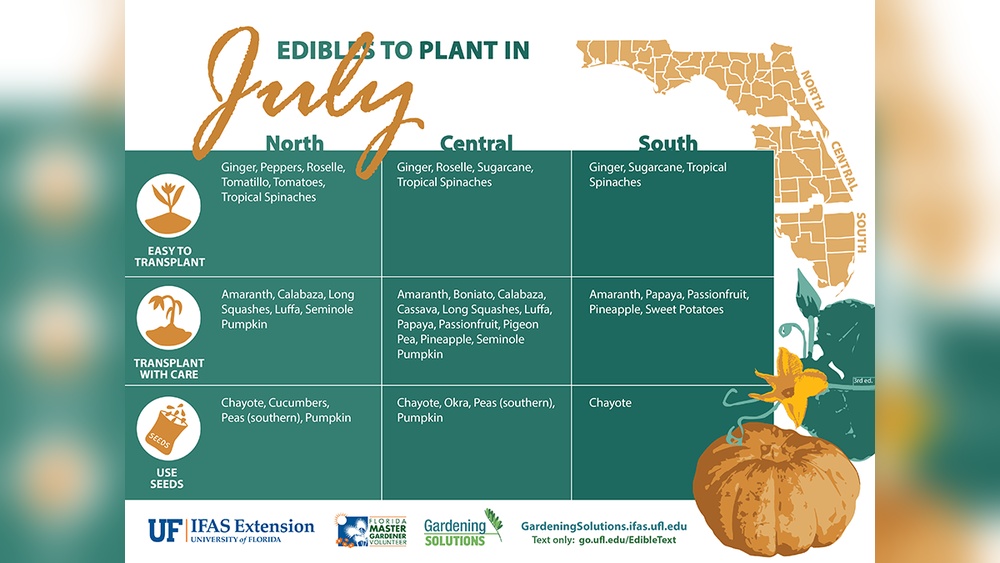
Florida’s climate varies from north to south, affecting planting times. Northern Florida experiences cooler winters, so planting can start earlier there. Central Florida has mild winters, allowing a longer planting window for cool-weather crops. Southern Florida stays warmer, so planting often occurs later to avoid heat stress. Adjusting planting schedules by region ensures better crop growth and yields.
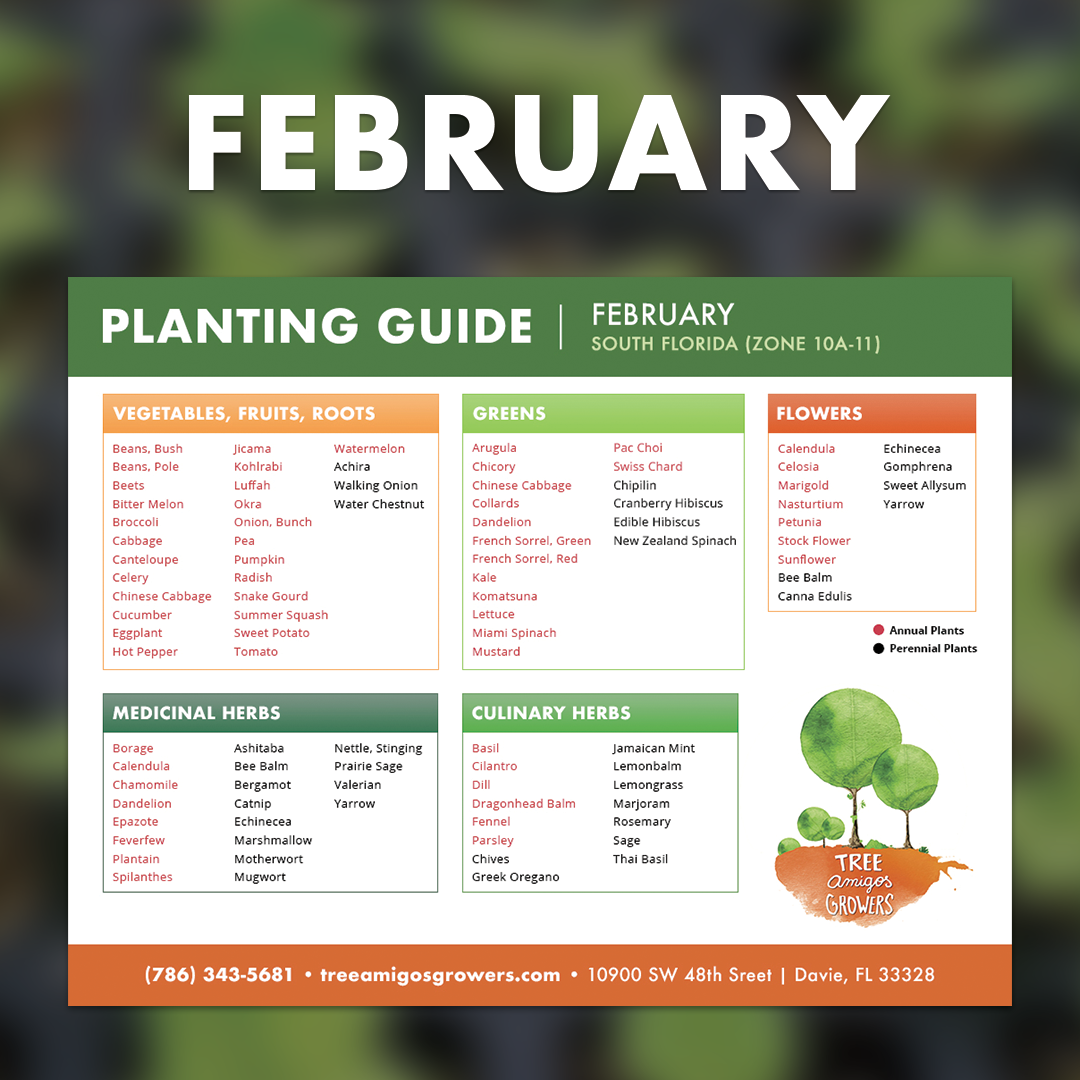
Credit: www.treeamigosgrowers.com
Soil Preparation
Preparing soil properly is vital for successful planting in Florida. Healthy soil supports strong plant growth and improves water retention. It also helps plants resist pests and diseases. Understanding your soil’s needs before planting saves time and effort later.
Testing And Amending Soil
Start by testing the soil in your garden. Soil tests reveal nutrient levels and soil texture. You can buy a simple test kit or send samples to a lab. Based on the results, add the right fertilizers or minerals. This step ensures plants get needed nutrients for growth.
Organic Matter Addition
Adding organic matter improves soil structure and fertility. Compost, aged manure, and leaf mold work well in Florida gardens. Spread a layer of organic matter over the soil and mix it in. This practice increases nutrient availability and encourages beneficial microbes.
Drainage And Ph Considerations
Good drainage prevents root rot and waterlogging. Florida soils vary, so check if your soil drains well. Raised beds or adding sand can improve drainage. Soil pH affects nutrient uptake. Most Florida plants prefer a pH between 6.0 and 7.0. Adjust pH using lime to raise it or sulfur to lower it.
Plant Grouping Techniques
Grouping plants effectively enhances the beauty of any Florida garden. Proper plant grouping improves growth and creates visual appeal. Using simple techniques helps create balanced and inviting garden spaces. These methods guide where and how to place different plants for the best results.
Rule Of Three In Gardens
The rule of three suggests planting in odd numbers, especially sets of three. This grouping creates a natural and pleasing look. Use three different plants with varied colors and textures for interest. Arrange them with a tall plant at the back and shorter ones in front. Repeat the trio pattern across your garden for unity.
Combining Colors And Textures
Mixing colors and textures makes the garden vibrant and lively. Choose plants with contrasting leaves and flowers to catch the eye. Pair smooth leaves with rough or spiky ones to add depth. Use bold colors alongside soft hues for balance. This combination keeps the garden exciting throughout the seasons.
Creating Depth With Plant Heights
Layering plants by height adds dimension to garden beds. Place tall plants at the back to form a backdrop. Medium-height plants go in the middle for smooth transition. Short plants stay at the front to open the view. This technique helps smaller plants get enough sunlight and shows off all layers clearly.
Plant Care Throughout The Year
Plant care in Florida requires attention throughout the year due to its unique climate. Each season brings different challenges and opportunities for your plants. Understanding how to water, fertilize, and protect plants is key to a healthy garden all year long.
Proper care ensures your plants grow strong and vibrant no matter the season. Adjusting your gardening routine with the weather helps plants thrive.
Watering Schedules
Watering needs vary by season in Florida. During hot summer months, plants need more frequent watering. Early morning or late evening is the best time to water. This reduces water loss from evaporation. In cooler months, reduce watering to avoid root rot. Always check the soil moisture before watering. Deep watering encourages strong root growth.
Fertilizing Tips
Fertilize plants according to their growth cycle. Use slow-release fertilizers in spring to support new growth. Apply balanced fertilizers with nitrogen, phosphorus, and potassium. Avoid over-fertilizing during the winter when plants grow slower. Organic options like compost improve soil health. Follow label instructions for the best results.
Pest And Disease Management
Regularly inspect plants for pests and diseases. Florida’s warm climate can increase pest activity. Use natural remedies or insecticidal soaps to control pests. Remove infected leaves promptly to prevent spread. Rotate crops and clean tools to reduce disease risk. Healthy plants resist pests better than weak ones.
Easy Plants For Florida Gardens
Choosing easy plants makes gardening in Florida enjoyable and less stressful. These plants handle the local climate well and need little care. They are perfect for beginners or busy gardeners. Florida’s warm weather suits many hardy and drought-tolerant species. Planting the right types ensures a thriving garden with minimal effort.
Hardy Varieties For Beginners
Hardy plants survive Florida’s heat and occasional cold snaps. Marigolds, zinnias, and sunflowers grow fast and resist pests. They bloom brightly and add color easily. These plants need regular watering but tolerate some neglect. They teach beginners how to manage garden basics effectively.
Low-maintenance Options
Low-maintenance plants save time and energy. Snake plants, aloe vera, and cast iron plants thrive with little care. They need minimal watering and can grow in shade or sun. These plants resist diseases and pests naturally. They suit busy gardeners who want beauty without hassle.
Drought-resistant Choices
Drought-resistant plants survive Florida’s dry spells well. Agave, lantana, and bougainvillea need less water once established. They keep gardens colorful through hot, dry weather. These plants reduce water use and lower garden upkeep. Perfect for conserving resources while enjoying a lush garden.
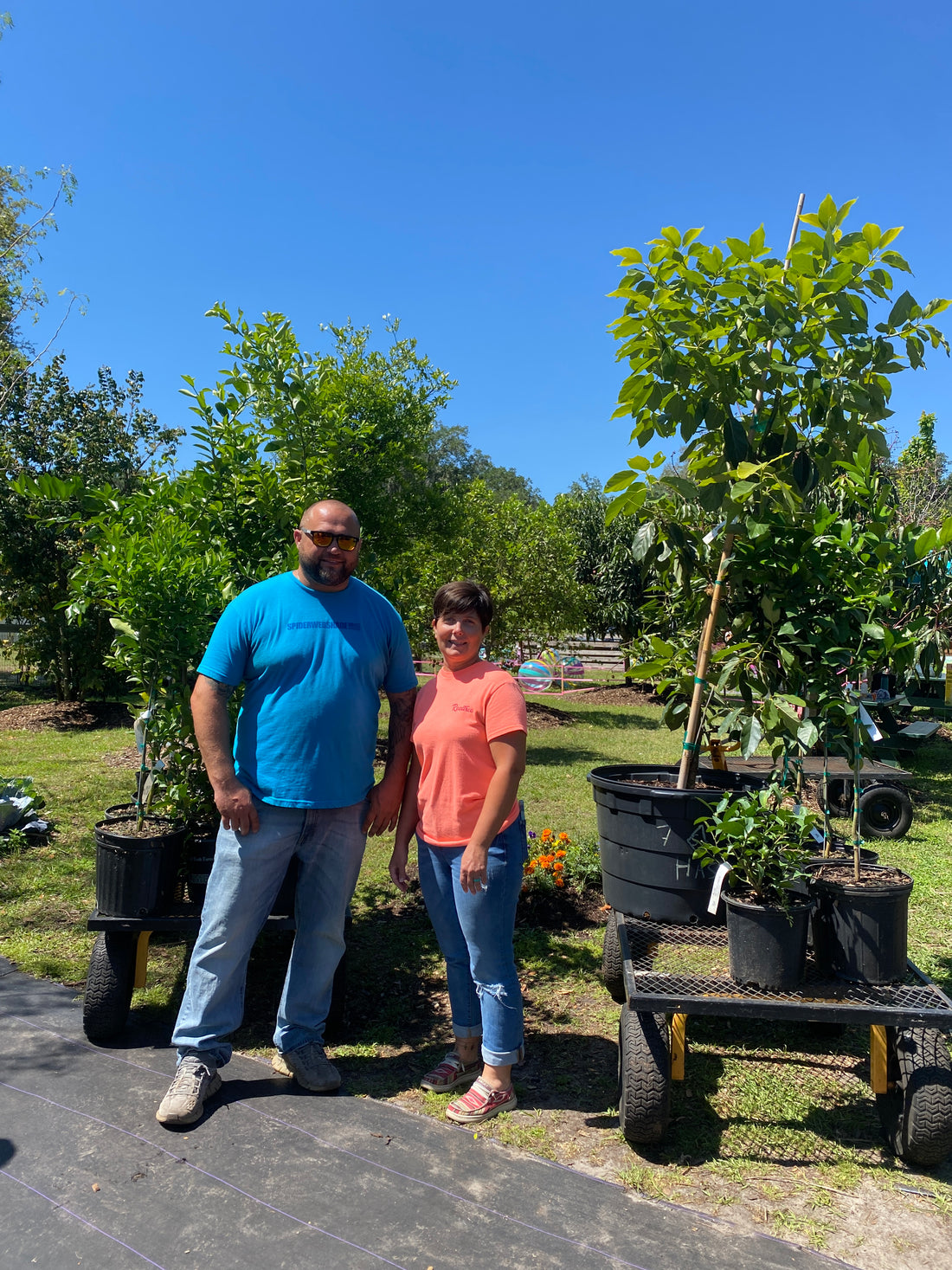
Credit: alandofdelight.com
Frequently Asked Questions
What Is The Best Month To Plant In Florida?
The best months to plant in Florida are spring and fall. These seasons offer ideal temperatures and moisture for most plants. Heat-tolerant tropical plants also thrive when planted in summer with adequate watering. Planting during these times ensures healthy growth and vibrant gardens year-round.
What Is The Rule Of 3 In Gardening?
The rule of 3 in gardening means grouping plants or elements in sets of three for natural, balanced, and visually appealing designs. It uses odd numbers, combining different varieties and heights, repeated throughout the garden to create harmony and depth.
What Is The Easiest Plant To Grow In Florida?
The easiest plant to grow in Florida is the spider plant. It thrives in heat, requires minimal care, and resists pests well.
What Can I Plant In October In Florida?
Plant cool-season vegetables like lettuce, spinach, broccoli, carrots, and herbs such as cilantro and parsley in Florida in October.
Conclusion
Planting in Florida works best during spring and fall seasons. These months offer mild temperatures and good rain. Summer planting suits heat-loving plants if watered well. Planning your garden by season helps plants grow strong. Start early and watch your garden thrive beautifully.
Remember, timing matters to enjoy a healthy, colorful yard. Happy planting!