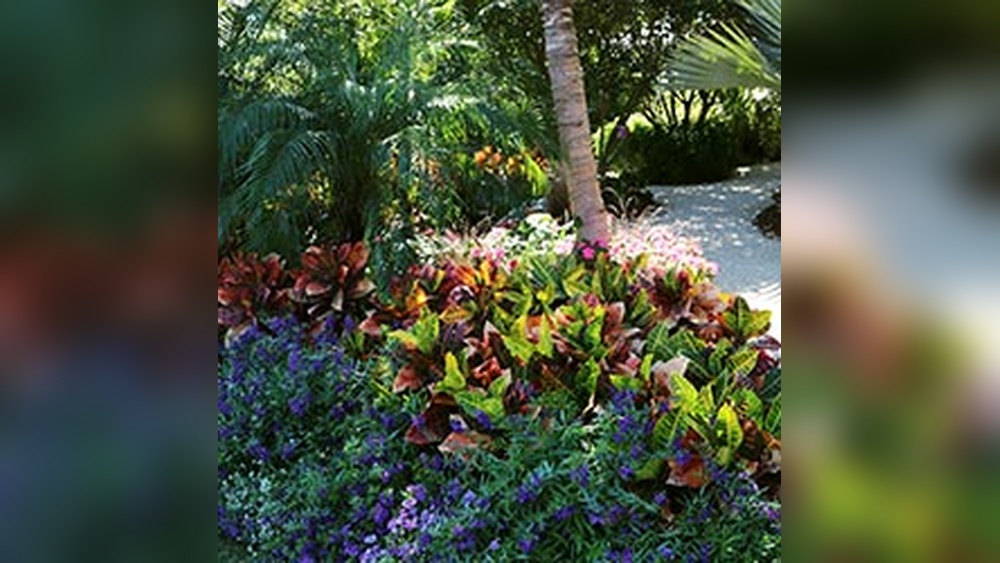
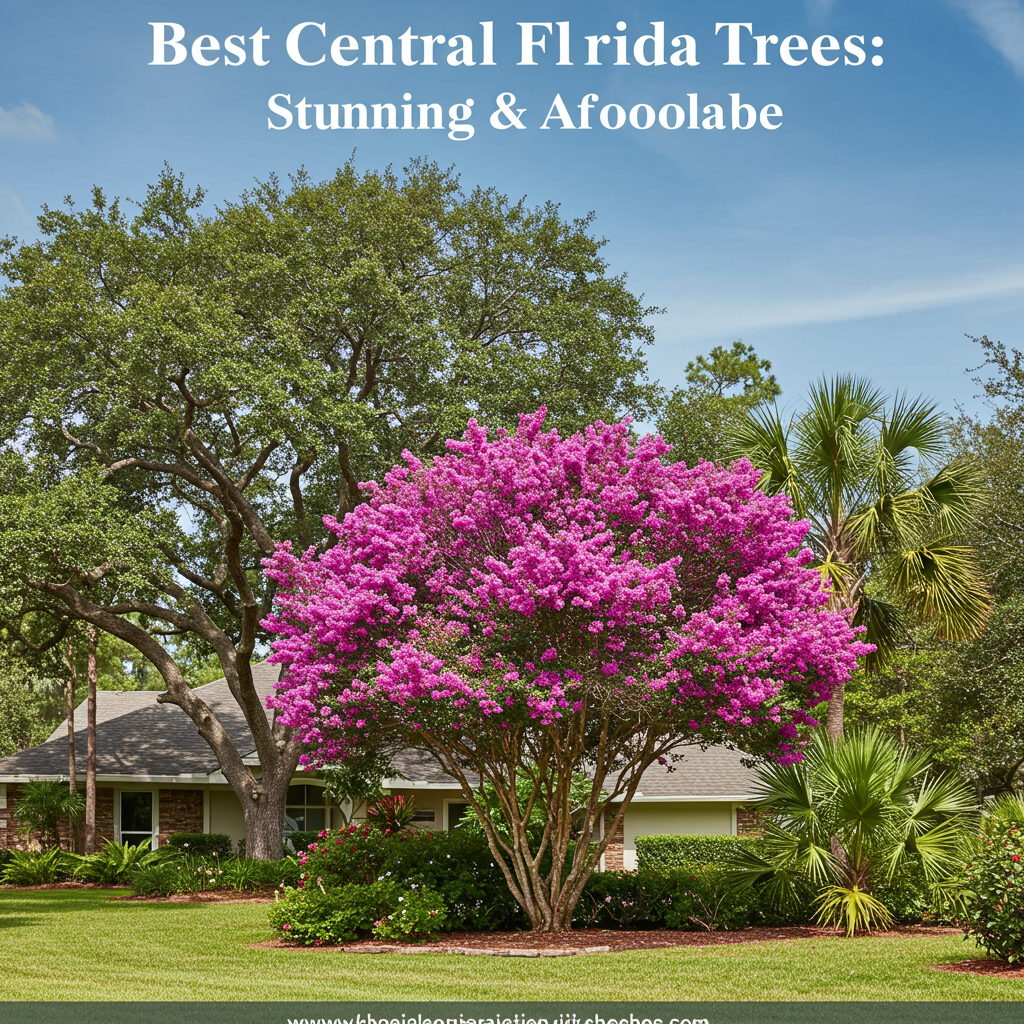
If you live in Florida or plan to garden near the coast, you know how challenging salty soil and ocean winds can be for plants. But what if you could transform your outdoor space with beautiful greenery that actually thrives in salty conditions?
You’re in luck. This guide reveals the best salt tolerant plants for Florida, complete with photos to inspire your next planting project. Whether you want towering palms, vibrant flowering shrubs, or hardy groundcovers, these plants will brighten your garden while standing strong against salt spray.
Keep reading to discover which varieties suit your style and environment perfectly—and how to make your coastal garden flourish year-round.
Salt Tolerant Trees
Salt tolerant trees thrive in Florida’s coastal areas. They withstand salty air and soil. These trees protect landscapes from wind and salt spray. They add beauty and shade to homes near the ocean. Choosing the right trees helps gardens stay healthy and green. Here are some of the best salt tolerant trees for Florida.
Cabbage Palm
The Cabbage Palm, Florida’s state tree, grows well near saltwater. It resists salt spray and strong winds. This palm has a tall trunk with fan-shaped leaves. It offers shelter to birds and wildlife. Its strong roots help prevent soil erosion.
Saw Palmetto
Saw Palmetto is a low-growing palm native to Florida. It tolerates salty soil and dry conditions. This palm has spiky leaves and grows in clusters. It is great for coastal gardens and natural landscapes. Saw Palmetto supports local wildlife and adds texture to gardens.
Washington Palm
Washington Palm is a tall tree that handles salty winds well. It has long, feather-like leaves that create a tropical look. This palm grows quickly and provides good shade. It suits urban and beachside gardens alike. Washington Palm adds elegance to any landscape.
Sea Grape
Sea Grape is a large shrub or small tree with thick leaves. It thrives in sandy, salty soils by the coast. This tree produces grape-like fruit that attracts birds. Its broad leaves protect soil from erosion. Sea Grape is popular for privacy screens and beach gardens.
Black Olive Tree
The Black Olive Tree grows fast and resists salty air. It has dark green leaves and small white flowers. This tree creates dense shade and privacy. It adapts well to urban and coastal environments. Black Olive Tree adds lush greenery to yards.
Buttonwood
Buttonwood is a hardy tree or shrub that tolerates salt and wind. It has thick, leathery leaves and small flowers. This tree often grows near mangroves and beaches. Buttonwood helps stabilize coastal soils. It is ideal for seaside landscapes.
Gumbo Limbo
Gumbo Limbo is a native tree known for its peeling red bark. It withstands salt spray and drought well. This tree has twisted branches and green leaves. Gumbo Limbo provides shade and habitat for wildlife. It adds a unique look to coastal gardens.

Credit: livingcolorgardencenter.net
Flowering Shrubs
Flowering shrubs bring color and life to Florida’s salty coastal areas. These plants thrive in salty soil and coastal winds. They add beauty with vibrant blooms and sturdy leaves. Choose from various types that handle salt well. Each shrub offers unique flowers and growth habits. These selections suit gardens near the ocean or salty environments.
Hibiscus
Hibiscus plants offer large, bright flowers in many colors. They grow well in salty soil and hot sun. Their tropical look fits perfectly in Florida gardens. These shrubs attract hummingbirds and butterflies. Hibiscus blooms almost year-round in warm climates. They need regular watering but tolerate salt spray well.
Lantana
Lantana produces clusters of small, colorful flowers. It thrives in poor, salty soils and full sun. This plant attracts butterflies and bees easily. Lantana is drought-tolerant and low maintenance. It can spread quickly, so it needs some control. Bright orange, yellow, and red flowers brighten any garden.
Bougainvillea
Bougainvillea shows off vivid bracts in pink, purple, or red. It grows well near saltwater and in sandy soils. This vine-like shrub can climb fences or walls. It requires little water once established. Bougainvillea blooms abundantly from spring to fall. Its thorny stems protect it from animals.
Firebush
Firebush has fiery red or orange tubular flowers. It attracts hummingbirds and butterflies alike. This shrub tolerates salty air and dry conditions well. Firebush can grow tall, making a great privacy screen. It blooms almost all year in Florida’s climate. The leaves are dark green with a glossy finish.
Plumeria
Plumeria features fragrant, waxy flowers often used in leis. It adapts well to salty coastal conditions. This shrub needs plenty of sunlight and good drainage. Plumeria’s blooms vary in color from white to pink and yellow. It grows slowly but provides stunning flowers. Regular pruning helps maintain a neat shape.
Oleander
Oleander is a hardy shrub with clusters of pink, white, or red flowers. It tolerates salty soil and strong coastal winds. This fast-growing plant is evergreen and low maintenance. Oleander can be shaped into hedges or standalone shrubs. All parts of the plant are toxic, so handle with care.
Seaside Rose
Seaside Rose is a tough rose variety suited for salty environments. Its flowers are usually pink or white and very fragrant. This shrub withstands salty air and sandy soils easily. It grows dense, thorny bushes that provide good shelter. Seaside Rose blooms from spring through fall. It needs occasional watering and pruning.
Coastal Perennials And Groundcovers
Coastal perennials and groundcovers thrive in salty, windy Florida shores. These plants prevent soil erosion and add color to beaches and gardens. They withstand harsh coastal conditions well. Their deep roots help stabilize sandy soil and protect nearby plants. Choose them for low-maintenance, salt-tolerant landscaping.
Beach Sunflower
Beach Sunflower (Helianthus debilis) brightens coastal areas with yellow blooms. It grows low and spreads quickly, making it a great groundcover. This plant tolerates salt spray and sandy soil easily. Bees and butterflies love its flowers. It requires full sun and little water once established.
Pentas
Pentas is a vibrant perennial with star-shaped flowers in red, pink, or white. It attracts hummingbirds and butterflies to coastal gardens. This plant tolerates salty winds and thrives in well-drained soil. Pentas blooms most of the year under Florida’s sun. It adds bright color near beach paths or patios.
Creeping Fig
Creeping Fig (Ficus pumila) is a fast-growing groundcover with small, dense leaves. It clings well to walls or rocks and handles salty air. This vine is perfect for covering fences or slopes near the coast. Creeping Fig prefers partial shade but adapts to sunny spots. It helps control erosion while adding green texture.
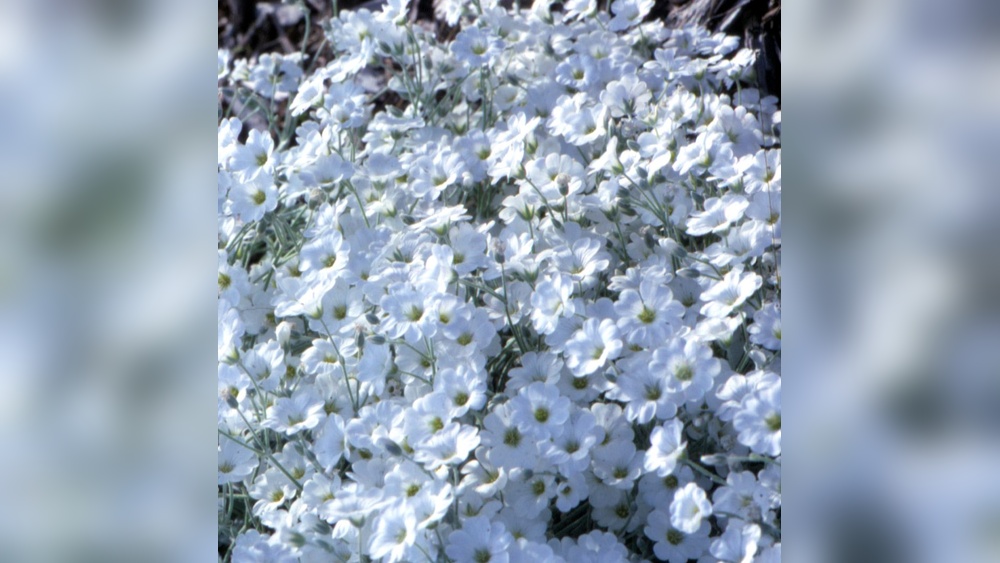
Credit: gardenvive.com
Ornamental Grasses And Succulents
Ornamental grasses and succulents bring beauty and resilience to Florida gardens. These plants thrive in salty soil and coastal winds. Their unique textures and forms add interest and color. They require little water and care, making them perfect for low-maintenance landscaping.
Muhly Grass
Muhly grass offers stunning pink-purple blooms in the fall. It grows well in sandy, salty soils along the coast. This grass attracts birds and butterflies, adding life to your garden. Muhly grass forms soft, feathery mounds that move with the breeze. It is drought-tolerant and easy to grow.
Sea Oats
Sea oats are iconic plants found on Florida’s beaches. Their tall, slender stems hold golden seed heads that sway in the wind. Sea oats protect dunes by stabilizing the sand with strong roots. They thrive in salty air and poor soil. This grass adds a natural, coastal look to any landscape.
Agave
Agave plants bring bold shapes and sharp leaves to your garden. These succulents store water in their thick leaves, making them drought and salt tolerant. Agave comes in many sizes and colors, from blue-gray to green. It requires minimal care and grows well in sandy soils. Agave is a striking choice for coastal gardens.
Herbs And Aromatic Plants
Herbs and aromatic plants add beauty and fragrance to Florida gardens. They thrive even in salty soil near the coast. These plants bring fresh scents and flavors to your home. Most herbs are easy to grow and maintain in salt-prone areas.
Choosing salt-tolerant herbs helps your garden stay healthy. Aromatic plants attract pollinators like bees and butterflies. They also provide fresh ingredients for cooking and natural remedies. Here are some of the best salt-tolerant herbs for Florida gardens.
Rosemary
Rosemary is a hardy herb that tolerates salty air and soil. It has needle-like leaves with a strong, pleasant aroma. This plant grows well in sandy, well-drained soil common in coastal areas. Rosemary needs full sun to thrive and produces small blue flowers.
It is a popular choice for Florida gardens because it resists salt damage. Rosemary can grow as a shrub or ground cover. It adds flavor to meats, soups, and vegetables in the kitchen. Its scent also repels pests, making it a natural garden protector.
Rosemary requires little water once established. Its tough nature makes it perfect for salt-exposed landscapes. This herb fits well in pots, borders, or mixed garden beds. Rosemary’s evergreen leaves provide year-round color and fragrance.
Tips For Growing Salt Tolerant Plants
Growing salt tolerant plants in Florida requires special care to thrive in harsh coastal conditions. Salt in the soil and air can harm many plants. Proper techniques help these plants grow strong and healthy. Follow these tips for best results.
Soil Preparation
Start by improving the soil drainage. Salt can build up in poor draining soils. Mix sand or organic matter to loosen heavy clay soil. This helps salt wash away from roots. Test soil pH to keep it neutral or slightly acidic. Avoid adding too much fertilizer, which can stress plants.
Watering Practices
Use fresh water to rinse off salt from leaves and soil. Water deeply and less often to encourage strong roots. Avoid overhead watering in windy areas to reduce salt spray. Early morning watering helps plants absorb moisture better. Mulch around plants to keep soil moist and cool.
Wind And Salt Spray Protection
Place salt tolerant plants where wind impact is lowest. Use physical barriers like fences or shrubs to block wind. Group plants to create natural windbreaks. Avoid planting tender plants near salty ocean spray areas. Regularly wash leaves to remove salt deposits and prevent damage.
Maintenance And Pruning
Remove dead or damaged branches promptly to prevent disease. Prune plants to improve air flow and shape. Salt stress can weaken plants, so watch for pests and diseases. Feed plants with balanced fertilizer in spring and summer. Keep mulch fresh to protect roots and reduce salt stress.
Best Plant Combinations For Coastal Gardens
Coastal gardens need plants that survive salt and wind. Choosing the right plant combinations creates a healthy and beautiful garden. Mixing trees, shrubs, flowers, and grasses helps build layers and variety. These layers protect the soil and add charm to your outdoor space.
Use plants that work well together in salty conditions. Select species that grow at different heights and bloom in different seasons. This approach keeps your garden interesting year-round. Let’s explore the best ways to combine salt-tolerant plants for coastal gardens.
Layering Trees And Shrubs
Start with tall trees like cabbage palms or sea grape for shade. Add medium shrubs such as saw palmetto or buttonwood underneath. These layers block strong coastal winds and provide shelter to smaller plants. Layering also helps reduce soil erosion near the shore.
Choose trees and shrubs with different leaf shapes and colors. This mix adds depth and interest to your garden design. Select native species for better growth and less maintenance in salty environments.
Adding Color With Flowers
Bright flowers bring life to coastal gardens. Hibiscus, lantana, and bougainvillea bloom with vivid colors and tolerate salt well. Plant these flowers near shrubs to soften the garden’s look. Use flowering plants that attract butterflies and birds for a lively setting.
Choose flowers that bloom at different times. This strategy keeps your garden colorful throughout the year. Mix various flower sizes and shapes for a natural, eye-catching effect.
Using Grasses For Texture
Grasses add movement and texture to coastal gardens. Sea oats and muhly grass thrive in salty soils and sandy ground. Their tall, wispy blades create a soft, flowing look in the breeze. Grasses also help hold soil in place and reduce erosion.
Combine grasses with flowering plants and shrubs for balanced contrast. Use grasses along paths or borders to define garden spaces. Their fine texture pairs well with broad-leaved plants for a pleasing visual mix.
Where To Find Salt Tolerant Plants In Florida
Finding salt tolerant plants in Florida is easier than many think. Several sources offer a variety of species suited for coastal and salty environments. These plants thrive despite salty soil and winds. Selecting the right place to buy them ensures healthier, long-lasting growth.
Many sellers specialize in plants that handle Florida’s unique climate. They provide expert advice to match plants with your specific garden needs. Below are the best places to find salt tolerant plants across Florida.
Nurseries And Garden Centers
Local nurseries and garden centers often carry a wide range of salt tolerant plants. Staff there usually know which species work best for Florida’s coast. Visiting in person allows you to inspect plant health and size. You can get advice on planting and care directly from experts. Many centers stock native plants like cabbage palm and sea grape. Seasonal sales offer good deals on popular choices like hibiscus and bougainvillea.
Online Plant Retailers
Online retailers provide convenient access to many salt tolerant plants. They ship directly to your home, saving travel time. Look for stores specializing in coastal or native Florida plants. Reading customer reviews helps identify reliable sellers. Many offer detailed photos and descriptions to guide your choice. Buying online lets you compare prices and find rare varieties. Just check the shipping policies to ensure safe delivery in Florida’s climate.
Native Plant Societies
Native plant societies promote Florida’s natural flora and conservation. They often organize plant sales and swaps featuring salt tolerant species. Joining one can connect you with local gardeners and experts. These groups share knowledge on growing and maintaining coastal plants. They may also offer workshops and guided tours. Supporting native plant societies helps protect Florida’s environment while beautifying your garden.
:max_bytes(150000):strip_icc()/salt-tolerant-plants-for-beach-and-roadside-landscaping-4767375-01-20e748c1b3f34d16854ce7ba66157368.jpg "Best Salt Tolerant Plants for Florida With Photos: Ultimate Guide 4")
Credit: www.thespruce.com
Frequently Asked Questions
What Plants Are Saltwater Tolerant In Florida?
Florida saltwater-tolerant plants include cabbage palm, saw palmetto, sea grape, hibiscus, lantana, bougainvillea, sea oats, buttonwood, and oleander. These natives and popular shrubs thrive in salty coastal soils and withstand salt spray effectively.
What Plants Do Well With Salt Water?
Salt-tolerant plants include cabbage palm, saw palmetto, sea grape, hibiscus, lantana, bougainvillea, sea oats, buttonwood, and oleander. These thrive in coastal, salty conditions.
What Is The Best Low Maintenance Landscape In Florida?
The best low maintenance landscape in Florida uses salt-tolerant plants like cabbage palm, saw palmetto, sea grape, hibiscus, lantana, and bougainvillea. These natives thrive in coastal conditions, require minimal care, and resist salt, heat, and drought, making them ideal for Florida’s climate.
What Plants Can Survive In The Heat In Florida?
Heat-tolerant plants in Florida include cabbage palm, saw palmetto, sea grape, hibiscus, lantana, bougainvillea, firebush, and agave. These thrive in hot, salty, and sandy conditions.
Conclusion
Choosing salt-tolerant plants helps your Florida garden thrive near the coast. These plants survive salty soil and strong winds well. Palms, shrubs, and grasses offer many colorful, hardy options. Growing them adds beauty and resilience to your outdoor space. With the right plants, your garden stays healthy despite challenging conditions.
Enjoy nature’s best salt-tolerant plants and create a vibrant coastal garden today.