Knowing the best time to plant palm trees in Florida is crucial for their successful growth and establishment. This comprehensive guide provides expert advice on ideal planting seasons, specific considerations for different palm species, and essential tips for ensuring your palm trees thrive in the Florida climate.
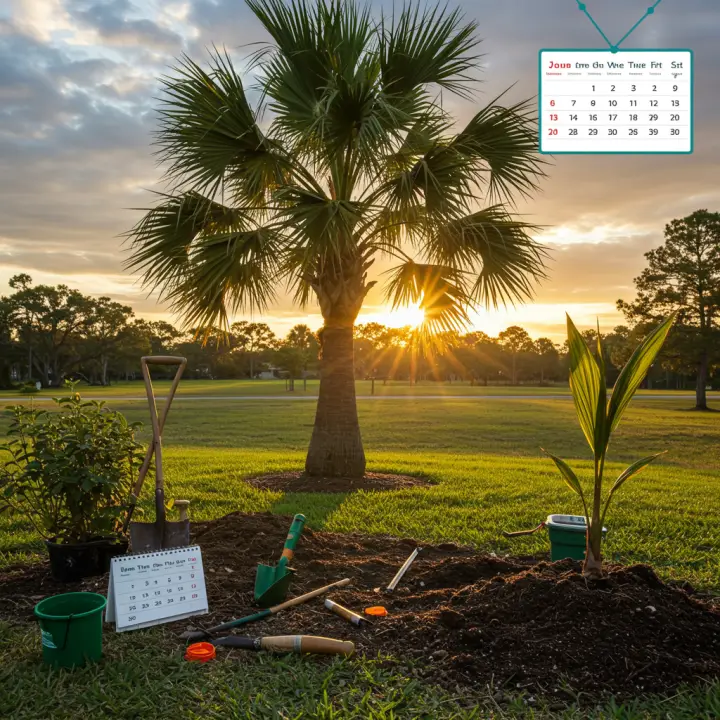
Introduction: Planting Palms in the Sunshine State
Florida’s tropical and subtropical climate makes it a haven for palm trees. These iconic symbols of paradise add beauty and value to any landscape. However, planting them at the right time is essential for maximizing their chances of survival and healthy growth. This guide will delve into the specifics of when and how to plant palm trees in Florida, ensuring your investment flourishes for years to come.
When is the Best Time to Plant Palm Trees in Florida?
The optimal time to plant palm trees in Florida is during the wet season, which typically runs from late spring to early fall (May to October). The abundant rainfall during these months provides essential hydration for newly planted palms, helping them establish a robust root system before the drier, cooler months arrive. Planting during the wet season reduces the need for supplemental watering and lowers the risk of transplant shock.
Why the Wet Season is Ideal
Reduced Watering Needs: Frequent rainfall minimizes the need for manual irrigation, saving you time and resources.
Optimal Root Development: Consistent moisture encourages rapid root growth, allowing the palm to anchor itself firmly in the ground.
Less Transplant Shock: The humid air and warm soil temperatures of the wet season create a more hospitable environment for newly planted palms.
Planting Palm Trees in the Dry Season: Challenges and Considerations
While the wet season is ideal, planting during the dry season (November to April) is possible with extra care and attention. Here’s what you need to consider:
Increased Watering Frequency: Supplemental watering is crucial during the dry season to prevent dehydration and ensure root establishment.
Protection from Cold Snaps: Young palm trees are vulnerable to cold temperatures. Be prepared to protect them with blankets or burlap during occasional cold snaps.
Higher Risk of Transplant Shock: The drier air and cooler soil temperatures can increase the risk of transplant shock, so careful monitoring is essential.
Palm Tree Species and Planting Time
While the general rule favors the wet season, specific palm species may have slightly different optimal planting times.
Cold-Hardy Palms (e.g., Sabal Palmetto, Needle Palm): These palms can tolerate cooler temperatures and can be planted in late fall or early winter.
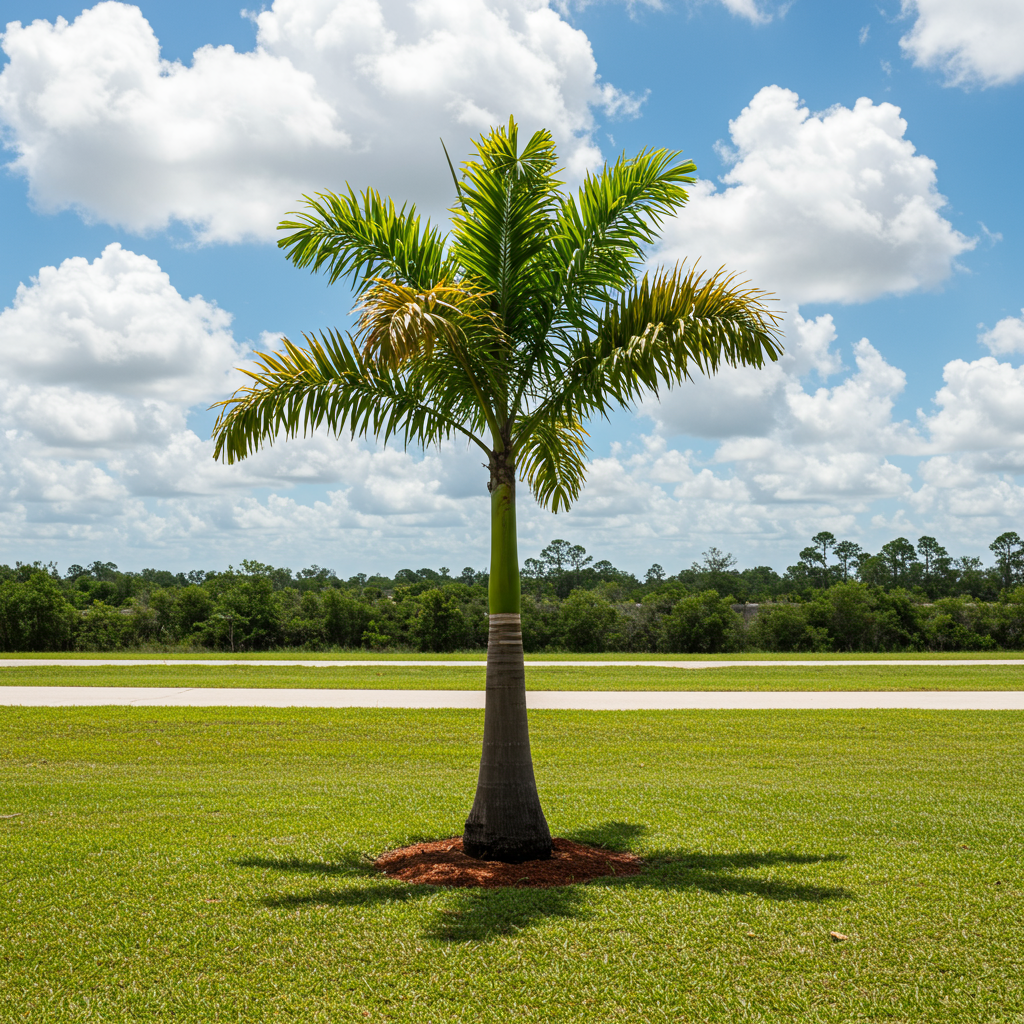
Tropical Palms (e.g., Coconut Palm, Royal Palm): These palms thrive in warmer temperatures and are best planted in late spring or early summer.
Step-by-Step Guide to Planting Palm Trees in Florida
1. Choose the Right Location: Select a location that receives adequate sunlight and has well-drained soil.
2. Prepare the Planting Hole: Dig a hole twice as wide and as deep as the root ball.
3. Carefully Remove the Palm from its Container: Avoid damaging the roots.
4. Position the Palm in the Hole: Ensure the top of the root ball is level with the surrounding ground.
5. Backfill the Hole: Use native soil amended with compost to improve drainage and fertility.
6. Water Thoroughly: Soak the soil deeply after planting.
7. Mulch Around the Base: Apply a layer of mulch to retain moisture and suppress weeds.
8. Stake if Necessary: Tall or slender palms may require staking for support.
Ongoing Care for Newly Planted Palm Trees
Regular Watering: Continue to water regularly, especially during the dry season, until the palm is established.
Fertilization: Apply a slow-release palm fertilizer according to package directions.
Pruning: Remove only dead or damaged fronds. Over-pruning can weaken the palm.
Pest and Disease Control: Monitor for common palm pests and diseases and take appropriate action if necessary.
FAQs: Frequently Asked Questions about Planting Palm Trees in Florida
Q: Can I plant a palm tree in a pot?
A: Yes, many palm species can be grown in containers, but they require specific potting mixes and regular fertilization.
Q: How long does it take for a palm tree to become established?
A: It typically takes several months to a year for a palm tree to become fully established.
Q: How often should I water a newly planted palm tree?
A: Water deeply every 2-3 days during the dry season and less frequently during the wet season.
Q: What are some common signs of transplant shock in palm trees?
A: Wilting, yellowing fronds, and leaf drop can be signs of transplant shock.
Q: Do I need to fertilize newly planted palm trees?
A: Yes, fertilizing after a few months helps promote healthy growth.
Conclusion: Planting Success in the Sunshine State
Planting palm trees in Florida can be a rewarding experience. By following these guidelines and paying attention to the specific needs of your chosen palm species, you can ensure your palm trees thrive and add beauty to your landscape for years to come. Remember, choosing the right time to plant, coupled with proper care and maintenance, is key to enjoying the beauty and elegance these iconic trees bring to the Florida landscape. Remember to observe your trees regularly and address any issues promptly. With a little effort, you can create your own tropical oasis in the heart of Florida.