Picture this: a crisp autumn day, sunshine warming your face, and the irresistible scent of freshly picked apples wafting from your backyard. Sounds idyllic, right? If you live in Florida, you might think growing your own apples is a far-fetched dream. However, with the right knowledge, you can absolutely cultivate some of the best apples to grow in Florida right in your own garden! This post is designed to help you discover the perfect varieties for the Sunshine State. You’ll learn the secrets to successful apple cultivation in Florida. This will equip you to make informed decisions and transform your garden into a fruitful paradise. Get ready to enjoy home-grown apples!
Key Takeaways
- Discover the unique challenges and opportunities of growing apples in Florida’s climate.
- Identify apple varieties specifically adapted to Florida’s warm, humid environment.
- Learn essential cultivation techniques to ensure a thriving apple orchard.
- Find out about common pests and diseases and how to manage them.
- Understand the importance of choosing the right rootstock for optimal results.
- Gain valuable tips on harvesting, storing, and enjoying your home-grown apples.
The 10 Best Apples to Grow in Florida
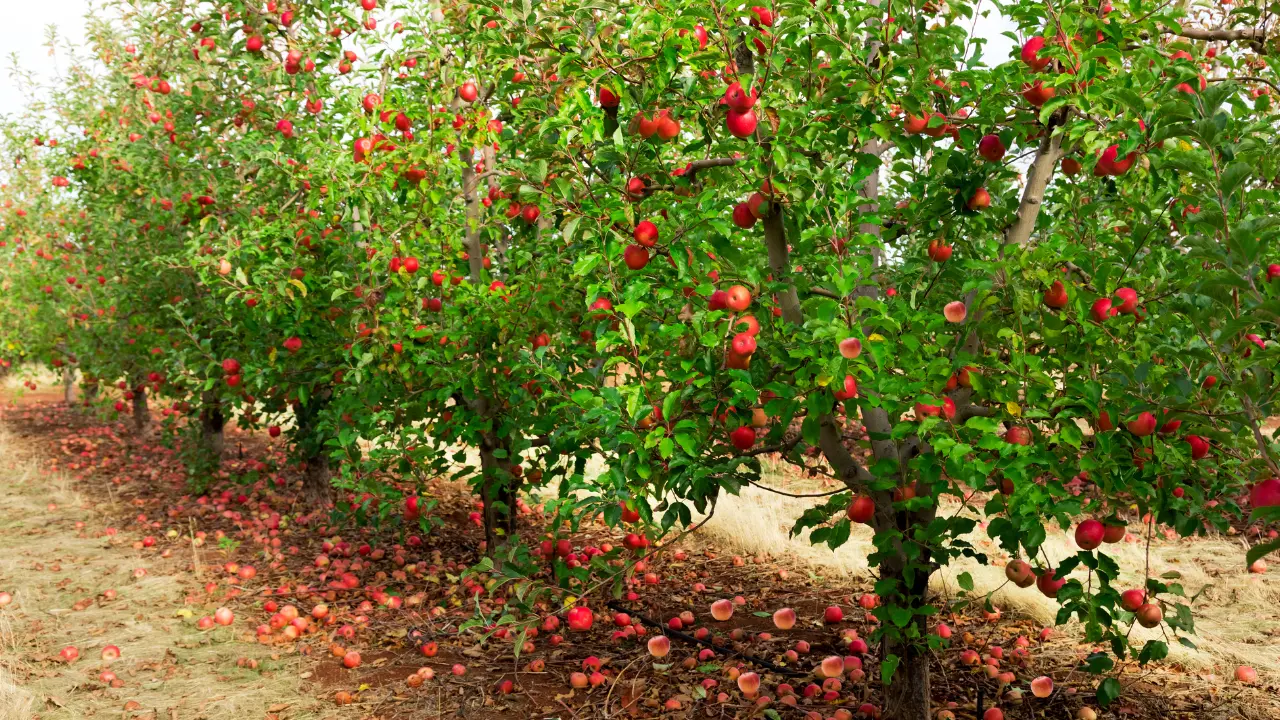
Growing apples in Florida can be challenging, but it’s far from impossible! The state’s warm temperatures and high humidity present unique hurdles, but also offer opportunities. The key lies in selecting apple varieties specifically bred to thrive in these conditions. This list explores the ten best apples to grow in Florida, along with detailed information on their characteristics, care requirements, and benefits. We’ll explore everything from choosing the right varieties to providing the proper care, ensuring a successful apple-growing experience.
1. Anna Apple
The Anna apple (Malus domestica ‘Anna’) is a popular dual-purpose apple cultivar known for its early ripening and suitability for warm climates. Developed in Israel in the 1950s by the Volcani Center, it was specifically bred for low-chill environments where traditional apple varieties struggle due to insufficient winter hours below 45°F (7°C). It requires only about 200–300 chill hours, making it ideal for subtropical regions like the southern U.S. (e.g., Gulf Coast, Florida, California), the Mediterranean, and parts of Australia.
Key Characteristics
- Fruit Appearance: Small to medium-sized (about 6–6.5 cm in diameter), round-conical shape. Skin is thin, light green-yellow with a subtle red blush on the sunny side. Flesh is creamy white, crisp, and juicy.
- Flavor Profile: Sweet and mild with low acidity, reminiscent of Golden Delicious. Best eaten fresh when crisp (green-skinned fruits) but can soften quickly if overripe. Suitable for eating raw, baking, or cider.
- Harvest Time: Very early—mid-summer (June–July in the Northern Hemisphere), often the first apple to ripen in suitable climates. Yields heavy crops annually, with fruits storing for up to 2 months in cool conditions.
- Tree Traits: Vigorous, precocious (fruits young), and semi-dwarf on standard rootstocks (grows 15–25 ft tall; prune to 10–12 ft for manageability). Self-fertile but benefits from pollinators like Dorsett Golden. Susceptible to powdery mildew and fire blight, so good air circulation is key.
2. Dorsett Golden
Dorsett Golden is a popular choice for Florida growers due to its low chill hours requirement, typically needing around 100-200 hours. This means it can produce fruit in areas where winters are mild. This is often described as a self-pollinating variety, though cross-pollination with another apple variety will increase yields. The fruit is yellow-skinned and crisp, with a sweet, slightly tart flavor. It ripens in late May to early June, providing an early-season harvest. The tree is known for its vigorous growth and is relatively resistant to common apple diseases. Proper pruning and fertilization are key to maintaining tree health and maximizing fruit production.
Care and Considerations
- Dorsett Golden is often a reliable choice.
- Regular pruning helps with fruit production.
- Provide adequate sun exposure for best fruit flavor.
- Monitor for common apple pests and diseases.
Dorsett Golden produces medium-sized apples that have a beautiful golden color when ripe. They have a sweet taste with a hint of tartness, making them great for eating fresh or for use in cooking. This variety is often favored for its early ripening, allowing growers to enjoy fresh apples sooner. To keep the tree healthy and productive, it’s vital to prune it regularly. Pruning helps maintain a good shape and improves airflow, which can help prevent diseases.
3. Golden Dorsett
Golden Dorsett, a sport of the Dorsett Golden variety, shares many of the same traits. It is one of the best apples to grow in Florida and requires a low chill hour requirement. The fruit is similar in appearance, a yellow apple. The fruit ripens in the early summer, offering a taste experience. Because of their adaptability, these trees are a valuable asset. To ensure successful growth, they require well-draining soil and are exposed to sunlight. Regular pruning helps maintain the tree’s shape and improve air circulation, reducing disease risk.
Key Features
- Similar to Dorsett Golden but with slight variations.
- Good choice for warm climates.
- Easy to grow and maintain.
- Produces a high yield of fruit.
The versatility of Golden Dorsett makes it a popular choice for many Florida gardeners. This is because they can grow in a wide range of conditions, and they require minimal care. The apples are good for eating fresh. They have a crisp texture and sweet taste, making them very pleasant for a snack. They also work well in cooking and baking. Proper care includes regular watering, fertilizing, and protecting the tree from pests and diseases.
4. Ein Shemer
Ein Shemer is a newer variety gaining attention in Florida. It’s known for its relatively low chill hour requirement, around 100 to 200 hours. The apple is primarily red with a crisp texture, offering a balance of sweetness and tartness. The fruit ripens in mid-summer, providing a good mid-season harvest. This variety is known for its disease resistance, making it an excellent option for areas with high humidity. Proper care, including regular watering and fertilization, can help ensure optimal fruit production.
Growing Ein Shemer
- Choose a sunny location with well-draining soil.
- Water regularly, especially during dry periods.
- Fertilize with a balanced fertilizer.
- Monitor for pests and diseases.
Ein Shemer is an ideal choice for the Sunshine State. The apples are typically medium-sized and firm. They are sweet and slightly acidic, making them a very enjoyable snack. The tree’s resistance to common apple diseases makes it a simpler choice. It is a productive variety, providing a good yield. The apples are often used for fresh eating, but also work well in cooking. Regular maintenance, including pruning, keeps the tree healthy and productive.
5. Fuji Apple
The Fuji apple, famous for its sweet taste and long storage life, can thrive in certain areas of Florida. The chill hour requirements are higher than some other Florida varieties, about 400 to 500 hours. The fruit is crisp, with a sweet flavor that makes it a favorite for fresh eating. If the conditions are right, the Fuji apple can grow well. Success depends on selecting the best microclimates. These areas should experience cooler temperatures during the winter. Regular care, including pruning and protection from pests, is essential.
Challenges and Rewards
- Requires more chill hours than other varieties.
- The best performance in specific microclimates.
- The fruit is sweet and stores very well.
- A rewarding option for those who provide special care.
Growing Fuji apples in Florida means the rewards are high. This apple is very versatile, and it can be eaten fresh, baked, or used in various recipes. Proper care includes pruning to promote good air circulation, and to thin the fruit for larger apples. Because of their long storage life, Fuji apples can be enjoyed for months after harvesting. To improve your chances of success, select a rootstock. It should be disease-resistant and well-suited to Florida’s soil conditions.
6. Gala Apple
The Gala apple, a popular variety worldwide, can be grown in certain areas of Florida. This is because of its adaptable nature. It needs about 300 to 400 chill hours. The fruit is typically red with a yellow background. The Gala has a crisp texture and a sweet flavor, which is enjoyable. This makes it a great choice for eating fresh and also cooking. The tree has been known to be productive in regions with cooler temperatures during the winter. This means it may require some extra effort to thrive in some parts of Florida.
Growing Gala in Florida
- Requires a moderate number of chill hours.
- Can benefit from microclimates.
- Requires pruning.
- Fruit is sweet and flavorful.
To grow Gala apples well, it’s essential to select a spot in your yard where the tree will receive enough sunlight. This variety is less resistant to heat and humidity than other apples. Proper care includes regular watering, fertilizing, and pest control. Because of their taste, Gala apples are good for eating fresh and in salads. They also work well in pies and other baked goods. Regular pruning helps ensure good yields. It also keeps the tree healthy and helps to prevent diseases.
7. Mollie’s Delicious
Mollie’s Delicious is a cultivar known for producing good quality fruit, which can be grown in some regions of Florida. It requires around 300-400 chill hours, similar to Gala. The fruit is medium to large in size. It has a beautiful red color and a sweet flavor that is a good choice. This apple’s taste is balanced. They have a crisp texture and a slight tartness. This tree is productive in areas where the winters are cooler. In Florida, it’s very important to choose a location that gets a lot of sunlight.
Key Characteristics
- The flavor is considered sweet and delicious.
- The fruit is medium to large, and visually appealing.
- Requires moderate chill hours.
- Can be grown in areas with cooler winters.
When growing Mollie’s Delicious in Florida, it’s important to provide proper care. This includes watering, fertilizing, and pest and disease control. To ensure your tree is healthy, you need to prune it regularly. The apples are excellent for eating fresh. They can also be used in cooking and baking. This is a very versatile apple. Success depends on giving the tree the attention it requires.
8. Granny Smith
Granny Smith apples, famous for their tart taste and crisp texture, can be grown in Florida under the right conditions. This variety requires about 400-500 chill hours. The fruit has a vibrant green skin. They are known for their firm, juicy flesh and refreshing tartness. Granny Smith apples are versatile. They are great for eating fresh, baking, and cooking. Choosing a sunny location and providing the right care are vital to success. This is one of the best apples to grow in Florida.
Care and Maintenance
- Requires moderate to high chill hours.
- The fruit is a tart and crisp texture.
- Versatile and great for cooking.
- Good for specific microclimates in Florida.
If you’re growing Granny Smith apples in Florida, remember that you may need to select a spot with specific conditions. It is important to remember that these apples do well in Florida. Regular pruning helps maintain the tree’s shape. It also helps to ensure the apples receive adequate sunlight. Consistent watering and fertilization are necessary for health. Granny Smith apples are delicious in pies, tarts, and other baked goods. These apples are a favorite for cooking.
9. Tropical Sweet
Tropical Sweet is specifically designed for warm climates and is an excellent choice for Florida growers. It has a low chill hour requirement, around 200 hours, making it suitable for many areas of the state. The fruit is known for its sweet taste and crisp texture. It provides a taste experience. The tree is also disease-resistant. This makes it a great pick for Florida. It produces in the early to mid-summer, providing a harvest. Proper pruning and fertilization are necessary to make sure the tree stays healthy and produces well.
Advantages of Tropical Sweet
- Adapted to Florida’s warm climate.
- Low chill hour requirement.
- Very sweet and tasty fruit.
- Disease-resistant.
If you grow Tropical Sweet apples, it’s best to plant it in a place with plenty of sunlight and well-draining soil. This variety is known to be very sweet. It makes a pleasant snack. Tropical Sweet apples are also great for cooking. They are a welcome addition to any Florida garden. It is vital to prune the tree regularly and fertilize it correctly. This will help maintain its shape. Proper care helps to increase the fruit yield, and to prevent diseases.
10. William’s Pride
William’s Pride is a relatively new apple variety that shows great promise for Florida. It needs about 300 to 400 chill hours. The fruit is known for its beautiful red color. It is crisp and juicy, with a good balance of sweet and tart flavors. The tree is known for being resistant to common apple diseases, which is a big benefit in humid Florida. They ripen in late July, providing a harvest. Pruning and giving the tree the right amount of care helps maintain its health and boost fruit production.
Features and Benefits
- Relatively disease-resistant.
- Produces a good flavor.
- Produces a nice color.
- Grows well under the right conditions.
When growing William’s Pride apples, it’s vital to choose a sunny location in your garden and provide well-draining soil. Regular watering, especially during dry periods, is a must. The apples are great for eating fresh and also work well in various cooking applications. This variety is a good choice for those wanting to grow their own apples in Florida. Give it the care it needs, and it will produce a good harvest.
Common Myths Debunked
Myth 1: Apples Can’t Grow in Florida’s Heat
This is partially true. Traditional apple varieties do struggle in Florida’s heat and humidity. However, specific cultivars, like Anna and Dorsett Golden, have been bred to thrive in warmer climates. They have lower chill hour requirements. The key is to select the right apple type. You can grow apples in Florida. You just need to know which ones will thrive.
Myth 2: Florida Apples Always Taste Bland
Not at all! While the taste can depend on the variety and care, many Florida-grown apples have a delightful flavor. Varieties like Anna, Dorsett Golden, and Tropical Sweet, offer sweet and crisp flavors that are pleasant. Proper care and the right climate can make these apples delicious and rival those grown in colder regions. You can grow sweet and crisp apples in Florida.
Myth 3: Apples Need Freezing Winters to Produce Fruit
While traditional apple trees need a certain amount of cold weather to bear fruit, many of the best apples to grow in Florida have adapted to lower chill hours. These varieties need much less time in cold temperatures to produce. This means that apples can bear fruit even in Florida’s mild winters. So the idea that freezing winters are essential is incorrect.
Myth 4: Apple Trees Are Always Difficult to Grow
While apple trees can be a little demanding, with the right information and effort, they can thrive in Florida. The best varieties for Florida are often hardier and more disease-resistant. Proper planting, watering, fertilizing, and pruning can make a big difference. It is not always difficult to cultivate apple trees.
Myth 5: All Apples Are Susceptible to the Same Pests and Diseases
This is not accurate. Different apple varieties have varying levels of resistance to pests and diseases. For instance, some cultivars are less prone to common issues like apple scab or fire blight. Choosing disease-resistant varieties is one of the most effective ways to manage potential problems. When you choose your apple tree variety, consider its resilience.
Frequently Asked Questions
Question: What is a chill hour?
Answer: A chill hour is a period of time during which the temperature is between 32°F and 45°F (0°C to 7°C). Apple trees need a certain number of chill hours to break dormancy and produce fruit.
Question: Can I grow any apple tree in Florida?
Answer: Not all apple trees are suitable for Florida. Choose varieties that are bred to tolerate Florida’s warm climate, high humidity, and low chill hours.
Question: When is the best time to plant apple trees in Florida?
Answer: The best time to plant apple trees in Florida is during the dormant season, typically from late fall to early winter.
Question: What kind of soil is best for apple trees?
Answer: Apple trees prefer well-draining soil. Consider amending your soil with compost or other organic matter to improve drainage and fertility.
Question: Do I need to pollinate my apple trees?
Answer: Some apple varieties are self-pollinating, meaning they can produce fruit without another tree nearby. Others require cross-pollination with a different variety. Check the specific requirements of the apple variety you choose.
Final Thoughts
Embarking on the adventure of growing your own apples in Florida is a rewarding experience. While the state’s climate presents unique challenges, the possibilities are boundless. You now possess the knowledge to choose the best apple varieties for your backyard, understanding their specific needs and how to meet them. From selecting the right varieties to providing proper care and maintenance, you’re well-equipped to transform your space into an apple-growing paradise. By applying what you’ve learned, you can make the dream of fresh, home-grown apples a delicious reality.