Are you excited to grow blueberries in Florida? Blueberries are tasty and healthy. But not all blueberries grow well in Florida’s warm weather. Choosing the right type is very important.
Which Blueberries Grow Well in Florida?
There are two main types of blueberries that grow well here:
- Rabbiteye blueberries
- Southern highbush blueberries
Each type has special kinds that like Florida’s weather. Only low-chill varieties grow well. “Low-chill” means they do not need many cold hours to grow.
Rabbiteye Blueberries
Rabbiteye blueberries can live in parts of Florida with cooler winters. These are good for North and Central Florida. They are strong and make many berries.
Some popular rabbiteye blueberry kinds are:
- ‘Premier’ – Sweet and big berries.
- ‘Tifblue’ – Good for many climates.
- ‘Powderblue’ – Good for home gardens.
- ‘Climax’ – Early ripening and tasty.
Rabbiteye blueberries do best in areas with some winter chill. They need about 400 to 600 chill hours.
Southern Highbush Blueberries
Southern highbush blueberries need less chill time. This makes them perfect for Central and South Florida. They grow fast and produce many berries.
Some good southern highbush blueberry varieties are:
- ‘Misty’ – Sweet with large fruit.
- ‘Emerald’ – Strong plant and tasty berries.
- ‘Jewel’ – Good for warm areas.
- ‘O’Neal’ – Early fruiting and sweet.
These blueberries need about 150 to 300 chill hours. They work well where winters are mild.
Why Chill Hours Matter
Blueberries need cold hours to grow well. Chill hours mean how many hours the temperature is below 45°F (7°C). In Florida, winters are warm. So, plants needing many chill hours will not grow well.
Low-chill blueberries fit Florida’s warm climate. They will bloom and make fruit on time.

Credit: www.tallahassee.com
Where to Plant Blueberries in Florida
Florida is big and has many climates. The best blueberry types depend on your location.
| Region | Best Blueberry Type | Recommended Varieties |
|---|---|---|
| North Florida | Rabbiteye and Southern Highbush | ‘Premier’, ‘Tifblue’, ‘Misty’, ‘Emerald’ |
| Central Florida | Rabbiteye and Southern Highbush | ‘Climax’, ‘Powderblue’, ‘Jewel’, ‘O’Neal’ |
| South Florida | Southern Highbush only | ‘Misty’, ‘Emerald’, ‘Jewel’ |
Soil and Planting Tips for Florida Blueberries
Blueberries need special soil. They like acidic soil with a pH between 4.5 and 5.5. Florida soil is often sandy and not acidic enough.
Here are steps to prepare soil:
- Test your soil pH with a kit.
- Add sulfur or peat moss to lower pH.
- Use mulch to keep soil moist and cool.
- Plant in a sunny place with good drainage.
Good soil helps blueberry plants grow strong and healthy.
When to Plant Blueberries in Florida
The best time to plant blueberries is in winter. Plant before spring starts. This gives plants time to grow roots before hot weather.
You can buy blueberry plants as bare-root or in containers. Both work well.
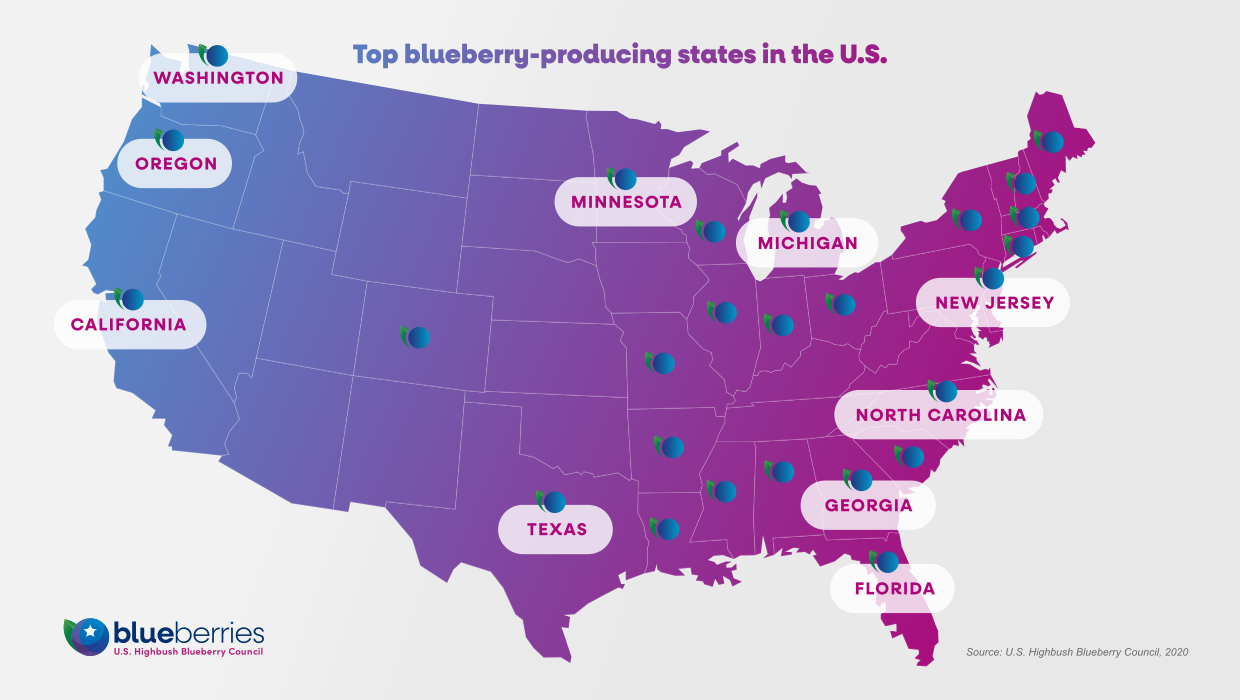
Credit: blueberry.org
Watering and Care
Blueberries need regular watering. They like moist but not wet soil. Water plants deeply once or twice a week. More water is needed in hot weather.
Mulch helps keep soil moist and stops weeds.
Fertilize blueberries in early spring and late summer. Use fertilizer made for acid-loving plants.
Protecting Blueberries from Pests and Diseases
Florida’s warm climate can bring pests like birds and insects. Birds love blueberries. Use netting to protect berries.
Watch for insects such as aphids or mites. You can spray water or use safe insect sprays.
Keep plants healthy by pruning old branches. Pruning helps air flow and reduces diseases.
How to Get More Blueberries
Plant more than one blueberry variety. Different types help each other with pollination. This means more fruit for you!
Try planting both rabbiteye and southern highbush blueberries if your area allows. This extends the harvest season.
Summary: Best Blueberries for Florida
Here is a quick look at the best choices:
| Blueberry Type | Best for | Example Varieties | Chill Hours Needed |
|---|---|---|---|
| Rabbiteye | North and Central Florida | ‘Premier’, ‘Tifblue’, ‘Powderblue’, ‘Climax’ | 400-600 hours |
| Southern Highbush | Central and South Florida | ‘Misty’, ‘Emerald’, ‘Jewel’, ‘O’Neal’ | 150-300 hours |
Final Thoughts
Growing blueberries in Florida is fun and rewarding. Pick the right type for your area. Prepare the soil well. Water and care for your plants. Protect them from pests. Soon, you will enjoy fresh, sweet blueberries!
Start your blueberry garden today. It is a great way to enjoy fresh fruit at home.
Frequently Asked Questions
What Is The Best Blueberry To Grow In Florida?
The best blueberries for Florida are low-chill rabbiteye and southern highbush varieties. Rabbiteye suits Central and North Florida winters. Southern highbush thrives statewide with fewer chill hours. Plant both for cross-pollination and a longer harvest season. These varieties adapt well to Florida’s climate and soil conditions.
When’s The Best Time To Plant Blueberries In Florida?
Plant blueberries in Florida during winter, before spring growth starts. Choose low-chill rabbiteye or southern highbush varieties for best results.
What Berries Grow Best In Florida?
Blueberries (Southern highbush and Rabbiteye), blackberries (‘Prime-Ark’, ‘Ouachita’), mulberries, native beautyberries, and seagrape grow best in Florida’s climate. Strawberries thrive in pots with rich soil. Choose low-chill varieties suited for your region to ensure a fruitful harvest.
What Blueberries Are Most Heat Tolerant?
Rabbiteye and Southern highbush blueberries with low-chill requirements show the most heat tolerance. These varieties thrive in Florida’s warm climate. Choose cultivars like ‘Prime-Ark’ or ‘Ouachita’ for better heat and low-chill adaptability, ensuring a productive harvest in hot regions.