Looking to create a stunning garden border that thrives under Florida’s blazing sun and high humidity? You’re in the right place.
Choosing the best border plants for Florida can transform your outdoor space into a vibrant, low-maintenance paradise. Whether you want bursts of colorful flowers or lush greenery, the right plants will not only survive but flourish in Florida’s unique climate.
You’ll discover easy-to-grow, heat-tolerant plants that bring beauty and resilience to your garden borders. Keep reading to find the perfect plants that suit your style and make your garden the envy of the neighborhood.
Heat-tolerant Flowering Plants
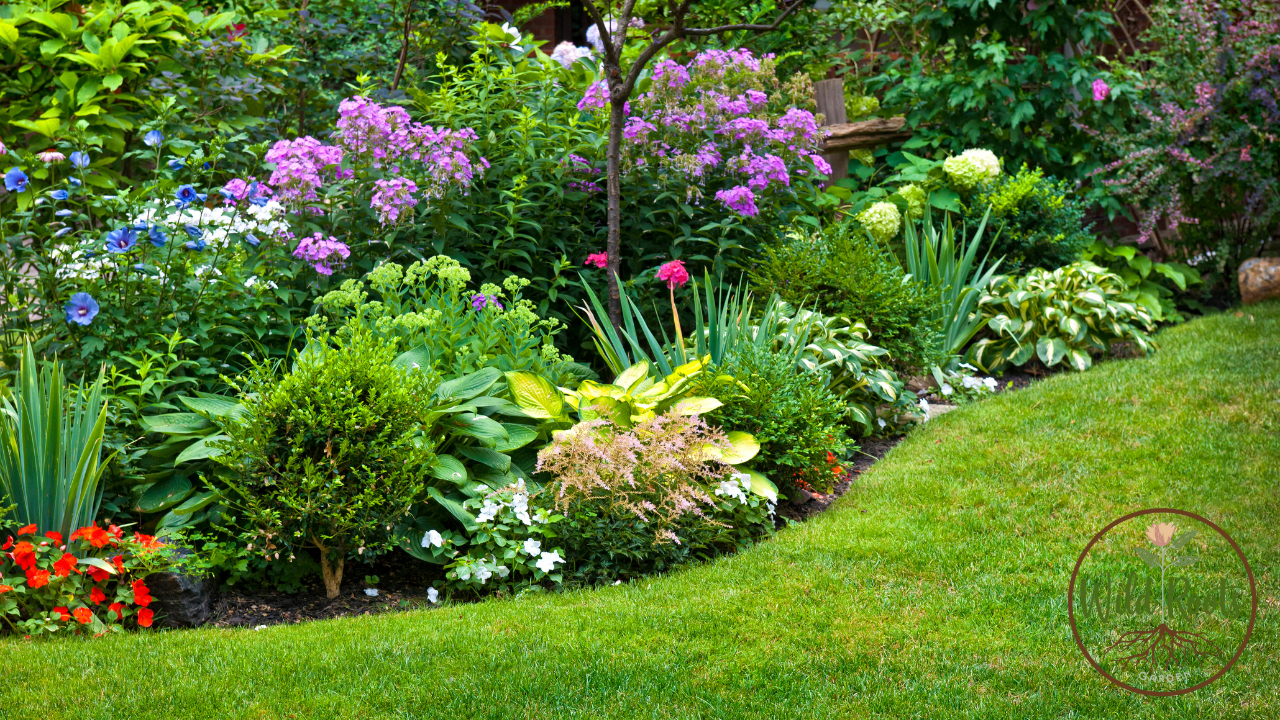
Heat-tolerant flowering plants stand out in Florida gardens. They handle intense sun and high humidity with ease. These plants add color and life to any border. They require less water and care, making them ideal for busy gardeners.
Many heat-loving flowers bloom all summer. Their bright colors attract butterflies and hummingbirds. These plants keep your garden vibrant even in the hottest months.
Lantana Varieties
Lantanas are tough and colorful. They bloom in clusters of red, orange, yellow, and purple. These plants attract pollinators and resist drought well. Lantanas grow quickly and work well as border plants.
Hibiscus Types
Hibiscus flowers bring tropical flair. Their large blooms come in red, pink, white, and yellow. They thrive in Florida’s heat and humidity. Hibiscus plants grow tall and add bold color to borders.
Pentas Colors
Pentas produce star-shaped flowers in pink, red, lavender, and white. They bloom continuously from spring to fall. Pentas attract butterflies and hummingbirds. These plants are low-maintenance and heat tolerant.
Salvia Features
Salvias have spiky flower clusters in blue, purple, red, and white. They tolerate drought and heat very well. Salvia plants attract bees and hummingbirds. They add vertical interest to garden borders.
Sunflower Varieties
Sunflowers are classic heat lovers. Their large, bright yellow blooms face the sun. They grow tall and bring cheer to any border. Sunflowers also attract pollinators and birds.
Coreopsis And Coneflowers
Coreopsis offers bright yellow flowers that bloom all summer. Coneflowers have pink, purple, or white petals with a dark center. Both plants thrive in full sun and dry soil. They attract butterflies and require little care.
Zinnia And Plumbago
Zinnias are easy to grow and come in many bright colors. They bloom from spring until frost. Plumbago produces clusters of blue or white flowers. Both plants handle heat well and brighten sunny borders.
Firespike And Firebush
Firespike features tall spikes of red or orange flowers. Firebush has bright red tubular flowers that attract hummingbirds. Both plants love heat and add vibrant color to Florida gardens. They grow well in sunny to partly shaded borders.
Colorful Foliage Plants
Colorful foliage plants bring a lively touch to Florida borders. Their bright leaves create eye-catching displays all year. These plants thrive in Florida’s heat and humidity. They require little care while adding texture and color. Choosing the right foliage plants can transform plain edges into vibrant garden highlights.
Crotons’ Patterns
Crotons are famous for their bold, patterned leaves. Their colors range from deep green to bright yellow, red, and orange. Each leaf shows unique patterns, making crotons a natural artwork. They grow well in sunny spots and tolerate Florida’s heat. Crotons add a tropical vibe and stand out in any garden border.
Bromeliads In Sun
Bromeliads thrive under Florida’s bright sun. They offer colorful rosettes of leaves with interesting shapes. Some bromeliads show red, pink, or purple hues that brighten garden edges. These plants handle heat and dry spells well. Bromeliads fit perfectly in sunny borders and need minimal watering.
Succulents For Borders
Succulents are perfect for low-maintenance, colorful borders. Their thick, fleshy leaves store water, making them drought-tolerant. Many succulents display shades of green, blue, pink, and purple. They add unique shapes and textures to garden edges. Succulents thrive in Florida’s sun and dry spells with little fuss.
Tropical And Native Choices
Florida’s warm climate supports a variety of tropical and native plants. These plants create beautiful borders that thrive with minimal care. Choosing tropical and native species helps your garden stay healthy and vibrant year-round. Native plants adapt well to local conditions and require less water. Tropical plants bring lush greenery and exotic flair to any space.
Palms For Shade And Sun
Palms are a classic choice for Florida borders. They grow well in both shade and full sun. Palms add height and a tropical look to gardens. Species like the Sabal Palm and Pygmy Date Palm fit well in small or large spaces. Palms tolerate heat, wind, and salty air. Their slow growth means less frequent trimming. These palms attract wildlife and create natural shade.
Bottlebrush Shrubs
Bottlebrush shrubs brighten borders with their red, brush-like flowers. They are drought-tolerant and thrive in full sun. Bottlebrush plants attract hummingbirds and butterflies, adding life to your garden. These shrubs grow quickly and form dense hedges. Their vibrant blooms appear most of the year. Bottlebrush shrubs are easy to maintain and resist pests.
Coontie For Drought
Coontie is a native Florida plant that handles dry conditions well. This low-growing shrub has fern-like leaves and a tough root system. Coontie works great as a border plant or ground cover. It requires little water once established. Coontie supports native wildlife, including butterflies. This plant stays green even in hot, dry weather. Its low maintenance makes it perfect for busy gardeners.
Credit: livingcolorgardencenter.net
Ornamental Grasses
Ornamental grasses bring elegance and charm to Florida gardens. They offer color, texture, and movement all year. These grasses thrive in Florida’s hot and humid climate. Many varieties require little water and care, making them perfect for borders. Their tall, slender blades create visual interest without overwhelming other plants. They also provide habitat for local wildlife, such as birds and beneficial insects.
Heat-tolerant Grass Varieties
Florida’s heat and humidity demand tough grasses. Muhly grass is a popular choice with its pinkish-purple blooms. It handles heat and drought well. Another option is fountain grass, known for its graceful, arching blades. This grass adds softness and color to garden edges. Blue fescue is a low-growing grass with silvery-blue leaves. It tolerates heat and provides a cool contrast in borders. These grasses stay attractive through the hot months and require minimal watering.
Grasses For Texture And Movement
Ornamental grasses create texture and motion in garden borders. Their blades sway gently in the breeze, adding life to the space. Pampas grass has tall plumes that catch the light beautifully. It offers a bold statement in larger gardens. Carex, a sedge variety, offers fine texture and clumping growth. It works well in shaded or partly sunny spots. Switchgrass grows tall and dense, providing structure and movement. These grasses break up solid plantings and add depth to borders.
Low-maintenance Tips
Choosing border plants that thrive with little care makes gardening in Florida easier. Low-maintenance plants save time and effort while keeping your garden vibrant. Smart care practices help these plants stay healthy and beautiful throughout the year.
Watering Strategies
Water plants early in the morning or late in the evening to reduce evaporation. Use drip irrigation or soaker hoses to deliver water directly to roots. Avoid overwatering, which can cause root rot and attract pests. Check soil moisture regularly to adjust watering schedules.
Soil And Mulch Recommendations
Use well-draining soil to prevent waterlogging and root damage. Adding organic matter improves soil structure and fertility. Apply mulch around plants to retain moisture and reduce weeds. Mulch also helps keep soil temperature stable during hot Florida days.
Pest And Disease Resistance
Choose plants known for their natural resistance to common pests and diseases. Inspect plants regularly for signs of trouble like spots or holes on leaves. Remove affected leaves promptly to stop spread. Avoid using harsh chemicals; opt for natural pest control methods instead.
Design Ideas For Florida Borders
Designing borders in Florida gardens requires careful plant selection and thoughtful arrangement. Borders set the tone for your outdoor space and enhance curb appeal. Creating a visually pleasing border means balancing plant height, color, and texture. Planning seasonal blooms ensures your garden looks lively year-round. Use design principles suited for Florida’s heat and humidity to keep borders healthy and attractive.
Layering Plants By Height
Arrange plants from tallest in the back to shortest in front. Taller palms and shrubs create a natural backdrop. Medium-height plants like hibiscus add fullness in the middle. Low-growing lantana or succulents work well at the front edge. This layering adds depth and keeps all plants visible. It also helps plants get the right amount of sun and shade.
Combining Colors And Textures
Mix bright flowers with bold, colorful leaves for contrast. Use crotons for their vibrant, patterned foliage. Pair soft, feathery ornamental grasses with spiky salvia flowers. Choose plants that bloom in reds, yellows, and purples for variety. Textural differences create interest and prevent the border from looking flat. Simple color combos often look the most natural and inviting.
Seasonal Bloom Planning
Select plants that bloom in different seasons to keep your border lively. Hibiscus and pentas flower in summer, attracting butterflies. Coreopsis and coneflowers add color in late spring and fall. Use zinnias or sunflowers to brighten summer borders. Plan for some evergreens or bromeliads to provide structure in winter. This approach ensures color and life all year long.
Frequently Asked Questions
What Plants Can Survive In The Heat In Florida?
Heat-tolerant plants for Florida include lantana, hibiscus, pentas, salvia, sunflowers, crotons, bromeliads, coreopsis, coneflowers, and succulents. These plants thrive in high temperatures and humidity. They require low maintenance and suit Florida’s hot climate perfectly.
What Is The Rule Of 3 In Landscaping?
The rule of 3 in landscaping groups plants in odd numbers, usually three, for visual balance and natural appeal. It enhances garden rhythm and creates focal points, making landscapes more attractive and harmonious.
What Is The Best Low Maintenance Landscape In Florida?
The best low maintenance landscape in Florida includes lantana, hibiscus, pentas, crotons, bromeliads, succulents, and palms. These plants tolerate heat, drought, and humidity well. They require minimal watering and care, making them ideal for Florida’s climate and busy gardeners.
What Plant Makes A Good Border?
Lantana, hibiscus, pentas, and salvia make excellent borders. They thrive in heat, need low maintenance, and offer vibrant colors.
Conclusion
Choosing the right border plants can brighten any Florida garden. Plants like lantana, hibiscus, and pentas thrive in heat and humidity. They need little care and bring vibrant colors all year. Succulents, crotons, and palms add texture and variety to borders.
These plants handle Florida’s sun and dry spells well. With the right choices, your garden stays lively and beautiful. Simple care helps them grow strong and healthy. Enjoy creating a colorful, low-maintenance border that suits Florida’s climate perfectly.