If you’re dreaming of vibrant tulips brightening up your Florida garden, you might be wondering when the best time to plant them is. Growing tulips in Florida isn’t as simple as in cooler climates—because of the warm weather, tulip bulbs need special care to bloom beautifully.
Knowing the right time to plant and how to prepare your bulbs can make all the difference between a handful of flowers and a stunning display. Keep reading to discover exactly when and how you should plant tulips in Florida to enjoy those colorful blooms you’ve been hoping for.

Credit: www.tampabay.com
Tulip Growth Challenges In Florida
Growing tulips in Florida presents unique challenges. The state’s warm climate differs greatly from the cooler environments tulips prefer. This difference affects their growth cycle and blooming success.
Understanding these challenges helps gardeners create better conditions for tulips. It also guides the timing and care needed for these spring bulbs.
Climate Impact On Tulip Blooming
Florida’s mild winters do not provide enough chill for tulip bulbs. Tulips require a period of cold dormancy to bloom well. Without this cold phase, tulips may fail to flower or produce weak blooms.
High humidity and heat in Florida can cause bulbs to rot or sprout too early. Rainy seasons add stress to the bulbs and affect their root health. These factors often reduce the overall life and beauty of tulip plants.
Tulips As Annuals In Warm Regions
In Florida, tulips usually behave as annual plants. They bloom once and rarely return the following year. The warm climate prevents bulbs from developing properly for future growth.
Gardeners often treat tulips as seasonal flowers here. After blooming, bulbs may not survive the summer heat. Replanting new bulbs each year is a common practice in Florida gardens.
Timing Tulip Planting
Timing tulip planting in Florida requires attention to the state’s warm climate. Tulip bulbs need a cold period to bloom well. Since Florida winters are mild, gardeners must plan carefully. Planting at the right time helps bulbs develop roots and produce vibrant flowers. Understanding the ideal planting months and risks of poor timing is key.
Ideal Planting Months
Plant tulip bulbs between late November and December. This timing matches Florida’s cooler weather. It allows the bulbs to chill enough before sprouting. Pre-chilling bulbs indoors for 10-12 weeks can improve results. Choose a spot with well-draining soil and partial sunlight. Water bulbs after planting and keep soil moist but not wet.
Consequences Of Early Or Late Planting
Planting too early means bulbs may not get enough chill. They might sprout weakly or not bloom at all. Early planting also risks rot if soil stays warm and wet. Planting too late shortens root growth time. Bulbs may not establish well before spring heat. Late planting can cause poor or no flowering. Proper timing ensures strong roots and beautiful blooms.
Pre-chilling Tulip Bulbs
Pre-chilling tulip bulbs is key for growing tulips in Florida. Tulips need a cold period to bloom well. Florida’s warm climate does not provide natural chilling. Gardeners must simulate winter by cooling bulbs before planting. This step ensures strong roots and vibrant flowers. Without pre-chilling, bulbs may fail to bloom or grow weakly.
Chilling Methods And Duration
Place tulip bulbs in a ventilated container like a paper bag or egg carton. Avoid plastic bags as they trap moisture and cause rot. Keep bulbs away from ripening fruit. Fruits release ethylene gas, harmful to bulbs. Store bulbs in the refrigerator at 35-45°F (2-7°C). Do not store near vegetables to prevent contamination. Chilling should last 10 to 12 weeks for best results. This mimics the cold winter tulips need to break dormancy.
Storage Tips To Protect Bulbs
Check bulbs regularly during chilling. Remove any that look soft or moldy. Keep bulbs dry to prevent rotting. Store bulbs in a cool, dark place in the fridge. Avoid freezing the bulbs. Wrap bulbs loosely in newspaper or place in mesh bags for air flow. Do not expose bulbs to light during chilling. Proper storage keeps bulbs healthy and ready for planting in late November or December.
Planting Location And Soil
Choosing the right planting location and soil is key for tulip success in Florida. Tulips need specific soil and light to grow well. The unique Florida climate requires careful site selection. This section guides you on how to pick the best soil and sunlight conditions for your tulips.
Choosing Well-draining Soil
Tulips do not like wet feet. Well-draining soil prevents water from sitting around the bulbs. Sandy or loamy soil works best in Florida. Heavy clay soils hold too much water and can cause bulbs to rot. Mix organic matter like compost to improve soil texture and drainage. Good drainage helps tulip roots breathe and grow strong.
Selecting Partial Sunlight Areas
Tulips need sunlight but not too much heat. Partial sunlight areas offer a balance of sun and shade. Morning sun with afternoon shade protects tulips from Florida’s hot afternoons. Avoid planting tulips in full sun spots that get very hot. Shade from trees or buildings helps keep soil cooler. This creates a comfortable environment for tulips to bloom beautifully.
Planting Techniques
Planting tulips in Florida requires specific techniques to help bulbs thrive in the warm climate. Correct planting helps tulips grow strong and bloom beautifully. Focus on the depth, spacing, and watering right after planting. These steps give your tulips the best start.
Proper Depth And Spacing
Plant tulip bulbs about 6 to 8 inches deep. This depth protects bulbs from heat and helps root growth. Space each bulb 4 to 6 inches apart. Proper spacing allows air circulation and prevents overcrowding. Avoid planting too shallow or too close. Both can harm bulb development and reduce blooms.
Watering Practices After Planting
Water bulbs immediately after planting to settle the soil. Keep the soil moist but not soaked. Too much water can cause bulbs to rot. Water lightly once or twice a week if there is no rain. Moist soil encourages roots to grow well before blooming season.

Credit: flowerpeople.com
Tulip Care In Florida
Tulip care in Florida requires special attention due to the warm climate. Tulips need well-prepared soil and proper watering. The key is to mimic their natural cooler environment as much as possible. Proper care helps tulips bloom beautifully and last longer in Florida gardens.
Maintaining Soil Moisture
Keep the soil consistently moist, but not soggy. Water tulips right after planting to help roots settle. Use mulch to retain moisture and keep soil cool. Check soil moisture regularly during dry spells. Avoid overwatering to prevent bulb rot and fungal diseases.
Managing Pests And Diseases
Watch for pests like aphids, slugs, and snails that can harm tulips. Use natural pest control methods or insecticidal soap when needed. Remove any damaged leaves to prevent disease spread. Keep the planting area clean and free of debris. Healthy plants resist pests and diseases better.
Alternatives And Additional Tips
Growing tulips in Florida requires some creativity due to the warm climate. There are ways to enjoy tulips without the usual cold winter chill. Exploring alternatives and extra tips helps gardeners achieve beautiful blooms in subtropical zones. Using containers and choosing other cool-season bulbs offer practical solutions for Florida gardens. These methods suit local conditions and keep gardens vibrant through cooler months.
Using Tulips In Containers
Planting tulips in containers allows better control over temperature and soil. You can pre-chill the bulbs in your refrigerator before planting. Use pots with good drainage and fill them with quality potting mix. Place containers in a cool, shaded area during the day and move them indoors at night if needed. Water the bulbs lightly to keep soil moist but not soggy. Containers also let you bring tulips inside to enjoy their beauty up close.
Other Cool-season Bulbs For Florida Gardens
Some bulbs thrive better in Florida’s mild winters than tulips. Daffodils, ranunculus, and anemones adapt well to subtropical climates. These bulbs require less chilling and bloom beautifully in fall or winter. Plant them in well-draining soil with partial sun. Like tulips, pre-chilling may improve blooms but is often less critical. Mixing these bulbs with tulips adds variety and color to your garden throughout the cool season.
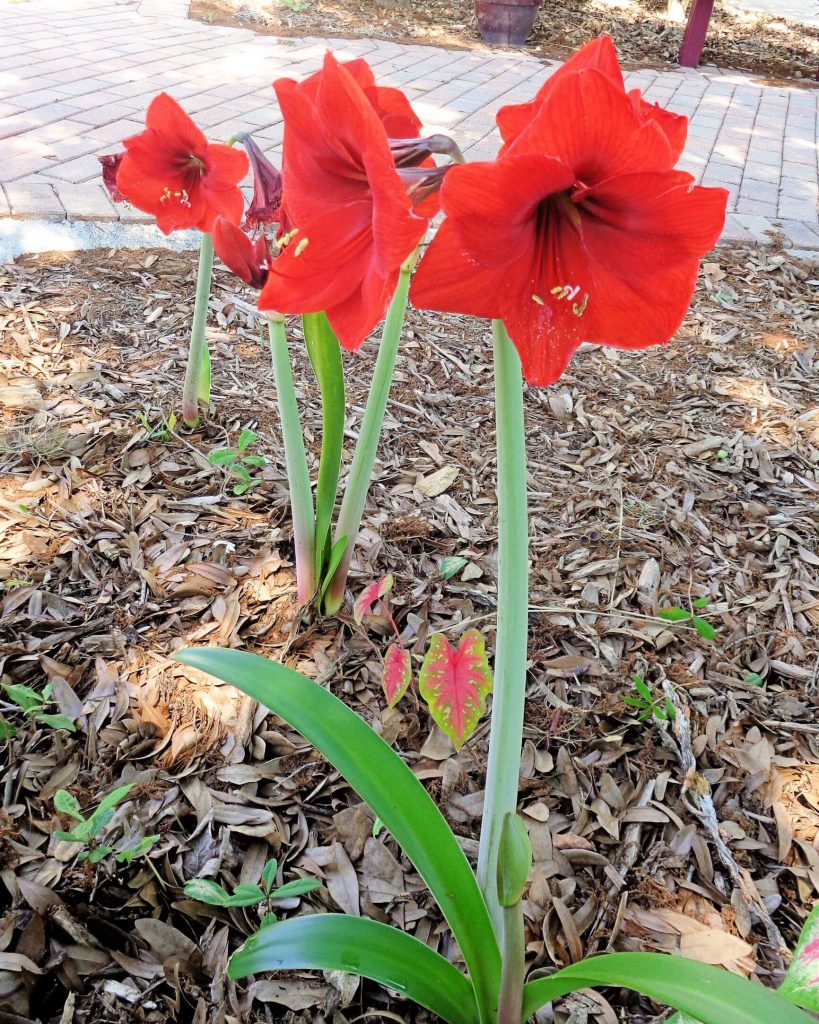
Credit: blogs.ifas.ufl.edu
Frequently Asked Questions
When Should I Plant Tulips In Florida?
Plant tulip bulbs in Florida between late November and December. Pre-chill bulbs before planting. Choose well-draining soil with partial sun. Water immediately and keep soil moist. Treat tulips as annuals since they bloom once in Florida’s warm climate.
What Can I Plant In October In Florida?
In October, plant cool-season crops like lettuce, kale, spinach, carrots, radishes, broccoli, cauliflower, and cabbage in Florida. South Florida can also start warm-weather crops and strawberries. Start brassicas indoors or sow root vegetables directly outdoors for best results.
Can Tulips Be Planted In October?
Tulips generally should not be planted in October, especially in warm climates like Florida. Plant bulbs after pre-chilling, between late November and December, for best growth. Cooler soil and proper chilling ensure healthy roots and blooms. October planting may risk poor development and fewer flowers.
Do Tulips Come Back Every Year In Florida?
Tulips usually do not come back every year in Florida. Treat them as annuals due to the warm climate. Pre-chill bulbs and plant in late November or December for best blooms.
Conclusion
Plant tulips in Florida from late November to December. Pre-chill bulbs before planting for best results. Choose well-draining soil with partial sunlight. Water bulbs after planting and keep soil moist. Treat tulips as annuals, since they bloom once in Florida.
This timing helps tulips grow healthy and bloom beautifully. Enjoy your colorful garden each winter season. Simple steps lead to great tulip success in warm climates.