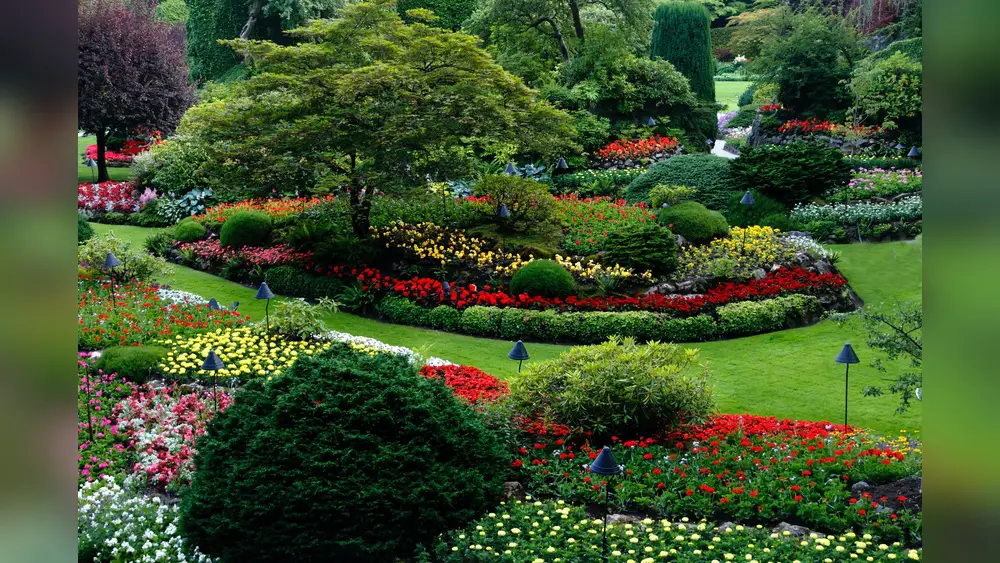

If you want to bring vibrant colors and fluttering beauty right into your South Florida garden, choosing the best butterfly plants is key. Butterflies don’t just add charm—they help your garden thrive by pollinating flowers.
But not every plant will attract these delicate visitors or support their entire lifecycle. You need plants that provide both nectar for adult butterflies and leaves for caterpillars to feed on. In this guide, you’ll discover the top butterfly-friendly plants perfectly suited for South Florida’s climate.
Whether you’re a seasoned gardener or just starting out, these choices will help you create a lively, buzzing haven that butterflies won’t be able to resist. Keep reading to learn how to turn your garden into a butterfly paradise!
Top Butterfly Plants
Butterflies need specific plants to thrive in South Florida’s climate. These plants fall into two groups: nectar plants for adult butterflies and host plants for caterpillars. Choosing the right plants helps attract and support a variety of butterfly species.
Planting both types creates a healthy environment for butterflies to live and reproduce. Here are some top butterfly plants for South Florida gardens.
Nectar Plants For Adults
Nectar plants provide food for adult butterflies. They have bright flowers rich in nectar. In South Florida, popular choices include Blue Porterweed, Firespike, and Pentas. These plants bloom often and attract many butterfly species.
Other good nectar sources are Lantana and Butterfly Bush. These plants are easy to grow and maintain. They bloom almost year-round, offering constant food for butterflies.
Host Plants For Caterpillars
Host plants are vital for butterfly caterpillars. Adult butterflies lay eggs on these plants. Caterpillars eat the leaves as they grow. Common host plants in South Florida include Milkweed and Passion Vine.
Milkweed supports Monarch caterpillars specifically. Passion Vine is important for Gulf Fritillary butterflies. Planting these helps complete the butterfly life cycle in your garden.
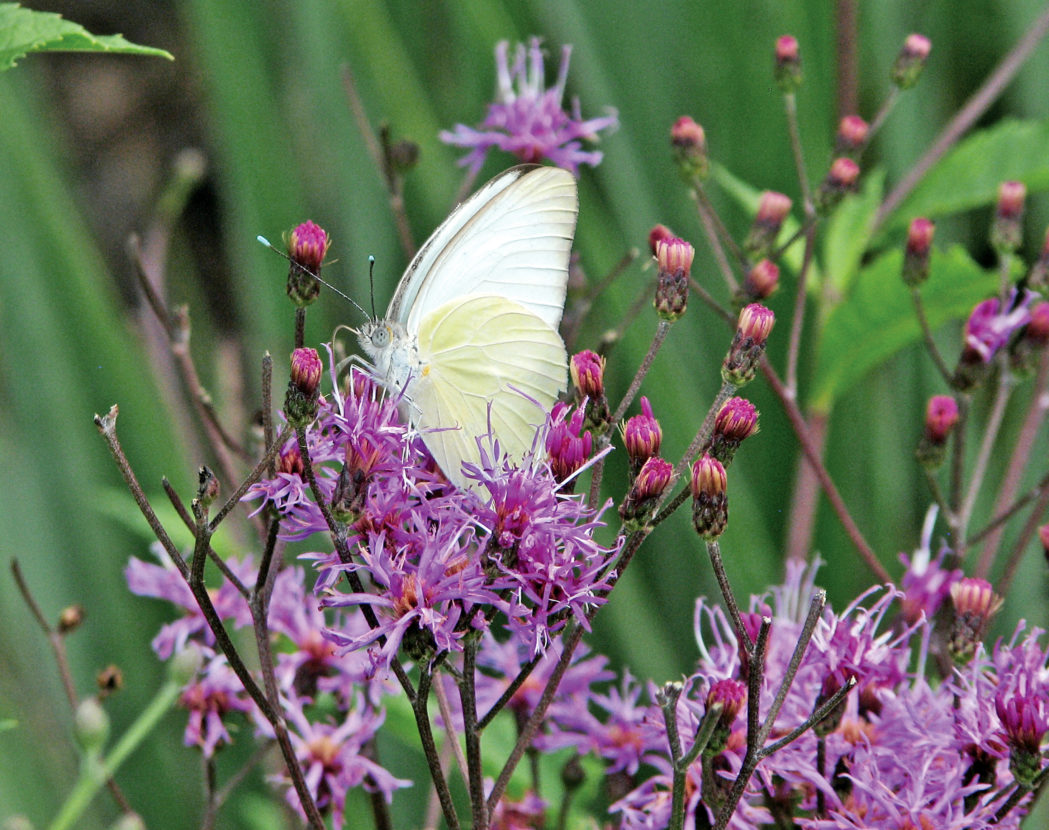
Credit: www.flawildflowers.org
Nectar Plants
Nectar plants play a vital role in attracting butterflies to your South Florida garden. These plants provide rich nectar, the main food source for adult butterflies. Growing nectar plants encourages butterflies to visit and stay longer in your outdoor space. They also support a healthy ecosystem by offering food to other pollinators.
Choosing the right nectar plants helps create a colorful, lively garden. These plants thrive in South Florida’s warm climate and bloom through much of the year. Planting a mix of flowers with different shapes and colors attracts various butterfly species.
Blue Porterweed
Blue Porterweed features small, bright blue flowers. Butterflies love its nectar, especially in hot weather. This plant grows well in sunny spots and requires little water once established. It blooms almost year-round, making it a reliable nectar source.
Firespike
Firespike has tall spikes of red or orange tubular flowers. Its nectar is very attractive to butterflies and hummingbirds. This plant prefers partial shade but can tolerate full sun. Firespike adds height and vibrant color to butterfly gardens.
Lantana
Lantana produces clusters of tiny flowers in multiple colors like red, yellow, and orange. It is a favorite for many butterfly species. This hardy plant grows quickly and blooms continuously. Lantana thrives in sunny, well-drained areas and resists drought well.
Pentas
Pentas plants show star-shaped flowers in pink, white, or red. Butterflies are drawn to their sweet nectar. Pentas do well in full sun and bloom from spring through fall. This plant is easy to maintain and works well in containers.
Butterfly Bush
Butterfly Bush, also called Buddleia, is known for its long flower spikes. It produces fragrant flowers in purple, pink, and white shades. Butterflies flock to its nectar in large numbers. This shrub prefers full sun and well-drained soil.
Host Plants
Host plants are essential for butterfly gardens in South Florida. They provide food and shelter for caterpillars. Without host plants, butterflies cannot complete their life cycle. Choosing the right host plants helps attract more butterflies to your garden. These plants support different butterfly species by offering leaves for larvae to eat.
Milkweed Varieties
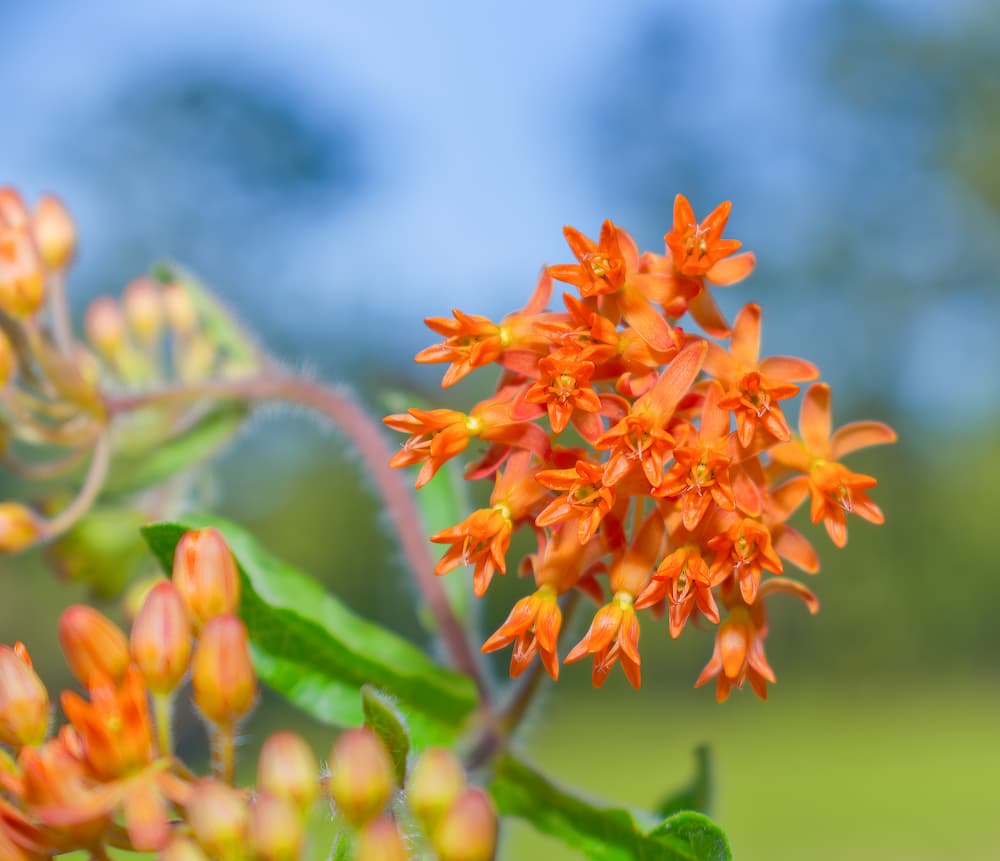
Milkweed is a top host plant for many butterflies in South Florida. It is the main food source for monarch caterpillars. Different milkweed types thrive in South Florida’s climate. Common varieties include Tropical Milkweed and Swamp Milkweed. These plants have broad leaves that caterpillars love. Milkweed also produces nectar that attracts adult butterflies. Planting milkweed helps support monarch populations and other pollinators.
Passionflower
Passionflower is another excellent host plant for South Florida butterflies. It is crucial for the Gulf Fritillary butterfly. The caterpillars feed on passionflower leaves. This plant grows well in warm, humid environments. Passionflower produces beautiful flowers that attract adult butterflies and pollinators. Adding passionflower to your garden creates a natural habitat for butterfly growth. It also adds color and texture to your landscape.
Credit: www.plantprofessionals.com
Planting Tips
Planting the best butterfly plants in South Florida requires care and planning. Proper planting helps butterflies thrive and keeps your garden healthy. Use these tips to create a welcoming space for butterflies all year.
Grouping Flowers
Plant flowers in groups of the same type. Clusters attract more butterflies than single plants. Grouping helps butterflies find nectar quickly. It also makes your garden look fuller and colorful.
Supporting Life Stages
Butterflies need plants for all life stages. Include host plants for caterpillars to eat. Add nectar plants for adult butterflies to feed. Provide shelter with shrubs or tall grasses. This supports the full butterfly life cycle.
Choosing Native Species
Native plants suit South Florida’s climate and soil. They need less water and care. Butterflies recognize native plants as food sources. Choose native species for better growth and more butterfly visits.
Butterfly Species In South Florida
South Florida hosts a rich variety of butterflies. Warm climate and diverse plants create an ideal habitat. Many species thrive here, each with unique colors and habits.
Understanding the main butterfly species helps gardeners choose the best plants. These butterflies depend on specific plants for food and breeding. Planting these can bring vibrant butterflies to your garden.
Monarch Butterfly
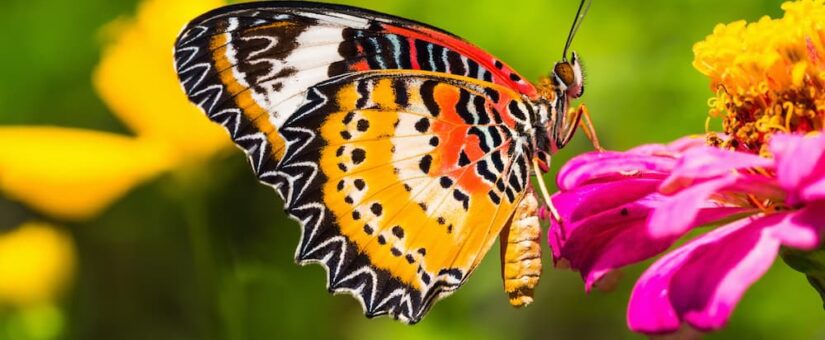
The Monarch is one of the most famous butterflies in South Florida. It is known for its bright orange wings with black lines. Monarchs travel long distances during migration.
Milkweed plants are essential for Monarchs. They lay eggs only on milkweed leaves. The caterpillars feed on these leaves before turning into butterflies.
Planting milkweed helps support Monarch populations. It provides food and a safe place for their young.
Gulf Fritillary
The Gulf Fritillary is a bright orange butterfly with silver spots under its wings. It is common in South Florida gardens and open spaces.
Passionflower vines are the host plants for the Gulf Fritillary. The caterpillars feed on passionflower leaves. These plants attract adults for nectar too.
Including passionflower vines in your garden invites Gulf Fritillaries and supports their life cycle.
Popular Butterfly Bush Varieties
Butterfly bushes are a favorite for South Florida gardens. They attract many colorful butterflies with their rich nectar. These plants bloom profusely and add beauty to any garden. Different varieties offer unique colors and sizes. Choose the right type to fit your garden space and style.
Miss Molly
Miss Molly is a charming butterfly bush with soft pink flowers. It blooms from summer to fall, providing nectar all season. The flowers have a sweet fragrance that draws butterflies close. This variety grows well in South Florida’s warm climate.
Triple Treat
Triple Treat offers three colors on one plant: purple, pink, and white. This mix attracts a variety of butterflies. It is a compact bush, perfect for smaller gardens. The blooms last long and create a colorful display.
Black Knight
Black Knight shows deep purple, almost black flowers. Its dark color stands out in any garden. Butterflies love the abundant nectar it produces. This bush grows tall and adds drama to garden beds.
Miss Violet
Miss Violet has vibrant violet flowers with a light scent. It blooms heavily and attracts many pollinators. This variety thrives in sunny spots and well-drained soil. It is a great choice for butterfly gardens.
Pink Delight
Pink Delight features bright pink flowers that shine in sunlight. It is a hardy plant that blooms continuously in warm weather. Butterflies and hummingbirds visit often. This bush is easy to grow and maintain.
Dark Dynasty
Dark Dynasty has deep burgundy flowers with a velvety texture. It creates a bold look in any garden. The nectar-rich blooms attract butterflies throughout the season. This variety is drought-tolerant and suited for South Florida gardens.
Maintaining Butterfly Gardens
Maintaining butterfly gardens in South Florida requires regular attention and care. Healthy plants attract more butterflies and support their life cycle. Proper maintenance ensures vibrant blooms and a thriving habitat. Simple steps keep your garden beautiful and butterfly-friendly all year.
Pest Management
Butterfly gardens need gentle pest control to protect plants. Avoid harsh chemicals that harm butterflies and caterpillars. Use natural methods like handpicking pests or introducing beneficial insects. Neem oil sprays can control pests safely without damaging flowers. Regularly check leaves for signs of pests or disease. Early action keeps plants strong and butterflies safe.
Seasonal Care
South Florida’s warm climate allows year-round gardening, but seasons affect plant growth. Water plants deeply during dry periods to keep roots healthy. Prune spent flowers to encourage new blooms and maintain shape. Add mulch around plants to retain moisture and reduce weeds. Plant new butterfly-friendly species in spring and fall for continuous nectar. Seasonal care supports a lively garden throughout the year.
Credit: www.plantprofessionals.com
Frequently Asked Questions
What Is The Best Plant For Butterflies In Florida?
The best plants for Florida butterflies are Milkweed, Blue Porterweed, Firespike, Lantana, Pentas, and Butterfly Bush. Milkweed supports Monarch caterpillars. Passionflower attracts Gulf Fritillary. Plant diverse native flowers in groups to create a thriving butterfly habitat.
How To Make A Butterfly Garden In South Florida?
Plant native nectar sources like Lantana, Blue Porterweed, and Pentas. Include host plants such as Milkweed and Passionflower. Arrange flowers in clusters under full sun. Provide water and shelter. Avoid pesticides to attract and support butterflies in South Florida gardens.
Can Butterfly Bushes Be Planted In Fl?
Butterfly bushes can grow in Florida but prefer well-drained soil and full sun. Choose heat-tolerant varieties for best results.
What Are The Disadvantages Of Butterfly Bushes?
Butterfly bushes can become invasive, outcompeting native plants. They require regular pruning and may attract pests. Their blooms have a short lifespan. Some regions restrict planting due to ecological concerns.
Conclusion
Choosing the right butterfly plants helps create a lively garden in South Florida. Plants like Milkweed and Butterfly Bush attract many colorful butterflies. Grouping different flowers gives butterflies food and shelter. Native plants support local butterfly species best. Your garden will bloom with life and color.
Enjoy watching butterflies flutter and feed every day. Small efforts bring big beauty to your outdoor space. Start planting and welcome nature’s delicate visitors soon.