Are you ready to transform your outdoor space into a vibrant, thriving garden that withstands Central Florida’s unique climate? Choosing the right plants is the key to creating a garden that not only looks stunning but also stays healthy with less effort.
Whether you’re a seasoned gardener or just starting out, knowing which plants flourish in Central Florida’s heat, humidity, and soil conditions can save you time, money, and frustration. In this guide, you’ll discover the best Central Florida garden plants that bring color, texture, and life to your yard all year round.
Keep reading to uncover easy-to-grow favorites that will make your garden the envy of the neighborhood!
Heat-tolerant Flowering Plants
Central Florida’s hot sun and humidity demand plants that thrive in heat. Heat-tolerant flowering plants bring color without needing much water. These plants stay vibrant during the hottest months. They attract pollinators and brighten garden beds. Choosing the right heat-loving flowers makes gardening easier and more fun.
Lantana Varieties
Lantanas are hardy plants with bright, multi-colored blooms. They bloom almost all year in Central Florida. Their flowers attract butterflies and hummingbirds. Lantanas tolerate drought and poor soil well. They grow in bushes or trailing vines. Common colors include red, orange, yellow, and purple. Lantanas need full sun to bloom best.
Hibiscus Features
Hibiscus plants offer large, tropical-looking flowers. They come in many colors like red, pink, and yellow. Hibiscus thrives in heat and humid climates. These plants need regular watering but resist heat stress. Their blooms open in the morning and last one day. Hibiscus adds a bold look to any garden space. They grow well in pots or garden beds.
Pentas Characteristics
Pentas are small, star-shaped flowers that bloom in clusters. They come in pink, red, white, and purple shades. Pentas attract bees, butterflies, and hummingbirds. They prefer full sun and well-drained soil. These plants handle heat and dry spells easily. Pentas are great for borders, containers, or mass planting. They bloom continuously from spring to fall.
Salvia And Sunflowers
Salvia plants produce spikes of tubular flowers in many colors. They are drought-tolerant and love full sun. Salvia attracts pollinators like bees and butterflies. Sunflowers are tall, bright, and cheerful blooms. They grow quickly and handle heat well. Sunflowers provide seeds for birds and add height to gardens. Both plants offer strong color and easy care in hot gardens.
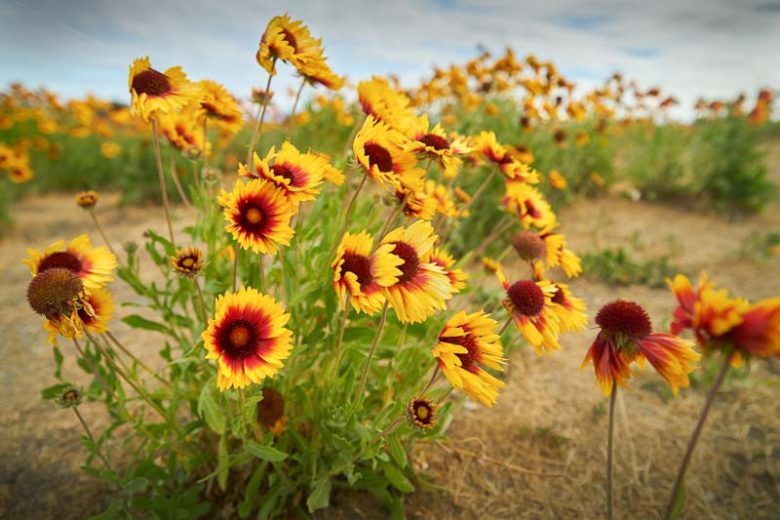
Credit: www.gardenia.net
Colorful Foliage Plants
Colorful foliage plants bring life and vibrancy to Central Florida gardens. Their leaves offer a range of hues, from deep reds to bright yellows. These plants thrive in the Florida climate, adding texture and color all year round. They create eye-catching spots without needing many flowers. Gardeners find them perfect for borders, containers, and shaded areas.
Crotons’ Vibrant Leaves
Crotons are famous for their bright, variegated leaves. Colors include red, orange, yellow, and green. Each leaf shows a unique pattern, making every plant special. Crotons grow well in warm, sunny spots. They prefer well-drained soil and regular watering. These plants add a tropical feel and stand out in any garden space. Pruning helps keep their shape and promotes fuller growth.
Bromeliads In Gardens
Bromeliads are easy-care plants with striking foliage. Their leaves come in green, red, pink, and purple shades. These plants often hold water in their leaf cups, which can attract birds. Bromeliads grow well in partial shade and bright light. They add height and color to garden beds and containers. Their unique look suits modern and tropical garden styles alike.
Low-maintenance Native Plants
Choosing low-maintenance native plants helps your garden thrive with less work. These plants adapt well to Central Florida’s climate and soil. They require little water and resist pests naturally. Your garden stays healthy and beautiful all year. Native plants also support local wildlife like butterflies and bees.
Goldenrod And Swamp Sunflower
Goldenrod brightens gardens with tall, golden-yellow flowers. It blooms in late summer and fall. This plant attracts pollinators and adds color to any landscape. Goldenrod grows well in dry or wet areas and needs little care.
Swamp sunflower offers large, vibrant yellow flowers. It thrives in moist soil and sunny spots. This plant is perfect for rain gardens or near ponds. Swamp sunflower blooms long and provides food for butterflies.
Muhly Grass And Milkweed
Muhly grass creates soft, pink-purple clouds in the fall. It is drought-tolerant and grows in poor soil. Muhly grass adds texture and movement to gardens. It needs no fertilizers or heavy watering.
Milkweed is vital for monarch butterflies. It produces clusters of small, fragrant flowers in summer. Milkweed thrives in sunny, well-drained sites. This plant supports pollinators and needs minimal care once established.

Credit: travelingtreesinc.com
Groundcovers And Shrubs
Groundcovers and shrubs form the foundation of any Central Florida garden. They provide color, texture, and structure throughout the year. These plants thrive in the region’s warm climate and often require minimal care.
Choosing the right groundcovers and shrubs helps reduce soil erosion and suppress weeds. They also attract pollinators and add natural beauty to outdoor spaces. Here are some excellent options for Central Florida gardens.
Evolvulus (blue Daze)
Evolvulus, also known as Blue Daze, is a stunning groundcover with vibrant blue flowers. It grows low and spreads quickly, creating a soft carpet of color. This plant loves full sun and well-drained soil. Blue Daze withstands heat and drought, making it perfect for Central Florida gardens. It requires little maintenance and blooms for months, adding continuous charm to your landscape.
Plumbago And Firebush
Plumbago is a versatile shrub with clusters of pale blue flowers. It blooms almost all year and attracts butterflies. Firebush adds fiery red flowers and grows well in sunny spots. Both plants tolerate heat and drought, perfect for the Florida climate. They create a lush, colorful garden backdrop and need occasional pruning to keep their shape.
Firespike And Yaupon Holly
Firespike produces tall spikes of bright red flowers that attract hummingbirds. It thrives in sun or partial shade and prefers moist soil. Yaupon Holly is a native shrub with small red berries and evergreen leaves. It withstands heat and dry conditions well. Together, Firespike and Yaupon Holly add height and interest to gardens with their contrasting colors and textures.
Seasonal Vegetables For Central Florida
Central Florida’s warm climate supports a wide range of seasonal vegetables. Gardening here offers many options for fresh, homegrown produce. Choosing the right vegetables for each season ensures a successful harvest. The region’s long growing season allows for multiple crops throughout the year.
Understanding which vegetables thrive in Central Florida helps gardeners plan effectively. Some crops prefer the summer heat, while others flourish in spring. Tropical vegetables also do well, adding variety and nutrition to gardens.
Summer Crops: Sweet Potatoes, Okra
Sweet potatoes grow well in Central Florida’s hot summer. They need well-drained soil and full sun. Plant slips in late spring for a fall harvest. Okra thrives in heat and tolerates dry conditions. It produces edible pods that are great for cooking. Both crops require minimal care once established.
Tropical Vegetables: Cassava, Malabar Spinach
Cassava is a tropical root vegetable suited for Central Florida gardens. It grows best in warm, sunny spots with loose soil. Malabar spinach is a fast-growing vine with edible leaves. It loves heat and humidity, making it perfect for the region. These tropical vegetables add diversity to summer gardens.
Spring Vegetables Extending Into Summer
Some spring vegetables continue producing into early summer. Peppers and eggplants are common examples. Both need warm soil and plenty of sunlight. Plant them early in spring for a longer harvest period. This strategy maximizes garden space and yields fresh vegetables for months.

Credit: www.transcendcreative.com
Garden Design For Florida Climate
Designing a garden in Central Florida requires attention to its unique climate. The hot sun, heavy rains, and occasional dry spells shape how plants grow. Choosing the right design makes gardens thrive all year. Planning for water flow, sun exposure, and drought helps create a beautiful, low-maintenance garden.
Rain Gardens With Native Plants
Rain gardens collect rainwater and prevent flooding. Native plants suit rain gardens well. They absorb water and reduce runoff. Plants like swamp milkweed and blue flag iris do well here. These plants also support local wildlife. Rain gardens improve soil and keep gardens healthy.
Sun And Shade Plant Placement
Florida has strong sunlight and shaded areas. Place sun-loving plants in open spots. Hibiscus and lantana bloom brightly in the sun. Shade plants prefer cooler, protected places. Ferns and caladiums grow well in shade. Correct placement helps plants grow strong and last longer.
Drought-resistant Landscaping
Periods of little rain require drought-tolerant plants. Succulents like agave and yucca store water. These plants need less watering and care. Mulch helps keep soil moist and cool. Group drought-resistant plants together for best results. This saves water and keeps gardens green during dry times.
Attracting Wildlife And Pollinators
Creating a garden that attracts wildlife and pollinators enriches your outdoor space. Wildlife brings life, color, and natural balance to your garden. Pollinators like bees and butterflies help plants grow and produce fruit. Choosing the right plants supports these creatures and keeps your garden healthy. Central Florida’s climate allows a variety of plants that invite wildlife all year.
Butterfly-friendly Plants
Butterflies need nectar-rich flowers and host plants for their larvae. Plant species such as milkweed, coneflowers, and lantana attract many butterflies. These plants provide food and shelter, encouraging butterflies to stay longer. Bright colors like orange, yellow, and purple catch their attention. Butterflies also prefer flat-topped flowers where they can land easily. Including these plants boosts pollination and adds movement to your garden.
Bird-attracting Shrubs
Birds seek food, shelter, and nesting sites in your garden. Shrubs like beautyberry, wax myrtle, and yaupon holly are excellent choices. These shrubs produce berries that many birds love to eat. Dense foliage offers safe places for birds to hide and build nests. Planting a mix of evergreen and deciduous shrubs provides year-round cover. Birds help control pests and spread seeds, supporting your garden’s growth naturally.
Frequently Asked Questions
What Are The Best Plants For Central Florida?
Best plants for Central Florida include lantana, hibiscus, pentas, salvia, coreopsis, crotons, bromeliads, and sunflowers. These heat-tolerant, low-maintenance plants thrive in humidity and bright sunlight. Native species like muhly grass and milkweed also suit Central Florida gardens well.
What Grows Well In A Garden In Florida?
Sweet potatoes, southern peas, cherry tomatoes, and okra thrive in Florida gardens. Tropical options include cassava and Malabar spinach. Heat-tolerant flowers like lantana, hibiscus, pentas, and salvia also grow well. These plants suit Florida’s hot, humid climate and require low maintenance.
What Is The Best Low-maintenance Landscape In Florida?
The best low-maintenance landscape in Florida features native, drought-tolerant plants like muhly grass, goldenrod, swamp sunflower, and milkweed. Rain gardens using these plants control water naturally and require minimal upkeep.
What Plants Can Survive In The Heat In Florida?
Heat-tolerant plants in Florida include lantana, hibiscus, pentas, salvia, sunflowers, crotons, bromeliads, coreopsis, coneflowers, and succulents. These plants thrive in high heat and humidity while requiring low maintenance.
Conclusion
Choosing the best garden plants for Central Florida brings beauty and life to any yard. Plants like lantana, hibiscus, and coreopsis thrive in heat and humidity. Native species help conserve water and attract local wildlife. Simple care and the right plants make gardening enjoyable here.
Start small, watch your garden grow, and enjoy a colorful, healthy outdoor space all year. Your Central Florida garden can be a vibrant, peaceful retreat with these easy choices.