
If you live in Southwest Florida, you know that choosing the right plants can make all the difference in your garden’s beauty and health. The warm climate, sandy soil, and occasional heavy rains mean you need plants that not only survive but thrive in these unique conditions.
Imagine stepping outside to a vibrant garden full of colorful flowers and lush greenery that requires less work and brings more joy. You’ll discover the best plants perfectly suited for Southwest Florida’s environment. Whether you’re a seasoned gardener or just starting out, these tips will help you create a stunning outdoor space that feels like your personal paradise.
Keep reading to find out which plants will transform your garden into a flourishing, low-maintenance haven.
Climate And Soil In Southwest Florida
Southwest Florida has a unique climate and soil that shapes its plant life. Understanding these factors helps gardeners choose the right plants. The region is warm year-round, with distinct wet and dry seasons. Soil types vary widely, affecting water retention and plant health.
Heat And Humidity Effects
Southwest Florida experiences high heat and humidity, especially in summer. Plants must tolerate strong sun and moist air. Many native plants thrive in these conditions because they adapt well. Heat stress can cause leaf burn and slow growth in sensitive plants. Humidity encourages fungal diseases, so plants with good air circulation do better. Choosing heat- and humidity-resistant plants reduces garden problems and keeps landscapes healthy.
Soil Types And Drainage
The soil in Southwest Florida ranges from sandy to clayey textures. Sandy soils drain quickly but hold fewer nutrients. Clay soils retain water but may cause root rot if drainage is poor. Some areas have limestone bedrock near the surface, affecting soil pH. Plants that prefer well-drained soil avoid soggy roots. Adding organic matter improves soil structure and nutrient content. Matching plants to soil type ensures better growth and less maintenance.

Credit: coastalcustompoolandspa.com
Native Plants For Southwest Florida
Native plants thrive in Southwest Florida’s warm climate and sandy soil. They need less water and care than non-native species. These plants support local wildlife and attract birds and butterflies. Choosing native plants helps keep your garden healthy and sustainable.
American Beautyberry
The American Beautyberry is a colorful shrub with bright purple berries. It grows well in full sun or partial shade. Birds love the berries, making it a great choice for wildlife gardens. This plant is drought-tolerant and requires little maintenance.
Coral Bean
Coral Bean is a small tree with striking red flowers. It blooms in spring and summer, attracting hummingbirds and butterflies. The plant has bright red seeds that add beauty to the garden. It grows best in well-drained soil and full sunlight.
Muhly Grass
Muhly Grass is an ornamental grass with pinkish-purple flower plumes. It adds texture and movement to any landscape. This grass is drought-resistant and grows well in sandy soils. It requires little water and attracts pollinators like bees.
Flowering Plants For Vibrant Color
Flowering plants bring lively colors and charm to any Southwest Florida garden. Their bright blooms attract butterflies and hummingbirds. These plants thrive in warm climates and add beauty year-round. Choosing the right flowering plants can make your garden vibrant and inviting.
Lantana Varieties
Lantanas are tough, colorful plants perfect for Southwest Florida. They bloom in red, orange, yellow, and purple shades. Lantanas attract butterflies and require little water once established. Their long-lasting flowers brighten borders and containers. These plants resist heat and pests well.
Hibiscus Choices
Hibiscus plants offer large, showy flowers in many colors. They grow well in full sun and warm weather. Hibiscus blooms in red, pink, yellow, and white. These tropical plants add a lush, exotic feel to gardens. Regular watering helps hibiscus produce more flowers.
Bougainvillea Options
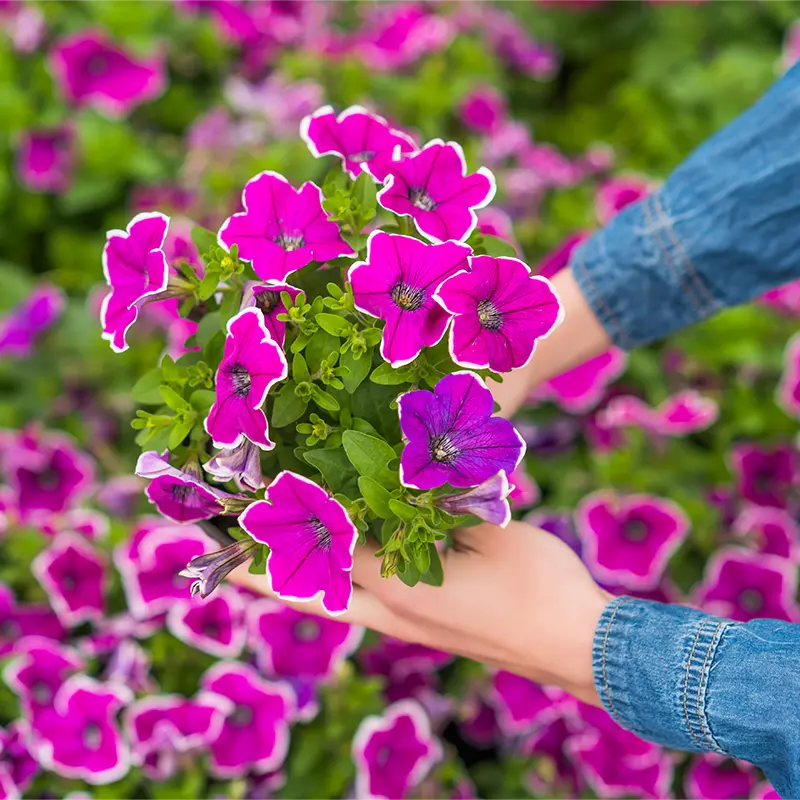
Bougainvilleas bring bold color with vibrant bracts around tiny flowers. Colors include magenta, orange, purple, and white. They grow as shrubs or vines and tolerate heat well. Bougainvilleas prefer well-drained soil and full sun. Their bright blooms last for months, adding stunning color.
Pollinator-friendly Selections
Pollinators play a vital role in Southwest Florida’s ecosystem. Choosing plants that attract bees, butterflies, and hummingbirds supports local wildlife. These plants also enhance garden beauty and promote healthy plant growth. Here are some excellent pollinator-friendly selections for your garden.
Hamelia Patens
Hamelia patens, also known as firebush, blooms bright red-orange flowers. It attracts hummingbirds and butterflies with its nectar-rich blossoms. This shrub thrives in full sun and well-drained soil. It is drought-tolerant and low-maintenance, perfect for Southwest Florida gardens.
Coral Honeysuckle
Coral honeysuckle offers tubular red flowers that hummingbirds love. It is a fast-growing vine that can cover fences or trellises. This plant grows well in sunny or partially shaded areas. It helps create a lively habitat for pollinators in your yard.
Milkweed Species
Milkweed is essential for monarch butterflies. These plants provide nectar and serve as breeding sites. Butterfly weed (Asclepias tuberosa) is a popular milkweed with bright orange flowers. Milkweed adapts well to Southwest Florida’s climate and soil conditions.
Low Maintenance Plants
Choosing low maintenance plants for Southwest Florida gardens saves time and effort. These plants thrive with less water, less pruning, and fewer pests. They fit perfectly in busy lifestyles and hot climates. Select plants that stay healthy in the heat and humidity of Southwest Florida. This section highlights drought-tolerant, evergreen, and long-lasting perennials to keep your garden looking great year-round.
Drought-tolerant Picks
Drought-tolerant plants survive long dry spells with little water. They reduce your garden’s water needs. Some popular picks include:
- Plumbago – bright blue flowers, tough in heat
- Firebush – red-orange blooms attract butterflies
- Coontie – native fern, very hardy
These plants also resist pests and recover quickly after dry weather. Perfect for Southwest Florida’s occasional droughts.
Evergreen Options
Evergreens keep your garden green all year long. They provide structure and color even in winter. Some top evergreen plants are:
- Indian Hawthorn – compact shrub with pink flowers
- Florida Privet – dense hedge for privacy
- Podocarpus – tall, narrow tree for screens
Choose evergreens that tolerate heat and humidity. They need little pruning and stay healthy with minimal care.
Perennials That Last
Perennials come back every year, saving you time and money. They bloom multiple seasons and require little attention. Good perennials for Southwest Florida include:
- Daylilies – colorful flowers, very tough
- Gaillardia (Blanket Flower) – bright red and yellow blooms
- Salvia – attracts pollinators, drought-tolerant
Plant these perennials for long-lasting beauty and easy care in your garden.
Using The Rule Of Three In Garden Design
The rule of three is a simple yet powerful design idea. It uses groups of three to make gardens look balanced and lively. Odd numbers like three feel natural to the eye. Even numbers can seem stiff or too planned.
This rule works well for plants, hardscape features, and colors. It helps the garden flow and guides the viewer’s gaze smoothly. In Southwest Florida, this approach suits the lush, vibrant landscape perfectly.
Plant Groupings
Group plants in threes for a natural look. Plant three of the same kind close together. This creates a bold statement without crowding.
Mix three different plants with similar care needs. It adds variety while keeping the garden easy to maintain. Choose native plants that thrive in Southwest Florida’s heat and soil.
Hardscaping Elements
Use three hardscape features to add structure and interest. Three planters, stones, or garden statues create rhythm in the space. Keep these elements simple to highlight the plants.
Position hardscaping items in triangular patterns. This shape feels stable and pleasing. It helps break up the greenery and adds visual balance.
Color Schemes
Pick three main colors for flowers and foliage. This keeps the garden colorful but not overwhelming. Use colors that match Southwest Florida’s bright sunlight.
Combine one bold color with two softer shades. This creates contrast and harmony. Repeat these colors in groups of three for consistency and charm.
Design Tips For Southwest Florida Gardens
Designing a garden in Southwest Florida requires a thoughtful approach. The climate is warm and humid, so plants must thrive in these conditions. Gardens here often blend tropical style with native species. Careful design helps create spaces that look beautiful year-round and need less maintenance.
Use smart design tips to make your garden stand out. Focus on creating strong visual interest and harmony. Mix colors, shapes, and materials to reflect the local environment. These ideas help form a garden that feels natural and inviting.
Creating Focal Points
A focal point draws the eye and anchors your garden design. Choose a striking plant, like a large palm or flowering shrub, to serve as a centerpiece. Place it where it can be seen from different angles. Sculptures, water features, or colorful containers also work well. These elements give your garden a clear focus and add personality.
Balancing Color And Texture
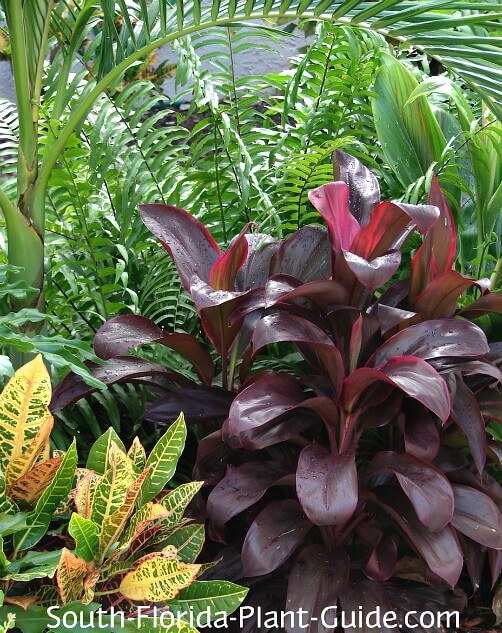
Use a mix of colors to keep your garden lively. Combine bright flowers with green foliage. Tropical plants often have bold, glossy leaves that add texture. Mix soft, fine leaves with broad, rough ones for contrast. Vary plant heights and shapes to create depth. This balance makes your garden look rich and dynamic without overcrowding.
Incorporating Native Materials
Native materials blend your garden with the local landscape. Use natural stones, shells, or wood for pathways and borders. These materials resist weather and match the environment. Choose native plants that suit Southwest Florida’s soil and climate. They need less water and care. This approach saves time and supports local wildlife.
Credit: sanjuanfamilynursery.com
Water-wise Gardening Strategies
Water-wise gardening strategies help preserve water and keep gardens healthy in Southwest Florida. These techniques use less water while supporting plant growth and beauty. Smart choices in landscaping reduce waste and protect natural resources.
Using water wisely also lowers water bills and saves time on garden care. Adopting these methods makes your garden thrive even in dry spells. Let’s explore key ways to garden water-smart.
Rain Gardens
Rain gardens capture rainwater and let it soak into the soil. They reduce runoff and prevent flooding. Choose native plants that like wet roots but can also handle dry times. Goldenrod, swamp sunflower, and muhly grass work well in rain gardens.
Rain gardens improve water quality by filtering pollutants naturally. They add beauty and support local wildlife too. These gardens need less irrigation once established.
Efficient Irrigation
Use drip irrigation or soaker hoses to water plants directly at their roots. This method wastes less water than sprinklers. Water early in the morning or late in the evening to reduce evaporation.
Set timers or use smart controllers to avoid overwatering. Group plants with similar water needs together. This helps deliver the right amount of water to each area of the garden.
Soil Moisture Management
Healthy soil holds water longer and feeds plants better. Add organic mulch around plants to keep soil moist and cool. Mulch also reduces weeds that compete for water.
Test soil regularly to check moisture levels. Adjust watering based on weather and soil condition. Improving soil with compost boosts its ability to retain water and nutrients.
Credit: www.south-florida-plant-guide.com
Frequently Asked Questions
What Plants Are Best For South Florida?
Best plants for South Florida include crossandra, daylily, Garvinea gerbera, and milkweed. These perennials thrive year-round with minimal care. Native plants like goldenrod, swamp sunflower, and muhly grass suit rain gardens and low-maintenance landscapes well. Choose plants that tolerate heat, humidity, and sandy soil.
What Is The 70/30 Rule In Gardening?
The 70/30 rule in gardening means planting 70% edible plants and 30% flowers or decorative plants to balance beauty and harvest.
What Is The Best Low Maintenance Landscape In Florida?
The best low maintenance landscape in Florida uses native plants like goldenrod, swamp sunflower, muhly grass, and milkweed. Rain gardens effectively manage water naturally. Group plants in odd numbers for visual balance and easy care. This approach suits Florida’s climate and reduces upkeep.
What Is The Rule Of 3 In Landscaping?
The rule of three in landscaping groups plants or elements in threes for balance and visual appeal. It creates natural flow, depth, and cohesion, making outdoor spaces dynamic and harmonious. This odd-numbered design avoids rigidity common with even groupings, enhancing overall landscape aesthetics.
Conclusion
Choosing the best plants for Southwest Florida boosts your garden’s health. Native and low-maintenance plants thrive in this warm climate. They save water and resist pests naturally. Group plants in odd numbers like three or five for beauty. Bright flowers attract pollinators and add color year-round.
Start small and watch your garden grow with ease. Enjoy a vibrant, lasting landscape that fits your lifestyle perfectly. Gardening here becomes simple, fun, and rewarding every season.