If you live in Central Florida and want to grow your own citrus trees, you’re in the perfect spot. The warm climate and sunshine make it ideal for many citrus varieties.
But with so many options, how do you choose the best ones for your garden? You want trees that thrive in your local weather, produce delicious fruit, and require manageable care. You’ll discover the top citrus trees that fit perfectly in Central Florida’s environment.
By the end, you’ll feel confident picking the right trees to brighten your yard and enjoy fresh, homegrown citrus all year round. Keep reading to find your perfect match!
Credit: www.fourwindsgrowers.com
Citrus Tree Varieties For Central Florida
Central Florida’s warm climate suits many citrus tree varieties. These trees thrive in the region’s sun and soil. Choosing the right type ensures healthy growth and tasty fruit. Each variety offers unique flavors and uses. Below are some of the best citrus trees for Central Florida gardens.
Meyer Lemon
The Meyer lemon is sweeter than regular lemons. It has thin skin and juicy fruit. This tree grows well in Central Florida’s heat. Meyer lemons are great for cooking and fresh eating. The tree also blooms with fragrant flowers.
Calamondin Orange
Calamondin oranges are small and tart. They look like tiny tangerines. This variety is perfect for making marmalade and drinks. The tree is hardy and grows quickly. It also handles Florida’s humidity well.

Cocktail Tree
The cocktail tree produces lemons and limes on one tree. It saves space and adds variety. This tree is ideal for small yards or containers. The fruits are fresh and flavorful. It grows best in full sun and well-drained soil.
Australian Finger Lime
Finger limes have unique, caviar-like pulp. The pulp bursts with tart flavor. This exotic tree adds flair to salads and seafood dishes. It prefers partial shade and protection from strong winds. Finger limes are a fun choice for adventurous gardeners.
Variegated Pink Eureka Lemon
This lemon has bright pink flesh and striped leaves. It offers a tart but slightly sweet flavor. The variegated pink Eureka lemon is eye-catching in any garden. It grows well in full sun and warm weather. The fruit is excellent for drinks and desserts.
Planting Tips For Central Florida
Planting citrus trees in Central Florida needs careful planning for the best growth. The region’s warm climate suits many citrus varieties. Proper planting helps trees resist diseases and produce sweet fruits. Follow these tips to give your citrus trees a strong start.
Best Planting Time
Plant citrus trees in Central Florida between July and October. This period offers warm soil and air temperatures. Trees establish roots well before cooler months arrive. Avoid planting during cold snaps to prevent damage. Early fall planting helps trees grow strong before winter.
Ideal Sunlight Conditions
Citrus trees need full sun to thrive. Aim for at least six to eight hours of direct sunlight daily. Sunlight improves fruit production and tree health. Choose a planting spot away from tall buildings or large trees. Good sunlight reduces risks of pests and diseases.
Soil Preparation
Well-drained soil is vital for citrus trees. Avoid areas with heavy clay or standing water. Mix organic compost into the soil before planting. This boosts nutrients and improves drainage. Test soil pH to keep it between 6 and 7. Adjust with lime if soil is too acidic.
Heat Tolerance Of Citrus Trees
Citrus trees thrive in warm climates like Central Florida. Heat tolerance is key for their health and fruit production. High temperatures can stress trees, causing leaf scorch and fruit drop. Choosing heat-tolerant varieties helps ensure strong growth. Protecting trees from sun damage supports their long-term survival. Understanding heat tolerance guides successful citrus gardening in Central Florida.
Most Heat Resistant Varieties
Meyer lemon stands out for its heat resilience and sweet fruit. Valencia oranges also handle intense Florida sun well. Pummelos grow strong under high temperatures and produce large fruits. Kumquats tolerate heat and are less prone to pests. These varieties adapt well to Central Florida’s hot summers. Planting them reduces heat stress and boosts yield.
Protecting Trees From Sun Damage
Young citrus trees need shade during peak afternoon sun. Use shade cloth or plant near taller trees for protection. Mulching retains soil moisture and cools roots. Water trees deeply and regularly in hot weather. Avoid sunburn by painting trunks with white latex paint. These steps reduce sun damage and keep trees healthy.
Comparing Lemon Varieties
Lemon trees thrive well in Central Florida’s warm climate. Choosing the right lemon variety matters. Each type has unique features suited for different uses. Comparing lemon varieties helps find the best fit for your garden and kitchen.
Flavor Profiles
Meyer lemons taste sweeter and less acidic. Their mild flavor suits fresh eating and drinks. Eureka lemons have a classic tartness and bright acidity. They give a strong lemon punch in recipes. Lisbon lemons offer a sharp, tangy flavor. They are popular for preserving and baking.
Appearance Differences
Meyer lemons are rounder and have a thin, smooth skin. Their color is a deep yellow-orange. Eureka lemons look like the typical grocery store lemon. They are bright yellow with a thicker, textured skin. Lisbon lemons are similar in shape to Eureka but often have fewer seeds. Their skin is slightly rougher and thicker.
Best Culinary Uses
Meyer lemons work well in salads, desserts, and cocktails. Their sweetness balances dishes without extra sugar. Eureka lemons are perfect for cooking and baking. Their tart juice brightens sauces and marinades. Lisbon lemons excel in making lemonade and preserving. Their strong flavor holds up well in jams and pickles.
Tree Characteristics
Meyer lemon trees grow smaller and bushier. They produce fruit almost all year. Eureka lemon trees are larger and more upright. They bear fruit mainly in winter and spring. Lisbon lemon trees are hardy and drought tolerant. They handle heat well and produce abundant fruit.
Cold Protection Strategies
Protecting citrus trees from cold is vital in Central Florida’s winter. Citrus trees are sensitive to frost and freezing temperatures. Without proper care, cold can damage leaves, fruit, and even kill the tree. Using simple cold protection strategies helps keep trees healthy and productive. These methods are easy to apply and cost-effective. Below are two effective strategies for cold protection.
Using Incandescent Lights
Incandescent lights give off heat that helps warm citrus trees at night. Hang old-fashioned bulbs around the tree’s canopy. Avoid LED lights; they do not produce enough heat. Use enough bulbs to cover the whole tree evenly. Keep lights on during freezing nights to prevent frost damage. Make sure the bulbs do not touch leaves or branches to avoid fire risk. This method raises the temperature slightly, protecting tender parts of the tree.
Water Barrel Techniques
Water barrels store heat during the day and release it at night. Place large barrels filled with water near your citrus trees. The water absorbs sunlight and warms the air around the tree when temperatures drop. This passive heating helps reduce frost damage. Paint barrels dark to absorb more heat. Position barrels close but not touching the tree. This technique is simple and uses natural heat to shield plants from cold.
Growing Citrus In Containers
Growing citrus in containers is a smart choice for Central Florida gardeners. It allows easy control over soil quality and drainage. Containers also protect trees from pests and diseases common in the region.
Container citrus trees fit well in small spaces like patios and balconies. They offer flexibility to move plants indoors during cold snaps. This method makes citrus growing accessible to many home gardeners.
Suitable Varieties
Choose citrus types that adapt well to container life. Meyer lemon is a top pick for its small size and sweet fruit. Calamondin orange is another great option, known for its compact growth and tart flavor.
Other good varieties include the Key lime and Australian finger lime. These trees stay manageable in pots and produce tasty fruit. Dwarf citrus trees also work well for container gardening.
Container Care Tips
Select containers with drainage holes to prevent root rot. Use high-quality potting mix designed for citrus or acid-loving plants. Water regularly but avoid overwatering to keep roots healthy.
Feed trees with a balanced citrus fertilizer every few months. Place containers in full sun spots for best growth. Prune lightly to maintain shape and encourage fruit production.
Citrus Tree Care And Maintenance
Caring for citrus trees in Central Florida needs attention to water, nutrients, and pests. Healthy trees produce more fruit and resist diseases better. Regular care helps trees thrive in Florida’s warm climate.
Proper maintenance supports strong roots and vibrant leaves. It also improves fruit quality and yield. Following simple care steps will keep trees growing well all year.
Watering Practices
Citrus trees need deep watering to reach roots. Water slowly and deeply once or twice a week. Avoid overwatering, which causes root problems. Check soil moisture before watering again. Mulch around trees keeps soil moist and cool.
Fertilizing Schedules
Feed citrus trees with balanced fertilizer three times a year. Use fertilizer with nitrogen, phosphorus, and potassium. Apply in early spring, early summer, and late summer. Follow package instructions for amounts. Avoid over-fertilizing to prevent leaf burn.
Pest And Disease Management
Watch for common pests like aphids, scale, and citrus leafminer. Use insecticidal soap or neem oil to control pests safely. Remove diseased or damaged leaves quickly. Keep trees clean to reduce disease risk. Regular inspection helps catch problems early.
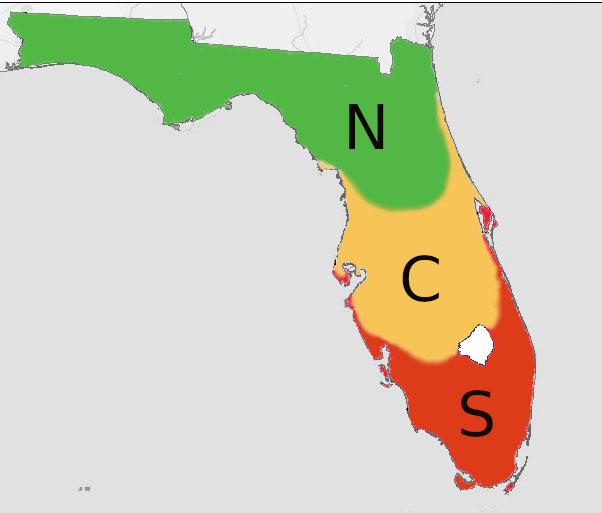
Credit: floridafruitgeek.com
Credit: gardenvive.com
Conclusion
Choosing the right citrus trees helps your garden thrive in Central Florida. Trees like Meyer lemons and calamondin oranges grow well here. They handle heat and produce tasty fruit. Plant them in sunny spots with good soil. Water regularly and watch for pests.
Patience brings fresh citrus right to your doorstep. Enjoy the bright flavors and natural beauty these trees offer. Start small, care well, and watch your garden grow strong. Growing citrus can be simple and rewarding in Central Florida’s climate.