If you’re living in South Florida and dreaming of fresh, homegrown citrus right from your backyard, you’re in the right place. Choosing the best citrus tree to grow here isn’t just about picking any variety—it’s about finding one that thrives in the warm, humid climate and resists common challenges like disease and pests.
Imagine biting into juicy, sweet fruit picked straight from your own tree, adding zest to your meals and drinks while enjoying the satisfaction of growing it yourself. You’ll discover which citrus trees are the easiest to grow, most resilient, and yield the tastiest fruit in South Florida.
Ready to find the perfect tree for your garden? Keep reading and let’s get started!
Top Citrus Varieties
South Florida’s warm climate suits many citrus trees. Choosing the right variety ensures better growth and tasty fruit. Some citrus trees handle heat and humidity better. Others bring unique flavors and colors to your garden. Explore these top citrus varieties ideal for South Florida gardens.
Meyer Lemon
The Meyer lemon tree produces sweeter, less acidic fruit. It adapts well to South Florida’s climate. Its fragrant blossoms attract pollinators. This tree grows well in pots or ground. Home cooks love Meyer lemons for fresh juice and zest.
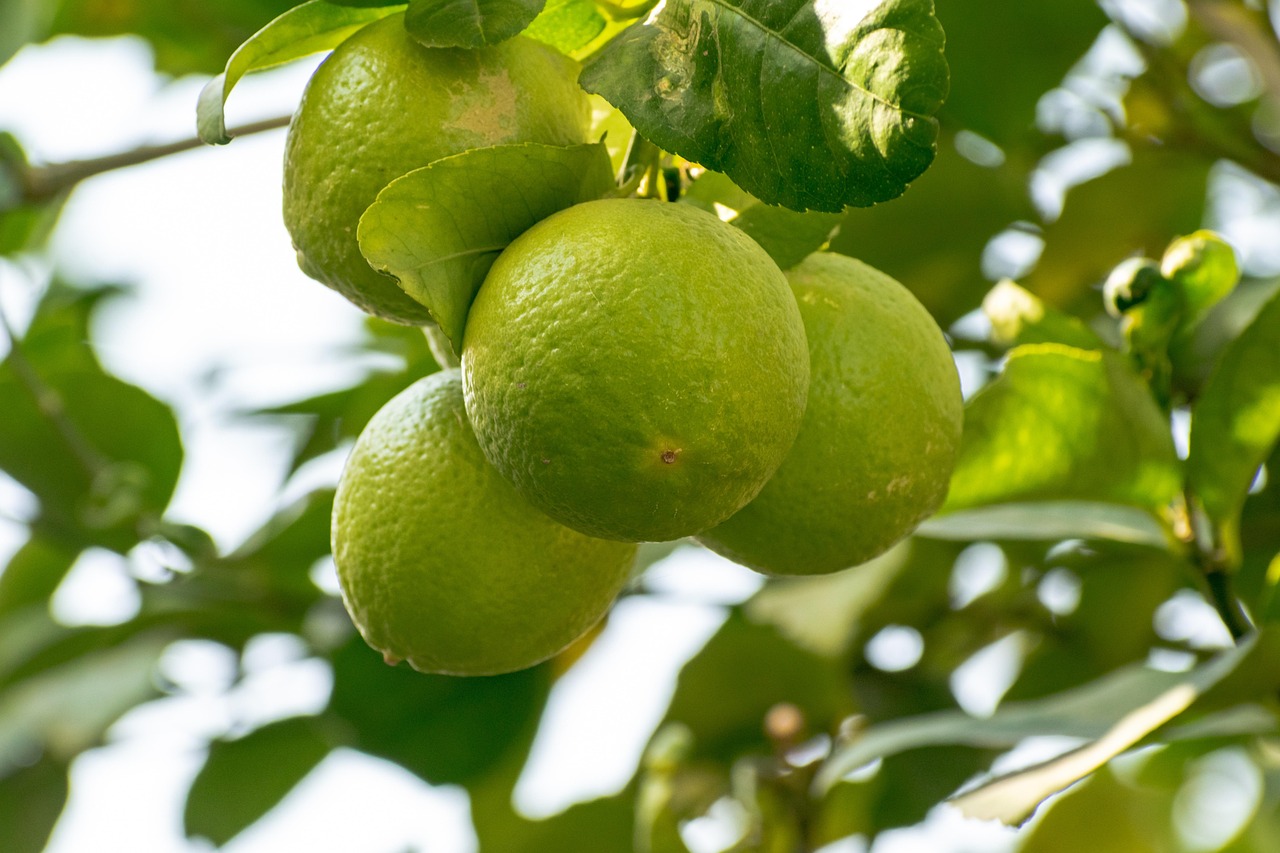
Calamondin Orange
Calamondin oranges are small and tart. They grow quickly and bear fruit year-round. This variety handles heat and humidity with ease. Its bright orange fruit adds color to gardens. Calamondins work well for marmalade and cocktails.
Cocktail Tree
The cocktail tree combines lemon and lime on one plant. It offers a variety of citrus flavors. This tree is compact, perfect for small spaces. It produces fruit multiple times a year. Gardeners enjoy its novelty and versatility.
Australian Finger Lime
Finger limes have elongated fruit filled with juicy pearls. Their unique texture adds a burst of citrus flavor. This tree tolerates heat well and is drought resistant. Finger limes are great for garnishing dishes. They bring exotic flair to any garden.
Variegated Pink Eureka Lemon
This lemon variety has striped leaves and pink flesh. It adds visual interest to any garden. The fruit tastes like a classic lemon but sweeter. It grows well in South Florida’s sun and humidity. Variegated Pink Eureka is a stunning choice for home growers.
Heat Tolerance
South Florida’s climate is hot and humid most of the year. Choosing citrus trees that can handle intense heat is key for a thriving garden. Heat tolerance means a tree can survive and produce fruit despite high temperatures. Some citrus trees naturally resist heat better than others. This helps reduce stress on the tree and keeps fruit quality high. Proper care also boosts their ability to cope with heat.
Best Heat Resistant Citrus
Meyer lemon trees stand out for their strong heat tolerance. They handle hot days and still produce sweet, juicy lemons. Calamondin orange trees are another good option. These small oranges grow well in South Florida’s heat and humidity. Pummelo trees also show great resistance to heat and can yield large, tasty fruit. Australian finger lime trees adapt well to warm climates and offer unique, caviar-like fruit. Choosing these varieties means less worry about heat damage and more harvest success.
Sun Protection Tips
Young citrus trees need sun protection in their first years. Use shade cloths or garden umbrellas during the hottest hours. Mulching around the base helps keep soil moist and cool. Water trees deeply and regularly, especially during dry spells. Avoid planting citrus in areas with full afternoon sun without any shade. Positioning trees near taller plants or structures can block harsh rays. These steps reduce leaf burn and stress, promoting healthy growth despite South Florida’s heat.
Disease Challenges
Citrus trees in South Florida face several disease challenges that affect their growth and fruit quality. The warm, humid climate creates ideal conditions for many diseases. Gardeners must stay alert to protect their trees and maintain healthy yields.
Citrus Greening Impact
Citrus greening is a serious disease threatening South Florida citrus trees. It spreads quickly through insect carriers called psyllids. Trees infected with greening produce small, bitter fruits. The disease weakens trees and often kills them within a few years. Citrus greening has reduced Florida’s orange production significantly. Efforts to control it include removing infected trees and controlling psyllid populations.
Managing Common Diseases
South Florida citrus trees also face other common diseases like citrus canker and black spot. Citrus canker causes leaf spots and fruit blemishes. Black spot leads to dark lesions on fruit and leaves. Preventive spraying and good sanitation help reduce these diseases. Removing fallen leaves and pruning infected branches are effective steps. Choosing disease-resistant citrus varieties also improves success in South Florida gardens.

Credit: incredibleediblelandscapes.com
Growing Conditions
Growing citrus trees in South Florida means understanding the right conditions. Healthy trees need the right soil, water, and sunlight. These factors help trees produce juicy and tasty fruit. Knowing these basics makes growing citrus easier and more rewarding.
Soil Requirements
Citrus trees prefer well-drained soil. Sandy loam is ideal for good drainage. Avoid heavy clay soils that hold water. The soil should be slightly acidic to neutral, with a pH between 6 and 7. Adding organic matter improves soil texture and nutrients. Proper soil helps roots grow strong and absorb water well.
Watering Needs
Consistent watering is key for citrus trees. Water deeply but avoid soggy soil. Young trees need more frequent watering to establish roots. Mature trees require less water but should not dry out. Use mulch to keep soil moist and reduce evaporation. Overwatering can cause root rot and harm the tree.
Sunlight Preferences
Citrus trees thrive in full sun. They need at least 6 to 8 hours of direct sunlight daily. Sunlight boosts fruit production and tree health. Plant trees in open areas away from shade. South Florida’s sunny climate suits citrus perfectly. Lack of sun can lead to weak growth and fewer fruits.
Maintenance Tips
Maintaining citrus trees in South Florida is essential for healthy growth and bountiful fruit. Proper care keeps trees strong and productive. Follow simple tips to make your citrus thrive in the warm climate.
Pruning Techniques
Pruning shapes the tree and removes dead branches. Cut back crowded limbs to improve air circulation. Use clean, sharp tools to make smooth cuts. Prune in late winter or early spring. Avoid heavy pruning during fruiting season. Remove suckers growing from the base to focus energy on fruit.
Fertilization Schedule
Feed citrus trees regularly for best results. Apply fertilizer three times a year: spring, summer, and fall. Use a balanced fertilizer with nitrogen, phosphorus, and potassium. Add micronutrients like magnesium and iron for leaf health. Follow package instructions for amounts. Water the tree after fertilizing to help absorption.
Pest Control
Watch for common pests such as aphids, scale, and citrus leafminers. Inspect leaves and fruit weekly. Use insecticidal soap or neem oil for control. Encourage beneficial insects like ladybugs and lacewings. Remove affected leaves and dispose of them away from the tree. Keep the area clean to reduce pest hiding places.
Credit: floridafruitgeek.com
Best Citrus For Juicing
Choosing the best citrus for juicing in South Florida means picking trees that give plenty of flavorful juice. Juicing oranges must be juicy, sweet, and easy to peel. The climate in South Florida suits certain orange varieties perfectly. These trees grow well and produce fruits rich in taste and color. Here are two top picks for juicing oranges in this region.
Hamlin Oranges
Hamlin oranges are popular for juicing in South Florida. They produce a large crop early in the season. These oranges are sweet and have a mild flavor. Their juice is light-colored and refreshing. Hamlin trees tolerate cold better than many other varieties. This makes them reliable for growers in South Florida. They also resist many common citrus diseases. The fruit is medium-sized and easy to peel. Hamlin oranges are perfect for fresh juice and breakfast drinks.
Valencia Oranges
Valencia oranges are known as the “king” of juice oranges in Florida. They have a rich, sweet taste and bright orange color. Valencia trees produce fruit later in the season than Hamlin. Their juice has a perfect balance of sweetness and acidity. This variety is excellent for making fresh juice and blends. Valencia trees grow strong in South Florida’s warm climate. They also resist some common citrus pests. The fruit is slightly larger with a thin skin. Valencia oranges provide high-quality juice all spring and summer.
Alternative Fruits For South Florida
South Florida’s warm climate suits more than just citrus trees. Many other fruits grow well here. These alternative fruits offer variety and can thrive in local soils and weather. They bring color and flavor to any garden. Growing these fruits can be rewarding and fun.
Bananas
Banana plants grow quickly in South Florida. They need warm temperatures and plenty of water. Bananas produce fruit in about a year after planting. Their large leaves add tropical beauty to gardens. Bananas also provide shade for smaller plants. They resist many pests and diseases common in the area.
Choose hardy banana varieties for best results. Treat plants gently during strong winds to avoid damage. Regular watering and feeding help banana plants stay healthy. Harvest bananas when they turn yellow for sweet taste. Bananas are nutritious and enjoyed by many families.
Pineapples
Pineapples thrive in South Florida’s sunny environment. They require well-drained soil and minimal care. Pineapples grow slowly but steadily, producing fruit in about 18 months. Their spiky leaves and unique fruits make them a garden highlight. Pineapples tolerate heat and dry spells better than many fruits.
Plant pineapple crowns or slips for easy propagation. Water plants moderately and avoid overwatering. Pineapples benefit from occasional fertilizing during growth. Harvest pineapples when they smell sweet and feel firm. This fruit adds a tropical touch to home gardens and meals.

Credit: incredibleediblelandscapes.com
Container Growing
Growing citrus trees in containers offers great flexibility for South Florida gardeners. Containers allow you to move trees to protect them from strong winds or extreme sun. They fit well in small spaces like patios and balconies. Container growing also helps control soil quality and moisture better than planting in the ground.
Choosing The Right Pot
Select a pot with enough space for roots to grow. A 15 to 20-gallon container is ideal for young citrus trees. Choose pots made from materials like plastic, ceramic, or terracotta. Ensure the pot has drainage holes to prevent water buildup. Proper drainage keeps roots healthy and avoids rot.
Soil Mix And Drainage
Use well-draining soil designed for citrus or citrus-friendly mixes. Combine potting soil with sand or perlite for better drainage. Avoid heavy garden soil that holds too much water. Good drainage prevents root diseases and keeps the tree healthy. Layering small rocks or broken pottery at the bottom helps water flow out.
Watering And Fertilizing In Containers
Water citrus trees in containers regularly but avoid waterlogging. Check soil moisture before watering by sticking your finger into the soil. Citrus trees need more frequent watering in hot weather. Use a balanced fertilizer made for citrus trees. Feed the tree every 6 to 8 weeks during growing season. Proper feeding supports strong growth and fruit production.
Cold Protection Strategies
Cold protection is essential for citrus trees in South Florida. Though winters are mild, occasional frost can harm young trees. Protecting your citrus ensures healthy growth and a good harvest.
Frost Prevention
Cover trees with frost cloth or blankets before temperatures drop. Avoid plastic sheets as they can trap moisture and damage leaves. Use stakes to keep covers off branches. Water the soil around trees in the evening to hold heat overnight. Place outdoor lights near trees to add warmth. Remove covers by morning to avoid overheating.
Winter Care Tips
Move potted citrus trees indoors or to a sheltered spot. Mulch around the base to keep roots warm. Prune dead or weak branches before winter. Avoid heavy fertilizing late in the season. Use a balanced fertilizer early in the season for strong growth. Monitor trees daily during cold snaps to act quickly.
Conclusion
Choosing the right citrus tree makes all the difference in South Florida. Trees like Meyer lemons and calamondin oranges handle heat well and produce tasty fruit. Proper care helps your tree grow strong and healthy. Enjoy fresh citrus from your own garden all year round.
Growing citrus here is rewarding and fun for every gardener. Start small, be patient, and watch your tree thrive in the warm Florida sun.