

Are you ready to discover the best edible plants that thrive right here in Florida? Whether you want to start your own garden, forage in the wild, or simply enjoy fresh, homegrown flavors, knowing which plants flourish in Florida’s unique climate is key.
From juicy mangoes and sweet berries to heat-loving greens and native treasures like seagrape and sabal palm hearts, there’s a world of tasty options waiting for you. Keep reading to find out which edible plants are easiest to grow, how to care for them, and how they can transform your meals and lifestyle.
Your journey to fresh, flavorful food starts now!

Credit: www.revivalgardening.com
Tropical Fruits
Florida’s warm climate supports many tropical fruits that grow well and taste great. These fruits bring vibrant colors and sweet flavors to any garden or kitchen. Tropical fruits thrive under the Florida sun and can be enjoyed fresh or in recipes.
Growing tropical fruits in Florida is rewarding. They need plenty of sunlight and well-drained soil. Many tropical plants are low-maintenance and produce fruit year after year.
Mangoes And Papayas
Mangoes are among Florida’s most popular tropical fruits. They grow on large trees and produce juicy, sweet fruit. Mango trees flourish in Florida’s heat and can bear fruit in summer and fall. Choose varieties like ‘Haden’ or ‘Tommy Atkins’ for best results.
Papayas grow quickly and produce fruit within the first year. They prefer warm, frost-free areas and well-drained soil. Papaya fruit is soft, sweet, and perfect for eating fresh or making smoothies. The ‘Maradol’ and ‘Red Lady’ varieties do well in Florida gardens.
Passion Fruit Varieties
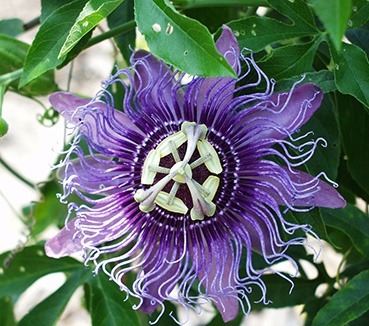
Passion fruit vines climb easily and produce fragrant, sweet fruit. The most common type is the purple passion fruit, which has a tart and sweet flavor. It grows well on trellises and fences in sunny spots.
Florida gardeners also grow yellow passion fruit. It is larger and less tart than the purple variety. Both types thrive in Florida’s warm climate and add a tropical touch to any garden.
Native Fruits
Florida’s native fruits offer unique flavors and thrive in local conditions. These fruits grow naturally and need little care. They are perfect for gardeners and foragers alike. Native fruits support wildlife and add diversity to home gardens. Enjoy fresh, wild flavors that connect you to Florida’s natural landscape.
Mulberries And Scrub Blueberries
Mulberries grow on trees and produce sweet, juicy berries. These berries come in red, white, or black varieties. They ripen in late spring or early summer. Mulberries attract birds and pollinators to your garden. Scrub blueberries are smaller but packed with flavor. They grow on low shrubs in sandy soils. Both fruits are rich in vitamins and antioxidants. They make great snacks or additions to desserts.
Elderberries, Plums, And Pawpaws
Elderberries grow in clusters on shrubs and small trees. Their dark berries are perfect for jams and syrups. Plums are small, sweet, and grow on native trees. They ripen in summer and are easy to harvest. Pawpaws are large, tropical fruits with a creamy texture. They taste like a mix of banana and mango. Pawpaw trees do well in shaded, moist areas. These fruits provide essential nutrients and unique tastes.
Persimmons And Wild Grapes
Persimmons produce bright orange fruits in fall. They are sweet and soft when fully ripe. Native persimmons grow on small trees across Florida. Wild grapes, like muscadine, grow on vines in forests and fields. They have thick skins and a strong, tangy flavor. Wild grapes are excellent for jelly and wine. Both persimmons and wild grapes support local wildlife. They add color and flavor to any edible garden.
Berries
Berries are some of the most delightful edible plants in Florida. They grow wild and in gardens, offering fresh, sweet flavors. These fruits are rich in vitamins and antioxidants. Many types thrive in Florida’s warm climate and sandy soils. Berries add color and nutrition to meals and snacks. Let’s explore some of the best berries found in Florida.
Blackberries And Dewberries
Blackberries and dewberries grow wild across Florida. They flourish in sandhills, woods, and wet hammocks. These berries ripen from late spring to early summer. Blackberries are larger and have a sweet-tart taste. Dewberries are smaller and often found trailing on the ground. Both types provide juicy, flavorful fruits. They are perfect for fresh eating, jams, or desserts. Picking them requires some care due to thorns on the bushes. These berries also attract birds and wildlife.
Strawberries And Gooseberries
Strawberries grow well in Florida’s cooler months. They prefer well-drained soil and plenty of sunlight. Florida strawberries are smaller but very sweet. Gooseberries are less common but can be found in some gardens. They have a tart flavor and are good for pies and preserves. Both berries offer vitamins and antioxidants. Growing strawberries and gooseberries is rewarding and adds fresh fruit to your diet. They also attract pollinators like bees and butterflies.
Credit: gardeningsolutions.ifas.ufl.edu
Citrus Options
Citrus plants are a key part of Florida’s edible landscape. Their bright fruits bring flavor and nutrition to many meals. The state’s warm climate suits various citrus types perfectly. Growing citrus offers fresh fruit right at home. Oranges, grapefruits, limes, and more thrive here. Each citrus type has unique uses and tastes. They also add color and fragrance to gardens.
Oranges And Grapefruit
Oranges are Florida’s most famous citrus fruit. Sweet and juicy, they are great for eating fresh or juicing. Varieties like Valencia and Navel grow well in Florida. They need full sun and well-drained soil. Grapefruit is another popular choice. It has a tart, slightly bitter flavor. Pink and white grapefruits do well in the heat. Both fruits provide vitamin C and antioxidants. They also attract pollinators to the garden.
Limes And Other Citrus
Limes are smaller but pack a strong, tangy punch. Key limes and Persian limes grow easily in Florida. They are perfect for drinks, cooking, and garnishes. Other citrus options include tangerines, mandarins, and kumquats. These fruits offer sweeter or more unique flavors. Kumquats can be eaten whole, skin and all. Citrus trees need regular watering and protection from frost. Growing a mix of citrus adds variety and year-round harvests.
Leafy Greens And Vegetables
Leafy greens and vegetables thrive in Florida’s warm climate. These plants provide fresh, nutritious options for home gardens. Many varieties grow well despite Florida’s heat and humidity. Choosing heat-tolerant greens and vegetables ensures a steady harvest.
Okra And Collards
Okra grows quickly and loves sunny spots. Its pods are great for soups and stews. Collards are hardy and heat-resistant. They offer large, dark green leaves packed with nutrients. Both plants suit Florida’s soil and climate well.
Spinach And Heat-tolerant Kales
Spinach prefers cooler months but some types handle heat. Okinawan spinach is a popular heat-tolerant variety. It produces tender leaves year-round. Heat-tolerant kales stay green even in hot weather. These greens deliver vitamins and fiber easily.
Eggplant, Peppers, And Tomatoes
Eggplants flourish in warm Florida gardens. They need full sun and well-drained soil. Peppers thrive in heat and add color to dishes. Choose varieties suited for Florida’s summer heat. Tomatoes, especially Everglades types, grow well in the state. They provide juicy fruit for salads and sauces.
Root Vegetables
Root vegetables thrive well in Florida’s warm climate. These plants grow underground and store nutrients in their roots. They are nutritious, easy to grow, and add variety to your diet.
Florida’s soil and weather support many root vegetables. They grow quickly and can be harvested throughout the year. Root vegetables like sweet potatoes, carrots, radishes, and beets are popular choices for Florida gardeners.
Sweet Potatoes And Carrots
Sweet potatoes grow very well in Florida’s sandy soil. They need warm weather and plenty of sunlight. These tubers are rich in vitamins and fiber. Sweet potatoes can be cooked in many ways, from baking to boiling.
Carrots also do well in Florida, especially in cooler months. They prefer loose, sandy soil to develop straight roots. Carrots come in many colors, including orange, purple, and white. They add crunch and sweetness to salads and dishes.
Radishes And Beets
Radishes grow fast and tolerate Florida’s heat. They can be ready to harvest in just 30 days. Radishes add a spicy crunch to salads and sandwiches. Their greens are edible too and can be cooked like spinach.
Beets thrive in Florida’s climate with proper care. Both the roots and leaves are edible and nutritious. Beets have a sweet, earthy flavor and work well roasted or in salads. Growing beets in Florida offers fresh, healthy options year-round.
Tropical And Heat-tolerant Plants
Florida’s warm and humid climate supports many tropical and heat-tolerant edible plants. These plants thrive in the sun and add unique flavors to your garden and kitchen. They also handle Florida’s hot summers better than many traditional crops.
Growing tropical plants can expand your harvest and bring variety to your meals. Many of these plants are easy to grow and offer health benefits. Below are some top choices for tropical and heat-tolerant edible plants in Florida.
Roselle And Sugarcane
Roselle is a tropical plant with bright red calyces used for teas and jams. It grows well in Florida’s heat and produces vibrant, tart flavors. Roselle is also rich in vitamin C and antioxidants.
Sugarcane thrives in Florida’s warm climate and provides fresh juice. It is a tall grass that can grow quickly under full sun. Sugarcane juice is sweet and refreshing, perfect for homemade drinks.
Lemongrass, Turmeric, And Ginger
Lemongrass grows tall and fragrant, ideal for Florida gardens. It adds a citrusy taste to soups, teas, and dishes. This plant loves heat and moist soil.
Turmeric is a root known for its bright orange color and health benefits. It grows well in Florida’s tropical conditions. Fresh turmeric can be used in cooking or made into tea.
Ginger prefers warm and humid environments, making Florida perfect for it. It adds spicy flavor to many recipes and supports digestion. Ginger grows underground and can be harvested year-round.
Credit: fleetfarming.org
Florida Native Edibles
Florida offers a rich variety of native edible plants. These plants thrive in the warm climate and local soil. They provide fresh, natural food sources for anyone interested in wild or home gardening. Many native edibles are easy to find and harvest. They also support local wildlife and ecosystems. Exploring Florida native edibles is a great way to connect with nature and enjoy unique flavors.
Sabal Palm Hearts
The Sabal Palm is Florida’s state tree. Its heart, found inside the trunk, is edible. Palm hearts have a mild, nutty flavor. They are often used in salads or cooked dishes. Harvesting should be done carefully to protect the tree. Sabal Palm hearts are a traditional food for many Native American communities in Florida. They add a tropical touch to any meal.
Seagrape And Beautyberry
Seagrape grows along Florida’s coastlines. Its round grapes turn purple when ripe. The fruit has a sweet taste and can be eaten fresh or made into jellies. Beautyberry is another native shrub with bright purple berries. These berries are edible and often used in jams. Both plants are easy to find and support local pollinators. They bring color and flavor to Florida’s natural landscape.
Wild Muscadine Grapes
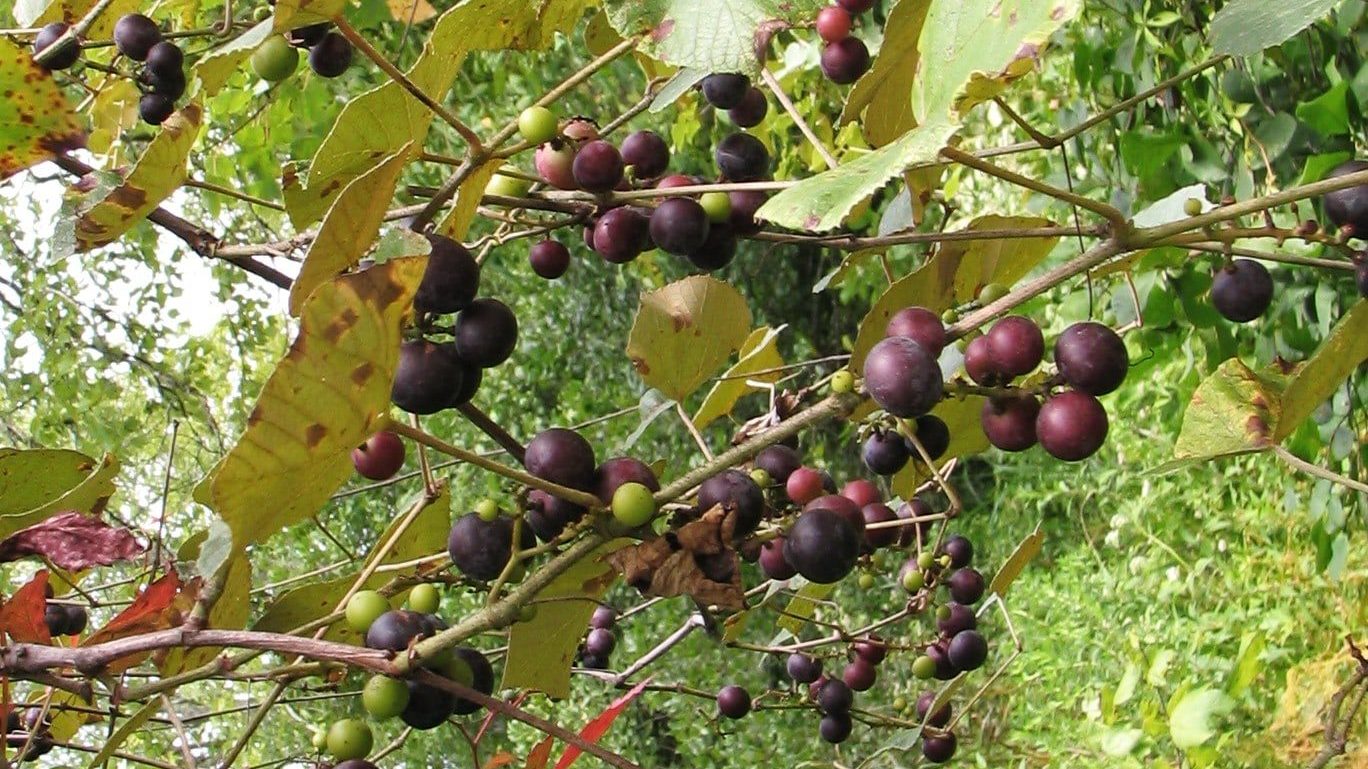
Wild muscadine grapes grow in many parts of Florida. These grapes are smaller and thicker-skinned than common grapes. They have a rich, sweet flavor perfect for eating fresh or making wine. Muscadines are high in antioxidants and nutrients. The vines grow well in Florida’s hot and humid climate. They are a valuable native fruit for foragers and gardeners alike.
Easy Fruits For Florida Gardens
Florida’s warm climate suits many fruit plants that grow well with minimal care. These easy fruits thrive in Florida gardens and provide fresh, tasty harvests. Growing them requires little effort and rewards gardeners with abundant crops. Choose plants that adapt to heat and humidity for best results.
Mulberries And Guavas
Mulberries grow quickly and produce sweet berries in spring. Birds love them, but gardeners can enjoy plenty of fruit. Mulberry trees tolerate Florida’s heat and poor soils well.
Guavas are tropical fruits that flourish in Florida’s warm weather. They need full sun and well-drained soil. Guava trees are small and fit well in home gardens. Their fragrant fruits are great fresh or in jams.
Pineapples And Rabbit Eye Blueberries
Pineapples thrive in Florida’s sandy soils and warm temperatures. They need good drainage and plenty of sunlight. Pineapples take about 18 months to mature but require little maintenance.
Rabbit Eye Blueberries are native to the southeastern U.S. They adapt well to Florida’s climate. These bushes produce sweet berries that ripen in summer. Acidic soil helps blueberries grow strong and healthy.
Gardening Tips For Florida
Gardening in Florida offers unique challenges and rewards. The warm climate and long growing season allow for diverse edible plants. Yet, heat, humidity, and soil conditions require special care. Adapting gardening methods can improve plant health and yield. Here are practical tips to help your garden thrive in Florida’s environment.
Container Gardening Ideas
Container gardening works well in Florida’s hot climate. It helps control soil quality and moisture levels. Use pots with good drainage to prevent root rot. Choose lightweight containers for easy moving to shade. Grow dwarf fruit trees, herbs, and leafy greens in containers. This method suits balconies and small spaces. Containers also protect plants from pests and diseases.
Choosing Heat-tolerant Varieties
Selecting plants that resist heat is crucial in Florida. Varieties like Okinawan spinach and heat-tolerant kale survive summer well. Roselle and lemongrass also thrive under intense sun. Pick tomato and pepper types bred for warm climates. Heat-tolerant plants reduce stress and need less water. They produce better yields during hot months. Check plant labels for heat resistance before planting.
Companion Planting Strategies
Companion planting improves garden health and productivity. Pair plants that support each other’s growth. For example, carrots grow well near peppers. Legumes fix nitrogen, benefiting nearby vegetables. Marigolds repel harmful insects and attract pollinators. Use companion planting to reduce pests naturally. This technique enhances soil nutrients and plant vigor. Plan your garden layout with companion plants in mind.
Frequently Asked Questions
What Edible Plants Grow In Florida?
Florida grows diverse edible plants like mangoes, citrus, berries, sweet potatoes, okra, sugarcane, sabal palm hearts, and wild muscadine grapes. Heat-tolerant vegetables include Okinawan spinach, peppers, tomatoes, and roselle. Native fruits such as mulberries, elderberries, and seagrape also thrive across the state.
What Is The Easiest Fruit To Grow In Florida?
Blackberries are one of the easiest fruits to grow in Florida due to their adaptability and minimal care needs. Citrus fruits like oranges and grapefruits also thrive well in Florida’s warm climate. Both require full sun and well-drained soil for best growth.
Is Foraging Legal In Florida?
Foraging is legal on private land with permission in Florida. Foraging on public or protected lands often requires permits or is prohibited. Always check local laws and regulations before foraging to avoid fines or legal issues.
What Grows Well In Florida Heat?
Mangoes, citrus, berries, okra, sweet potatoes, and heat-tolerant greens like Okinawan spinach grow well in Florida heat.
Conclusion
Florida offers many edible plants that thrive in its warm climate. From native fruits like mulberries and seagrape to tropical favorites like mangoes and papayas, options abound. Vegetables such as okra, sweet potatoes, and heat-tolerant greens grow well year-round. Native plants like sabal palm and wild muscadine grapes add variety and nutrition.
Growing these plants can be easy with container gardening and smart planting choices. Enjoy fresh, homegrown food while embracing Florida’s natural bounty. Try these plants and experience nature’s gifts right in your own garden.