

If you want to support monarch butterflies and bring vibrant life to your Florida garden, planting native milkweed seeds is a powerful step. But timing is everything.
Knowing the best time to plant milkweed seeds in Florida can make all the difference between watching your garden flourish or waiting months for growth. Whether you’re a seasoned gardener or just starting out, understanding when and how to plant these seeds will help you create a thriving habitat for these beautiful pollinators.
Keep reading to discover the ideal planting seasons, simple techniques, and important tips to ensure your milkweed seeds sprout strong and healthy right in your own backyard. Your garden—and the monarchs—will thank you!
Best Time To Plant In Florida
Planting native milkweed seeds in Florida needs timing for best growth. The ideal periods are late fall and early spring. These times help seeds germinate and grow healthy plants. Choosing the right time improves seed success and supports local butterflies.
Late Fall Planting
Plant seeds in late fall, around October or November. This timing uses natural cold to help seeds sprout in spring. Sow seeds directly in a sunny spot outdoors. Cover seeds lightly with soil or mulch, but do not press down. The seeds will stay cold through winter and start growing as temperatures rise.
Early Spring Planting
Plant seeds in early spring, from January to March. Before planting, cold-treat the seeds indoors to mimic winter conditions. After this process, sow seeds in pots or seed trays with well-draining soil. Keep soil moist and place containers in full sun. Transplant seedlings outside once they are strong enough.
Credit: blog.wfsu.org
Cold Stratification Methods
Cold stratification helps native milkweed seeds break dormancy and sprout. It mimics natural winter conditions by exposing seeds to cold and moisture. This process improves germination rates and leads to stronger plants. In Florida, cold stratification can be done naturally in fall or artificially in spring.
Natural Stratification In Fall
Plant milkweed seeds outdoors in late fall, around October or November. Choose a sunny spot with well-drained soil. Sow seeds shallowly and cover them lightly with soil or mulch. Leave the seeds outside to experience the cooler temperatures and moisture of winter. This natural cold exposure wakes the seeds in spring, ready to grow.
Artificial Stratification In Spring
Start by placing milkweed seeds in a damp paper towel. Seal the towel inside a plastic bag to keep moisture in. Store the bag in the refrigerator for 30 to 45 days. After this cold period, plant the seeds in pots or trays with well-drained soil. Keep the soil moist and place the containers in a sunny area. This method speeds up germination and allows early planting.
Planting Tips
Planting native milkweed seeds in Florida requires careful attention to soil, sunlight, and water. These elements help your seeds grow strong and healthy. Follow these simple planting tips to give your milkweed the best start.
Soil Preparation
Choose well-drained soil for planting milkweed seeds. Loosen the soil to a depth of about 6 inches. Remove weeds and rocks to reduce competition. Mix in a small amount of compost to add nutrients. Avoid heavy clay or overly rich soil, as milkweed prefers moderate conditions. Lightly rake the soil surface before sowing seeds.
Sunlight Requirements
Milkweed thrives in full sun. Select a spot that gets at least 6 hours of direct sunlight daily. Avoid shaded areas under trees or buildings. Sunlight helps seeds germinate and plants grow tall. Bright, sunny locations also support more flowers and attract butterflies. Ensure your chosen site remains sunny throughout the day.
Watering Guidelines
Water seeds gently after planting to moisten the soil. Keep the soil consistently damp but not soggy. Water daily during dry spells until seedlings appear. Once established, reduce watering to once or twice a week. Avoid overwatering to prevent root rot. Mulching around plants helps retain moisture and control weeds.

Credit: butterfly-lady.com
Choosing Native Milkweed
Choosing the right native milkweed is key for a healthy Florida garden. Native species support local wildlife and thrive in Florida’s climate. They provide essential food and habitat for monarch butterflies and other pollinators. Selecting native milkweed ensures better growth and helps protect the environment.
Recommended Florida Species
Florida has several native milkweed species ideal for planting. Common choices include:
- Asclepias tuberosa (Butterfly Milkweed) – Bright orange flowers attract many pollinators.
- Asclepias incarnata (Swamp Milkweed) – Prefers moist soil and blooms pink flowers.
- Asclepias perennis (Aquatic Milkweed) – Grows well in wet areas and supports monarchs.
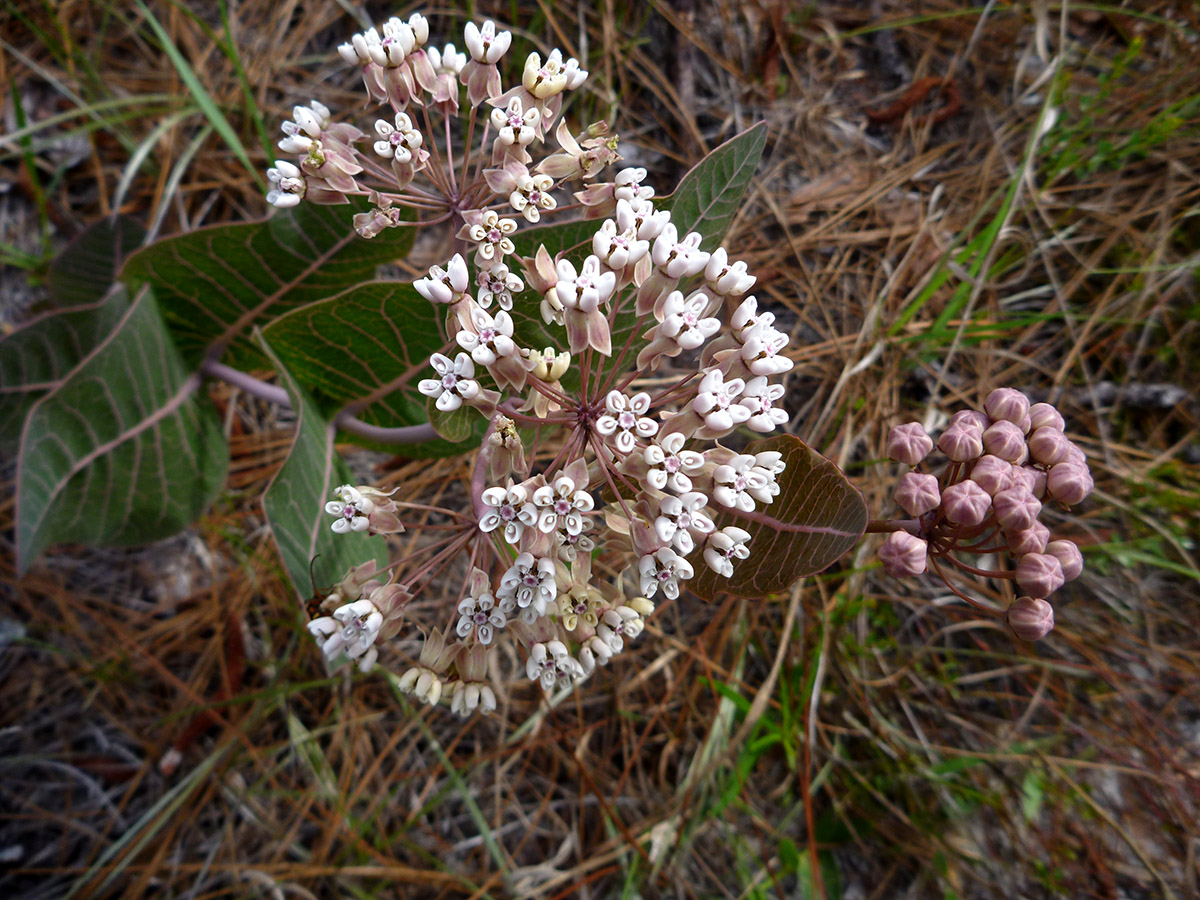
- Asclepias humistrata (Sandhill Milkweed) – Thrives in sandy soils and dry conditions.
These species suit Florida’s weather and provide excellent habitat. Planting them helps local butterfly populations stay strong.
Avoiding Tropical Milkweed
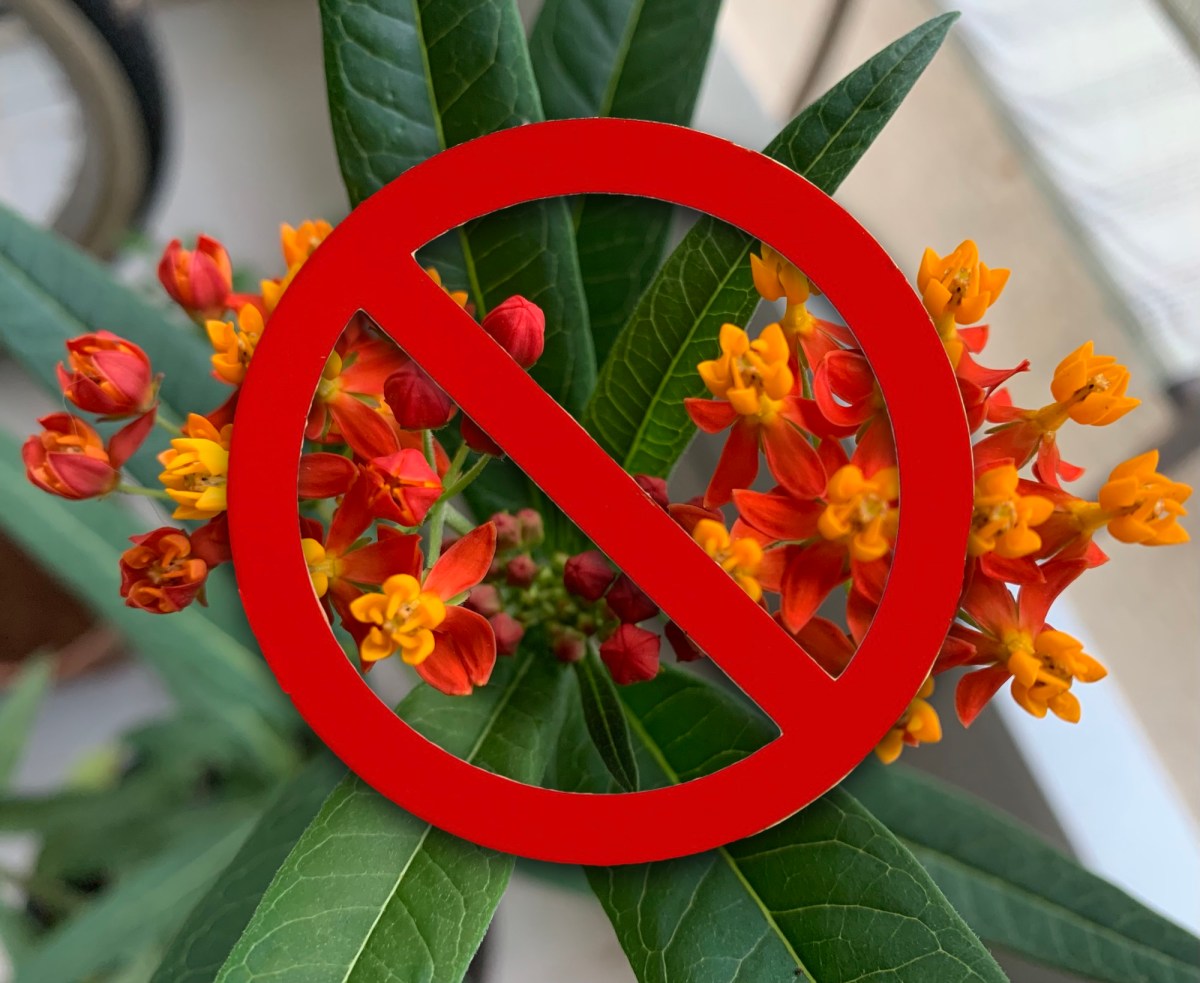
Tropical Milkweed (Asclepias curassavica) is popular but not native to Florida. It blooms year-round and may disrupt monarch migration. This species can cause parasites to build up on monarchs, harming their health. If you choose to plant it, cut it back in fall to reduce these risks. Native milkweed species are safer and better for Florida’s ecosystem.
Direct Seeding Vs. Seed Trays
Choosing between direct seeding and using seed trays matters for planting native milkweed seeds in Florida. Each method affects seedling growth and survival differently. Understanding these approaches helps gardeners decide which suits their conditions best. Both have pros and cons depending on timing, space, and care.
Sowing Seeds Outdoors
Direct seeding means planting milkweed seeds straight into the garden soil. This method works well in Florida’s late fall or early spring. Seeds benefit from natural cold or artificial stratification before sprouting. Plant seeds in a sunny spot with well-draining soil.
Cover seeds lightly with soil or mulch. Avoid pressing down too hard. This protects seeds and keeps moisture in. Seeds stay in place through rain and wind. Overwintering in the ground allows seeds to germinate naturally in spring. It saves time and effort compared to transplanting.
Direct seeding suits larger garden areas. It reduces transplant shock for seedlings. Water the area regularly to keep soil moist but not soggy. Watch for weeds and remove them gently.
Starting Seeds Indoors
Using seed trays means starting milkweed seeds indoors or in a greenhouse. Fill trays with a light, well-draining seed-starting mix. Plant seeds shallowly and cover with a thin layer of soil.
Keep trays in a warm, bright spot. Water gently to maintain moisture. Indoor starting helps control temperature and moisture better. It allows seedlings to grow strong before outdoor planting.
Transplant seedlings to the garden after danger of frost passes. Harden off seedlings by exposing them to outdoor conditions gradually. This reduces transplant shock and improves survival.
Seed trays are ideal for small spaces or controlled environments. They require more care but offer a head start on the growing season. Seedlings grow in a protected setting until ready for the garden.
Common Mistakes To Avoid
Planting native milkweed seeds in Florida can be rewarding. Avoiding common mistakes improves growth and supports monarch butterflies. Understanding what not to do saves time and effort.
Here are key errors to watch for during planting.
Improper Planting Time
Planting milkweed seeds too early or too late reduces germination rates. Late fall (October or November) is best for natural cold stratification. Early spring (January to March) works after cold treatment. Avoid summer planting because heat can kill seeds or dry the soil too fast.
Ignoring Cold Treatment
Milkweed seeds need cold exposure to sprout well. Skipping cold treatment lowers germination chances. You can mimic winter by refrigerating seeds for 30 to 45 days. Natural overwintering in the ground also works. Without cold, seeds may stay dormant or grow weak.
Overwatering Or Underwatering
Too much water drowns seeds and invites mold. Too little water causes seeds to dry out and fail. Keep soil moist but not soggy. Water gently after planting and check soil daily. Proper moisture helps seeds sprout strong and healthy.
Credit: hydrangeasblue.com
Frequently Asked Questions
When Should I Plant Milkweed Seeds In Florida?
Plant milkweed seeds in Florida in late fall (October-November) for natural cold stratification or early spring (January-March) after cold-treating seeds. Choose a sunny spot, prepare soil well, and water seedlings consistently for best growth. Avoid tropical milkweed to protect monarchs.
Can I Just Throw Milkweed Seeds On The Ground?
You can scatter milkweed seeds on the ground but lightly cover them with soil or mulch. Plant in a sunny spot. Water regularly for best germination.
Can I Plant Milkweed In September?
You can plant milkweed in September in warm climates like Florida. Ensure a sunny spot and water regularly. Seeds planted now will benefit from natural stratification and germinate in spring. Avoid planting tropical milkweed to protect monarch butterflies.
What Is The Best Milkweed To Grow In Florida?
The best milkweed to grow in Florida is native species like Butterfly Milkweed (Asclepias tuberosa) and Sandhill Milkweed (Asclepias humistrata). Avoid Tropical Milkweed to protect monarch butterfly migration and health. Plant in full sun and well-drained soil for optimal growth.
Conclusion
Plant native milkweed seeds in Florida during late fall or early spring. Choose sunny spots with well-prepared soil for best results. Late fall planting uses natural cold to help seeds sprout in spring. Early spring planting needs cold-treated seeds before planting.
Water seedlings regularly and avoid tropical milkweed to protect monarch butterflies. Growing native milkweed supports local wildlife and helps monarch populations thrive. Start planting at the right time and watch your garden bloom with these beautiful, important plants. Small steps make a big difference for nature.


