
Are you ready to transform your yard into a lush, green paradise? Knowing the best time to plant new grass in North Florida is the secret to achieving a healthy, vibrant lawn that lasts all year.
If you plant too early or too late, your grass may struggle to grow, leaving you with patchy spots and frustration. But when you get the timing right, your new grass will take root quickly and thrive in Florida’s unique climate.
You’ll discover exactly when to plant your grass seed for the best results, whether you’re working with warm-season or cool-season varieties. Keep reading to make your lawn the envy of the neighborhood!
Warm-season Grass Types
Warm-season grasses thrive in the heat and humidity of North Florida. They grow best during the warm months and go dormant in the cooler season. Choosing the right type of warm-season grass is key to a lush, green lawn. Each grass type has unique qualities and planting times that fit North Florida’s climate.
Bermuda Grass
Bermuda grass is a popular choice for North Florida lawns. It grows quickly and tolerates heat well. Plant Bermuda grass from late spring to early summer, between April and July. This timing helps the grass establish roots before the hottest months. It prefers full sun and well-drained soil. Bermuda grass recovers fast from wear, making it ideal for active yards.
Zoysia Grass
Zoysia grass is dense and soft, creating a thick carpet-like lawn. It grows slower than Bermuda but requires less mowing. Plant Zoysia grass in late spring to early summer, ideally from April to July. Warm soil temperatures aid seed germination and root growth. Zoysia tolerates heat and drought but grows best with regular watering. It handles foot traffic well and resists weeds effectively.
Centipede Grass
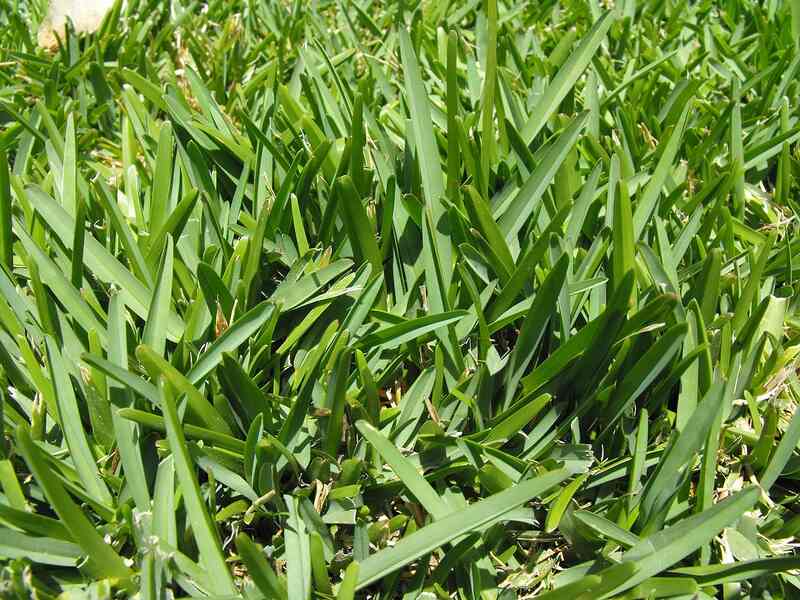
Centipede grass is low maintenance and grows well in acidic soils common in North Florida. Plant it in late spring, around April to June. This grass grows slowly but spreads steadily, forming a uniform lawn. It prefers partial shade but can handle full sun. Centipede grass needs less fertilizer than other types. It is a good choice for homeowners seeking an easy-care lawn.

Credit: northcoastgardening.com
Cool-season Grass Types
Cool-season grasses thrive in North Florida’s mild winters and cooler springs. These grasses grow best when temperatures are between 60°F and 75°F. They tend to slow down or go dormant during hot summer months. Planting cool-season grasses at the right time helps them develop strong roots before heat stress. Early spring is the ideal period for planting, giving grass enough time to establish before summer.
Fescue Grass
Fescue is a popular cool-season grass in North Florida. It stays green longer during the cooler months. This grass type handles shade and drought better than many others. Fescue prefers well-drained soil and moderate watering. The best time to plant fescue is from late winter to early spring. Planting during this window allows seeds to germinate as soil temperatures warm. Healthy roots develop before summer heat arrives, improving survival rates.
Optimal Planting Months
Choosing the right months to plant new grass in North Florida helps the lawn grow strong and healthy. The region’s climate supports different grass types, each with an ideal planting season. Planting at the right time allows grass seeds to germinate and develop roots before facing stress from heat or cold. Understanding these optimal months ensures better lawn results.
Late Spring To Early Summer For Warm-season
Warm-season grasses like Bermuda, Zoysia, and Centipede thrive when planted from April to July. During this time, soil temperatures are warm enough to boost seed germination. The rainy season usually begins, providing natural moisture that supports young grass growth. Planting now gives grass enough time to establish before cooler weather arrives. This period is perfect for new lawns to develop deep roots and thick coverage.
Late Winter To Early Spring For Cool-season
Cool-season grasses such as Fescue do best when planted between March and May. Planting during this time allows seeds to sprout before the hot summer months. Cooler soil and air temperatures reduce stress on young grass. Early planting helps the grass build a strong root system. While fall is often suggested for cool-season grasses, spring works better in North Florida’s warm climate. This timing lets the grass grow well before winter dormancy.
Soil Temperature And Preparation
Preparing the soil and understanding the soil temperature are key steps for planting new grass in North Florida. Healthy soil helps grass seeds grow strong roots. Proper preparation increases the chances of a lush, green lawn.
Planting at the right soil temperature ensures seeds sprout quickly. It also helps young grass survive the hot Florida weather. Before planting, test the soil to know its condition. Amend the soil to provide nutrients grass needs.
Ideal Soil Temperatures
Soil temperature must be warm enough for grass seeds to sprout. For warm-season grasses like Bermuda and Zoysia, aim for 65°F to 70°F. This temperature range supports fast germination and growth.
Cool-season grasses like Fescue prefer slightly cooler soil, around 50°F to 65°F. Planting outside these ranges slows growth and weakens seedlings. Use a soil thermometer to check the temperature before planting.
Soil Testing And Amendment
Start by testing the soil pH and nutrient levels. Ideal pH for most grasses in North Florida is between 6.0 and 7.0. Testing kits are available at garden centers or through local extension offices.
Based on test results, add lime to raise pH or sulfur to lower it. Mix in organic matter like compost to improve soil texture and fertility. Well-prepared soil holds moisture and nutrients better, boosting grass growth.
Watering Strategies
Watering is crucial when planting new grass in North Florida. Proper water helps seeds sprout and roots grow strong. Without enough moisture, grass may fail to grow well. Too much water can cause problems too. Follow these watering strategies to keep soil just right for your new lawn.
Maintaining Soil Moisture
Keep the soil moist but not soggy. Water lightly several times each day after planting. This helps seeds absorb water and start growing. Check soil daily by touching it. If the top feels dry, water again. Morning watering works best to reduce evaporation. Avoid heavy watering that creates puddles. Good soil moisture encourages healthy seed germination.
Adjusting Watering After Germination
Once grass sprouts, reduce watering frequency. Water deeply but less often to encourage roots to grow down. Watering two or three times a week is enough. Early morning is still the best time to water. Watch your lawn for signs of stress like wilting or dry patches. Adjust watering based on weather and soil dryness. Proper watering after germination helps grass grow thick and strong.
Weed Control Tips
Weeds compete with new grass for water, nutrients, and sunlight. Controlling weeds early helps young grass grow strong. Proper weed management makes your lawn healthier and more attractive. Use careful methods to avoid harming new grass seedlings.
Choosing the right time and products is important for weed control. Some herbicides can stop grass seed from growing. Understanding how to use herbicides protects your lawn and prevents weed problems.
Avoiding Pre-emergent Herbicides
Pre-emergent herbicides stop weed seeds from sprouting. Do not use these herbicides before planting new grass seed. They can also stop grass seed from growing. Wait until grass is fully grown before applying pre-emergent products. This ensures weeds are controlled without harming your lawn.
Timing Herbicide Application
Apply herbicides after the grass has strong roots. Usually, this is when grass has mowed two or three times. Check product instructions for safe timing. Use post-emergent herbicides to kill visible weeds without affecting grass seedlings. Avoid applying herbicides on hot or windy days to prevent damage.
Seasonal Growth Considerations
Understanding seasonal growth is key to planting grass in North Florida successfully. Grass growth depends on weather changes, rainfall, and temperature. These factors affect seed germination and root development. Timing your planting with the right season helps your lawn thrive and reduces extra work later.
Rainfall Patterns
North Florida has distinct wet and dry seasons. The rainy season starts in late spring and lasts through summer. Planting grass just before or during this period helps seeds get enough water naturally. Consistent rainfall keeps the soil moist, which is essential for seed germination.
Too little rain means you must water the lawn often to keep seeds alive. Too much rain can cause seeds to wash away or rot. Check local weather forecasts before planting. Choose a time when rain is steady but not heavy. This balance helps new grass grow strong roots quickly.
Temperature Fluctuations
Soil temperature plays a big role in grass seed growth. Most warm-season grasses need soil temperatures above 65°F to germinate well. North Florida’s soil warms up in late spring, making it the best time to plant warm-season grasses like Bermuda and Zoysia.
Cool-season grasses prefer cooler soil but do not do well in hot summers. Planting them in early spring, when the soil starts warming, allows roots to develop before heat stress. Avoid planting during extreme temperature changes. Sudden cold or heat slows growth and weakens new grass.
Credit: www.lawnstarter.com
Common Planting Mistakes
Planting new grass in North Florida requires care and attention. Many homeowners make simple mistakes that delay growth or harm the lawn. Avoiding these errors helps your grass thrive and saves time and money. Understanding common planting mistakes is key to a healthy lawn.
Planting Too Early Or Late
Timing is critical for planting grass seed. Planting too early means cold soil slows seed germination. Seeds may rot before sprouting. Planting too late exposes young grass to extreme heat. This stress reduces growth and survival rates. For warm-season grasses, plant from late spring to early summer. Cool-season grasses do best when planted in late winter or early spring. Choosing the right time ensures strong roots and healthy blades.
Ignoring Soil Conditions
Healthy soil is the foundation for new grass. Ignoring soil quality leads to poor growth or failure to establish. Soil should be tested for pH and nutrients before planting. Compacted soil prevents roots from spreading. Loosen the soil to improve air and water flow. Adding organic matter boosts soil fertility. Proper soil preparation gives seeds the best chance to grow fast and strong.
Lawn Care After Planting
Proper lawn care after planting new grass is vital for a healthy yard. Young grass needs attention to grow strong roots and thick blades. Following simple care steps will help your lawn thrive in North Florida’s climate.
Mowing Guidelines
Wait until grass reaches 3 to 4 inches tall before mowing. Use a sharp mower blade for clean cuts. Mow only the top third of the grass blade at a time. Avoid cutting too short; it weakens young grass. Keep mower height higher during summer heat to reduce stress.
Fertilization Schedule
Start fertilizing about 4 to 6 weeks after planting. Use a balanced fertilizer with nitrogen, phosphorus, and potassium. Apply fertilizer every 6 to 8 weeks during the growing season. Water the lawn lightly after fertilizing to help nutrients soak in. Avoid over-fertilizing to prevent burning new grass.
Credit: www.duda-sod.com
Frequently Asked Questions
What Is The Best Month To Plant Grass Seed In Florida?
The best month to plant grass seed in Florida is April through July for warm-season grasses. Plant cool-season grasses from March to May. These months offer warm soil and rain, promoting strong root growth before summer heat.
Is October Too Late To Put Down Grass Seed?
October can be late to plant grass seed, but success depends on your climate and grass type. Cool-season grasses tolerate fall planting better than warm-season types. Ensure soil temperatures stay above 50°F for good germination. Water consistently to help seeds establish before winter arrives.
Can You Just Throw Grass Seed On The Ground And It Will Grow?
You cannot just throw grass seed on the ground and expect it to grow well. Prepare the soil, remove debris, spread seeds evenly, and keep the area moist for proper germination and healthy growth.
What Is The Best Time To Lay Sod In Florida?
The best time to lay sod in Florida is late spring to early summer (April to July). Warm soil and consistent rain help sod establish quickly before summer heat.
Conclusion
Planting new grass in North Florida works best from spring to early summer. Warm-season grasses thrive when planted between April and July. This timing takes advantage of warm soil and frequent rain. Cool-season grasses do better when planted earlier, from March to May.
Keep soil moist during germination for strong roots. Avoid herbicides until grass is established. Following these simple steps helps your lawn grow healthy and green. Start planting at the right time and enjoy a beautiful yard all year.