
If you’re growing plants in Florida, you know the unique climate can make gardening a challenge. Choosing the best fertilizer is key to keeping your plants healthy, vibrant, and thriving all year round.
But with so many options out there, how do you know which one will work best for your Florida garden? You’ll discover simple, effective fertilizer tips tailored to Florida’s soil and weather. By the end, you’ll have the confidence to pick the perfect fertilizer that helps your plants grow stronger and more beautiful than ever.
Ready to unlock your garden’s full potential? Let’s dive in!
Florida Soil And Climate
Choosing the right fertilizer type is crucial for healthy Florida plants. The climate and soil in Florida need specific nutrients. Different fertilizers serve different plant needs. Understanding the main fertilizer types helps you pick the best one. Here are the key fertilizer types suitable for Florida plants.
Organic Fertilizers
Organic fertilizers come from natural sources like compost and manure. They improve soil health and add nutrients slowly. These fertilizers help retain moisture in sandy Florida soils. Organic options reduce chemical buildup and support beneficial microbes. They are safe for all plants and the environment.
Synthetic Fertilizers
Synthetic fertilizers are made from chemical compounds. They provide nutrients quickly to plants. These fertilizers are useful for fast growth or correcting nutrient deficiencies. Many synthetic types are easy to apply and cost-effective. Careful use prevents harming Florida’s delicate ecosystems.
Slow-release Fertilizers
Slow-release fertilizers release nutrients over time. They reduce the risk of nutrient runoff during Florida rains. These fertilizers feed plants steadily, reducing the need for frequent applications. Slow-release options help maintain consistent growth and prevent nutrient burn. Ideal for busy gardeners wanting low-maintenance care.

Credit: www.jacksonville.com
Fertilizer Types For Florida Plants
Florida’s unique climate and soil affect plant nutrient needs. Plants require key nutrients to grow healthy and strong. Understanding these needs helps select the best fertilizer. Nutrients support leaf growth, root development, and flowering. Each nutrient plays a specific role in plant health. Below, learn about the main nutrient groups essential for Florida plants.
Nitrogen Needs
Nitrogen helps plants grow lush, green leaves. It is vital for photosynthesis and leaf production. Florida soils often lack enough nitrogen for many plants. Use fertilizers with sufficient nitrogen to boost growth. Slow-release nitrogen fertilizers work well in Florida’s warm weather. They provide steady nutrients without burning roots. Too much nitrogen can cause weak stems and fewer flowers. Balance is key for healthy plant growth.
Phosphorus And Potassium
Phosphorus supports strong roots and flower development. It helps plants absorb energy and build cells. Florida soils can be low in phosphorus, especially sandy areas. Potassium improves overall plant health and disease resistance. It regulates water use and strengthens stems. Choose fertilizers with balanced phosphorus and potassium levels. These nutrients prepare plants for heat and drought stress. They promote vibrant blooms and sturdy growth.
Micronutrients
Micronutrients include iron, magnesium, zinc, and others. Though needed in small amounts, they are crucial for plant functions. Florida’s soil often lacks some micronutrients due to high pH or sandy texture. Iron is important for leaf color and chlorophyll production. Magnesium aids in photosynthesis and energy transfer. Zinc supports growth hormones and root development. Use a complete fertilizer or supplements to meet micronutrient needs. Regular soil tests help identify deficiencies early.
Nutrient Requirements
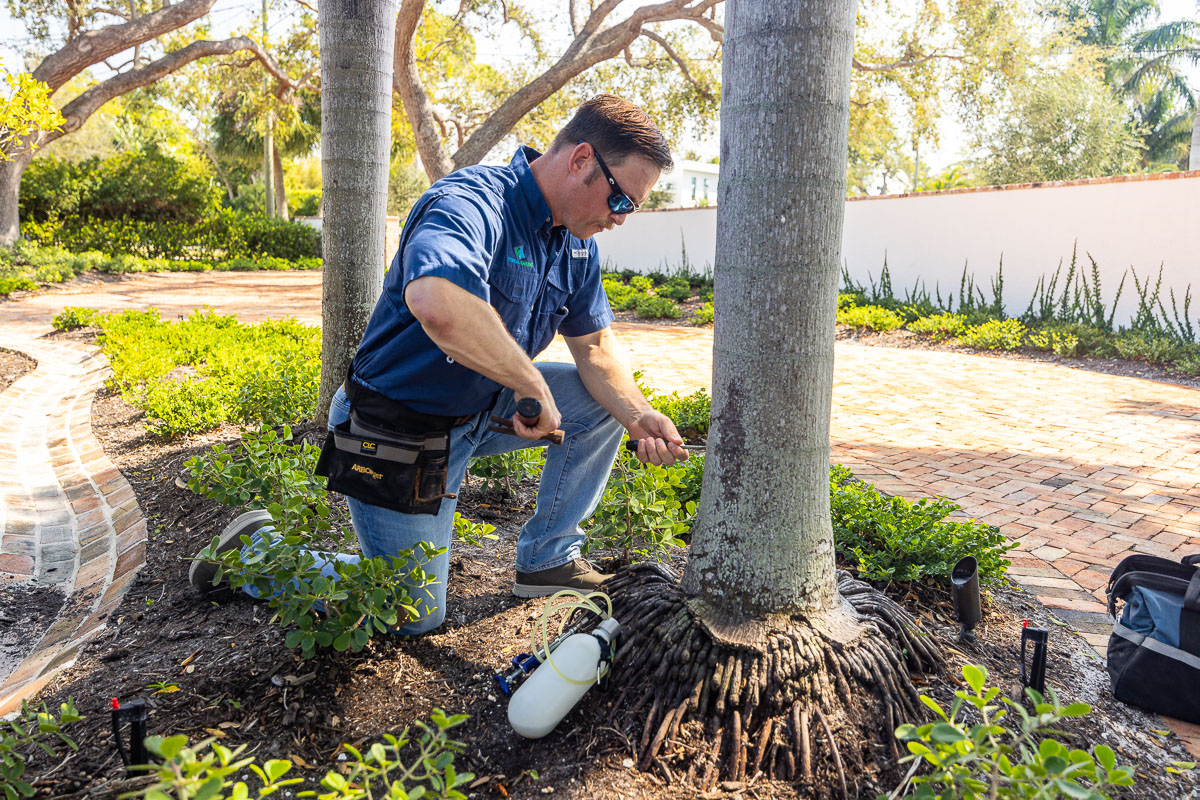
Applying fertilizer correctly helps Florida plants grow strong and healthy. Proper fertilizer use improves nutrient uptake and reduces waste. Follow simple tips for best results and avoid common problems like fertilizer burn. Watering, soil testing, and timing matter most for effective fertilization.
Proper Watering Techniques
Water plants before applying fertilizer to moisten the soil. After spreading fertilizer, water again to help nutrients reach roots. Avoid watering too much, which can wash away fertilizer. Use gentle, even watering to keep soil moist but not soggy.
Avoiding Fertilizer Burn
Fertilizer burn happens when plants get too much fertilizer at once. Spread fertilizer evenly and avoid piles near plant stems. Use slow-release fertilizers to reduce risk of burn. Water immediately after application to dilute fertilizer and protect roots.
Using Soil Tests For Precision
Soil tests show nutrient levels and pH in your garden soil. Test soil before fertilizing to know exactly what your plants need. Choose fertilizers based on test results for balanced nutrition. Regular testing prevents over-fertilizing and keeps plants healthy year-round.
Credit: tropicalgardenslandscape.com
Seasonal Fertilizing Schedule
Choosing the right fertilizer products helps Florida plants grow strong and healthy. The climate and soil in Florida need special fertilizers that suit local plants. Using the best products gives your garden the nutrients it needs. This section shares trusted fertilizer options, where to find them locally, and compares their cost and value.
Top Picks For Florida Gardens
Osmocote Flower & Vegetable Smart-Release Plant Food works well for many Florida plants. It releases nutrients slowly, feeding plants over time. Espoma Organic Plant-Tone is a great organic choice. It improves soil quality and supports plant health naturally. Miracle Gro Water Soluble All Purpose Plant Food is easy to use and fast-acting. FoxFarm Big Bloom Liquid helps flowers and vegetables bloom beautifully. Dr. Earth Pure Gold All Purpose Fertilizer offers a natural, balanced mix for various plants.
Where To Buy Locally
Home Depot stocks Osmocote and Miracle Gro products. Walmart offers Espoma Organic Plant-Tone and Dr. Earth fertilizers. Lowe’s carries Miracle Gro Water Soluble Plant Food. Ace Hardware has both Osmocote and Dr. Earth options. Check local garden centers and hardware stores for availability. Buying locally saves time and shipping costs. Staff can also provide advice on product use.
Cost And Value Comparison
Espoma Organic Plant-Tone costs around $10, offering good value for organic gardeners. Miracle Gro Water Soluble Plant Food is about $11 and suits quick feeding needs. Osmocote Smart-Release Plant Food ranges from $12 to $18 depending on size, providing long-lasting nutrients. Dr. Earth Pure Gold is often priced near $9, making it affordable and organic. FoxFarm Big Bloom Liquid is about $12, ideal for boosting blooms. Choose based on budget, plant type, and feeding preferences.

Credit: www.amazon.com
Frequently Asked Questions
What Is The Best Fertilizer To Use In Florida?
The best fertilizer for Florida is a slow-release, balanced N-P-K formula. Apply during active growth from March to October. Always water after fertilizing and follow local regulations to prevent pollution. Use soil tests for specific plant needs. Avoid fertilizing dormant plants in winter.
When Should I Fertilize My Plants In Florida?
Fertilize Florida plants during active growth from March to October. Apply in early spring and fall. Avoid fertilizing in winter or blackout periods. Always water after fertilizing and follow local regulations to prevent pollution and plant damage.
What Is One Reason Not To Use Miracle-gro?
One reason not to use Miracle-Gro is its high nitrogen content can burn sensitive plants if over-applied or not watered properly.
Is 10-10-10 Fertilizer Good For Everything?
10-10-10 fertilizer provides balanced nutrients but is not ideal for all plants. Tailor fertilizer type to specific plant needs for best growth.
Conclusion
Choosing the best fertilizer helps your Florida plants grow strong and healthy. Apply fertilizer only during active growth months for best results. Use slow-release nitrogen to feed plants steadily and avoid harm. Always water after fertilizing to protect plant roots and soil.
Remember to follow local rules about fertilizer use in your area. Healthy plants start with the right care and proper feeding. Keep these tips in mind to enjoy a thriving Florida garden year-round.