Are you ready to transform your south-facing garden in Central Florida into a vibrant, thriving oasis? Choosing the right plants for this sunny spot can be a challenge, but it’s also your chance to create a stunning landscape that flourishes with minimal effort.
In this guide, you’ll discover the best south-facing plants that not only love the Florida sun but also bring color, texture, and life to your outdoor space. Whether you’re an experienced gardener or just starting out, these selections will help you make your garden the envy of the neighborhood.
Keep reading to find out which plants will thrive in your sunny garden and how to care for them easily!
Credit: www.gardenia.net
South Facing Garden Benefits
South facing gardens receive the most sunlight throughout the day. This abundant light supports a wide variety of plants. Central Florida’s climate pairs well with south facing gardens. The bright sun helps plants grow strong and healthy.
Choosing plants for south facing gardens means picking those that love full sun. These plants often resist pests and diseases better. They bloom more and show vibrant colors. The soil tends to dry faster under strong sun, so drought-tolerant plants thrive here. This helps save water and reduces garden maintenance.
Increased Sunlight Exposure
South facing gardens get direct sunlight all day. This constant light boosts photosynthesis. Plants produce more energy, which leads to faster growth. Many flowering plants need full sun to bloom fully. The extra light also helps vegetables ripen well.
Better Heat Tolerance
Plants in south facing gardens develop strong heat tolerance. They adapt to warm temperatures common in Central Florida. This means fewer plants suffer from heat stress. Many tropical and subtropical species flourish here. Heat-loving plants like crotons and lantanas grow vibrant and lush.
Reduced Frost Risk
South facing gardens warm up earlier in the day. This reduces frost risk during cooler months. Plants face less cold damage and recover faster. This is important for sensitive species. It extends the growing season and supports year-round gardening.
Ideal For Drought-resistant Plants
Sunlight speeds evaporation, making soil drier. Drought-resistant plants thrive in these conditions. Succulents, rosemary, and lantana do well here. These plants need less water and care. They keep the garden looking beautiful with minimal effort.
Climate Factors In Central Florida
Central Florida’s climate shapes which plants thrive on south-facing spots. The region features hot summers and mild winters. High humidity and frequent rainstorms add to the challenge. Plants must handle strong sunlight and occasional dry spells.
The south-facing side gets the most sun all day. This means plants need to tolerate intense heat and light. Choosing the right plants helps gardens stay healthy and vibrant year-round.
Temperature And Sun Exposure
Central Florida experiences long, hot summers with temperatures often above 90°F. Winters are short and mild, rarely dropping below 40°F. South-facing areas receive direct sun, increasing heat stress on plants. Selecting heat-tolerant plants is important for success in these spots.
Rainfall And Humidity
Central Florida gets about 50 inches of rain annually. Most rain falls during summer thunderstorms. High humidity levels can cause fungal problems for some plants. Proper watering and plant choice reduce risks of disease and stress.
Soil And Drainage
Soil in Central Florida varies but often contains sandy textures. Sandy soil drains quickly and holds less water. Plants that prefer well-drained soil perform best in south-facing gardens. Adding organic matter improves moisture retention and soil health.
Top South Facing Plants For Full Sun
South facing gardens in Central Florida enjoy abundant full sun. This bright exposure supports many plants that thrive in heat and light. Choosing the right plants for these sunny spots makes your garden vibrant and healthy. Plants that love full sun will grow strong and bloom beautifully. Here are top south facing plants perfect for Central Florida’s full sun gardens.
Tropical Foliage And Flowering Plants
Tropical plants add lush green leaves and bright colors to your garden. Crotons bring bold leaf colors in red, yellow, and green shades. Bird of Paradise shows off unique orange and blue flowers. Banana trees add height and large leaves for a tropical feel. Alocasias offer dramatic, large leaves with interesting shapes. These plants enjoy the sun and warm climate of Central Florida.
Low Maintenance Shrubs
Low maintenance shrubs save time and effort in your garden. Butterfly bush attracts butterflies with its fragrant flowers. Lantanas bloom in clusters of orange, pink, or yellow all summer. Rosemary grows fragrant leaves and small blue flowers, perfect for herbs or borders. Coontie is a native shrub that handles heat and drought well. These shrubs need little care and stay beautiful under full sun.
Vibrant Perennials
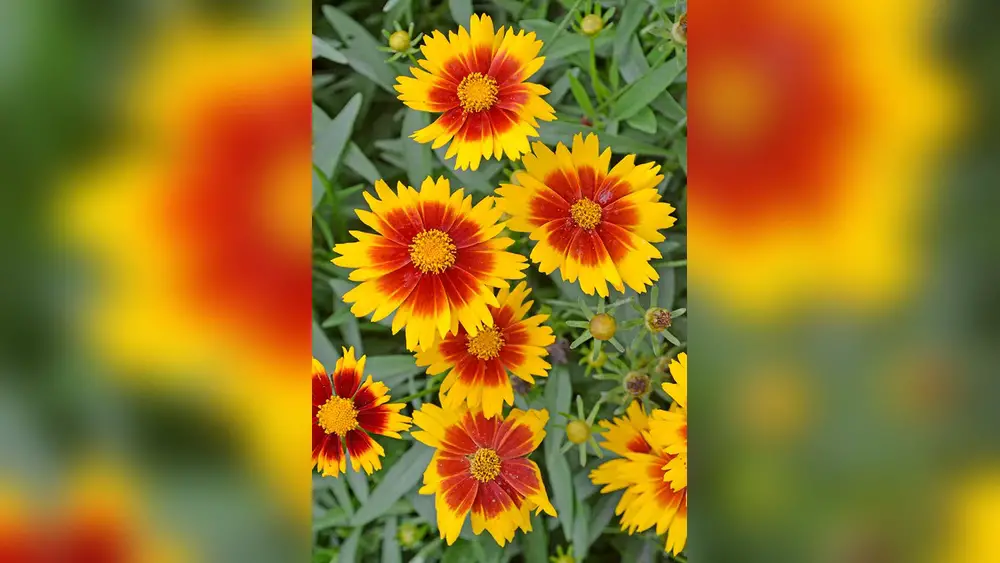
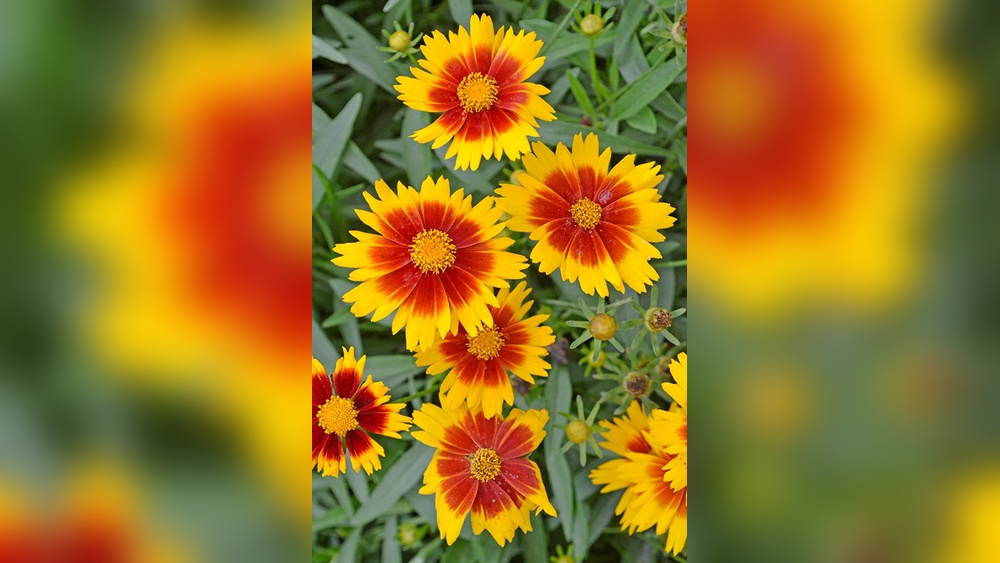
Perennials return year after year with bright blooms. Coreopsis produces yellow flowers that attract bees and butterflies. Black-eyed Susan shows off golden petals with dark centers. Purple coneflower adds purple-pink flowers that bloom long into fall. Blanketflower offers fiery red and orange blooms that last all summer. These perennials bring color and life to any sunny garden space.
Drought Tolerant Plant Choices
Choosing drought tolerant plants for south-facing gardens in Central Florida helps save water and keeps your garden thriving. These plants withstand hot, sunny conditions with minimal watering. They require less maintenance and reduce stress during dry spells. Planting drought-resistant species creates a sustainable and beautiful outdoor space.
Succulents And Aloes
Succulents store water in their thick leaves. They survive long dry periods easily. Aloe plants are a popular choice. They have spiky leaves and sometimes produce flowers. Both succulents and aloes prefer full sun and dry soil. These plants add texture and color to any garden.
Flowering Drought-resistant Plants
Many flowering plants handle drought well. Lantana is bright and attracts butterflies. Blanketflower blooms with vibrant red and yellow petals. Coreopsis offers cheerful yellow flowers all summer. These plants bring color without heavy watering. They brighten south-facing gardens while saving water.
Herbs And Groundcovers
Herbs like rosemary and thyme thrive in dry, sunny spots. They add fragrance and can be used in cooking. Creeping groundcovers like sedum spread quickly and protect soil. They reduce weeds and retain moisture. These plants cover bare soil and keep gardens healthy with little water.
Native Plants For South Facing Gardens
Native plants thrive in south facing gardens in Central Florida. These plants adapt well to the intense sun exposure. Their natural resilience reduces the need for extra watering and care. Choosing native species supports the local ecosystem. Native plants add beauty and harmony to your garden space.
Butterfly-friendly Options
Butterflies love native plants that bloom in full sun. Milkweed is a top choice, attracting monarch butterflies. Passionflower vines offer nectar and a place for caterpillars. Lantana produces colorful flowers that attract many butterfly species. These plants create a lively, colorful garden that supports butterfly populations.
Wildlife Supportive Plants
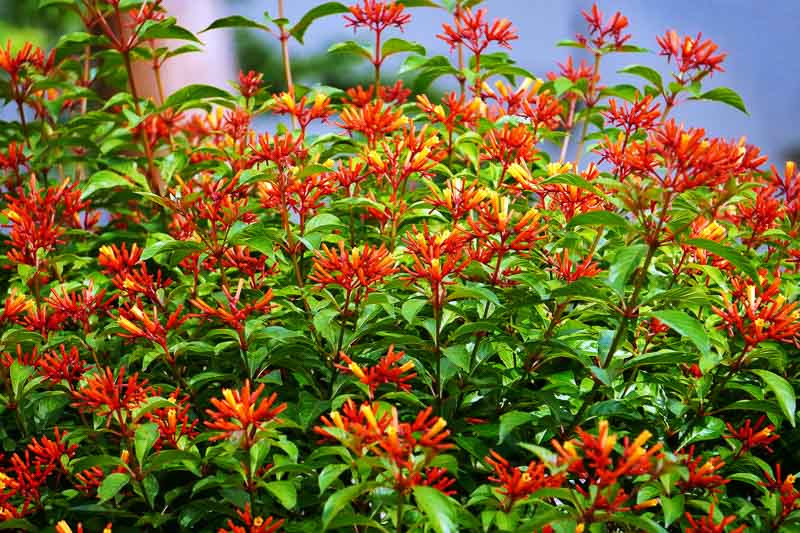
Native plants provide food and shelter for many animals. Coontie is a low-growing plant that supports butterfly larvae. Saw palmetto berries feed birds and small mammals. Firebush attracts hummingbirds and pollinators with its bright flowers. These plants help maintain a balanced and healthy wildlife habitat in your garden.
Credit: costafarms.com
Planting Tips For South Facing Spots
South facing spots in Central Florida receive strong sunlight most of the day. This makes them ideal for sun-loving plants but also demands special care. Proper planting ensures healthy growth and vibrant blooms. Follow these simple tips to prepare soil, water wisely, and manage sunlight effectively.
Soil Preparation
Start with loose, well-draining soil. Mix in organic compost to add nutrients. Avoid heavy clay that holds water and can harm roots. Test soil pH and aim for slightly acidic to neutral (6.0-7.0). Remove weeds and debris before planting. Prepare a planting hole twice as wide as the root ball. This gives roots room to grow. Mulch around plants to keep soil cool and moist.
Watering Strategies
Water deeply to encourage strong roots. Early morning watering reduces evaporation loss. Avoid watering in the heat of the day to prevent leaf burn. Check soil moisture regularly by feeling the top inch. Adjust watering frequency in dry or rainy periods. Use drip irrigation or soaker hoses to deliver water directly to roots. This saves water and reduces disease risks.
Sunlight Management
South facing areas get intense sunlight. Choose plants that tolerate full sun for best results. Use shade cloth or garden umbrellas during extreme heat. Place taller plants to shield smaller, sensitive ones. Rotate pots or plants to avoid uneven sun exposure. Monitor plants for signs of sun stress, like leaf scorch or fading color. Provide extra water or shade if needed.
Avoiding Common Planting Mistakes
Planting in a south-facing garden in Central Florida offers great sunlight. This exposure suits many vibrant plants. Avoiding common planting mistakes helps your garden thrive. Understanding these errors can save time and effort. Healthy growth depends on proper plant care from the start.
Choosing Plants Unsuitable For Full Sun
South-facing areas receive intense sunlight most of the day. Some plants cannot handle this much sun. Selecting shade-loving plants causes leaf burn and poor growth. Pick plants labeled for full sun or heat tolerance. This choice ensures strong, healthy plants in your garden.
Ignoring Soil Preparation
Good soil is the foundation of plant health. Central Florida soil often lacks nutrients and drains quickly. Adding organic matter improves water retention and provides nutrients. Avoid planting directly in poor soil without amendment. Proper soil preparation supports root development and plant vigor.
Overwatering Or Underwatering
Water needs vary by plant but must be balanced. Overwatering can cause root rot and fungal issues. Underwatering leads to dry, stressed plants. Monitor soil moisture regularly. Water deeply but less often to encourage strong roots. Adjust watering during rainy or dry seasons.
Planting Too Close Together
Crowding plants limits air circulation and sunlight. This condition promotes disease and weak growth. Follow spacing recommendations on plant tags. Adequate space allows each plant to reach full size. Proper spacing reduces pest and disease problems.
Neglecting Mulch Use
Mulch helps conserve soil moisture and control weeds. Without mulch, soil dries quickly in the hot sun. Mulch also stabilizes soil temperature. Apply a 2-3 inch layer around plants, avoiding direct stem contact. Mulching supports healthy roots and reduces garden maintenance.
Enhancing Garden Aesthetics
Enhancing garden aesthetics transforms a simple yard into a vibrant, inviting space. Choosing the right south-facing plants in Central Florida boosts beauty and harmony. Sun-loving plants thrive here, creating lively, colorful displays. Thoughtful design highlights each plant’s unique shape and color.
Color Combinations
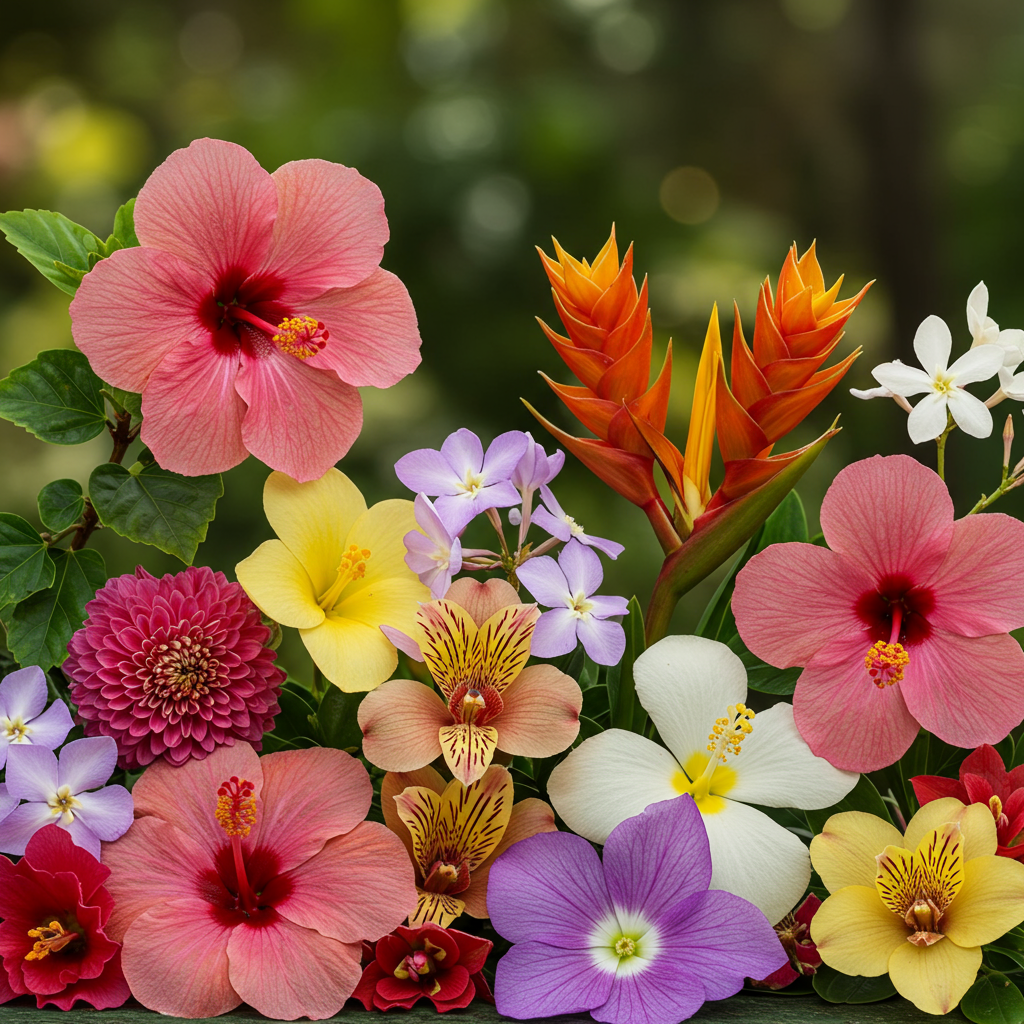
Mix bright blooms with deep green leaves for strong contrast. Use warm colors like red, orange, and yellow to energize the space. Cool colors such as blue and purple bring calmness and balance. Combine flowering plants and foliage with different hues for eye-catching appeal. Colorful crotons, lantanas, and hibiscus perform well in full sun.
Layering And Texture
Layer plants by height to add depth and interest. Place taller plants like bird of paradise in the back. Medium plants such as butterfly bush go in the middle. Low-growing plants like blue daze work well at the front. Mix smooth, spiky, and fluffy textures for dynamic visual effects. This approach makes the garden feel full and alive.
Seasonal Interest
Choose plants that bloom or change color in different seasons. Hibiscus and plumbago flower in spring and summer. Crotons show rich colors in fall and winter. Adding evergreens keeps the garden lively year-round. Rotate seasonal annuals to keep color fresh. This strategy ensures your garden always looks vibrant and inviting.
Maintenance For Lush Growth
Maintaining south-facing plants in Central Florida requires regular care to keep them healthy and vibrant. Proper maintenance ensures lush growth and strong resistance to the region’s heat and sun. Simple routines help plants thrive and fill your garden with rich foliage and bright blooms.
Focus on pruning, fertilizing, and pest control. These three areas play a key role in plant health. Following clear guidelines makes maintenance easy and effective.
Pruning Guidelines
Prune your plants to remove dead or damaged branches. This helps air flow and sunlight reach inner parts. Cut back overgrown areas to shape plants and encourage new growth. Use clean, sharp tools to avoid damage. Prune during early spring or after flowering for best results.
Fertilizing Schedules
Feed your plants regularly with balanced fertilizer. Choose a formula suited for sun-loving plants. Apply fertilizer every 6 to 8 weeks during growing season. Avoid over-fertilizing to prevent leaf burn. Water plants well after feeding to help nutrients absorb.
Pest Management
Check plants often for signs of pests like aphids, spider mites, or scale. Remove pests by hand or use insecticidal soap for control. Keep the garden clean and free of debris to reduce pest habitats. Healthy plants resist pests better, so maintain proper watering and feeding routines.

Credit: costafarms.com
Frequently Asked Questions
What Are The Best Low Maintenance Plants For Full Sun In Florida?
Best low maintenance full sun plants for Florida include Crotons, Bird of Paradise, Butterfly Bush, Lantana, and Rosemary. They thrive in heat and require minimal care.
Which Plant Would Be Best In A South Facing Garden?
Liliums, begonias, dahlias, and eryngiums thrive well in south-facing gardens. These plants enjoy full sun and offer vibrant colors.
What Plants Are Drought Resistant In South Florida?
Drought-resistant plants in South Florida include aloe, lantana, rosemary, coontie, blue daze, butterfly milkweed, and beach dune sunflower. These plants thrive with minimal water, making them ideal for dry conditions. Choose native and low-maintenance species for a sustainable, water-wise garden.
What Plants Do Well In Shade In Florida?
Shade-tolerant plants in Florida include azaleas, begonias, caladiums, bromeliads, Areca and Florida Thatch palms, foxtail fern, Schefflera, Mondo grass, Asiatic jasmine, and variegated shell ginger. These thrive in low-light areas, adding color and texture to shaded gardens.
Conclusion
Choosing the best south-facing plants for Central Florida brings many benefits. These plants thrive in full sun and warm weather. They add color, texture, and life to your garden. Many are low maintenance and drought-tolerant. You can enjoy a beautiful garden with less work.
Experiment with different plants to find your favorites. Watch your garden grow healthy and strong. Happy planting!