If you’re thinking about growing weed in Florida, timing is everything. The Sunshine State’s unique climate means you have more flexibility than most places, but knowing exactly when to plant can make a huge difference in how healthy your plants grow and how big your harvest will be.
You want to avoid the intense summer heat and unexpected frosts, so picking the right month to start your seeds is key. Keep reading to discover the best time to plant weed in Florida, so you can maximize your yield and grow like a pro.
Don’t let the season slip away—your perfect grow starts here!
Florida Climate And Growing Conditions
Florida offers a unique climate that affects how and when you can plant weed. The state’s warm temperatures and high humidity create a special growing environment. Understanding these conditions helps you choose the best planting times. This knowledge ensures healthy plants and good yields.
Year-round Planting Potential
Florida’s mild winters allow planting throughout the year. Outdoor growers can start seeds anytime except during the coldest weeks. The long growing season supports multiple harvests in some areas. This flexibility is rare in most U.S. states.
Spring And Fall Advantages
Spring and fall offer ideal temperatures for planting weed. These seasons avoid the extreme heat that can stress plants. Cooler weather during these times reduces pest problems. Plants grow steadily without too much water stress.
Managing Heat And Humidity
Florida’s summer heat and humidity challenge weed growers. High temperatures can slow growth or cause leaf damage. Proper watering and shade help protect plants. Good airflow reduces mold and mildew risks caused by humidity.
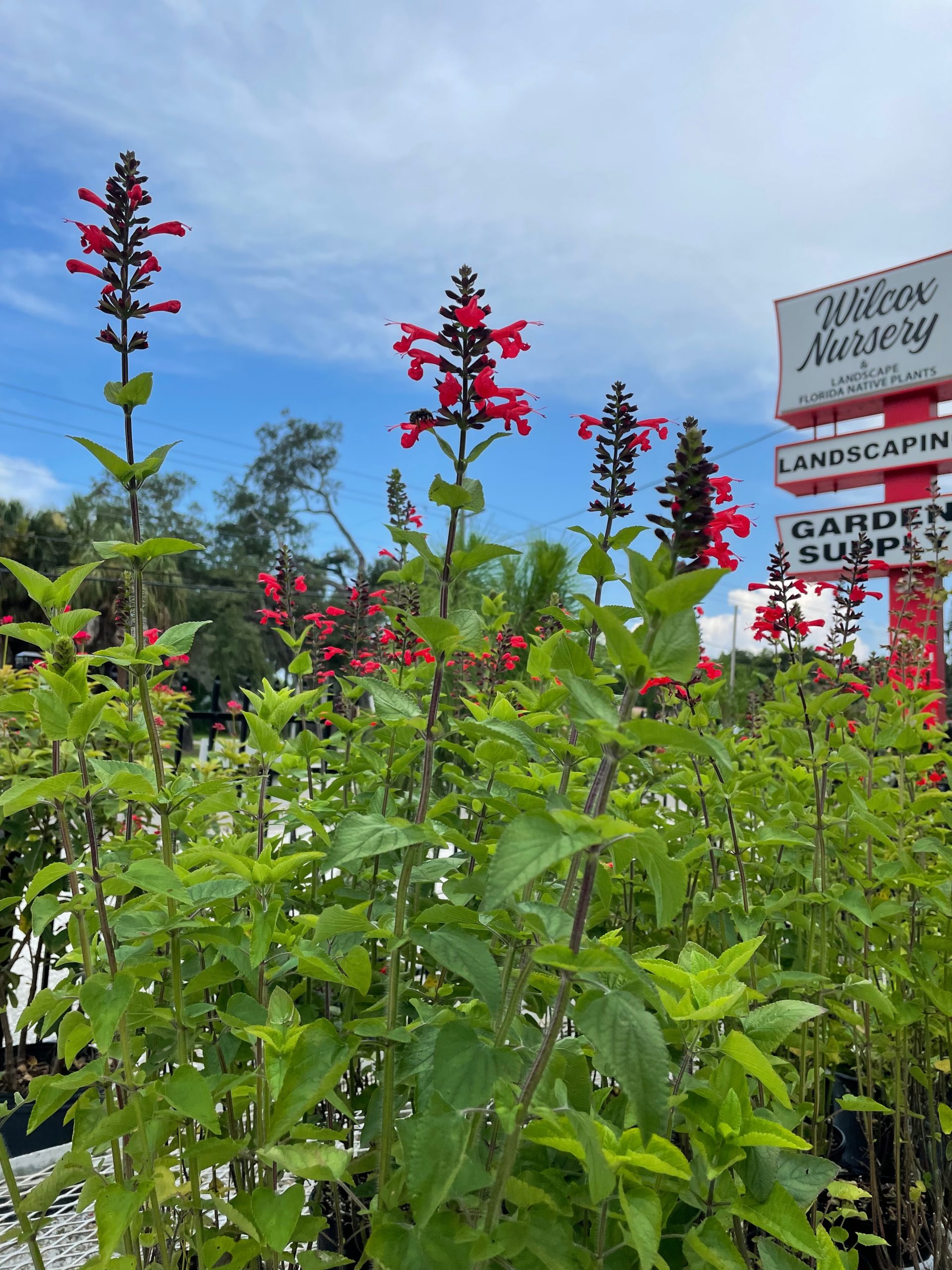
Credit: www.wilcoxnursery.com
Legal Considerations In Florida
Understanding legal considerations is crucial before planting weed in Florida. The state’s marijuana laws are strict, and growing cannabis without permission can lead to serious trouble. Knowing the rules helps avoid risks and ensures safer cultivation practices.
Current Marijuana Laws
Florida allows medical marijuana use with a doctor’s approval. Recreational marijuana remains illegal statewide. Growing weed for personal use is not permitted under current laws. Cultivation licenses exist but are limited and hard to obtain. Violating these laws can lead to felony charges.
Risks Of Cultivation
Growing cannabis illegally can result in fines and jail time. Police may seize plants and equipment used for cultivation. Even small amounts of weed plants can trigger legal penalties. Risk increases without proper permits or medical authorization. It is important to understand these dangers before planting.
Compliance And Safety Tips
Always follow Florida’s medical marijuana program rules if eligible. Obtain necessary licenses before starting any cultivation. Keep plants secure and out of public view. Maintain records to prove legal compliance if needed. Consult local laws regularly to stay updated on changes.
Optimal Planting Months
Choosing the right time to plant weed in Florida is essential for healthy growth. The state’s warm climate allows for several planting windows. Yet, certain months offer better conditions for strong plants and bigger yields. Knowing the optimal planting months can help growers plan effectively. It ensures plants grow in the best weather and avoid risks like frost or heat stress.
March To May Planting Window
March through May is the prime time to start planting weed outdoors in Florida. The soil warms up enough to support seed germination. Daylight hours increase, encouraging faster growth. Plants get enough sunlight without the intense heat of summer. This period helps seedlings develop strong roots before the hottest months arrive. Starting in this window leads to healthier plants and better harvests.
Avoiding Late Frosts
Late frost can damage young weed plants. In Florida, frost risk drops significantly after early March. Waiting until after this time reduces chances of frost injury. Frost can stunt growth or kill seedlings, wasting time and effort. Checking local frost dates helps pick safe planting days. Planting after frost danger ensures plants grow without cold stress.
Timing For Maximum Yield
Planting weed too early or too late affects yield size. Starting in March to May gives plants time to mature before fall. This timing lets buds develop fully in warm weather. Plants grown in this window usually produce larger, denser flowers. Careful timing helps growers harvest at peak potency. Proper planting months maximize the return on effort and resources.
Planting Techniques For Success
Planting weed in Florida requires careful attention to techniques. Proper methods help plants grow healthy and strong. Success begins with the right start and continues through transplanting and care.
Each step affects the final yield. Use these planting techniques to improve your chances of success in Florida’s climate.
Starting Seeds Indoors
Start seeds indoors to protect them from harsh weather. Use seed trays with good drainage and a light soil mix. Keep the soil moist but not soaked. Place trays in a warm spot with indirect sunlight. This helps seeds germinate faster. After two to three weeks, seedlings should have several leaves. This is the right time to prepare for transplanting.
Transplanting Outdoors
Choose a sunny spot with good airflow for transplanting. Harden off seedlings by exposing them to outdoor conditions slowly. Start with a few hours a day, increasing time over one week. Plant seedlings carefully to avoid root damage. Space plants about 2 to 3 feet apart. This spacing allows room for growth and reduces disease risk. Transplant during early morning or late afternoon to avoid heat stress.
Watering And Soil Requirements
Weed plants need well-drained soil rich in organic matter. Sandy loam soils work well in Florida. Water plants deeply but infrequently. This encourages strong root growth. Avoid overwatering, which can cause root rot. Early morning watering is best to reduce evaporation. Add mulch around plants to keep soil moist and control weeds.
Heat Stress Management
Managing heat stress is crucial when planting weed in Florida. The state’s hot climate can challenge young plants. Proper care helps plants survive and thrive despite high temperatures. Understanding heat stress signs and using cooling methods protect your crop. Maintaining plant health ensures steady growth and better yields.
Recognizing Heat Stress
Heat stress happens when plants get too hot. Leaves may curl, wilt, or turn yellow. Growth slows down and plants look weak. Sometimes, you see brown spots on leaves. Early signs help you act fast to save plants.
Cooling Strategies
Shade cloth reduces direct sunlight on plants. Water plants early in the morning or late evening. Avoid watering during the hottest part of the day. Mulch keeps soil moist and cool. Using fans or misters can lower leaf temperature outdoors.
Maintaining Plant Health
Healthy plants resist heat better. Use good soil with nutrients and proper drainage. Feed plants with balanced fertilizer regularly. Prune damaged leaves to improve air flow. Watch for pests and treat them quickly. Consistent care helps plants stay strong under heat.

Credit: www.revivalgardening.com
Harvest Timing And Preparation
Harvest timing and preparation play a vital role in growing weed successfully in Florida. Knowing the right time to harvest ensures the best quality and potency of your crop. Proper preparation before and after harvest helps preserve the plant’s valuable properties. Understanding the signs of maturity, ideal harvest months, and post-harvest handling methods is key for every grower.
Signs Of Maturity
Watch the trichomes closely. They change from clear to milky white and amber. Pistils darken and curl inward. Buds swell and feel dense to touch. These signs show the plant is ready for harvest. Harvesting too early or late reduces quality and yield.
Late September To October Harvest
In Florida, the best harvest time falls between late September and October. This period offers optimal weather conditions. Plants have matured fully after months of growth. Harvesting during this window maximizes potency and flavor. Avoid harvesting during heavy rains to prevent mold.
Post-harvest Handling
Trim leaves carefully to expose buds. Dry the harvested plants in a dark, well-ventilated space. Maintain temperatures around 60-70°F and humidity near 50%. Proper drying prevents mold and preserves cannabinoids. Cure buds in airtight containers for several weeks to improve taste and smoothness.
Regional Tips For Southwest Florida
Southwest Florida offers a unique environment for planting weed. Knowing the regional details helps growers plan better. This section covers climate specifics, common challenges, and useful community resources for this area.
Climate Specifics
Southwest Florida has a warm, humid climate. Summers are hot with frequent rains. Winters stay mild and dry. This climate supports outdoor growing nearly year-round. The rainy season runs from June to September. Heavy rain can affect young plants. Cooler months from November to March are ideal for growth. High humidity can increase mold risks. Choosing the right planting time reduces these problems.
Local Growing Challenges
Pests like spider mites and whiteflies are common here. They can damage weed plants quickly. Strong winds from storms may break branches. Soil can be sandy, which drains water fast. Frequent watering helps but avoid overwatering. Heat stress in summer can slow growth. Shade nets can protect plants from harsh sun. Proper plant spacing improves airflow and reduces mold. Planning for these challenges leads to healthier crops.
Community Resources
Local gardening clubs share tips and advice. Online forums focus on Florida’s growing conditions. Extension services provide soil testing and pest info. Some nurseries offer plants suited for Southwest Florida. Social media groups connect local growers for support. These resources help beginners and experts alike. Learning from others shortens the trial and error period.

Credit: baytobaylandscaping.com
Frequently Asked Questions
What Is The Best Month To Plant In Florida?
The best months to plant in Florida are March through May and September through November. These periods avoid extreme heat and frost. Spring and fall offer optimal temperatures for most plants to thrive. Heat-tolerant plants can grow well in summer with sufficient watering.
Can You Plant Plants In The Fall In Florida?
Yes, you can plant in Florida during fall. The temperate autumn supports cool-season vegetables and many other plants. Fall planting helps plants establish before winter.
Is It Legal To Grow One Weed Plant In Florida?
Growing one weed plant in Florida is illegal. Cultivating marijuana is a felony and can lead to severe legal penalties.
When Should You Start Your Weed Plant?
Start your weed plant outdoors between March and May, after the last frost, to ensure full maturity by harvest.
Conclusion
Planting weed in Florida works best from March to May. These months offer warm weather and low humidity, helping plants grow strong. Avoid planting during the hottest summer months to prevent stress on your plants. Fall can also support planting, but the main harvest happens in late September or October.
Starting at the right time helps maximize yield and quality. Keep watering consistent and watch for pests. Timing matters, so plan your grow season carefully for the best results in Florida’s unique climate.