Finding the right plants to brighten up shady spots in your Florida garden can feel tricky. You want greenery that thrives without too much sun but still adds color and life to those darker corners.
Luckily, Florida’s unique climate offers a variety of beautiful shade-loving plants that are both hardy and eye-catching. Whether you’re looking to create a lush tropical vibe or add vibrant foliage and flowers, this guide will help you discover the best Florida plants for shade.
Keep reading to transform your shaded spaces into stunning garden highlights that you’ll enjoy year-round.
:max_bytes(150000):strip_icc()/best-shade-plants-to-grow-on-a-north-facing-wall-4767396-hero-6812611035f24fa99464b59b665dfdb5-80a4fceed37d465d859c0c017c0bbf98.jpeg "Best Florida Plants for Shade: Top Picks for Lush Gardens 2")
Credit: www.thespruce.com
Flowering Shade Plants
Shade gardens in Florida do not have to be dull or lifeless. Many flowering plants thrive in low light, brightening shaded spots with vivid colors. These plants bring charm and life to areas under trees or beside buildings. They add texture and variety with their blooms and leaves.
Choosing the right flowering shade plants helps create a lively garden. These plants adapt well to Florida’s climate and shady conditions. They bloom beautifully without needing direct sunlight. Here are some of the best flowering shade plants for Florida gardens.
Azaleas
Azaleas are classic shade-loving shrubs. They produce clusters of bright flowers in spring. These plants prefer filtered sunlight or morning sun. Azaleas add color and structure to shady garden corners. They are easy to care for with proper watering and mulch.
Begonias
Begonias thrive in shaded areas with high humidity. They offer colorful flowers and attractive leaves. Begonias bloom in pink, red, white, and orange shades. These plants do well in containers or garden beds. They need well-drained soil and regular watering.
Caladiums
Caladiums are known for their striking leaf patterns and colors. Their leaves can be red, pink, white, or green with spots. Caladiums grow best in deep shade. They bring a tropical feel to shaded garden spots. These plants need moist soil and warm temperatures.
Bromeliads
Bromeliads add exotic color and texture to shade gardens. They come in many shapes and vibrant colors. Bromeliads collect water in their central cups, helping them survive dry spells. They prefer filtered light and good air circulation. These plants are great for adding height and interest.
Coleus
Coleus plants are popular for their colorful and patterned leaves. They do not produce showy flowers but their foliage stands out. Coleus grows well in partial to full shade. They are easy to grow from cuttings. Coleus adds bright reds, yellows, and greens to shady areas.
Palms And Tropical Plants
Palms and tropical plants bring a lush, exotic feel to shaded Florida gardens. They thrive in low light and add texture and height. These plants create a calm, green oasis that feels like a tropical retreat.
Many palms grow well in shade and are perfect for small or large spaces. Tropical plants also add vibrant green leaves and unique shapes. Together, they turn shaded areas into beautiful garden spots.
Areca Palm
The Areca Palm grows fast and spreads nicely in shade. It has feathery, arching fronds that add softness to any space. This palm can reach up to 6-10 feet tall and fits well in containers or garden beds.
Areca Palms prefer moist, well-drained soil. They need some indirect sunlight but tolerate shaded spots well. The plant also helps clean the air, making it perfect for indoor or outdoor shade areas.
Florida Thatch Palm
Florida Thatch Palm is a smaller palm perfect for shaded patios or gardens. It has fan-shaped leaves that create a bold, tropical look. This palm grows slowly and stays compact, ideal for limited space.
This palm thrives in partial shade and handles Florida’s heat well. It is low maintenance and drought tolerant once established. The Florida Thatch Palm adds a unique texture to shaded garden spots.
Foxtail Fern
Foxtail Fern is a bushy plant with soft, feathery fronds. It grows well in both sun and shade, making it very versatile. The plant adds a bright green, fluffy texture to shaded areas.
It needs well-drained soil and occasional watering. Foxtail Fern is low maintenance and resists pests. It works well in containers or as a garden accent in shade.
Schefflera
Schefflera is a tropical shrub with shiny, umbrella-like leaves. It brightens darker garden corners with its glossy green foliage. This plant grows quickly and can reach 6-12 feet tall.
Schefflera prefers partial to full shade and moist soil. It is easy to care for and adds a bold, tropical style to any shaded space. The plant also helps improve air quality indoors.
Groundcovers And Vines
Groundcovers and vines are essential for shady areas in Florida gardens. They cover the soil and add texture without needing much sunlight. These plants help prevent weeds and keep the garden looking neat. Many groundcovers and vines thrive in Florida’s humid and warm shade. They are low maintenance and bring lush green beauty to shadowed spots.
Mondo Grass
Mondo grass is a tough groundcover that grows well in shade. It has narrow, dark green leaves that form dense clumps. Mondo grass spreads slowly, making it easy to control. It tolerates Florida’s heat and humidity. Use it to cover bare soil or between stepping stones. This plant adds a neat, grassy look to shady gardens.
Asiatic Jasmine
Asiatic jasmine is a fast-growing vine and groundcover. It thrives in full shade and partial sun. The small, glossy leaves create a thick carpet of green. Asiatic jasmine is drought-tolerant once established. It stops soil erosion on slopes and hides bare ground. This plant needs little care and stays green year-round in Florida.
Variegated Shell Ginger
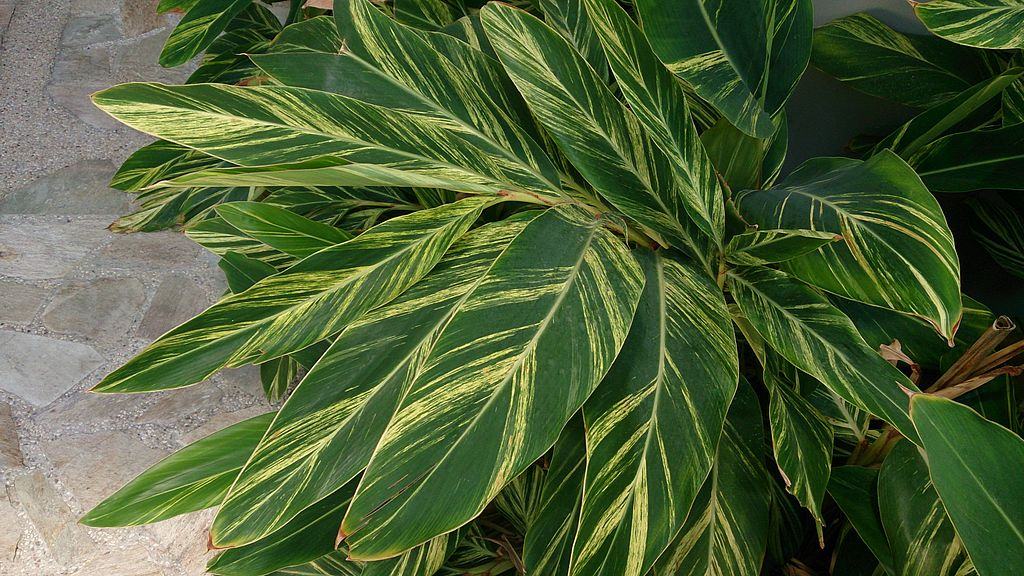
Variegated shell ginger is a tropical plant that grows well in shade. It has large leaves with white and green stripes. This plant adds color and texture to shady spots. Variegated shell ginger can grow tall, acting as a living screen. It also produces fragrant flowers in warm months. This shade-loving plant fits perfectly in Florida gardens.

Credit: ethoslandscapes.com
Native And Unique Plants
Native and unique plants enrich Florida’s shaded gardens with natural beauty and resilience. These plants thrive without much care and support local wildlife. Their distinct shapes and colors add charm to any shady spot.
Choosing native species helps maintain Florida’s natural balance. Unique plants stand out with their special features and adaptability to shade.
Firebush
Firebush is a native shrub with bright red-orange flowers. It attracts hummingbirds and butterflies, adding life to shaded areas. This plant grows well in partial shade and can handle Florida’s heat. Firebush also has green leaves that turn dark purple in cooler months.
Butterfly Iris
Butterfly Iris produces delicate white flowers with purple veins. It prefers moist, shady spots near water. This native plant blooms in spring and summer, attracting pollinators. Butterfly Iris adds elegance with its slender leaves and graceful flowers.
Cast Iron Plant
The Cast Iron Plant is tough and low-maintenance. It has broad, dark green leaves that brighten shady corners. This plant tolerates dry soil and low light, perfect for Florida’s shaded gardens. It grows slowly but can live for many years.
Swamp Lily
Swamp Lily is a striking native with large white flowers and long green leaves. It grows well in wet, shaded areas like swamp edges. This plant blooms in summer and attracts bees and butterflies. Swamp Lily adds a tropical feel to shady Florida gardens.
Care Tips For Shade Plants
Shade plants in Florida need special care to stay healthy and vibrant. Understanding their needs helps them grow well in less sunny areas. Proper care includes attention to soil, watering, feeding, and pest management.
Soil And Watering
Shade plants prefer soil that drains well but stays moist. Use organic matter to improve soil texture. Water these plants regularly, but avoid overwatering. Check soil moisture often to prevent root rot. Early morning watering helps reduce water loss.
Fertilizing
Feed shade plants with a balanced, slow-release fertilizer. This supports steady growth without burning leaves. Apply fertilizer in spring and summer, the active growing seasons. Avoid heavy feeding in fall and winter. Use compost or mulch to add nutrients naturally.
Pest Control
Shade plants may attract pests like aphids, spider mites, and scale. Inspect plants regularly to catch problems early. Use insecticidal soap or neem oil to control pests safely. Encourage natural predators like ladybugs in your garden. Remove damaged leaves to prevent pest spread.
Credit: www.groundsource.pro
Design Ideas For Shady Gardens
Designing a shady garden in Florida offers a unique chance to create a cool, inviting space. Shade-loving plants bring life and color even without direct sunlight. Careful planning helps these plants thrive and look beautiful all year.
Using smart design ideas makes a shady garden more interesting and vibrant. Combining different plant shapes, colors, and textures creates depth and charm. Adding focal points guides the eye and highlights special areas in the garden.
Layering Plants
Layering plants adds depth and structure to shady gardens. Start with taller plants like palms or shrubs at the back. Use medium-height plants such as azaleas or bromeliads in the middle. Place low-growing groundcovers like Mondo grass at the front.
This arrangement helps plants get the right light and space. It also creates a natural, lush look. Layering keeps the garden from feeling flat or empty in shaded spots.
Using Color And Texture
Color and texture bring life to shaded areas. Bright leaves from caladiums and coleus add vivid color. Flowering plants like begonias show off splashes of pink, red, or white.
Leaf shapes and textures create visual interest. Ferns and foxtail ferns have soft, feathery fronds. Variegated shell ginger offers bold, striped leaves. Mixing these textures keeps the garden lively and fresh.
Creating Focal Points
Focal points draw attention and add charm to shady gardens. Place a large, striking plant like an Areca palm as a centerpiece. Use garden art, such as a birdbath or statue, to catch the eye.
Pathways lined with colorful plants guide visitors through the space. Seating areas surrounded by bright foliage create cozy spots to relax. Focal points give the garden personality and invite exploration.
Frequently Asked Questions
What Plants Do Well In Shade In Florida?
Azaleas, begonias, bromeliads, caladiums, Areca and Florida Thatch palms thrive in Florida’s shade. Foxtail fern, Schefflera, Mondo grass, Asiatic jasmine, and variegated shell ginger also grow well. Native plants like firebush, butterfly iris, cast iron plant, and swamp lily suit shady Florida gardens.
What Is The Best Low Maintenance Landscape In Florida?
The best low maintenance landscape in Florida uses native shade-tolerant plants like azaleas, bromeliads, caladiums, Areca palms, and Asiatic jasmine. These plants thrive with minimal care and add vibrant color and texture to shady areas.
Which Plant Grows Best In Full Shade?
Azaleas, begonias, caladiums, bromeliads, Areca palms, and cast iron plants grow best in full shade. These thrive with minimal sunlight and add color and texture. Mondo grass and Asiatic jasmine work well as groundcovers in shady areas.
What Flowering Plants Do Well In Mostly Shade?
Azaleas, begonias, caladiums, bromeliads, coleus, and firebush thrive in mostly shade. Palms like Areca and Florida Thatch also do well. Groundcovers such as mondo grass and Asiatic jasmine brighten shady spots. Cast iron plant and swamp lily suit low-light, moist areas.
Conclusion
Choosing the right plants for Florida’s shade areas makes a garden come alive. Plants like azaleas, begonias, and caladiums add color and texture. Palms such as the Areca and Florida Thatch bring a tropical feel. Groundcovers like Mondo grass and Asiatic jasmine fill shady spots nicely.
These plants thrive in low light and need less water. Shade gardens become cool, inviting spaces with the right choices. Start planting now to enjoy a vibrant, lush garden all year. Shade plants help your Florida garden look its best.