If you’re gardening in Florida and want to add a bright, silvery touch to your summer landscape, planting Snow-in-Summer seeds is a fantastic choice. But timing is everything when it comes to getting these beautiful, low-growing plants to thrive.
Knowing the best time to plant Snow-in-Summer seeds in Florida can mean the difference between a lush, white carpet of flowers and a struggling patch that never quite takes off. You’ll discover exactly when and how to plant these seeds to enjoy their stunning blooms all summer long.
Ready to transform your garden with easy-care, eye-catching ground cover? Let’s dive in and get your planting schedule just right.

Credit: www.outsidepride.com
Planting Timeframe In Florida
Knowing the right planting timeframe is key to growing healthy Snow-in-Summer plants in Florida. The climate here allows for flexible planting schedules. Timing affects seed germination and plant growth. Choose the best moment to give your seeds the best start. Understanding Florida’s frost patterns and temperature changes helps plan planting effectively.
After Frost Risk Passes
Plant Snow-in-Summer seeds outdoors after all frost danger ends. Frost can harm young seedlings and stop growth. In Florida, frost risk usually ends by late February or early March. Press seeds gently into the soil surface without covering them deeply. The soil should be warm and moist for best results. This method lets seeds sprout naturally under the sun’s warmth.
Indoor Seed Starting
Start Snow-in-Summer seeds indoors six to eight weeks before the last frost date. Use seed trays or small pots with well-draining soil. Keep the soil moist but not soaked. Provide bright, indirect light for healthy seedlings. Transplant seedlings outdoors once they grow strong and frost risk is gone. Indoor starting gives plants a head start, especially in cooler months.
Soil And Site Preparation
Preparing the soil and choosing the right site are key steps before planting Snow in Summer seeds in Florida. Good preparation helps seeds grow strong and healthy. Knowing the soil needs and picking a proper location make planting easier and more successful.
Soil Requirements
Snow in Summer prefers well-drained soil. Heavy clay or waterlogged soil can harm the plants. A sandy or loamy mix works best. The soil should be loose to let roots spread easily. Adding organic compost improves soil texture and nutrients. Check soil pH; it should be slightly acidic to neutral, around 6.0 to 7.0. Avoid overly rich soil to prevent weak growth. Proper soil preparation gives seeds the best start.
Sunlight And Location
Choose a sunny spot for planting. Snow in Summer needs at least 6 hours of direct sunlight daily. Full sun encourages dense growth and more flowers. Avoid shady areas under tall trees or buildings. The site should have good air circulation to reduce disease risk. Space plants enough to avoid crowding. Picking the right location ensures healthy, vibrant plants all summer.
Seed Sowing Techniques
Planting snow-in-summer seeds requires careful attention to sowing techniques. These methods help seeds grow strong and healthy. Choosing the right way to sow seeds affects how well they develop in Florida’s summer heat. Two main techniques work well for snow-in-summer seeds: direct sowing and indoor seedling care. Both have benefits depending on your garden setup and timing.
Understanding these techniques ensures better germination and plant growth. Follow these simple steps to give your snow-in-summer seeds a great start.
Direct Sowing Method
Direct sowing means planting seeds straight into the garden soil. This method is simple and saves time. Prepare the soil by loosening it and removing weeds. Scatter the seeds evenly over the surface. Lightly press them into the soil without covering too deep. Keep the soil moist but not soggy. Seeds usually sprout faster in warm soil. This method works best after the last frost has passed in Florida. It allows plants to grow naturally in their environment.
Indoor Seedling Care
Starting seeds indoors gives better control over growing conditions. Use small pots or seed trays filled with seed-starting mix. Plant seeds about 1/8 inch deep. Keep the soil moist and place the containers in a warm spot with indirect sunlight. Use a grow light if natural light is low. Water gently to avoid displacing seeds. After 6 to 8 weeks, seedlings will be ready to move outdoors. Harden off plants by slowly exposing them to outdoor conditions. This step helps them adjust to sun and wind. Indoor care reduces risks from pests and weather.
Watering And Maintenance
Proper watering and maintenance keep Snow-in-Summer seeds healthy and thriving. These plants need consistent care, especially in Florida’s warm climate. Correct watering helps the seeds establish strong roots and grow well. Maintenance tasks like weed and pest control protect the plants from stress and damage. Follow simple guidelines to ensure your garden flourishes.
Watering Schedule
Water Snow-in-Summer seeds gently right after planting. Keep the soil moist but not soggy. Water once daily during the first two weeks. After seedlings appear, reduce watering to twice a week. Increase watering during dry, hot spells. Morning watering reduces evaporation and helps leaves dry. Avoid overwatering to prevent root rot and fungus.
Weed And Pest Control
Remove weeds regularly to reduce competition for water and nutrients. Hand-pull weeds or use a hoe carefully near seedlings. Monitor plants for pests like aphids and spider mites. Spray mild insecticidal soap if pests appear. Avoid harsh chemicals to protect beneficial insects. Healthy plants resist pests better and require less treatment.
Controlling Spread
Controlling the spread of Snow-in-Summer is important for a tidy garden. This plant can spread fast if not managed. Understanding its growth habits helps keep it in check. Proper containment ensures it does not take over other plants.
Growth Habits
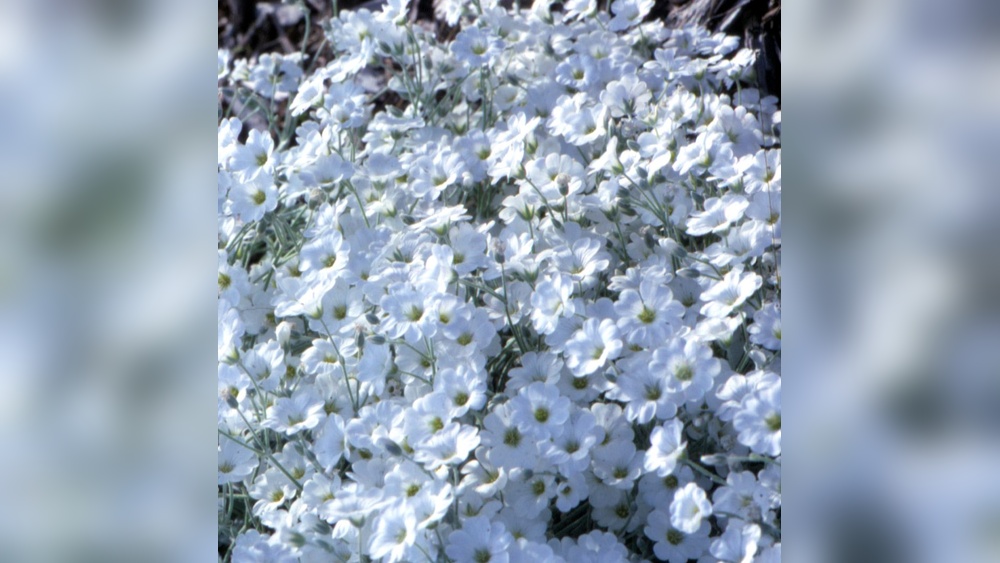
Snow-in-Summer grows low and spreads wide. It sends out runners that root easily in soil. This creates dense mats of silvery leaves and white flowers. The plant can cover large areas quickly if left unchecked. It thrives in sunny, well-drained spots common in Florida gardens.
Containment Tips
Use garden borders or edging to limit its spread. Regularly trim runners to prevent unwanted growth. Plant Snow-in-Summer in containers or raised beds. Mulching around the plant slows its expansion. Keep an eye on new shoots outside the desired area. Removing these early keeps the plant controlled.
Companion Plants
Choosing the right companion plants enhances the beauty of Snow in Summer seeds. Companion plants create contrast and harmony in your garden. They improve the overall look and attract beneficial insects. Planting companions boosts the health of your garden environment. Snow in Summer thrives alongside plants with different colors and textures. These companions highlight its silvery foliage and white flowers.
Plants With Contrasting Foliage
Lamb’s Ear (Stachys byzantina) has soft, fuzzy, silver-gray leaves. This texture contrasts nicely with Snow in Summer’s star-shaped flowers. Dusty Miller (Senecio cineraria) offers silvery-gray foliage, making a perfect ground cover or border. Artemisia varieties also have silvery leaves that complement Snow in Summer’s white blooms. These plants add texture and color contrast to your garden.
Flowering Companions
Lavender (Lavandula angustifolia) produces fragrant purple flowers. These flowers beautifully complement the white blooms of Snow in Summer. Ornamental Onions (Allium hollandicum) have round, purple flower heads. They add vertical interest and color contrast. Coneflowers bring bright hues that enhance the summer garden’s vibrancy. These flowering companions make your garden lively and colorful.
Additional Complementary Plants
Consider planting creeping thyme for ground cover and fragrance. Yarrow adds clusters of small, colorful flowers that attract pollinators. Sedum offers succulent leaves and blooms that blend well with Snow in Summer. These plants enrich your garden’s diversity and support a healthy ecosystem. Mixing these companions creates a balanced and eye-catching garden display.
Common Challenges
Growing Snow in Summer seeds in Florida brings unique challenges. These challenges can impact plant health and growth. Knowing them helps gardeners plan better and protect their plants.
Pests And Diseases
Insects like aphids and spider mites often attack Snow in Summer plants. These pests suck plant juices, causing leaves to yellow or curl. Watch for whiteflies and caterpillars too. They can damage the foliage and flowers.
Diseases such as powdery mildew and root rot also affect these plants. Powdery mildew shows as white powder on leaves. Root rot happens in overly wet soil, killing roots and weakening the plant. Good air flow and proper watering help prevent diseases.
Environmental Stress
Florida’s heat can stress Snow in Summer plants. High temperatures cause leaves to wilt and flowers to drop. Strong sun may scorch the delicate leaves, turning them brown. Drought stress is common during dry spells, slowing growth.
Heavy rain and storms bring flooding risks. Waterlogged soil harms roots and invites fungus. Wind can break stems and scatter seeds. Proper site selection and soil preparation reduce environmental stress effects.
:max_bytes(150000):strip_icc()/how-to-grow-snow-in-summer-plants-2132613_01-f3919ca689e2435cb11b461908fed425.jpg "Best Time to Plant Snow in Summer Seeds in Florida: Ultimate Guide 3")
Credit: www.thespruce.com
Harvesting And Use
Harvesting snow-in-summer plants offers multiple uses that enrich your garden and home. These plants provide both beauty and practical benefits. Knowing how and when to harvest ensures the best results.
Snow-in-summer blooms are ideal for fresh bouquets and decorative arrangements. The plant’s silvery foliage also works well as a living ground cover, enhancing garden spaces.
Cutting For Bouquets
Cut snow-in-summer flowers early in the morning. Choose healthy stems with open blooms for the freshest look. Use sharp scissors to avoid damaging the plant. Place cut stems in water immediately to keep them fresh. These flowers last well indoors and brighten any room. Their soft white petals add a delicate touch to bouquets. Regular cutting encourages new growth and more blooms.
Ground Cover Benefits
Snow-in-summer spreads quickly, forming a dense mat. It helps control weeds by blocking sunlight. The silvery leaves reflect light, keeping soil cooler. This reduces water evaporation, saving moisture during dry spells. Its low height allows it to fit under taller plants. Ground cover also prevents soil erosion on slopes. This plant thrives in Florida’s summer heat, making it a low-maintenance choice.
:max_bytes(150000):strip_icc()/how-to-grow-snow-in-summer-plants-2132613_01-f3919ca689e2435cb11b461908fed425.jpg "Best Time to Plant Snow in Summer Seeds in Florida: Ultimate Guide 4")
Credit: www.thespruce.com
Frequently Asked Questions
When To Plant Snow-in-summer Seeds?
Plant snow-in-summer seeds outdoors after the last frost passes. Alternatively, start indoors six to eight weeks before the last frost.
How To Plant Snow-in-summer Plants?
Plant snow-in-summer in well-drained soil after frost risk passes. Space plants 12-18 inches apart. Press seeds lightly into soil without covering. Water moderately until established. Choose full sun for best growth.
Does Snow-in-summer Spread Quickly?
Snow-in-summer spreads moderately fast through creeping stems. It forms dense mats, covering ground quickly in favorable conditions. Regular trimming controls its spread effectively.
What To Plant With Snow-in-summer?
Plant snow-in-summer with lavender, coneflowers, ornamental onions, lamb’s ear, dusty miller, or creeping thyme for color and texture contrast.
Conclusion
Plant snow-in-summer seeds in Florida after the last frost date. This timing helps seeds grow strong and healthy. Starting seeds indoors six to eight weeks before spring also works well. Choose a sunny spot with well-drained soil for best results.
Pair snow-in-summer with colorful plants like lavender or coneflowers. This creates a lively, beautiful garden space. Regular watering and light care help your plants thrive. Follow these simple steps for a bright summer garden in Florida. Happy planting!