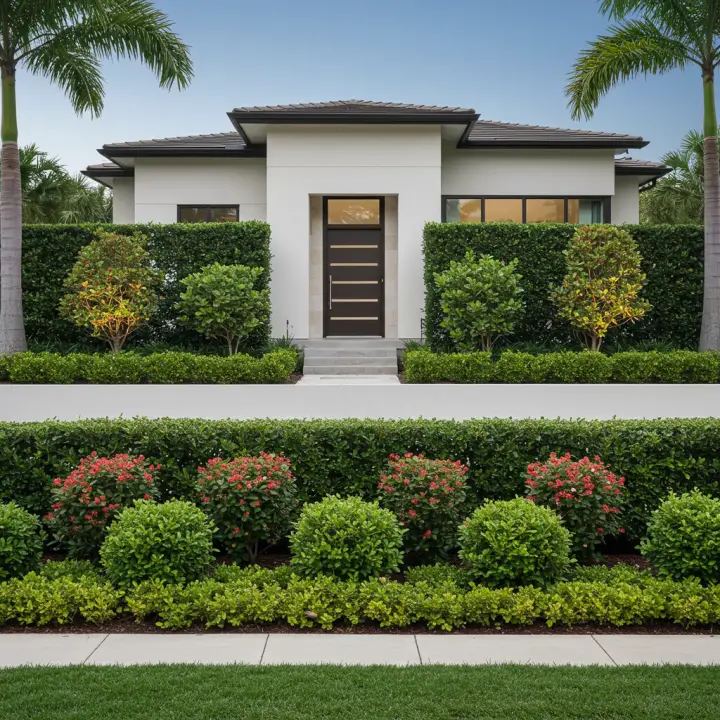
South Florida’s vibrant landscape offers unique opportunities for creating breathtaking outdoor spaces. When it comes to defining boundaries, enhancing privacy, or simply adding a touch of natural elegance, hedges are an indispensable choice. But with so many options, how do you pick the right one? This guide will unveil the most stunning and easy-to-grow hedge varieties that flourish in our subtropical paradise, ensuring your garden remains a low-maintenance sanctuary.
Why Hedges Are Perfect for South Florida Landscapes
Hedges do more than just mark property lines; they are living walls that bring numerous benefits to any South Florida home.
Privacy and Property Definition
A dense hedge offers an unparalleled level of privacy, shielding your outdoor activities from prying eyes. It also creates a clear, natural border, defining your property with beauty and precision.
Sound and Wind Barriers
The thick foliage of a hedge can significantly reduce noise pollution, creating a quieter, more serene environment. They also act as effective windbreaks, protecting more delicate plants and outdoor living areas from strong breezes.
Enhanced Curb Appeal
Well-maintained hedges add significant aesthetic value, boosting your home’s curb appeal. Their lush green textures provide a perfect backdrop for colorful flowering plants or architectural features.
Habitat for Wildlife
Many hedge varieties offer shelter and food for local birds and beneficial insects, contributing to a healthier, more diverse ecosystem right in your backyard.
Top Picks: Stunning & Easy Hedges for South Florida
Choosing the right hedge means considering aesthetics, growth habits, and maintenance needs specific to our climate. Here are our top contenders that combine stunning beauty with effortless growth.
1. Podocarpus (Podocarpus macrophyllus)
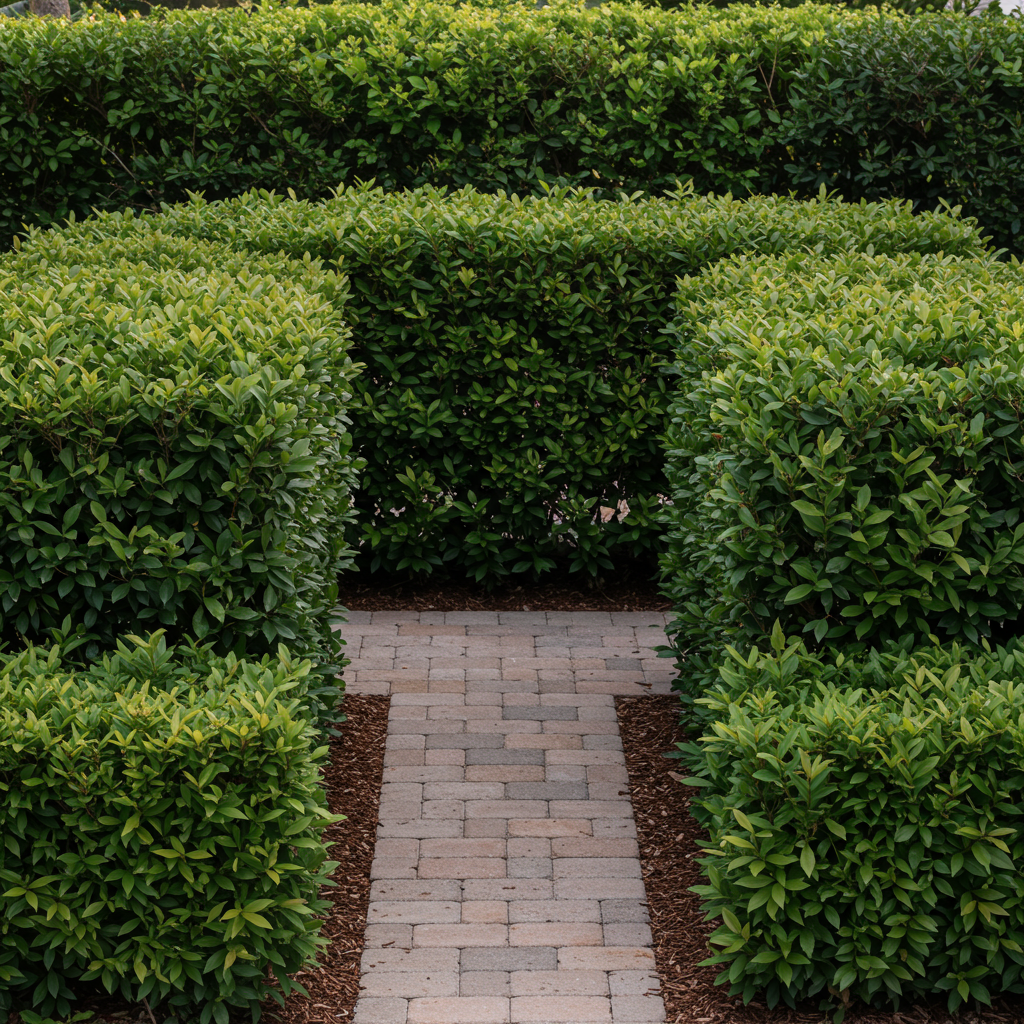
Appearance: This classic evergreen boasts dense, small, dark green leaves that give it a sophisticated, formal appeal. It can be meticulously pruned into geometric shapes or left to grow into a soft, natural screen.
Ease of Care: Podocarpus is incredibly resilient and adaptable. It tolerates a wide range of soil conditions, drought once established, and a fair bit of neglect. It’s relatively slow-growing, meaning less frequent pruning.
Sun Requirements: Full sun to partial shade.
Mature Size: Can reach 20-40 feet if untrimmed, but easily maintained at desired hedge height (4-10 feet).
Why it’s a South Florida Pick: Its hardiness, neat appearance, and low water needs make it a consistent favorite.
2. Clusia (Clusia rosea)
Appearance: Known for its thick, leathery, paddle-shaped leaves, Clusia offers a modern, tropical aesthetic. The vibrant green foliage forms a very dense and uniform hedge.
Ease of Care: Clusia is a superstar for tough conditions. It’s highly salt-tolerant, drought-tolerant, and resists many pests and diseases. It requires minimal pruning to maintain its shape.
Sun Requirements: Full sun to partial shade.
Mature Size: Up to 20 feet if untrimmed, easily kept as a 5-10 foot hedge.
Why it’s a South Florida Pick: Perfect for coastal areas, it’s a rugged yet beautiful choice for contemporary South Florida landscapes.
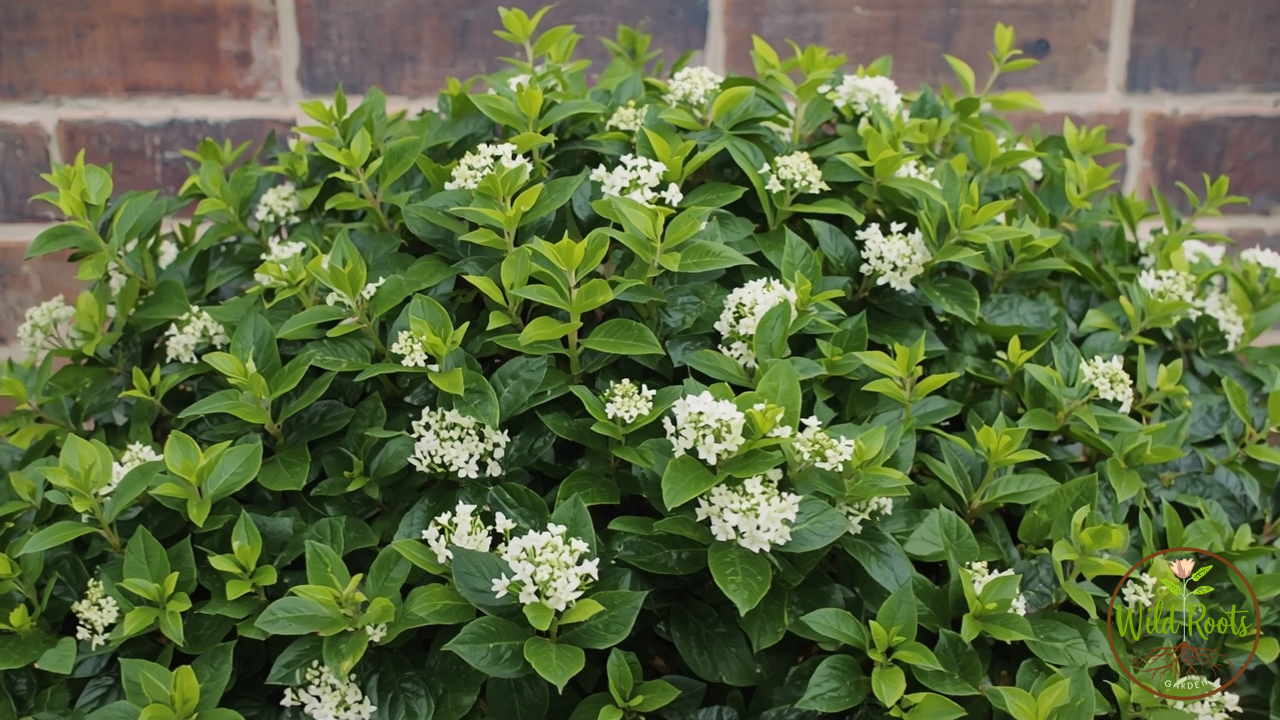
3. Viburnum (Viburnum odoratissimum)
Appearance: With large, glossy, dark green leaves, Sweet Viburnum forms a lush, dense screen quickly. It produces clusters of small white, fragrant flowers in spring, followed by small red berries.
Ease of Care: This fast-growing hedge tolerates various soil types and is quite drought-tolerant once established. It responds well to pruning, bouncing back quickly.
Sun Requirements: Full sun to partial shade.
Mature Size: Can grow 10-15 feet tall and wide, but is typically maintained at 6-10 feet for hedging.
Why it’s a South Florida Pick: Its rapid growth makes it ideal for instant privacy, and its adaptability to our climate is a huge plus.
4. Natal Plum (Carissa macrocarpa)
Appearance: Natal Plum offers charming, dark green, leathery leaves accented by fragrant white, star-shaped flowers that appear almost year-round. These are followed by edible, tart red fruits resembling small plums. It has thorns, which add an extra layer of security.
Ease of Care: Extremely drought-tolerant and salt-tolerant, Natal Plum thrives with minimal water and can withstand tough conditions. It’s generally pest-free and requires light pruning to maintain shape.
Sun Requirements: Full sun to partial shade.
Mature Size: Depends on cultivar, from low-growing varieties (2-3 feet) to larger shrubs (5-7 feet), easily hedged.
Why it’s a South Florida Pick: Its tolerance for heat, salt, and drought, combined with constant bloom and fruit, makes it a rewarding and tough choice.
5. Cocoplum (Chrysobalanus icaco)
Appearance: This native South Florida plant features rounded, evergreen leaves, often with a reddish tint on new growth. It can be found in green or purple-leafed varieties (‘Horizontal’ is a popular cultvar). It produces small white flowers and edible, plum-like fruits.
Ease of Care: Cocoplum is a true survivor, incredibly resilient to salt spray, drought, and various soil conditions. It’s a low-maintenance option that requires minimal intervention once established.
Sun Requirements: Full sun to partial shade.
Mature Size: Varies by cultivar, from 3-5 feet for spreading types to 10-15 feet for upright varieties.
Why it’s a South Florida Pick: As a native plant, it’s perfectly adapted to our environment, supporting local wildlife and requiring very little input from gardeners.
Essential Care Tips for Your South Florida Hedges
Even the easiest hedges benefit from proper care. Following these tips will ensure your stunning South Florida picks thrive for years to come.
Planting for Success
Spacing: Plant hedges at the correct distance from each other and structures. Check the mature width of your chosen plant and space accordingly to allow for healthy growth and air circulation.
Soil Preparation: While tough, most hedges appreciate well-draining soil. Amend heavy clay soils with organic matter to improve drainage.
Initial Watering: Water thoroughly immediately after planting to help settle the soil around the roots.
Watering Wisely
Establishment Phase: Young hedges need consistent moisture. Water deeply 2-3 times a week during their first year, especially during dry spells.
Mature Plants: Once established, most of these hedges are drought-tolerant. Reduce watering to once a week or every other week, or as needed during prolonged dry periods. Always check soil moisture before watering.
Pruning for Shape and Health
Timing: The best time for major pruning in South Florida is usually late winter or early spring before new growth emerges, or after the main flowering/fruiting season. Light shaping can be done throughout the year.
Technique: Prune to encourage density and maintain desired size and shape. Use sharp, clean tools. Always cut back to a side branch or bud to promote new growth. Avoid shearing all the time, which can lead to thin interiors.
Frequency: Fast-growing hedges like Viburnum may need more frequent trimming (2-3 times a year) than slower growers like Podocarpus (1-2 times a year).
Fertilization
Young Hedges: A balanced slow-release fertilizer designed for shrubs (e.g., 8-2-10 or similar) applied in spring and late summer can help promote strong root development.
Mature Hedges: Established hedges often require less fertilizer. A single application in spring is usually sufficient, especially if they are growing vigorously. Always follow product instructions and don’t over-fertilize.
Pest and Disease Management
Monitoring: Regularly inspect your hedges for signs of pests or diseases. Early detection is key to easier management.
Prevention: Healthy plants are more resistant. Ensure proper watering, nutrition, and air circulation.
Treatment: For common issues, start with organic or less toxic solutions like insecticidal soap before resorting to stronger chemicals.
Designing with Hedges: Beyond Just Borders
Hedges offer incredible design versatility. Think beyond simple straight lines and consider these creative uses.
Creating Garden Rooms
Use hedges to define distinct “rooms” within your garden – perhaps a secluded reading nook, an outdoor dining area, or a vibrant perennial border entrance.
Softening Hardscapes
Plant hedges along the base of concrete walls, fences, or building foundations to soften their harsh lines and integrate them more naturally into the landscape.
Enhancing Focal Points
Frame a beautiful statue, water feature, or specimen tree with a well-manicured hedge to draw the eye and create a sense of importance.
Frequently Asked Questions (FAQs)
Q1: How fast do these hedges grow?
A: Growth rates vary: Viburnum grows fastest, offering quick privacy. Clusia and Natal Plum grow at a moderate pace. Podocarpus and Cocoplum are generally slower but create very dense hedges over time.
Q2: Do I need to fertilize my hedges often?
A: No, not often. Young hedges benefit from 1-2 applications per year. Mature, established hedges, especially those in good soil, typically only need a spring feeding or when showing signs of nutrient deficiency.
Q3: Are any of these hedges salt-tolerant?
A: Yes! Clusia, Natal Plum, and Cocoplum are highly salt-tolerant, making them excellent choices for coastal South Florida properties. Podocarpus and Viburnum have moderate salt tolerance.
Q4: Can I plant hedges near my foundation?
A: Generally, yes, but consider the mature root system and eventual size. Planting too close can cause issues with foundations or plumbing later on. Always research the specific plant’s root invasiveness and growth habit. For most of these, leave at least 3-5 feet from the foundation.
Q5: What’s the best time to prune hedges in South Florida?
A: The ideal time for major pruning is typically late winter to early spring, before the peak growing season, or immediately after a flowering/fruiting period. Light shaping can be done throughout the year as needed to maintain appearances. Avoid heavy pruning during the hottest summer months or late fall, which can stimulate new growth vulnerable to winter chill (though South Florida’s winters are mild).
Conclusion
Choosing the best hedges for your South Florida home doesn’t have to be complicated. By selecting stunning, easy-care varieties like Podocarpus, Clusia, Viburnum, Natal Plum, or Cocoplum, you can create a beautiful, private, and resilient landscape that thrives in our unique climate. With minimal effort, these living walls will enhance your property’s beauty, provide practical benefits, and become a cherished feature of your outdoor sanctuary. Invest wisely in these top picks, and enjoy the lasting appeal of a perfectly hedged South Florida garden!