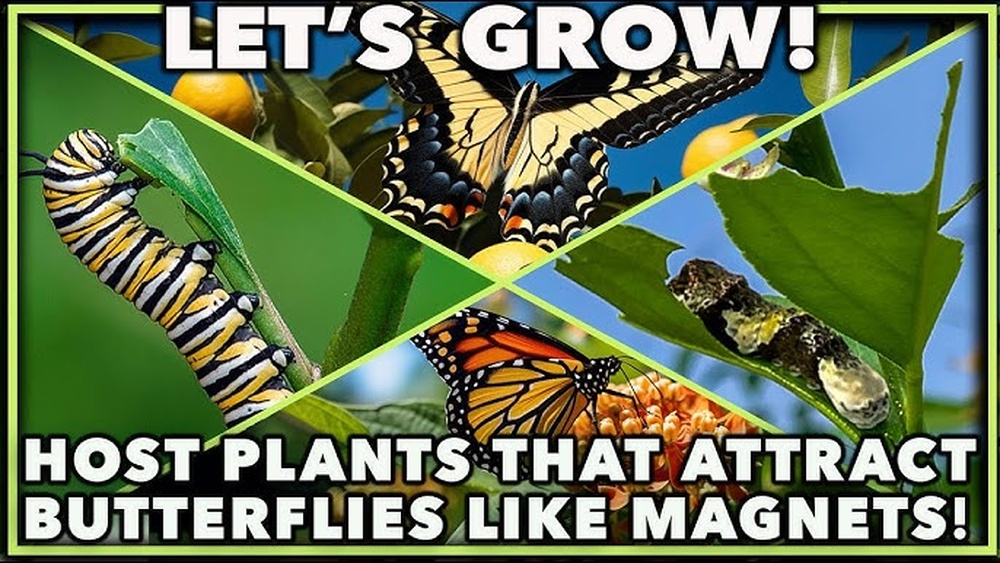
If you want to create a vibrant garden full of fluttering butterflies right in your South Florida backyard, choosing the best host plants is key. These special plants aren’t just pretty—they provide essential food and shelter for butterfly caterpillars, helping these beautiful insects thrive.
Whether you’re hoping to attract monarchs, swallowtails, or gulf fritillaries, knowing which native plants suit South Florida’s unique climate will make all the difference. Ready to turn your garden into a butterfly haven that bursts with life and color? Keep reading to discover the top host plants that will bring nature’s magic to your doorstep.
Top Host Plants For South Florida
South Florida offers a rich environment for butterflies to thrive. Choosing the right host plants supports their life cycle. These plants provide food and shelter for caterpillars and adult butterflies. Planting native species ensures they adapt well to the local climate. Here are some top host plants perfect for South Florida gardens.
Passionflower For Gulf Fritillaries And Zebra Longwings
Passionflower vines are essential for Gulf Fritillaries and Zebra Longwings. These butterflies lay their eggs on passionflower leaves. The caterpillars feed exclusively on these plants. Passionflowers also add vibrant color and texture to your garden. They grow well in South Florida’s warm, sunny conditions. This plant helps maintain healthy butterfly populations naturally.
Milkweed Varieties For Monarch And Queen Butterflies
Milkweed is the main host plant for Monarch and Queen butterflies. Native varieties like aquatic milkweed and swamp milkweed work best. These plants provide food for the caterpillars and attract adult butterflies. Milkweed contains toxins that protect caterpillars from predators. It also blooms with beautiful flowers that add to garden appeal. Planting milkweed supports butterfly survival and migration.
Citrus And Sweet-bay Trees For Swallowtails
Swallowtail butterflies depend on citrus and sweet-bay trees for their larvae. Giant Swallowtails prefer citrus trees such as orange and grapefruit. Eastern Tiger Swallowtails use sweet-bay and black cherry trees. These trees offer leaves where butterflies lay eggs and caterpillars feed. They grow well in South Florida’s climate and provide shade. Including these trees helps attract and support swallowtail species in your garden.

Credit: www.miamiherald.com
Butterfly Types And Their Host Plants
Butterflies need specific plants to lay eggs and feed their caterpillars. These plants are called host plants. Each butterfly species prefers certain host plants. Growing the right host plants helps support butterfly populations in South Florida. It also creates a beautiful garden full of life and color.
Monarch And Queen Butterflies’ Favorites
Monarch and Queen butterflies depend on milkweed plants. Florida native milkweeds like aquatic milkweed and swamp milkweed work best. Milkweed leaves provide food for their caterpillars. The flowers also offer nectar for adult butterflies. Planting milkweed helps these butterflies thrive and encourages them to visit your garden.
Swallowtail Butterfly Host Plants
Swallowtail butterflies use several host plants in South Florida. The Giant Swallowtail lays eggs on citrus trees. Eastern Tiger Swallowtails prefer sweet-bay and black cherry trees. Caterpillars feed on the leaves of these trees. Including these plants in your garden supports swallowtail butterfly life cycles.
Plants For Gulf Fritillary And Zebra Longwing
Passionflower vines are essential host plants for Gulf Fritillary and Zebra Longwing butterflies. Caterpillars feed on passionflower leaves. The colorful flowers attract adult butterflies. Passionflower vines grow well in South Florida’s climate. Adding them to your garden invites these bright butterflies to stay and multiply.
General Butterfly Host Plants
General butterfly host plants play a key role in supporting butterfly populations in South Florida. These plants provide food and shelter for butterfly larvae and adults. Choosing the right plants encourages more butterflies to visit your garden. Native plants often work best because they fit the local climate and ecosystem. Including a variety of host plants ensures butterflies find what they need throughout their life cycle.
Lantana For Small Spaces
Lantana is ideal for small gardens and containers. It has bright, colorful flowers that attract many butterfly species. This plant blooms for most of the year in South Florida. Lantana requires little care and thrives in sunny spots. It is a great option for gardeners with limited space.
Pentas And Ironweed Attracting Butterflies
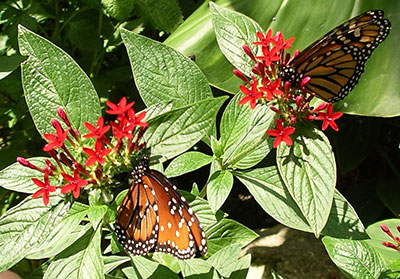
Pentas plants have star-shaped flowers that butterflies love. Their tubular shape suits butterflies with long proboscises. Ironweed is a native wildflower that attracts a wide range of butterflies. Both plants add color and life to butterfly gardens. They also support pollinators beyond just butterflies.
Asters And Partridge Pea As Nectar Sources
Asters offer abundant nectar in late summer and fall. Varieties like Sapphire Mist Aster bring purple hues to gardens. Partridge pea is a native plant that provides nectar and supports butterfly larvae. Both plants help sustain butterflies during critical times of the year. They fit well in naturalized and wildflower garden settings.
Tickseed And Other Native Wildflowers
Tickseed, or Coreopsis, is a bright yellow wildflower loved by butterflies. It is easy to grow and adapts well to South Florida soils. Other native wildflowers also serve as nectar sources and larval hosts. Using native wildflowers supports local butterfly species and encourages biodiversity. These plants bring color and life to any butterfly garden.

Credit: www.youtube.com
Heat-tolerant Plants For South Florida Gardens
South Florida’s gardens face intense heat and strong sun all year. Choosing plants that thrive in these conditions saves water and keeps gardens vibrant. Heat-tolerant plants stand up to summer’s heat without wilting or fading. They add color and life while needing less care. These plants attract butterflies and pollinators, supporting local wildlife.
Lantana, Hibiscus, And Pentas
Lantana is a tough, colorful plant that blooms all year. Its flowers attract butterflies and bees. Lantana grows well in pots or garden beds. Hibiscus adds a tropical touch with large, bright blooms. It loves full sun and heat. Hibiscus flowers come in many colors, from red to pink and yellow. Pentas has star-shaped flowers that bloom in clusters. They thrive in heat and attract many butterflies. Pentas works well in sunny spots or containers.
Salvia And Sunflowers
Salvia is known for its tall spikes of flowers. It grows well in heat and dry soil. Salvia attracts hummingbirds and butterflies with its nectar-rich blooms. Sunflowers are bright and cheerful plants that enjoy full sun. Their large flowers bring warmth to any garden. Sunflowers also attract pollinators and birds. Both plants add height and color to South Florida gardens.
Crotons, Bromeliads, And Succulents
Crotons have colorful, bold leaves that handle heat well. They add texture and bright colors like red, yellow, and green. Bromeliads are unique plants that store water in their leaves. They thrive in South Florida’s warm climate. Bromeliads can grow in shade or sun, making them versatile. Succulents store water in thick leaves, perfect for dry heat. They need little water and come in many shapes and sizes. These plants create interesting garden layers and need minimal care.
Native Plants Supporting Local Ecosystems
Native plants play a vital role in supporting local ecosystems in South Florida. They provide food and shelter for native wildlife, including butterflies and pollinators. By planting native species, gardeners help maintain the natural balance and promote biodiversity.
These plants are well adapted to the local climate and soil, making them easier to grow and maintain. Using native plants also reduces the need for extra water, fertilizers, and pesticides, helping the environment and saving resources.
Benefits Of Using Florida Native Plants
Florida native plants support local insects and animals that rely on them for survival. They provide nectar for adult butterflies and food for caterpillars. Native plants improve soil health by preventing erosion and increasing organic matter.
Choosing native plants reduces garden maintenance and water use. They are resistant to local pests and diseases. Native plants help keep South Florida gardens healthy and sustainable.
Examples Of Native Host And Nectar Plants
Milkweed species, like swamp milkweed and aquatic milkweed, support monarch and queen butterflies. Passionflower vines attract gulf fritillaries and zebra longwings. Citrus trees and sweet-bay trees serve as host plants for swallowtail butterflies.
Other native plants that provide nectar include lantana, pentas, ironweed, and tickseed (coreopsis). Aster varieties such as sapphire mist aster also attract butterflies. Partridge pea offers food and shelter for many pollinators.
Sustainable Gardening Practices
Plant native species in clusters to create butterfly-friendly habitats. Avoid using chemical pesticides and fertilizers that harm beneficial insects. Use mulch to retain soil moisture and suppress weeds naturally.
Collect rainwater for irrigation to save water. Remove invasive plants that compete with native species. Sustainable gardening helps protect South Florida’s unique ecosystems and wildlife.
Design Tips For Butterfly-friendly Gardens
Designing a butterfly-friendly garden in South Florida requires thoughtful planning. Focus on creating a space that supports butterflies at every stage of their life. This means providing food, shelter, and places to lay eggs. Use native plants for best results. Native species thrive in the climate and attract local butterfly types.
Plant diversity helps keep butterflies coming back. A well-planned garden offers nectar and host plants all year long. Include water and shelter spots to make butterflies feel safe. Careful layout and design boost butterfly visits and garden beauty.
Planting For Continuous Bloom
Choose plants that bloom at different times. This strategy ensures nectar is always available. Mix early, mid, and late bloomers. Examples include lantana, pentas, and ironweed. Continuous blooms attract butterflies throughout the seasons. Avoid large patches of one plant. Spread blooms evenly to keep butterflies moving.
Creating Shelter And Water Sources
Butterflies need shelter from wind and predators. Plant shrubs and small trees for cover. Dense foliage offers safe resting places. Add shallow water dishes or wet sand for drinking. Place water near shelter to protect butterflies. Keep water fresh and clean to avoid harm.
Incorporating Host Plants Into Garden Layout
Host plants are vital for butterfly larvae. Include passionflower for gulf fritillaries and zebra longwings. Milkweed supports monarch and queen butterflies. Citrus and sweet-bay trees feed swallowtails. Group host plants near nectar sources. This helps caterpillars and adults share space easily. Plan paths and open areas for butterfly flight and viewing.
Credit: gardeningsolutions.ifas.ufl.edu
Frequently Asked Questions
What Are The Host Plants For Butterflies In Florida?
Florida butterfly host plants include milkweed for monarchs, passionflower for fritillaries, and citrus for swallowtails. Native plants like lantana, pentas, ironweed, and tickseed also attract many species. These plants support butterfly larvae and provide nectar, enhancing local butterfly populations and garden biodiversity.
What Plants Can Survive In The Heat In Florida?
Heat-tolerant plants in Florida include passionflower, milkweed, citrus trees, lantana, pentas, ironweed, and tickseed. These natives thrive in hot, humid conditions.
What Is The Best Low Maintenance Landscape In Florida?
The best low maintenance landscape in Florida uses native plants like passionflower, milkweed, citrus, lantana, and ironweed. These plants thrive in Florida’s climate and attract butterflies while requiring minimal care. Choose drought-tolerant, native species for easy upkeep and natural beauty year-round.
What Plants Attract Bees In Florida?
Florida bees are attracted to native plants like bee balm, ironweed, butterfly weed, pawpaw, and Joe Pye weed. Citrus, pentas, and coneflowers also draw bees effectively. These plants provide essential nectar and pollen, supporting healthy bee populations in Florida gardens.
Conclusion
Choosing the right host plants supports butterfly life in South Florida. Native plants like milkweed, passionflower, and citrus help caterpillars grow strong. Adding lantana, pentas, and ironweed brings more butterflies to your garden. These plants thrive well in South Florida’s warm climate.
They provide food and shelter for many butterfly species. A garden with these plants creates a lively, colorful space. Enjoy watching butterflies as they flutter and feed around your home. Start planting today to help butterflies and brighten your garden naturally.