If you live in Northwest Florida and want a garden that thrives with little fuss, choosing the right plants is key. You might wonder which plants can handle the region’s unique climate—hot summers, occasional storms, and sandy soil.
Imagine stepping outside to a vibrant yard filled with colorful blooms and lush greenery that stays healthy through the seasons. You’ll discover the best plants suited for Northwest Florida’s conditions. Whether you’re a seasoned gardener or just starting out, these selections will help you create a beautiful, low-maintenance garden you’ll love all year round.
Keep reading to find the perfect plants that will transform your outdoor space.
Credit: www.gardenia.net
Climate And Soil In Northwest Florida
Understanding the climate and soil in Northwest Florida helps choose the right plants. The region’s unique weather and soil conditions influence plant health and growth. Gardeners can select species that thrive naturally here. This saves time, effort, and resources.
Weather Patterns
Northwest Florida has a humid subtropical climate. Summers are hot and humid with frequent afternoon thunderstorms. Winters are mild and short, with temperatures rarely dropping below freezing. Rainfall is well-distributed throughout the year, supporting diverse plant life. The area also experiences occasional hurricanes and tropical storms that affect plant survival.
Soil Types
The soil in Northwest Florida varies from sandy to loamy textures. Coastal areas often have sandy soils that drain quickly but hold fewer nutrients. Inland soils tend to be richer and more fertile, with a mix of clay and organic material. Understanding soil type helps select plants that can tolerate drainage and nutrient levels. Amending soil with compost can improve fertility and moisture retention.
Seasonal Considerations
Planting seasons in Northwest Florida align with the mild climate. Spring and fall are ideal for most planting tasks due to moderate temperatures. Summer can be challenging because of heat and humidity but suits heat-loving plants. Winter allows growth of cool-season vegetables and flowers. Planning for seasonal changes ensures plant success throughout the year.
Top Perennials For Lush Gardens
Perennials bring lasting beauty to gardens in Northwest Florida. They return each year with vibrant colors and rich foliage. Choosing the right perennials creates a lush, thriving garden that needs less care.
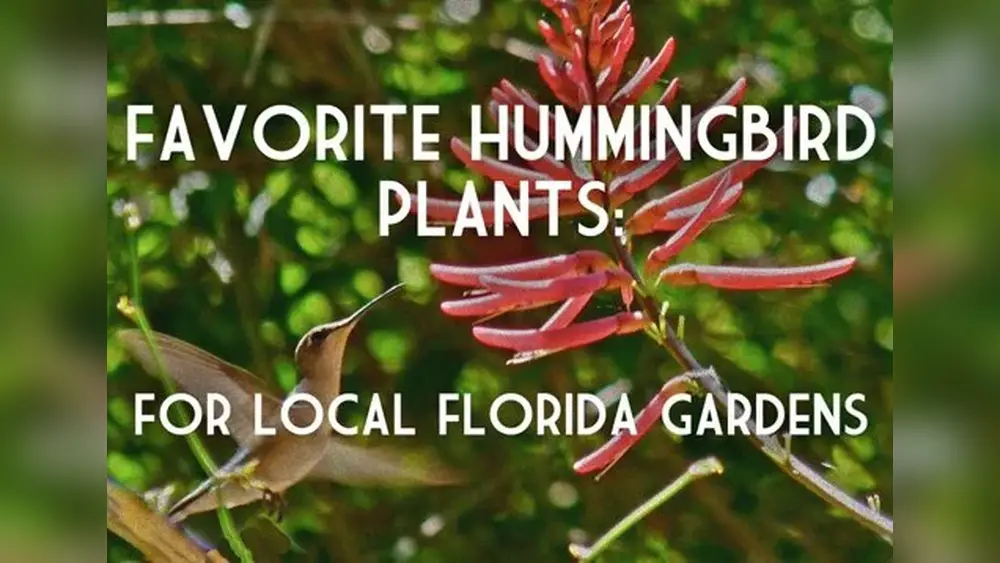
These plants thrive in the warm climate and sandy soils of the region. They attract butterflies, bees, and hummingbirds, adding life to outdoor spaces. Here are some top perennials that suit Northwest Florida gardens perfectly.
Lantana
Lantana blooms with bright clusters of flowers in many colors. It is drought-tolerant and attracts butterflies. Lantana grows well in full sun and poor soils. Its vibrant blooms last all summer long. This plant adds bold color to any garden bed.
Hibiscus
Hibiscus produces large, tropical-looking flowers. It prefers full sun and moist soil. The blooms come in red, pink, yellow, and white shades. Hibiscus attracts hummingbirds and butterflies. It creates a tropical feel with its lush green leaves.
Pentas
Pentas are easy to grow and bloom continuously. Their star-shaped flowers come in red, pink, white, and lavender. Pentas tolerate heat and dry spells well. These plants attract butterflies and hummingbirds. They work well in beds or containers.
Salvia
Salvia offers tall spikes of purple, red, or blue flowers. It thrives in full sun and well-drained soil. Salvia attracts pollinators and withstands dry conditions. Its long blooming period adds color through summer and fall. This plant adds vertical interest to gardens.
Plumbago
Plumbago has clusters of sky-blue flowers that bloom all season. It grows well in sun or partial shade. This shrub tolerates heat and poor soil. Plumbago attracts butterflies and provides a soft, flowing look. It works well as a hedge or ground cover.
Blue Daze
Blue Daze is a low-growing plant with small blue flowers. It spreads quickly to cover ground or cascade over edges. Blue Daze prefers full sun and well-drained soil. It attracts butterflies and requires little water. This plant adds delicate color to sunny spots.
Low-maintenance Shrubs And Bushes
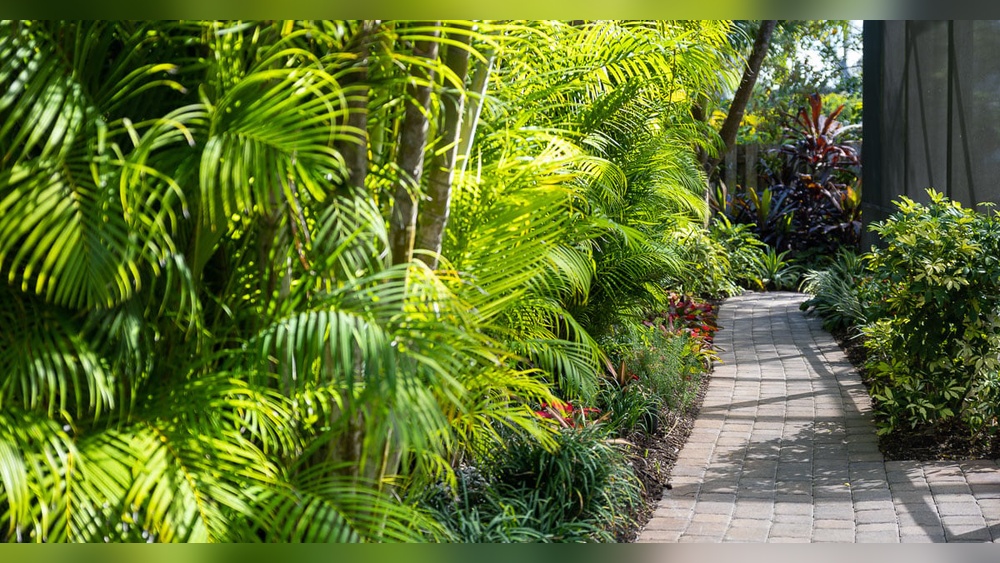
Low-maintenance shrubs and bushes are perfect for Northwest Florida gardens. They require little care and thrive in the local climate. Choosing the right plants saves time and effort while keeping your garden attractive year-round.
These shrubs handle the heat, humidity, and occasional drought well. They add structure and color to your landscape without demanding constant attention. Here are some great options to consider.
Drought-resistant Options
Drought-resistant shrubs survive with less water, ideal for dry spells. Plants like the yaupon holly and Texas sage manage heat and dry soil easily. These bushes keep their leaves green and healthy without frequent watering. They help conserve water and reduce garden chores.
Evergreen Choices
Evergreen shrubs stay green throughout the year, providing constant beauty. The Southern wax myrtle and ligustrum are popular evergreens in Northwest Florida. They offer privacy and shelter for wildlife. These bushes grow steadily with minimal pruning or care.
Flowering Shrubs
Flowering shrubs bring color and fragrance to your garden. The azalea and gardenia bloom beautifully in the spring and summer. These plants attract butterflies and hummingbirds, adding life to your yard. They need little maintenance beyond occasional watering and deadheading.
Credit: beautifulboundarieslawn.com
Year-round Bloomers
Year-round bloomers bring constant color to gardens in Northwest Florida. They thrive through changing seasons, brightening outdoor spaces continuously. Choosing plants that bloom all year offers lasting beauty with less effort. These plants suit the region’s warm climate and varying soil conditions well.
Heat-tolerant Flowers
Northwest Florida’s hot summers need flowers that withstand heat. Heat-tolerant flowers survive strong sun and dry spells. Examples include lantana, pentas, and salvia. These plants keep blooming despite high temperatures. Their vibrant colors attract attention all summer long. They also need less water, saving resources and time.
Pollinator-friendly Plants
Pollinator-friendly plants support bees, butterflies, and hummingbirds. These creatures help gardens grow by spreading pollen. Plants like milkweed, coneflowers, and bee balm attract pollinators easily. They bloom over many months, providing food for wildlife. Growing these plants helps the environment and adds lively movement to gardens.
Native Plants For Sustainability
Native plants play a key role in sustainable gardening. They are adapted to Northwest Florida’s climate and soil. These plants require less water and fewer chemicals, making them eco-friendly. Native species support local wildlife like birds, bees, and butterflies. By choosing native plants, gardeners help preserve the natural ecosystem.
Using native plants reduces maintenance time and costs. They resist local pests and diseases better than non-natives. This creates a healthier and more balanced garden environment. Native plants also prevent soil erosion and improve air quality. They bring natural beauty and diversity to your garden.
Benefits Of Native Species
Native plants save water by thriving in local conditions. They reduce the need for fertilizers and pesticides. These plants attract native pollinators that help fruit and vegetable growth. They provide food and shelter for wildlife year-round. Gardens with native plants require less upkeep and cost less to maintain.
Native species help maintain soil health and prevent erosion. They contribute to cleaner water by filtering rain runoff. Their deep roots improve soil structure and nutrient cycling. This makes the garden more resilient to drought and storms. Native plants support biodiversity by preserving local flora and fauna.
Popular Natives In Northwest Florida
Southern Live Oak is a strong, evergreen tree common in the region. It offers shade and habitat for many animals. Saw Palmetto is a hardy shrub with fan-shaped leaves. It attracts birds and small mammals. Muhly Grass adds texture with its pinkish-purple blooms in fall. It thrives in sandy and well-drained soils.
Black-eyed Susan is a bright, yellow wildflower that blooms in summer. It is easy to grow and attracts butterflies. Firebush produces red flowers that hummingbirds love. It grows well in sunny spots. These native plants are perfect for sustainable gardens in Northwest Florida.
Using The Rule Of Three In Garden Design
The rule of three is a simple yet powerful tool in garden design. It creates balance and interest by using odd-numbered groupings. This principle works well for planting, hardscape, color, and focal points. It helps the garden feel natural and inviting. Applying this rule in Northwest Florida gardens enhances their charm and harmony.
Plant Groupings
Group plants in threes for a natural look. Plant three of the same species close together. For example, three dwarf yaupons or three purple coneflowers. Odd numbers avoid symmetry that feels stiff or artificial. Mix three plants with different heights or textures for more depth. This technique creates a lively and balanced garden bed.
Hardscape Elements
Arrange hardscape features like pots, stones, or benches in sets of three. Place three matching planters in a row or cluster three stepping stones. This grouping draws the eye smoothly through the garden space. Odd numbers add rhythm and prevent the design from seeming too formal or flat. Use three types of materials or shapes for variety and cohesion.
Color Schemes
Limit your garden’s color palette to three main colors. Choose colors that complement each other and suit the Florida climate. For example, pair soft greens with bright pinks and deep purples. Using three colors keeps the garden visually calm and unified. It avoids overwhelming the space or creating chaotic contrasts.
Creating Focal Points
Create focal points by combining three contrasting elements. Use different materials like stone, wood, and metal together. Or place three distinct plants that share color or texture traits. This grouping highlights a special garden spot and adds interest. The rule of three guides visitors’ eyes naturally to key features in the landscape.
Tips For Planting And Maintenance
Planting and maintaining a garden in Northwest Florida requires special care. The region’s climate and soil conditions affect plant health. Follow smart tips to help your plants thrive. Proper planting and ongoing maintenance keep your garden beautiful and healthy.
Watering Practices
Water plants early in the morning to reduce evaporation. Use deep watering to encourage strong roots. Avoid frequent shallow watering that keeps roots weak. Check soil moisture before watering to prevent overwatering. Mulch around plants to keep soil moist longer. Adjust watering during rainy or dry seasons for best results.
Soil Preparation
Test soil to understand its pH and nutrients. Add organic matter like compost to improve soil texture. Mix well to create a fertile base for plants. Use sandy soil amendments if drainage is poor. Avoid heavy clay soil without proper amendment. Prepare planting holes twice as wide as roots for easy growth.
Pest And Disease Control
Inspect plants regularly for signs of pests or diseases. Use natural remedies like neem oil or insecticidal soap first. Remove damaged leaves to stop disease spread. Encourage beneficial insects that eat harmful pests. Keep garden clean by clearing fallen debris. Rotate crops yearly to reduce soil-borne diseases.
Best Trees For Shade And Structure
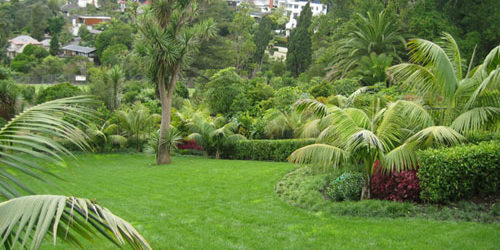
Trees shape the outdoor space by providing shade and structure. They cool your yard, reduce energy costs, and offer a peaceful retreat. Choosing the right trees ensures beauty and function year-round. Northwest Florida’s climate calls for species that thrive in heat, humidity, and occasional storms. Consider native, flowering, and evergreen trees for varied benefits.
Native Tree Species
Native trees adapt well to Northwest Florida’s soil and weather. They require less water and care. Live Oak is a classic choice with wide branches and dense shade. Southern Magnolia offers glossy leaves and large white flowers. Bald Cypress thrives in wet areas and adds unique texture. These trees support local wildlife and improve air quality.
Flowering Trees
Flowering trees add color and charm to your landscape. Crape Myrtle blooms from summer to fall with pink, red, or white flowers. Redbud shows bright pink flowers in early spring. Tulip Poplar features large yellow-green blossoms and tall growth. These trees bring visual interest and attract pollinators like bees and butterflies.
Evergreen Trees
Evergreen trees keep your yard green throughout the year. Southern Pine grows tall and fast, creating excellent windbreaks. Eastern Red Cedar offers dense foliage and red berries in winter. Sand Pine adapts well to sandy soils and drought conditions. These evergreens add privacy and structure to your garden.

Credit: skinnerlawns.com
Frequently Asked Questions
What Is The 70/30 Rule In Gardening?
The 70/30 rule in gardening means planting 70% foliage plants and 30% flowering plants to balance texture and color effectively.
What Is The Easiest Plant To Grow In Florida?
Pentas is the easiest plant to grow in Florida. It thrives with low maintenance and blooms vibrant flowers year-round.
What Is The Rule Of 3 In Landscaping?
The rule of three in landscaping groups plants or elements in threes for natural flow, balance, and visual appeal. It creates harmony and guides the eye smoothly through outdoor spaces. This odd-numbered design feels dynamic, avoiding the rigidity of even groupings.
What Flower Blooms All Year Round In Florida?
Pentas blooms all year round in Florida, producing vibrant red, pink, lavender, or white flowers continuously.
Conclusion
Choosing the best plants for Northwest Florida helps your garden thrive. Native and adapted plants need less water and care. They also attract local wildlife like butterflies and birds. Group plants in threes for a natural, balanced look. This simple tip makes your garden more inviting.
Start with easy-to-grow flowers and shrubs that suit the climate. Watch your outdoor space bloom with color and life. Enjoy gardening in Northwest Florida with these smart plant choices.