If you love the calming scent and beautiful purple hues of lavender, you might wonder which type thrives best in Florida’s unique climate. Growing lavender here can be tricky because of the heat, humidity, and soil conditions.
But don’t worry—you can still enjoy flourishing lavender plants that brighten your garden and fill the air with fragrance. You’ll discover the best lavender varieties suited for Florida’s hot and humid weather, along with simple tips to help your plants grow strong and healthy.
Ready to transform your garden with the perfect lavender? Keep reading to find out exactly what you need to know!
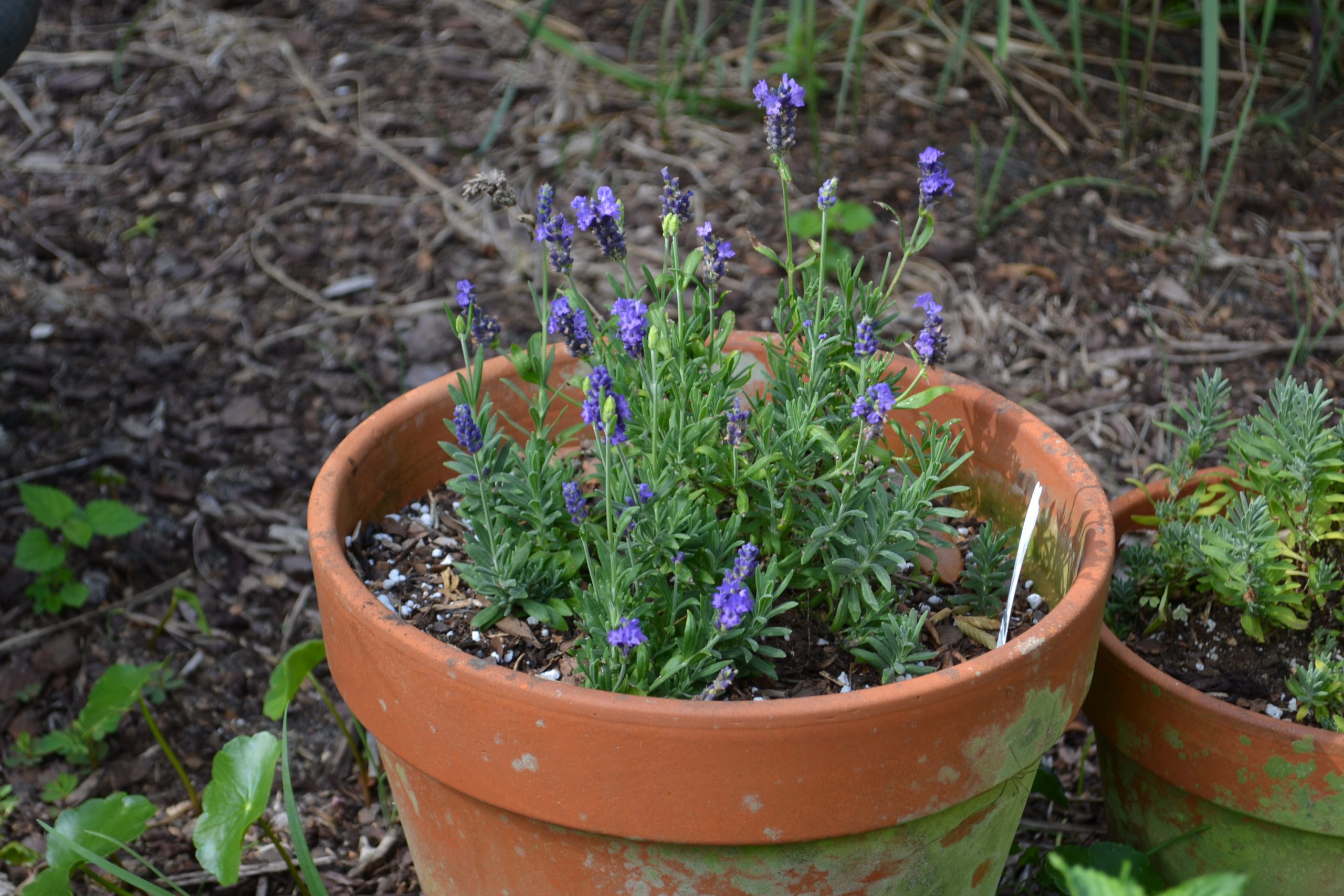
Credit: nwdistrict.ifas.ufl.edu
Lavender Varieties For Florida
Choosing the right lavender variety is key to growing healthy plants in Florida’s warm climate. Some types handle heat and humidity better than others. These lavenders thrive in Florida’s unique conditions.
Spanish Lavender
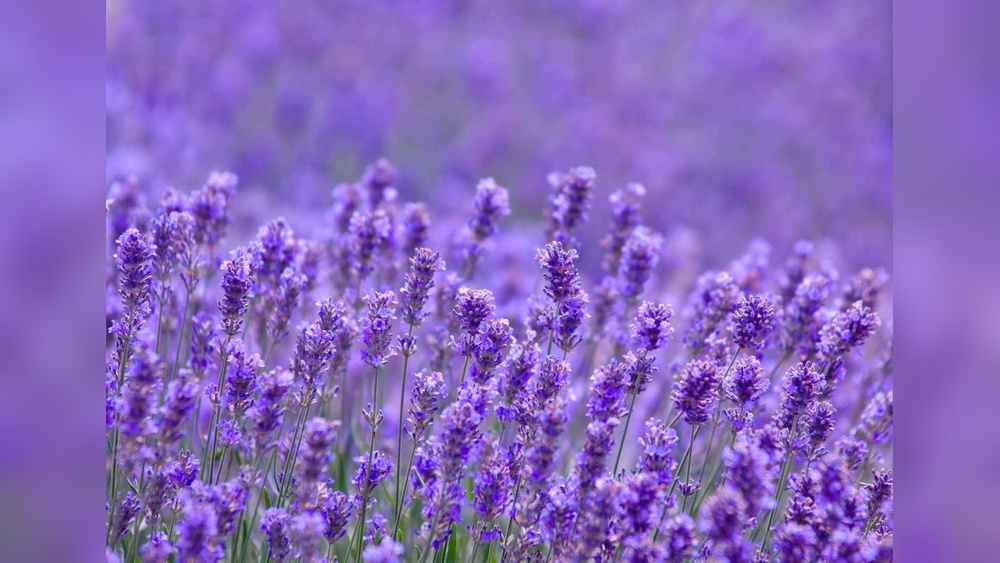
Spanish Lavender (Lavandula stoechas) is ideal for Florida’s hot, humid weather. It grows well in dry soil and tolerates the heat. This variety has unique, colorful flower heads with bracts that look like bunny ears. ‘Anouk’ and ‘Otto Quast’ are popular types. They offer strong color and resist drought, making them low-maintenance.
Phenomenal Lavender
Phenomenal Lavender (Lavandula x intermedia ‘Phenomenal’) is a hybrid developed for heat and humidity. It thrives in the Southeast’s climate, similar to Florida’s. This lavender produces fragrant purple flowers and stays healthy through hot summers. It also attracts pollinators, which help your garden bloom.
Fernleaf Lavender
Fernleaf Lavender (Lavandula pinnata) is another good choice for Florida gardens. It has soft, lacy leaves and a lovely scent. This variety prefers well-drained soil and full sun. Fernleaf Lavender handles Florida’s humidity well and adds a unique texture to garden beds.

Credit: www.americanmeadows.com
Climate Adaptations
Lavender plants must adjust to Florida’s unique climate to grow well. The state’s heat, humidity, and occasional dry spells challenge many plants. Choosing lavender varieties that handle these conditions helps gardeners succeed. Understanding key climate adaptations guides the selection of the best lavender for Florida gardens.
Heat And Humidity Tolerance
Florida’s summers are hot and humid. Many traditional lavenders struggle in this environment. Spanish Lavender (Lavandula stoechas) thrives here. It tolerates high temperatures and stays healthy despite moisture in the air. ‘Phenomenal’ Lavender, a hybrid, also handles humidity well. These plants resist mold and mildew better than other varieties. Their ability to breathe in humid air keeps leaves strong and flowers vibrant.
Drought Resistance
Florida often faces dry periods, especially in summer. Lavender plants must survive with less water. Spanish Lavender and Fernleaf Lavender (Lavandula pinnata) show good drought resistance. They store water in their leaves and roots. This trait helps them stay green and bloom even with little rain. Gardeners should still water young plants regularly. Once established, these lavenders need less frequent watering, saving effort and water.
Planting Tips
Planting lavender in Florida requires specific care to ensure healthy growth. The warm climate and humidity call for attention to sunlight, soil, and watering. Following these planting tips helps your lavender thrive in Florida’s unique conditions.
Sunlight Requirements
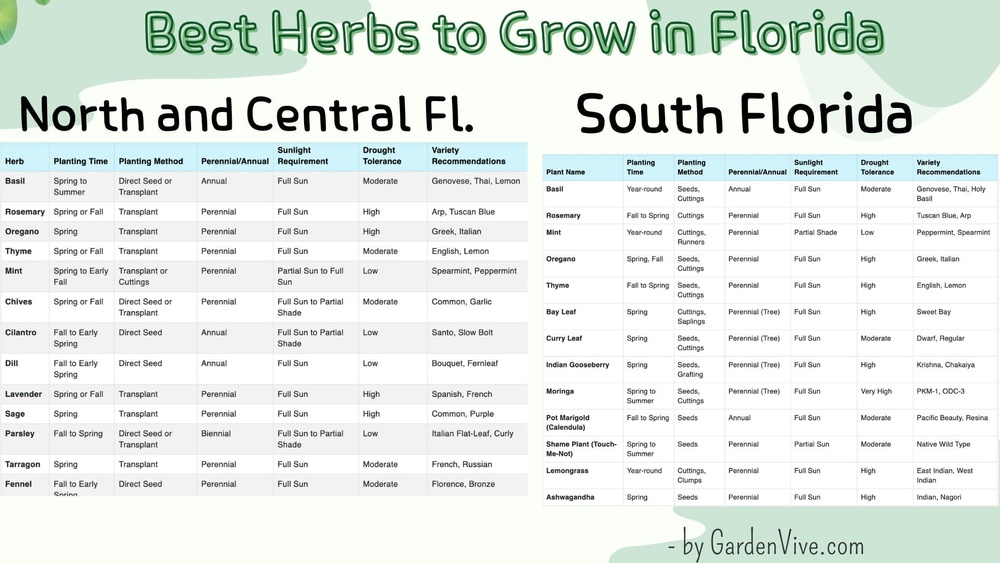
Lavender needs full sunlight to grow well. Choose a spot that receives at least six hours of direct sun daily. Morning sun is best to dry dew and reduce fungal problems. Avoid shaded areas, as they can cause weak growth and fewer blooms.
Soil Preparation
Well-draining soil is essential for lavender health. Florida’s soil can be clayey and retain water, which harms lavender roots. Mix sand or gravel into the soil to improve drainage. Aim for a slightly alkaline soil with a pH between 6.5 and 7.5. Adding organic matter like compost helps provide nutrients without holding too much moisture.
Watering Guidelines
Lavender tolerates drought but needs water to establish roots. Water new plants deeply once or twice a week during the first month. After that, reduce watering to once every two weeks. Avoid overwatering, which leads to root rot. Allow the soil to dry out between waterings for best results.
Maintenance Practices
Proper maintenance keeps lavender plants healthy and vibrant in Florida’s warm climate. Regular care helps plants grow strong and resist stress from heat and humidity. Focus on pruning and pest control to maintain a beautiful lavender garden.
Pruning Techniques
Prune lavender twice a year for best results. The first pruning should happen in early spring. Cut back about one-third of the new growth. This encourages bushier plants and more flowers.
After the main bloom, prune again to shape the plant. Remove any dead or woody stems. Avoid cutting into old wood, which may not regrow. Use clean, sharp tools to make precise cuts.
Pest And Disease Control
Lavender is naturally resistant to many pests. Still, watch for common problems like aphids and whiteflies. Spray plants with water to remove these pests. Use insecticidal soap if infestations grow.
Good air circulation prevents fungal diseases. Plant lavender with enough space between each plant. Avoid overwatering, which causes root rot. Check plants regularly for signs of disease and act fast to treat them.
Design Ideas
Design ideas for lavender plants in Florida focus on combining beauty and practicality. Lavender thrives in the Florida heat and humidity with the right care. Using lavender creatively can enhance your garden’s look and scent. This section explores two popular ways to add lavender to your outdoor space.
Using Lavender In Garden Beds
Lavender adds color and fragrance to garden beds. Plant it with other heat-loving plants for a vibrant display. Spanish lavender suits Florida beds well due to its drought resistance. Space plants properly to allow airflow and avoid mold. Use gravel or sand in soil to improve drainage. Lavender attracts pollinators like bees and butterflies, boosting garden health.
Creating Lavender Hedges
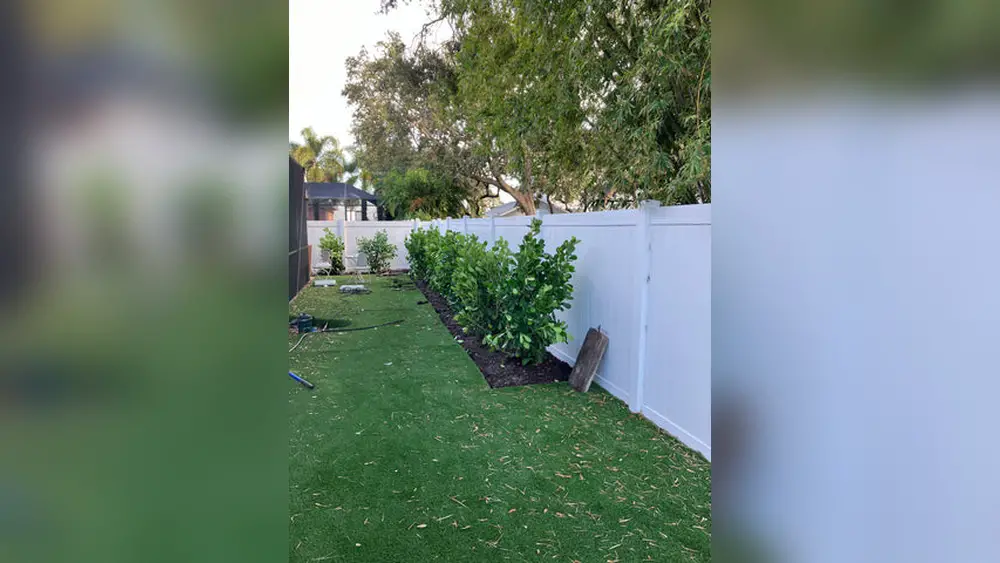
Lavender hedges provide structure and charm to any garden. Choose compact varieties like ‘Anouk’ for neat, tidy hedges. Prune regularly to maintain shape and encourage more flowers. Lavender hedges can border walkways or separate garden areas. Their fragrance creates a relaxing atmosphere along paths. Hedges also help reduce noise and add privacy to outdoor spaces.

Credit: www.southernliving.com
Frequently Asked Questions
Which Lavender Grows Best In Florida?
Spanish Lavender (Lavandula stoechas) grows best in Florida’s hot, humid climate. Varieties like ‘Anouk’ and ‘Otto Quast’ thrive well. Fernleaf Lavender (Lavandula pinnata) also adapts to Florida conditions. Plant in full sun with well-draining soil for optimal growth and bloom.
What Is The Most Heat Tolerant Lavender?
Spanish Lavender (Lavandula stoechas) is the most heat-tolerant lavender. It thrives in hot, dry, and humid climates like Florida’s. Fernleaf Lavender (Lavandula pinnata) and ‘Phenomenal’ English Lavender also handle heat and humidity well. Plant in full sun with well-draining soil for best growth.
What Is The 8 8 8 Rule For Lavender?
The 8 8 8 rule for lavender means watering 8 ounces, every 8 days, using 8-inch soil depth for proper moisture.
When Should You Plant Lavender In Florida?
Plant lavender in Florida during late fall to early winter, from October to January, for best growth and bloom.
Conclusion
Choosing the right lavender helps your garden thrive in Florida’s heat. Spanish Lavender and Phenomenal Lavender handle humidity well. Plant them in full sun and well-drained soil. Water new plants regularly until they grow strong. Prune twice a year to keep plants healthy and blooming.
These simple steps create a beautiful, fragrant garden space. Enjoy the calming scent and vibrant colors all year. Growing lavender in Florida is easy with the right care. Your garden will thank you with lasting beauty and charm.