If you want to create a garden that buzzes with life and supports your local ecosystem, choosing the best Florida plants for insects is key. These plants don’t just brighten your yard—they attract pollinators like bees, butterflies, and beneficial bugs that help your garden thrive naturally.
Imagine your outdoor space filled with colorful blooms while knowing you’re providing vital food and shelter for insects that keep your plants healthy. You’ll discover which Florida-friendly plants are perfect for inviting these helpful insects to your garden, making your green space both beautiful and buzzing with activity.
Keep reading to find out how you can turn your garden into an insect-friendly haven!
Credit: gardeningsolutions.ifas.ufl.edu
Native Florida Plants For Insects
Native Florida plants play a key role in supporting local insect life. They provide natural food sources and shelter for many beneficial insects. Choosing native plants helps maintain the balance of the ecosystem. These plants are well adapted to Florida’s climate and soil. This makes them easier to grow and sustain. Planting native species encourages pollinators like bees and butterflies to visit your garden. It also supports other insects that serve as food for birds and wildlife.
Beautyberry Benefits
Beautyberry is a native shrub with bright purple berries. It attracts butterflies, bees, and birds. The flowers bloom in late summer and are rich in nectar. Insects rely on beautyberry for food and habitat. Its berries provide food for birds in the fall. Beautyberry also helps repel mosquitoes naturally. This makes it a valuable plant for insect-friendly gardens.
Coontie Characteristics
Coontie is a low-growing plant native to Florida. It has fern-like leaves and produces small cones. This plant is a host for the Atala butterfly caterpillar. Coontie’s thick leaves offer shelter for many insects. It thrives in shady or partially sunny areas. Its deep roots help prevent soil erosion. Coontie supports the life cycle of important pollinators and wildlife.
Firebush Features
Firebush is a colorful shrub with red-orange flowers. It blooms year-round in warm climates. The flowers produce nectar that attracts hummingbirds and butterflies. Bees also visit firebush for pollen and nectar. This plant tolerates heat and drought well. Firebush adds beauty and insect diversity to gardens. It plays a vital role in native ecosystems and pollination.
Credit: blog.wfsu.org
Top Pollinator Flowers
Top pollinator flowers bring life and color to Florida gardens. They attract bees, butterflies, and other helpful insects. These plants support the local ecosystem and improve garden health. Choose flowers that bloom long and withstand Florida’s heat.
Here are some of the best pollinator flowers for Florida’s climate and insect visitors.
Lantana Vibrancy
Lantana shows bright clusters of tiny flowers. Colors range from yellow to red and purple. These vibrant blooms attract butterflies and bees all year. Lantana needs full sun and well-drained soil. It tolerates heat and drought well.
Pentas Bloom Cycle
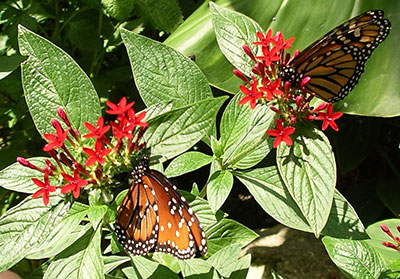
Pentas offers star-shaped flowers in pink, red, and white. It blooms continuously from spring to fall. Pollinators love Pentas for its nectar-rich flowers. This plant grows well in sunny spots with regular watering. Pentas is low-maintenance and heat tolerant.
Salvia Heat Resistance
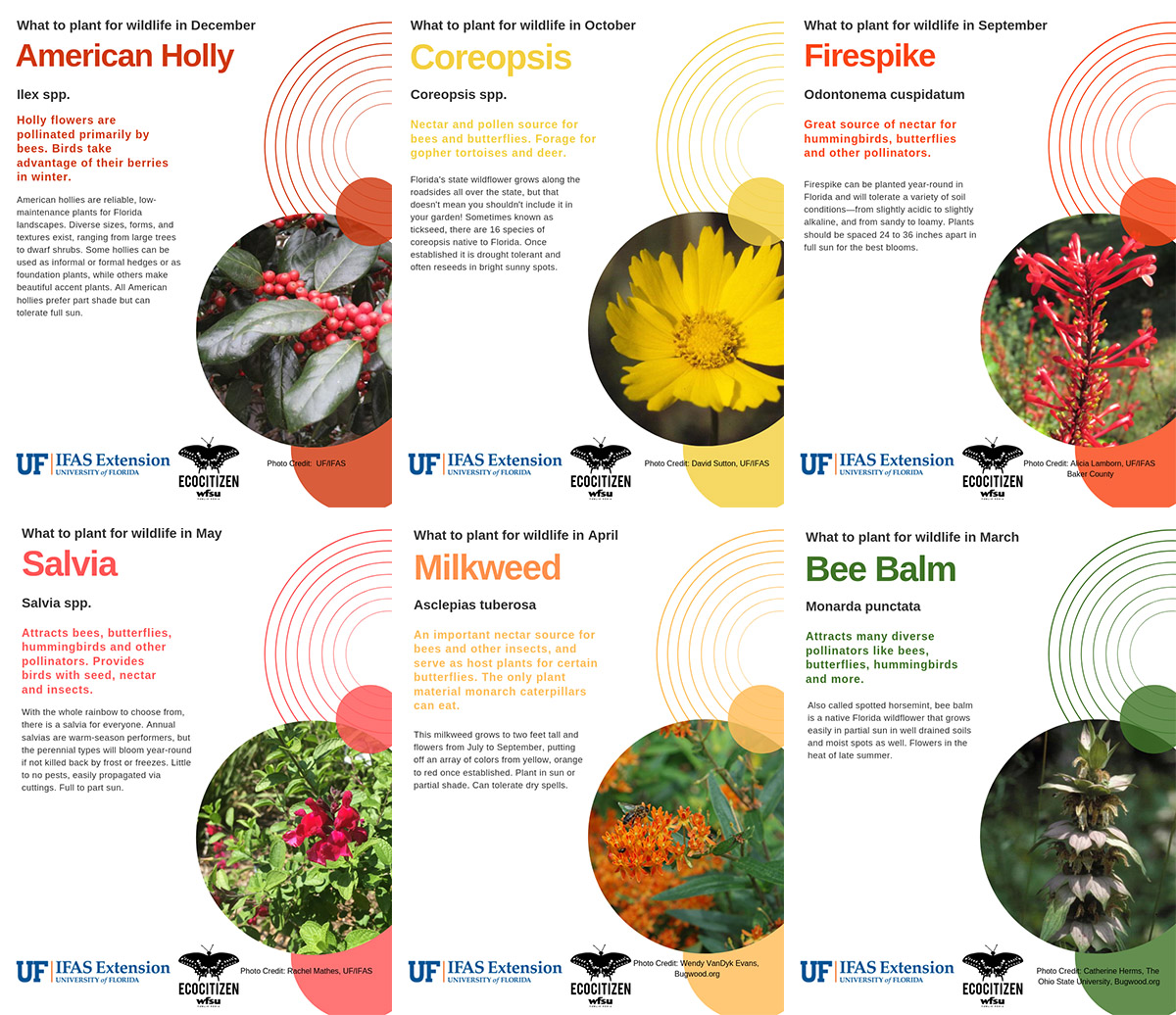
Salvia features tall spikes covered in tubular flowers. Colors include red, purple, and blue. It thrives in Florida’s hot, dry conditions. Salvia attracts hummingbirds and bees with its nectar. Plant it in sunny areas with good drainage. Salvia needs little care once established.
Coneflowers Attraction
Coneflowers produce large, daisy-like blooms with raised centers. They bloom throughout the summer months. These flowers draw butterflies, bees, and other pollinators. Coneflowers prefer full sun and well-drained soil. They are drought-resistant and easy to grow.
Herbs That Repel Bugs
Herbs that repel bugs are natural protectors for your Florida garden. These plants emit scents insects dislike, keeping pests at bay. Growing such herbs helps reduce the need for chemical sprays. They also attract beneficial insects that support a healthy garden ecosystem.
Lemon Balm Aroma
Lemon balm has a strong lemon scent that bugs avoid. It contains citronellal, a natural insect repellent. Plant it near patios or garden beds to deter mosquitoes and flies. Its bright green leaves also add beauty and freshness.
Marigold Pest Defense
Marigolds produce a scent that drives away many garden pests. Their roots release substances that reduce harmful nematodes. These flowers bloom in warm Florida weather and brighten your garden. Plant them along vegetable rows for natural pest control.
Peppermint And Mint Varieties
Peppermint and other mints have strong, sharp aromas that insects dislike. They repel ants, mosquitoes, and even mice. Mint grows well in Florida’s climate but spreads quickly. Keep it in pots to control growth and enjoy its fresh scent.
Basil And Catnip Uses
Basil not only flavors food but also repels mosquitoes and flies. Catnip is famous for attracting cats but also repels mosquitoes effectively. Both herbs thrive in sunny Florida gardens. Plant them near doorways or sitting areas to keep bugs away naturally.

Credit: travelingtreesinc.com
Heat-tolerant Plants
Heat-tolerant plants thrive in Florida’s hot and sunny climate. They provide food and shelter for many insects. These plants survive high temperatures and strong sunlight. Their resilience helps maintain healthy insect populations. Choosing heat-tolerant plants ensures a garden full of life and color, even in summer. Here are some top choices for heat-loving plants that attract insects.
Hibiscus Durability
Hibiscus plants handle heat and humidity very well. Their large, colorful flowers attract butterflies and bees. Hibiscus blooms almost year-round in Florida. These plants need full sun and well-drained soil. They add bright colors and support insect life in hot gardens.
Sunflowers In Florida
Sunflowers love the Florida sun and heat. Their tall stalks and big flowers attract many pollinators. Bees and butterflies feed on sunflower nectar and pollen. Sunflowers grow quickly and bloom in summer. They are easy to grow and very resilient to heat.
Zinnia Growth
Zinnias grow fast in hot, sunny spots. These annual flowers come in many bright colors. They attract butterflies and bees with their nectar. Zinnias need full sun and well-drained soil. They bloom all summer long and resist heat well.
Crotons And Bromeliads
Crotons have colorful, tough leaves that survive heat. They provide shelter for small insects. Bromeliads hold water in their leaves, creating homes for many bugs. Both plants thrive in warm Florida conditions. They add texture and color to insect-friendly gardens.
Succulents And Ornamental Grasses
Succulents store water and survive dry, hot weather. Many insects visit their flowers for nectar. Ornamental grasses sway in the heat and offer shelter. Both plants need little water and care. They create a natural habitat for insects in Florida gardens.
Attracting Beneficial Insects
Attracting beneficial insects is key to a healthy Florida garden. These insects help pollinate plants and control pests naturally. Choosing the right plants creates a welcoming environment for them. Gardens rich in beneficial insects thrive with less chemical use and more vibrant blooms.
Butterflies And Bees
Butterflies and bees are vital pollinators. They move pollen from flower to flower, helping plants produce seeds and fruit. Florida plants like milkweed, lantana, and coneflowers attract these insects. Bright, nectar-rich flowers are favorites. Plant flowers that bloom at different times to provide constant food.
Moths And Other Pollinators
Moths often work at night but still pollinate many plants. Evening-blooming flowers like jasmine and evening primrose lure moths. Other pollinators include beetles, flies, and wasps. Diverse plant choices support a wide range of pollinators. This variety strengthens the garden’s ecosystem and plant health.
Creating Habitat Diversity
Habitat diversity means growing many types of plants and structures. Include native shrubs, ground covers, and trees. Providing shelter and water attracts beneficial insects. Dead wood, leaf litter, and small rocks offer homes. Diverse habitats keep insect populations balanced and the garden flourishing.
Planting Tips For Florida Gardens
Planting a garden in Florida offers unique challenges and rewards. The warm climate and diverse soil types support a wide variety of plants. Choosing the right plants for insects can help maintain a healthy ecosystem. Follow these tips to create a vibrant garden that attracts beneficial insects and thrives in Florida’s environment.
Sunlight And Soil Needs
Most Florida plants for insects prefer full sun to partial shade. Ensure your garden spot receives at least six hours of sunlight daily. Sandy soil is common in Florida but often lacks nutrients. Improve soil quality by adding organic matter like compost. Well-drained soil prevents root rot and supports healthy growth. Test soil pH to match plant preferences, usually between 6.0 and 7.5.
Watering Practices
Florida’s heat and humidity require careful watering. Water plants early in the morning to reduce evaporation. Keep soil moist but not waterlogged. Overwatering can harm roots and attract pests. Use mulch to retain soil moisture and reduce weed growth. Adjust watering frequency during rainy seasons to avoid excess moisture.
Companion Planting Ideas
Planting certain species together helps insects and plants thrive. Marigolds repel harmful pests and attract pollinators. Herbs like basil and mint support beneficial insects and improve plant health. Group flowering plants such as lantana and salvia to provide nectar sources. Rotate plant locations yearly to prevent soil depletion and pest buildup.
Frequently Asked Questions
What Plants In Florida Repel Bugs?
Beautyberry, citronella, marigolds, lavender, lemon balm, catnip, basil, and peppermint repel bugs effectively in Florida gardens.
What Plant Repels The Most Insects?
Citronella plants repel the most insects, especially mosquitoes, due to their strong citronellal scent. Marigolds, mint, and lemon balm also deter many bugs effectively.
What Plants Can Survive In The Heat In Florida?
Heat-tolerant Florida plants include lantana, hibiscus, pentas, salvia, sunflowers, crotons, bromeliads, coreopsis, coneflowers, and succulents. These plants thrive in high temperatures and humidity with low maintenance.
What Is The Best Low Maintenance Landscape In Florida?
The best low-maintenance landscape in Florida features heat-tolerant plants like lantana, hibiscus, pentas, salvia, crotons, bromeliads, and succulents. These plants thrive in Florida’s climate, require minimal watering, and resist pests, making them ideal for easy care and vibrant gardens.
Conclusion
Choosing the best Florida plants for insects helps your garden thrive. These plants attract helpful bugs that pollinate and protect your plants. Many native species handle Florida’s heat and humidity well. Adding them creates a healthy, balanced ecosystem in your yard.
Simple choices like lantana, hibiscus, and sunflowers work great. Planting these encourages butterflies, bees, and other beneficial insects to visit. Your garden becomes more vibrant and alive with less effort. Start small and watch nature bring your garden to life.
Gardening with these plants supports Florida’s environment naturally.