If you’re thinking about growing squash in Florida, timing is everything. Planting your squash at the right time can mean the difference between a bountiful harvest and struggling plants.
Whether you want tender summer squash or hearty winter squash, knowing when to plant is key to success in Florida’s unique climate. You’ll discover the best windows to sow your squash seeds, how to avoid common pitfalls like pests and heat stress, and tips to help your plants thrive.
Ready to grow squash that flourishes in Florida’s soil and sun? Let’s dive into the best time to plant squash in your garden.

Credit: vizcaya.org
Squash Varieties For Florida
Choosing the right squash variety is key to a successful garden in Florida. The state’s warm climate suits many types of squash. Both summer and winter squash thrive here, but each has different needs and harvest times. Knowing which type to plant helps you enjoy fresh squash all year round.
Florida gardeners benefit from varieties that handle heat and humidity well. Some squash grow quickly in warm soil, while others need a bit more time to mature. Understanding the popular options allows for better planning and a richer harvest.
Popular Summer Squash Types
Summer squash grows fast and produces tender fruits. Zucchini is a favorite, known for its mild flavor and versatility. Yellow squash also does well, offering a slightly sweeter taste. Both types need warm soil and full sun for best growth. Plant them after the last frost in spring.
Pattypan squash is another good choice. It has a unique shape and grows well in Florida gardens. These varieties require regular watering and space to spread out. Harvest summer squash when they are small and tender.
Common Winter Squash Varieties
Winter squash takes longer to mature but stores well after harvest. Butternut squash is popular for its sweet, nutty flavor. Acorn squash grows well in Florida and offers a rich taste. These types need planting from late summer to early fall.
Other good winter varieties include spaghetti squash and hubbard squash. They require warm soil and protection from strong heat. Harvest when the skin hardens and colors deepen, usually before frost.
Choosing The Right Squash
Pick squash based on your garden space and climate. Summer squash suits small spaces and quick harvests. Winter squash fits larger gardens and longer growing seasons. Both types need at least six hours of sunlight daily.
Soil should be rich and drain well. Add compost to keep plants healthy. Water at the base to avoid leaf diseases. Protect young plants from pests using row covers, but remove covers for pollination.
Ideal Planting Seasons
Knowing the ideal planting seasons for squash in Florida helps ensure a healthy, productive garden. Squash thrives best when planted at the right time. Planting too early or too late can reduce yields or cause plant stress. Florida’s climate allows for multiple growing windows, but timing varies between summer and winter squash varieties.
Timing For Summer Squash
Plant summer squash after the last frost date, usually in late spring. The soil should be warm, ideally above 60°F. This timing supports quick germination and strong growth. Summer squash grows fast and produces fruit within 40 to 60 days. Avoid planting too early to prevent frost damage.
Best Period For Winter Squash
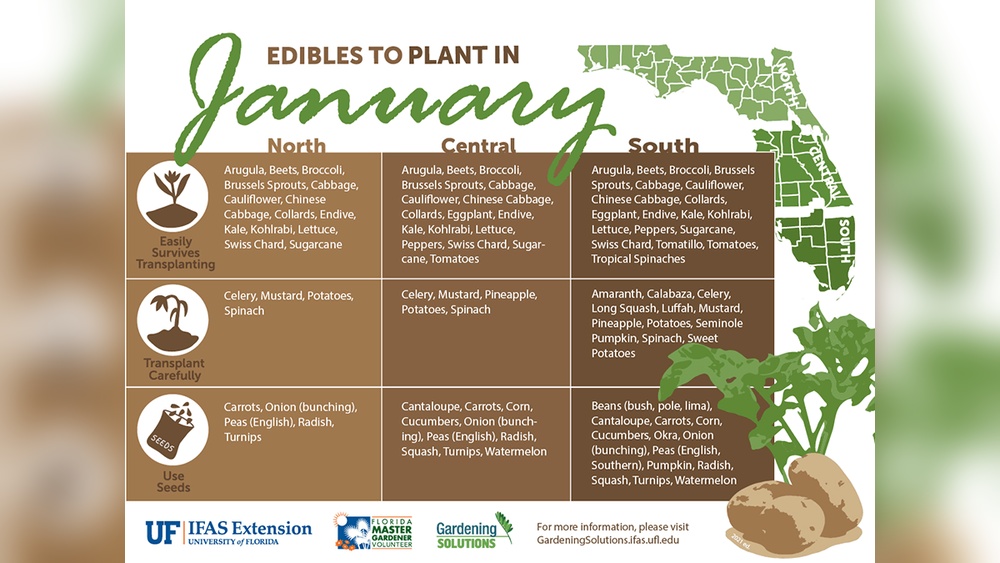
Winter squash grows best when planted from late summer through early fall. In South Florida, plant between August and March. This period avoids the hottest months, which can harm the plants. Winter squash needs time to mature before cooler weather arrives. Harvest after the shells harden, usually following a light frost.
Avoiding Extreme Heat
Squash plants struggle in Florida’s peak summer heat. High temperatures can cause flowers to drop and increase pest problems. Avoid planting squash during the hottest months, typically June and July. Choosing cooler planting windows reduces stress and encourages better fruit development.
Soil And Sunlight Needs
Squash plants thrive best with proper soil and sunlight. Understanding these needs helps grow healthy, productive plants. Florida’s climate offers unique challenges and benefits for squash growers. Preparing the soil and providing enough sunlight sets the stage for a successful harvest.
Soil Preparation Tips
Choose soil that drains well to avoid waterlogging. Squash prefers loose, fertile soil rich in organic matter. Mix compost or aged manure into the soil before planting. This improves fertility and moisture retention. Test soil pH; ideal range is 6.0 to 6.8. Remove weeds and debris to reduce competition. Loosen the soil to a depth of 8 to 12 inches for root growth. Avoid compacted soil as it hinders plant development.
Sunlight Requirements
Squash needs full sunlight for at least six hours daily. More sunlight leads to stronger plants and better fruit production. Choose a planting spot that stays bright throughout the day. Avoid shaded areas or places with tall trees nearby. Morning sun warms the soil early, helping seed germination. Ensure plants get sunlight during peak hours for maximum growth. Lack of sun can cause weak plants and poor yields.
Watering And Care
Proper watering and care are essential for healthy squash plants in Florida. Squash needs consistent moisture to grow well but too much water can harm the plants. Paying attention to watering techniques helps prevent common problems. Along with watering, good care practices reduce disease risks and improve yield.
Effective Watering Techniques
Water squash plants deeply at the base. Avoid wetting leaves to reduce disease. Early morning watering helps leaves dry quickly. Use drip irrigation or soaker hoses for best results. Water plants once or twice a week depending on rainfall. Check soil moisture regularly to keep it evenly moist. Mulching around plants helps retain soil moisture and control weeds.
Disease Prevention Strategies
Keep squash plants well spaced for good air flow. Remove damaged or dead leaves promptly. Avoid overhead watering which spreads fungal spores. Rotate crops yearly to reduce soil-borne diseases. Use disease-resistant squash varieties when possible. Inspect plants regularly for signs of pests or disease. Treat problems early with organic or chemical controls as needed.
Pest Protection Methods
Protecting squash plants from pests is key to a healthy garden in Florida. Pests can damage leaves, stems, and fruits. They reduce yield and plant health. Using effective pest protection methods helps ensure a strong harvest. These methods keep pests away and reduce the need for chemicals.
Using Row Covers
Row covers create a physical barrier between pests and plants. They are lightweight fabrics that let air and water pass through. Cover squash plants early to stop insects from laying eggs. Remove covers when flowers bloom to allow pollinators in. This method keeps bugs like squash bugs and cucumber beetles off plants. It is safe, easy, and eco-friendly.
Common Squash Pests In Florida
Florida gardens face several common squash pests. Squash bugs suck sap from leaves, causing wilting and yellow spots. Cucumber beetles chew holes in leaves and spread diseases. Squash vine borers tunnel into stems, leading to plant death. Aphids cluster on new growth, weakening plants. Early pest detection helps manage these problems quickly. Use natural predators or insecticidal soap for control.
Planting Squash In September
September is a smart month to plant squash in Florida. The intense summer heat begins to fade. This change creates better growing conditions for squash plants. Soil stays warm enough for seeds to sprout quickly. Cooler nights help reduce stress on young plants. Gardeners can enjoy a longer growing season with less pest pressure. This timing fits well for both summer and winter squash types.
Benefits Of September Planting
Planting squash in September lets plants grow strong before cooler weather. The soil is still warm, which speeds up germination. Plants face fewer insects and diseases than in summer. This means healthier growth and higher yields. September planting also uses Florida’s rainy season for natural watering. Less irrigation is needed, saving water and time. The cooler air slows fungal problems common in hot months.
Selecting Fast-maturing Varieties
Choose squash varieties that mature quickly for September planting. These types finish growing before cold weather arrives. Look for varieties labeled “early” or “fast-maturing.” Examples include ‘Early Prolific Straightneck’ and ‘Tromboncino.’ Fast-maturing squash produce fruit in about 45 to 60 days. This helps avoid frost damage and extends your harvest window. Seed packets usually list days to maturity for each type.
Planning For Succession Harvests
Stagger planting dates in September to enjoy squash longer. Plant new seeds every two weeks to keep a steady supply. This method is called succession planting. It prevents having too much squash all at once. Succession harvests give fresh vegetables over several months. Space seedlings properly to reduce competition for nutrients. Keep soil moist and add mulch to retain water. This plan maximizes yield and freshness from your garden.
Frost And Harvest Tips
Understanding frost and harvest tips is key to growing healthy squash in Florida. Frost can damage or kill squash plants, so knowing when to protect them helps secure your crop. Harvesting at the right time ensures the best taste and texture. This section covers how to spot harvest readiness and ways to shield plants from frost damage.
Recognizing Harvest Readiness
Squash is ready to harvest when the skin feels hard and tough. For summer squash, pick them when they are small and tender. Winter squash needs to stay on the vine longer until the rind hardens. The stem should start drying and turning brown. Avoid waiting too long to harvest, or the squash may become overripe and lose flavor.
Protecting Plants From Frost
Frost can harm squash plants, especially young ones. Cover your plants with cloth or frost blankets on cold nights. Use stakes to keep covers off the leaves. Remove covers early in the day to allow sunlight and air flow. Water the soil before frost; moist soil holds heat better than dry soil. If frost is forecasted, bring potted squash indoors or into a greenhouse.

Credit: www.revivalgardening.com

Credit: www.reddit.com
Frequently Asked Questions
When Should You Plant Squash In Florida?
Plant summer squash in Florida after the last frost, from late spring to early summer. Plant winter squash from late summer through March, avoiding the hottest months. Ensure warm soil and full sun for best growth.
Can Squash Be Planted In September?
Yes, plant squash in September if you choose fast-maturing varieties and have a warm, long fall. Ensure soil warmth and avoid frost.
What Squash Grows Well In Florida?
Summer squash like zucchini and yellow squash grow well in Florida from late spring to early summer. Winter squash thrives when planted between late summer and March, avoiding extreme heat. Both require full sun, well-draining soil, and consistent watering for best results.
How Many Squash Plants Can I Put In A 5 Gallon Bucket?
You can plant one squash plant per 5-gallon bucket. Squash needs ample space and nutrients to grow healthy.
Conclusion
Planting squash at the right time helps your garden thrive. In Florida, summer squash grows best after the last frost. Winter squash needs planting before the cold arrives. Choose a sunny spot with rich, well-drained soil. Water plants at the base to keep leaves dry.
Protect young plants from pests using row covers. This simple care ensures healthy squash and a good harvest. Timing and care make all the difference in growing squash successfully. Start planting with these tips and enjoy fresh squash soon.