If you’ve ever dreamed of growing fragrant lavender in your Florida garden, you might wonder which varieties can truly thrive in the state’s hot, humid climate. Not all lavenders are created equal—some wilt under the intense sun and moisture, while others flourish and fill your space with soothing scents.
You’re about to discover the best types of lavender that love Florida’s unique weather, how to care for them, and tips to keep your plants healthy and blooming beautifully. Keep reading, and soon you’ll have a vibrant lavender garden that makes your outdoor space your favorite retreat.
:max_bytes(150000):strip_icc()/GettyImages-683827945-2000-7156dc0907ce49569e2059fd6c0e9b18.jpg "Best Lavender to Grow in Florida: Top Varieties for Sunny Gardens 2")
Credit: www.southernliving.com
Top Lavender Varieties
Choosing the right lavender variety is essential for success in Florida’s warm and humid climate. Some lavenders thrive better here due to their heat tolerance and resistance to humidity. Below are the top lavender varieties that grow well in Florida gardens. Each offers unique features, colors, and scents perfect for your landscape or container planting.
Spanish Lavender
Spanish lavender (Lavandula stoechas) grows well in Florida’s heat. It has distinctive, pineapple-shaped flower heads topped with colorful bracts. The plant blooms almost year-round with proper care. Spanish lavender prefers well-drained soil and full sun. It also resists humidity better than English lavender. This variety adds bright purple and pink tones to your garden.
French Lavender
French lavender (Lavandula dentata) features toothed leaves and fragrant purple flowers. It tolerates Florida’s heat and humidity effectively. This variety grows quickly and stays bushy, making it ideal for hedges and borders. French lavender prefers sandy soil and sunny spots. Its strong scent repels pests while attracting pollinators like bees and butterflies.
‘phenomenal’ Hybrid
The ‘Phenomenal’ hybrid (Lavandula x intermedia) is a hardy lavender that thrives in hot climates. It combines traits from English and Portuguese lavenders, offering durability and rich fragrance. This variety produces tall flower spikes with deep violet blooms. ‘Phenomenal’ lavender resists humidity and disease better than many others. It needs well-drained soil and regular pruning for best growth.
Sweet Lavender
Sweet lavender (Lavandula angustifolia) has a gentle fragrance and soft green leaves. While it prefers cooler climates, certain cultivars can grow in Florida with extra care. Sweet lavender blooms in light purple shades and suits container growing. Protect it from heavy afternoon sun and water sparingly. This variety works well for dried flowers and essential oils.
Climate Challenges In Florida
Growing lavender in Florida presents unique climate challenges. The state’s hot temperatures and high humidity can stress lavender plants. These conditions demand careful selection and care to ensure healthy growth. Understanding the climate hurdles helps gardeners choose the best lavender varieties and grow them successfully.
Heat And Humidity Effects
Florida’s heat often exceeds what many lavender types can handle. High temperatures cause leaves to wilt and flowers to fade quickly. Lavender prefers dry air, but Florida’s humidity is very high. This moisture encourages fungal diseases and root rot. Some lavender varieties, like Spanish lavender, tolerate heat and humidity better. These types have adapted to warmer climates and resist moisture-related problems.
Soil And Drainage Issues
Florida soil tends to be sandy and retains water unevenly. Lavender plants need well-drained soil to prevent root rot. Heavy or clay soils trap moisture and harm lavender roots. Gardeners must improve soil drainage by adding sand or organic matter. Raised beds or containers also help keep roots dry. Proper drainage is key to growing healthy lavender in Florida’s challenging soil conditions.
Planting Techniques
Planting lavender successfully in Florida demands careful techniques. The state’s heat and humidity challenge most plants. Choosing the right spot and preparing soil well can improve growth. Deciding between containers or ground planting affects care and results. Follow these steps to help your lavender thrive.
Choosing The Right Location
Pick a spot with full sun. Lavender needs at least six hours of direct sunlight. Avoid shaded areas to prevent disease. Ensure good air flow around plants to reduce moisture buildup. A raised bed or slope helps water drain quickly. Florida’s humidity requires extra attention to avoid root rot.
Soil Preparation
Lavender prefers sandy, well-draining soil. Test soil pH; aim for 6.5 to 7.5. Add organic matter like compost to improve texture. Avoid heavy clay soils or fix drainage before planting. Mix in some grit or perlite to increase aeration. Good drainage is key to healthy roots and less fungal problems.
Container Vs Ground Planting
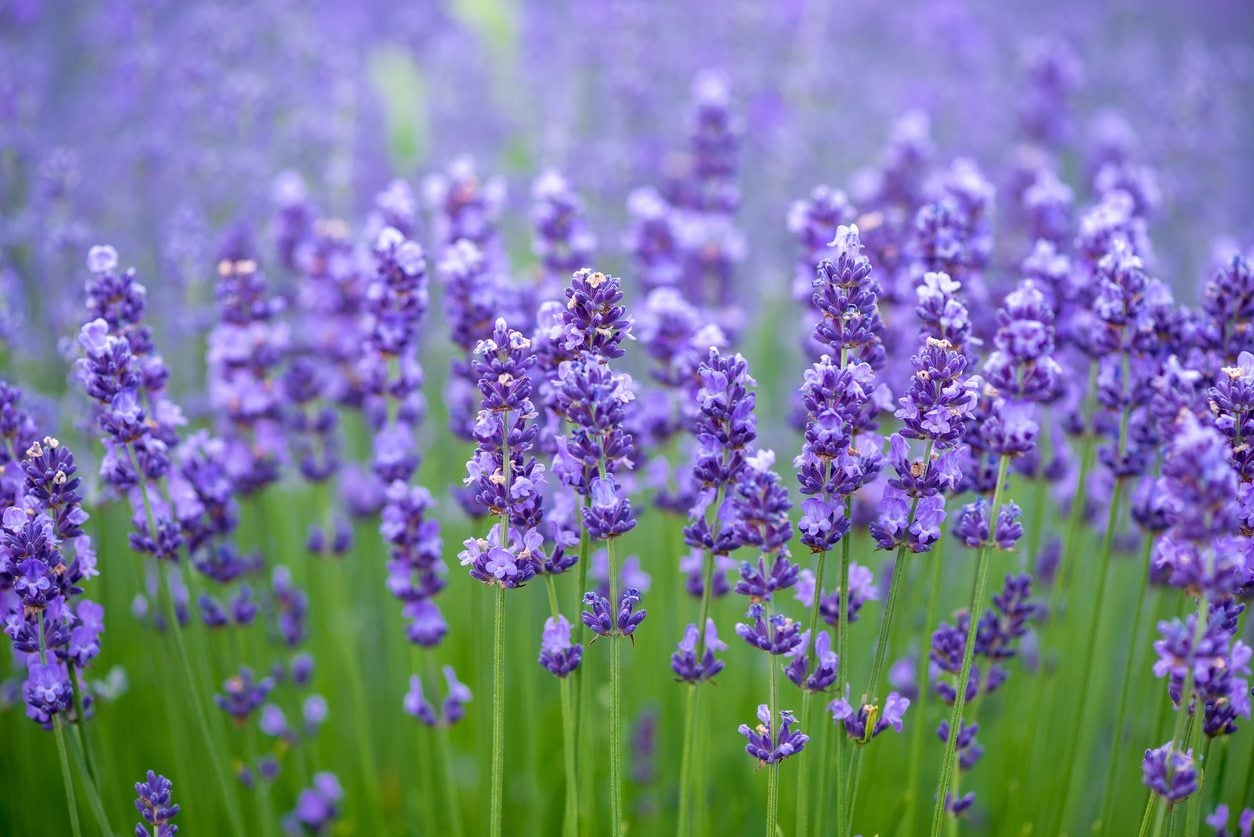
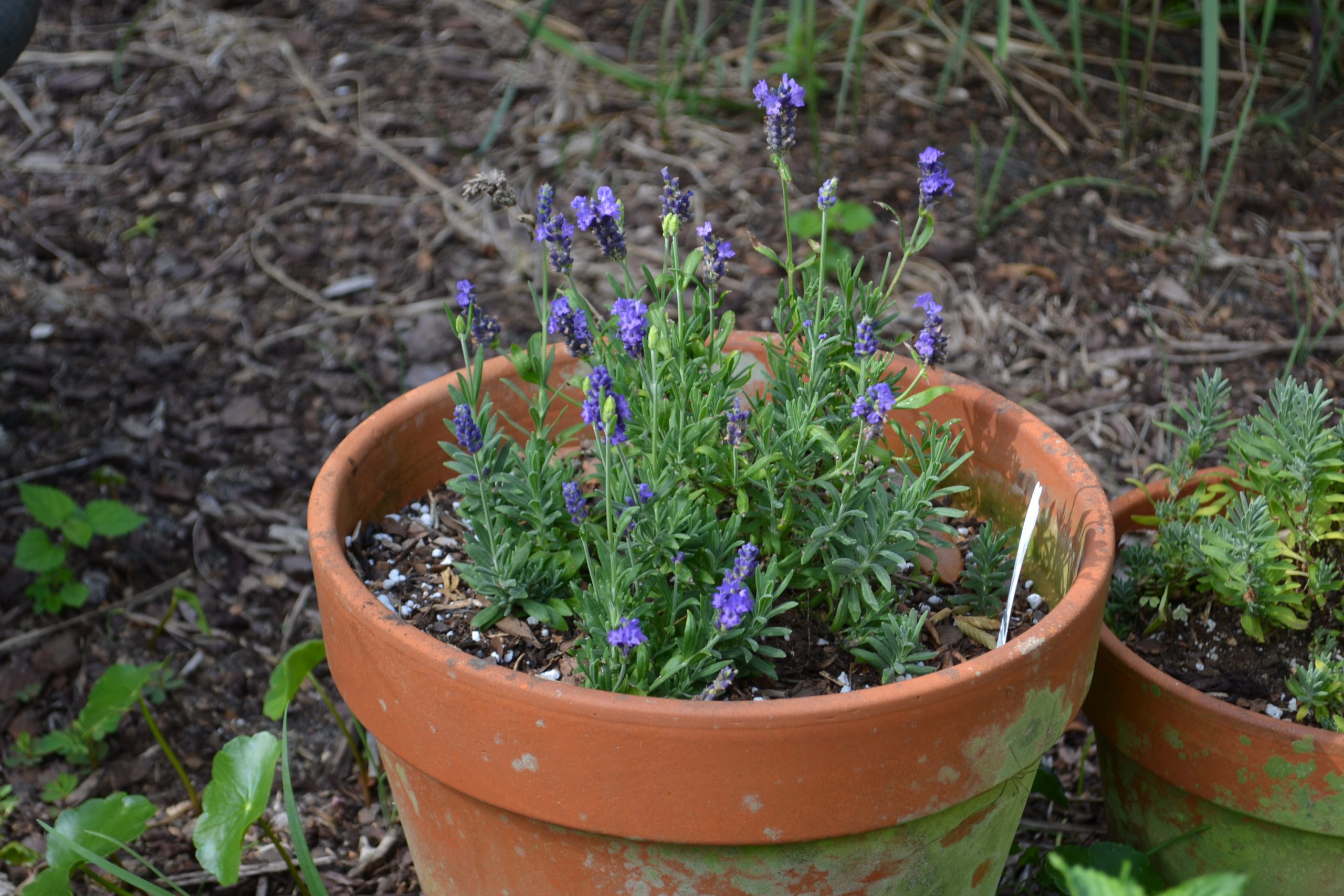
Containers allow better control of soil and drainage. Use pots with drainage holes and a sandy soil mix. Containers are easier to move for sun or shade adjustments. Ground planting suits larger gardens with good soil. Raised beds improve drainage for ground-planted lavender. Choose based on space, soil quality, and how much care you want to give.
Credit: www.gardeningknowhow.com
Care And Maintenance
Growing lavender in Florida requires special care to thrive under the state’s warm and humid conditions. Proper maintenance ensures healthy plants and vibrant blooms. Understanding the right watering, pruning, and pest control habits helps lavender flourish in your garden.
Watering Practices
Lavender prefers well-drained soil and does not like wet roots. Water plants deeply but only when the soil feels dry. Overwatering can cause root rot and damage the plant. Early morning watering helps leaves dry faster, preventing fungal problems. Use mulch to keep soil moist but avoid piling it against the stems.
Pruning For Health And Bloom
Prune lavender in early spring or after flowering ends. Use sharp shears to cut the plant into a rounded dome shape. Avoid cutting into old, woody stems as they may not regrow. Leave some green growth below the cut to support new shoots. Pruning keeps the plant compact and encourages more flowers next season.
Pest And Disease Management
Florida’s humidity can cause fungal diseases in lavender. Ensure good air circulation by spacing plants properly. Inspect plants regularly for pests like aphids or whiteflies. Remove affected leaves and use insecticidal soap if needed. Healthy plants resist pests better, so follow proper watering and pruning routines.
Creative Uses For Lavender
Lavender is more than a garden beauty. Its gentle scent and vibrant color inspire many creative uses. Growing lavender in Florida lets you enjoy these benefits year-round. Explore how to turn your lavender harvest into lovely crafts and fragrant home accents.
Crafts And Decorations
Dry lavender stems add charm to many craft projects. Tie bunches with twine for rustic bouquets. Use lavender sprigs in wreaths to brighten doors. Lavender’s soft purple hue blends well with other natural materials.
Create lavender garlands for special events or everyday decor. Pressed lavender petals make unique greeting cards. These crafts bring a fresh, natural touch to your home. They also make thoughtful handmade gifts for friends and family.
Making Sachets And Potpourri
Fill small fabric bags with dried lavender flowers. Place sachets in drawers or closets to keep clothes smelling fresh. Lavender sachets help repel moths naturally without chemicals.
Mix dried lavender with other fragrant herbs for potpourri. Display potpourri bowls in living spaces to add a calming scent. Refresh the mix by lightly spraying with lavender essential oil. These simple creations enhance your home’s atmosphere with lavender’s soothing aroma.
Credit: nwdistrict.ifas.ufl.edu
Frequently Asked Questions
What Kind Of Lavender Grows Best In Florida?
Spanish lavender, French lavender, and ‘Phenomenal’ English lavender grow best in Florida. They tolerate heat and humidity well. Plant in well-drained soil and avoid overwatering for optimal growth.
How To Keep Lavender Alive In Florida?
Choose heat-tolerant varieties like Spanish, French, or ‘Phenomenal’ lavender. Plant in well-drained soil and avoid overwatering. Prune regularly to maintain shape and encourage blooms. Use containers or amend soil for better air flow. Provide full sun and ensure good drainage to prevent root rot.
What Is The 8 8 8 Rule For Lavender?
The 8 8 8 rule for lavender means planting lavender in 8-inch deep holes, spacing plants 8 inches apart, and watering with 8 ounces of water. This helps ensure proper root growth, spacing, and hydration for healthy lavender plants.
What Is The Best Lavender For Hot Humid Climates?
Spanish lavender, French lavender, and ‘Phenomenal’ English lavender thrive best in hot, humid climates. These varieties resist heat and humidity well. Ensure good drainage, avoid overwatering, and improve soil airflow for optimal growth.
Conclusion
Choosing the right lavender helps your garden thrive in Florida’s heat. Spanish and French lavenders handle humidity well. ‘Phenomenal’ lavender also grows strong in warm weather. Plant in well-drained soil for best results. Avoid too much water to keep roots healthy.
Prune regularly to encourage fresh blooms. Growing lavender can bring color and fragrance to your space. With simple care, your lavender will flourish in Florida’s climate. Give these varieties a try and enjoy a beautiful garden.