
If you’re living in South Florida and want to grow fresh, crisp lettuce right in your backyard, you might be wondering which varieties will thrive in the heat and humidity. Not all lettuces are created equal—some bolt quickly or turn bitter when the sun gets too strong.
But don’t worry, you can still enjoy homegrown greens by choosing the right types of lettuce that handle South Florida’s warm climate with ease. You’ll discover the best heat-tolerant lettuces to plant, when to plant them, and simple tips to keep your garden thriving all season long.
Ready to grow lettuce that stays fresh and delicious, even under the Florida sun? Let’s dive in!
Heat-tolerant Lettuce Varieties
Lettuce can be tricky to grow in South Florida due to the heat. Many types bolt quickly and turn bitter. Choosing heat-tolerant varieties helps gardeners get a better harvest. These lettuces handle warm temperatures and keep growing strong.
Heat-tolerant lettuces vary in leaf shape and taste. This variety lets gardeners pick plants that suit their salads and dishes. Below are some of the best types to try in South Florida’s warm climate.
Loose-leaf Types
Loose-leaf lettuces do not form tight heads. Their leaves grow open and spread out. Varieties like ‘Black Seeded Simpson’ and ‘Red Sails’ resist heat well. These lettuces mature quickly and stay tender longer. They also bolt slower than head-forming types.
‘Salad Bowl’ and ‘Oak Leaf’ are other good choices. These lettuces offer a mild flavor and soft texture. You can pick leaves as needed without harvesting the whole plant. That helps the plants last through hot days.
Romaine Varieties
Romaine lettuces have longer, crunchier leaves. They form upright heads but are still heat-tolerant. ‘Jericho’ and ‘Parris Island Cos’ stand out for South Florida gardens. These varieties resist bolting and remain crisp in warmth.
‘Manoa’ is another strong romaine option. Romaine types add crunch to salads and sandwiches. They grow well with enough water and some afternoon shade.
Butterhead Choices
Butterhead lettuces have soft, tender leaves that form loose heads. ‘Marvel of Four Seasons’ and ‘Buttercrunch’ are great heat-tolerant types. They hold their sweet flavor even in warm weather.
Butterhead lettuces prefer consistent moisture to stay crisp. Their smooth texture makes salads rich and fresh. These lettuces often perform well in containers or raised beds.
Batavian And Crisphead Options
Batavian, or summer crisp lettuces, combine traits from leaf and head types. ‘Nevada’ and ‘Sierra’ are popular heat-tolerant varieties. They have thick, crunchy leaves and resist heat stress.
Crisphead, like ‘Anuenue’, offers a firmer texture. These lettuces can handle warmer climates better than iceberg types. They need good soil and regular watering to thrive.
Credit: aroundwellington.com
Planting Times By Region
Planting lettuce in South Florida requires careful timing to avoid the extreme heat. Different regions have unique climate patterns. Knowing the best planting times helps ensure a healthy, productive crop. Lettuce prefers cooler weather and can struggle during hot months. Planning your planting by region improves success.
North Florida Schedule
North Florida has cooler winters and mild springs. Plant lettuce from late February to early April. Fall planting works well from October to November. Avoid the hottest summer months as lettuce bolts quickly. Use shade or mulch to protect young plants in warmer months.
Central Florida Schedule
Central Florida experiences warmer temperatures earlier in the year. Start planting lettuce in late January through March. The fall window runs from October to mid-November. Summer planting is not recommended due to heat stress. Choose heat-tolerant varieties if planting outside these periods.
South Florida Schedule
South Florida has a warm climate year-round with short cool periods. Plant lettuce from December to early February for best results. A second planting can occur in late fall, around November. Avoid planting during spring and summer months. Heat-tolerant types perform better but still need shade.
Statewide Planting Periods
Across Florida, the best lettuce planting months are December through March and October through November. These periods offer cooler temperatures and less stress for plants. Avoid planting in summer to prevent bolting and bitterness. Adjust planting schedules based on local weather for best yields.
Growing Tips For South Florida
Growing lettuce in South Florida demands special care due to the region’s warm climate and intense sunlight. Lettuce prefers cooler temperatures and can quickly bolt or taste bitter if stressed. Using smart growing techniques helps keep your lettuce fresh and flavorful throughout the hot months. Focus on protecting plants from heat, managing water well, and harvesting at the right time. These tips improve your chances of a successful lettuce garden in South Florida.
Providing Shade
Shade reduces heat stress and slows down bolting in lettuce plants. Use shade cloth with 30% to 50% density to block harsh sunlight. Position shade so plants get filtered light but still receive enough sun. Create temporary shade during midday when the sun is strongest. Even partial shade helps lettuce stay cool and crisp.
Maintaining Soil Moisture
Keep the soil consistently moist but not soggy for healthy lettuce growth. Water lettuce early in the morning to reduce evaporation and fungal risks. Mulch around plants to retain moisture and lower soil temperature. Dry soil makes lettuce taste bitter and causes leaves to wilt quickly.
Harvesting Early
Pick lettuce leaves as soon as they reach usable size. Early harvesting encourages new growth and delays bolting. Harvesting young leaves also prevents the plant from becoming tough or bitter. Cut outer leaves first and leave the inner leaves to keep growing longer.
Using Containers And Hydroponics
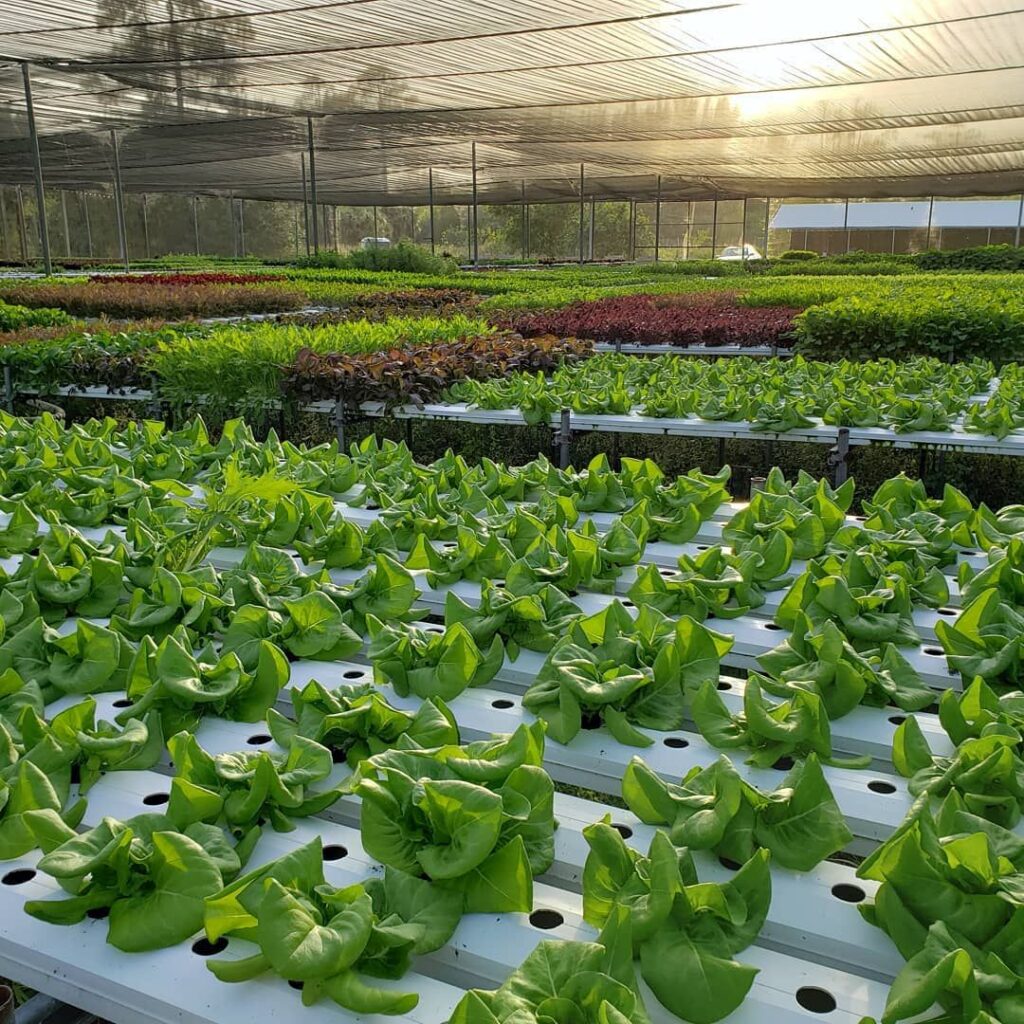
Containers and hydroponic systems provide better control over growing conditions. They allow you to move plants to shade or cooler spots easily. Hydroponics uses nutrient-rich water, helping lettuce grow faster and with less disease. These methods work well in South Florida’s heat and limited garden space.
Soil Preparation And Nutrients
Preparing the soil properly is key to growing healthy lettuce in South Florida. The soil needs to be rich, loose, and well-drained. Lettuce thrives in soil that holds moisture but does not stay soggy. Nutrient-rich soil supports strong root growth and crisp leaves. Focus on improving soil quality before planting for the best results.
Adding Compost
Compost adds essential nutrients and improves soil texture. Spread a 2-3 inch layer of compost over the garden bed. Mix it well into the top 6 inches of soil. Compost helps the soil retain moisture and feeds the lettuce plants naturally. Use homemade or store-bought compost for best results.
Ensuring Proper Drainage
Good drainage prevents water from pooling around lettuce roots. Raised beds or mounded rows work well in South Florida’s sandy soil. Avoid compacting the soil to keep air flowing to roots. Test drainage by watering the area and checking how fast water soaks in. Well-drained soil helps prevent root rot and other diseases.
Managing Heat And Bolting
Managing heat and bolting is key to growing lettuce in South Florida. High temperatures cause lettuce to bolt quickly. Bolting means the plant flowers and turns bitter. This ruins the leaves and makes them inedible. Gardeners must use smart strategies to reduce heat stress and delay bolting. Choosing the right varieties and planting at the right time helps keep lettuce fresh and tasty.
Selecting Slow-bolting Varieties
Choose lettuce types that resist bolting in heat. Loose-leaf, romaine, and butterhead types often do well. Varieties like ‘Muir’, ‘Jericho’, and ‘Buttercrunch’ are slow to bolt. These lettuces stay tender longer under South Florida’s sun. Avoid crisphead types; they bolt faster in warmth. Slow-bolting varieties give you more harvest time and better flavor.
Timing Planting To Avoid Peak Heat
Plant lettuce during cooler months for best results. Early fall and late winter are ideal times. Avoid planting in the hottest spring and summer months. Lettuce grows best with mild temperatures and shorter days. Starting seeds indoors or in shaded areas can help. Timing planting right reduces heat stress and slows bolting. This keeps your lettuce crisp and sweet for longer.
Credit: gardenbetty.com
Credit: faitc.org
Frequently Asked Questions
What Lettuce Is Most Heat Tolerant?
Loose-leaf, romaine, and butterhead lettuces show strong heat tolerance. Varieties like ‘Muir’, ‘Jericho’, and ‘Anuenue’ resist heat and bolting well.
When To Start Lettuce In Florida?
Start planting lettuce in Florida during cooler months: September to April. North Florida: September-February. Central Florida: September-March. South Florida: September-January. Avoid summer heat to prevent bolting and bitterness.
What Is The Easiest Vegetable To Grow In South Florida?
Lettuce, especially heat-tolerant varieties like ‘Black Seeded Simpson’ and ‘Jericho’, grows easiest in South Florida’s warm climate.
What Is The Easiest Lettuce To Grow?
Loose-leaf lettuce is the easiest to grow. It tolerates heat well and resists bolting. Varieties like ‘Black Seeded Simpson’ thrive in warm climates.
Conclusion
Choosing the right lettuce makes all the difference in South Florida gardens. Loose-leaf, romaine, and butterhead types handle the heat well. Varieties like ‘Black Seeded Simpson’ and ‘Jericho’ resist bolting and stay tender longer. Keep soil moist and provide shade during hot afternoons.
Harvest leaves early to enjoy fresh, crisp greens. Growing lettuce here is possible with the right care and variety. Your garden can thrive even in warmer months with these tips. Start small, observe, and enjoy homegrown lettuce year-round.