If you’re gardening in Florida, you know how challenging it can be to keep your plants healthy without using too much water. The hot sun and dry spells can quickly turn a lush garden into a thirsty struggle.
But what if you could have a beautiful, vibrant landscape that thrives with minimal watering? That’s where the best low water plants for Florida come in. These tough, drought-resistant plants not only save you time and money but also help you create a sustainable garden that stays green all year round.
Keep reading to discover the top choices that will transform your yard into a waterwise paradise you’ll love.
:max_bytes(150000):strip_icc()/drought-tolerant-plants-pink-muhly-grass-2000-e02a5d7d7a294dc0b834cfc8f43062b8.jpg "Best Low Water Plants Florida: Top Drought-Resistant Beauties 2")
Credit: www.realsimple.com
Native Drought-resistant Plants
Native drought-resistant plants in Florida thrive with little water. They adapt well to dry spells and hot sun. These plants save water and reduce garden care. Using native species helps local wildlife and keeps landscapes healthy. Here are some top native low water plants for Florida gardens.
Coontie Palm
The Coontie palm is a small, tough cycad. It grows slowly and needs minimal water. Its dark green leaves look like ferns. Coontie attracts butterflies and moths. It is perfect for shady spots or partial sun.
Gumbo Limbo Tree
The Gumbo Limbo tree has reddish, peeling bark. It can grow tall and provide shade. This tree handles drought and poor soil well. Its leaves are shiny and green. Birds often use it for shelter and food.
Butterfly Milkweed
Butterfly Milkweed has bright orange flowers. It blooms in summer and attracts many butterflies. This plant survives dry conditions easily. It prefers full sun and sandy soil. Butterfly Milkweed supports pollinators and adds color.
Beach Sunflower
Beach Sunflower is a low-growing ground cover. It has yellow, daisy-like flowers that bloom year-round. It grows well in sandy, salty soils near the coast. This plant spreads quickly and needs little water. It brightens landscapes with vibrant color.
Firebush Shrub
Firebush is a shrub with bright red-orange flowers. It attracts hummingbirds and butterflies. Firebush grows well in full sun and dry soil. It can reach up to 8 feet tall. This shrub adds striking color and texture to gardens.
Yaupon Holly
Yaupon Holly is a native shrub or small tree. It has small green leaves and red berries. Birds eat the berries in winter. Yaupon tolerates drought and grows in many soil types. It works well as a hedge or natural screen.
Credit: www.groundsource.pro
Non-native Low Water Plants
Non-native low water plants add color and texture to Florida gardens. They adapt well to dry conditions. These plants require little water once established. They thrive in Florida’s warm climate. Their beauty and resilience make them popular choices.
Lantana Varieties
Lantana plants produce vibrant flower clusters. Their colors range from yellow to red and purple. They attract butterflies and hummingbirds to your garden. Lantanas grow well in full sun and sandy soil. These plants tolerate drought and heat easily. Many varieties fit different garden styles and sizes.
Lavender
Lavender features fragrant purple flowers and gray-green leaves. It prefers sunny spots with well-drained soil. This plant uses little water once it is established. Lavender adds a calming scent to outdoor spaces. It also helps keep pests away naturally. Its neat growth suits borders and containers.
Rosemary Herb
Rosemary is a tough herb with needle-like leaves. It grows well in poor, dry soils. This plant offers aromatic leaves used in cooking. Rosemary blooms small blue or white flowers. It attracts bees and other pollinators to the garden. Its drought tolerance makes it perfect for low water yards.
Texas Sage
Texas Sage is a shrub with silvery-green leaves. It produces soft purple flowers that bloom in warm months. This plant tolerates heat, drought, and poor soil. Texas Sage adds a soft texture and color to landscapes. It requires little care and watering once mature. Its graceful shape fits many garden designs.
Additional Drought-tolerant Choices
Explore more drought-tolerant plants ideal for Florida’s climate. These selections require minimal water and add beauty to gardens.
They perform well under dry conditions and intense sun. These plants help save water and reduce garden maintenance.
Blue Daze
Blue Daze is a low-growing plant with striking blue flowers. It spreads quickly and covers ground nicely. This plant thrives in full sun and needs little water once settled. It attracts butterflies and adds color throughout the warm months.
Liriope Groundcover
Liriope is a tough groundcover that tolerates drought and shade. Its grass-like leaves stay green year-round. Small purple flowers bloom in late summer, adding subtle charm. Liriope is perfect for borders or under trees.
Black-eyed Susan
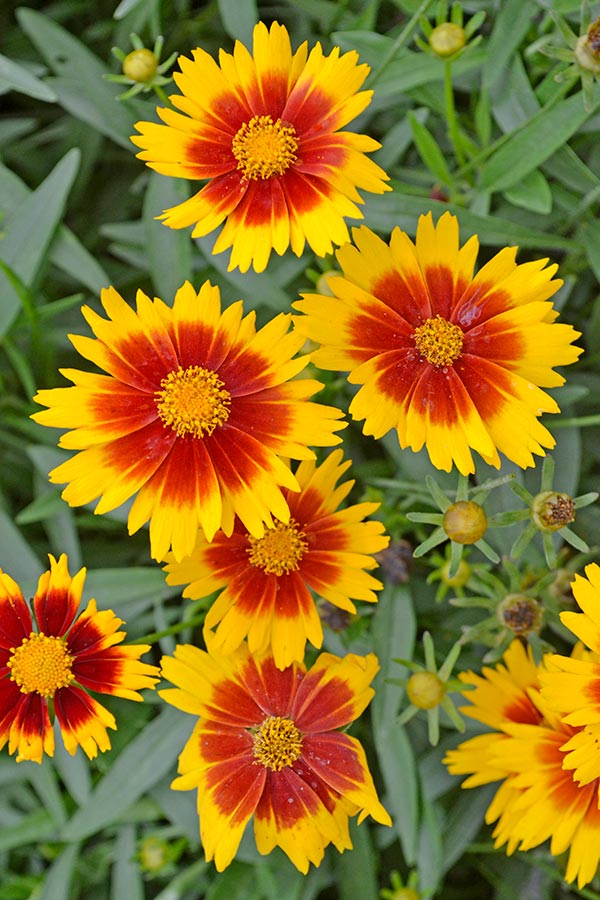
Black-eyed Susan produces bright yellow flowers with dark centers. It blooms for several weeks in summer and fall. This plant grows well in dry soil and sun. It is low maintenance and attracts pollinators like bees.
Indian Hawthorn
Indian Hawthorn is a shrub with glossy leaves and pink or white flowers. It handles dry spells and poor soil easily. This plant grows slowly, making it good for structured landscapes. It needs occasional watering during long droughts.
Oleander Caution
Oleander is a popular drought-resistant shrub with colorful flowers. It grows fast and tolerates heat well. Note: Oleander is toxic if ingested by pets or children. Handle with care and plant away from play areas.
Plant Characteristics And Benefits
Low water plants in Florida offer unique characteristics that make them ideal for dry landscapes. These plants conserve water and add beauty to any garden. They also support local wildlife and require less upkeep. Understanding their traits helps you choose the right plants for your space.
Flowering And Pollinator Support
Many low water plants produce vibrant flowers that attract bees, butterflies, and hummingbirds. Butterfly milkweed and firebush are excellent examples. Their blooms provide nectar and pollen, essential for pollinators’ survival. These plants help maintain a healthy ecosystem while brightening your garden.
Soil And Sunlight Preferences
Low water plants in Florida adapt well to sandy and well-draining soils. Most prefer full sun but tolerate some shade. Plants like beach sunflower thrive in sandy coastal soils. Understanding soil type and sunlight needs ensures your plants grow strong and healthy with less water.
Maintenance And Water Needs
These plants require minimal watering once established. They survive drought periods without stress. Regular watering during the first few months helps roots develop. After that, natural rainfall usually meets their needs. Low water plants also need little pruning and fertilizing, saving time and effort.
Designing A Low Water Florida Garden
Designing a low water garden in Florida means choosing plants that need little water. This approach saves water and helps your garden thrive in dry spells. Careful planning creates a beautiful, healthy landscape that suits Florida’s climate.
Focus on plants that survive with minimal watering. Use a mix of native and non-native species for variety and resilience. Good design balances color, texture, and form without wasting water.
Combining Native And Non-native Plants
Native plants suit Florida’s soil and weather well. Coontie, butterfly milkweed, and gumbo limbo are strong choices. They need less water and attract local wildlife.
Non-native plants like lantana, lavender, and rosemary add color and fragrance. These plants tolerate drought and need little care once settled. Mixing both types creates a diverse and vibrant garden.
Creating Colorful Landscapes
Choose plants with bright flowers and interesting leaves. Beach sunflower and firebush offer bold colors year-round. Lantana and Texas sage bring long-lasting blooms.
Use different heights and textures for visual interest. Combine low ground covers with taller shrubs and trees. Colorful plants keep your garden lively and inviting all season.
Waterwise Gardening Tips
Plant in groups with similar water needs. This reduces waste and keeps plants healthy. Mulch around plants to keep soil moist longer.
Water deeply but less often to encourage strong roots. Avoid watering in the heat of the day to limit evaporation. Use rain barrels to collect water for dry times.
Credit: costafarms.com
Frequently Asked Questions
What Are The Best Low Water Plants For Florida?
Best low water plants for Florida include Butterfly Milkweed, Gumbo Limbo, Coontie, Beach Sunflower, Firebush, Yaupon Holly, Lantana, Rosemary, Lavender, and Texas Sage. These drought-tolerant natives and non-natives thrive in full sun with minimal watering once established.
What Plants Don’t Need A Lot Of Water In Florida?
Drought-tolerant plants in Florida include butterfly milkweed, gumbo limbo, coontie, beach sunflower, firebush, yaupon holly, lantana, lavender, and rosemary. These plants thrive in full sun and need minimal water once established, making them ideal for low-water Florida landscapes.
What Plants Can Survive In The Heat In Florida?
Heat-tolerant Florida plants include butterfly milkweed, gumbo limbo, coontie, beach sunflower, firebush, yaupon holly, lantana, rosemary, and Texas sage. These plants thrive in full sun and require minimal water once established, making them ideal for hot, dry Florida climates.
What Is The Best Low-maintenance Landscape In Florida?
The best low-maintenance Florida landscape uses drought-tolerant natives like butterfly milkweed, gumbo limbo, coontie, and yaupon holly. These plants need minimal watering and thrive in full sun, ensuring a waterwise, easy-care garden.
Conclusion
Choosing the best low water plants for Florida helps save water and time. Native plants like coontie and gumbo limbo adapt well to dry conditions. Colorful options like lantana and firebush add beauty without needing much care. These plants suit Florida’s hot, sunny climate perfectly.
A waterwise garden stays healthy with less effort and expense. Start planting drought-tolerant species to enjoy a vibrant, eco-friendly landscape all year. Simple choices make a big difference for your yard and the environment.