Are you looking to boost your home’s security while adding natural beauty to your Florida landscape? Choosing the right plants for security hedges is key to protecting your property and creating privacy.
But with so many options that grow well in Florida’s unique climate, how do you pick the best ones? In this guide, you’ll discover which plants thrive in Florida and form thick, fast-growing hedges that keep unwanted visitors out and give you peace of mind.
Whether you want low maintenance or something that grows quickly, these security hedge plants will transform your yard into a safe, private haven you can enjoy every day. Keep reading to find the perfect hedge for your Florida home!
Credit: rockledgegardens.com
Top Security Hedges For Florida
Choosing the right security hedge in Florida helps protect your home while enhancing its beauty. Florida’s climate supports many plants that grow thick and tall. These plants form strong barriers that deter intruders and provide privacy.
Security hedges must be dense and fast-growing. They should handle Florida’s heat, humidity, and occasional dry spells. Some plants also resist salt spray near coastal areas. The right hedge adds safety without needing much care.
Clusia
Clusia grows thick with large, leathery leaves. It creates a solid, tall screen quickly. This plant handles sun and drought well. Its wide growth makes it hard to pass through. Clusia needs little pruning once established.
Wax Myrtle (morella Cerifera)
Wax Myrtle is an evergreen shrub with dense foliage. It grows fast and smells nice. This plant tolerates salty air and dry soil. It forms a tough, natural barrier for homes near the coast. Wax Myrtle also attracts birds and beneficial insects.
Sweet Viburnum (viburnum Odoratissimum)
Sweet Viburnum is a popular choice for security hedges. It grows quickly and thickly. The leaves are dark green and glossy. It creates a dense wall that blocks views. Sweet Viburnum adapts well to Florida’s soil and weather.
Seagrape (coccoloba Uvifera)
Seagrape is a native shrub with large, leathery leaves. It grows into a tall, dense hedge. This plant thrives in sandy soils and salt air. Seagrape also produces edible fruit. It is ideal for coastal homes needing strong privacy.
Podocarpus
Podocarpus grows tall with narrow leaves. It forms a neat, dense hedge that is easy to shape. This plant grows well in Florida’s warm climate. Podocarpus requires moderate water and little maintenance. It works well as a formal or informal hedge.
Credit: gardenerspath.com
Native Fast-growing Shrubs
Native fast-growing shrubs serve as excellent security hedges in Florida. These plants adapt well to local conditions and grow quickly to form dense barriers. They provide privacy, deter intruders, and add natural beauty to your property. Their hardiness against salt, drought, and pests makes them reliable choices for Florida landscapes.
Wax Myrtle
Wax Myrtle, also known as Morella cerifera, is an evergreen shrub or small tree. It grows fast and develops thick, aromatic foliage. This shrub tolerates salt spray and dry spells well. Wax Myrtle forms a dense screen that blocks views and noise. It is perfect for coastal areas and urban gardens alike.
Seagrape
Seagrape (Coccoloba uvifera) is a multi-stemmed shrub with large, leathery leaves. It grows quickly and can be trimmed into a tight hedge. Seagrape produces clusters of edible fruit, attracting birds and wildlife. Its tough leaves resist wind and salt, making it ideal for beachside homes.
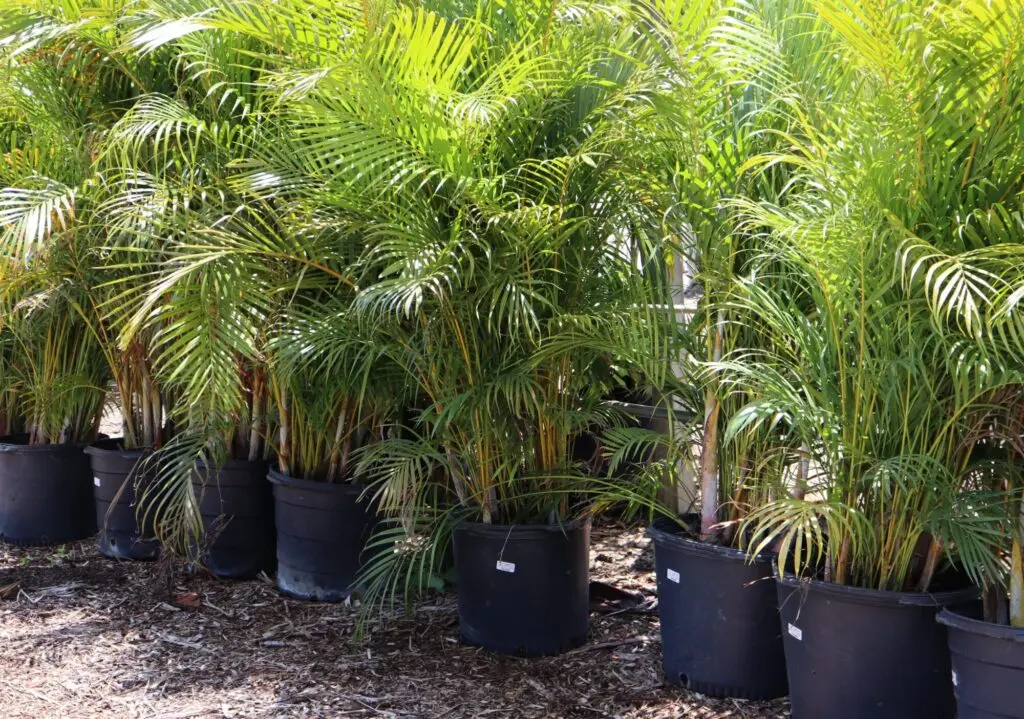
Areca Palm
Areca Palm (Dypsis lutescens) is a fast-growing palm that creates a natural privacy screen. It adds a tropical feel while blocking sightlines effectively. Areca Palm prefers warm, sunny spots and well-drained soil. Though less formal, it serves well as a living fence for Florida properties.
Popular Durable Hedge Plants
Hedge plants are essential for creating privacy and enhancing security in Florida yards. Choosing the right plants helps build a natural barrier that blocks unwanted views and access. Florida’s climate supports many plants that grow thick and tall, making them perfect security hedges.
These plants not only keep your space private but also add beauty and value to your property. Understanding their growth habits and physical features helps select the best hedge for your needs.
Thick And Dense Foliage
Plants with thick and dense foliage provide an effective visual screen. They block sightlines and reduce noise, creating a peaceful environment. Clusia and Sweet Viburnum are excellent examples with lush, evergreen leaves. Their dense branches make it hard for intruders to pass through or see inside.
Height And Spread
The height and spread of hedge plants determine the level of security they offer. Tall hedges like Wax Myrtle and Podocarpus grow quickly and reach heights over six feet. Wide spreading plants cover large areas, preventing easy access. These features make them ideal for creating strong, natural fences.
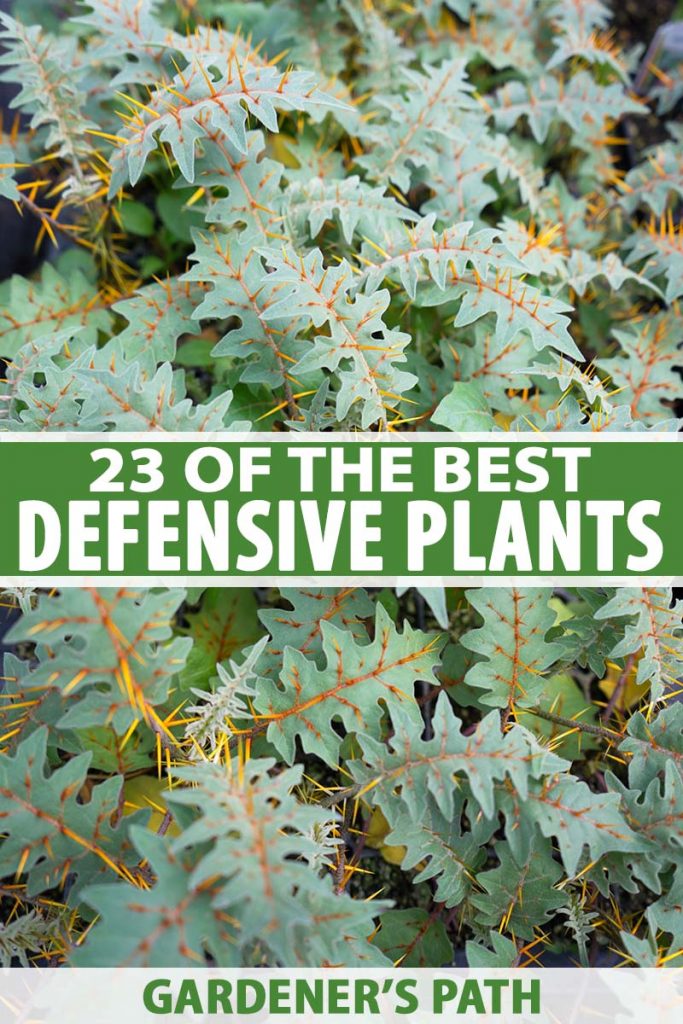
Spiny And Thorny Options
Spiny or thorny plants add a physical barrier that deters intruders. Florida natives such as the Firethorn and some species of Holly have sharp thorns. These plants combine security with privacy, making it uncomfortable to climb or push through. They work well along property lines and entrances.
Hedge Plants For Privacy And Security
Choosing low maintenance security hedges in Florida saves time and effort. These plants thrive with minimal care, perfect for busy homeowners. They withstand Florida’s heat and weather without constant attention. Low maintenance hedges still provide strong privacy and security. Focus on plants that grow well with little watering, feeding, or pruning.
Drought Tolerance
Drought-tolerant plants survive long dry spells easily. They reduce the need for frequent watering. Clusia and Wax Myrtle handle dry periods well. These plants keep their green color even in drought. Their deep roots find water below the soil surface. Choosing drought-tolerant hedges lowers water bills and saves resources.
Soil Adaptability
Florida soils vary from sandy to clay. Plants that adapt to many soil types perform best. Sweet Viburnum grows well in sandy and loamy soils. Seagrape thrives in salty, sandy coastal soils. Soil adaptable plants reduce the need for soil amendments. They establish faster and grow healthier with less care.
Pest And Disease Resistance
Hedges that resist pests and diseases need fewer treatments. Wax Myrtle resists common Florida pests naturally. Clusia rarely suffers from diseases or insect damage. Strong pest resistance means fewer chemicals and less pruning. This keeps your hedge looking healthy and full year-round.
Low Maintenance Choices
Choosing the right security hedge in Florida means understanding climate and soil. These factors affect how well plants grow and protect your property. Hedges need to handle Florida’s heat and humidity. They must also thrive in local soil types. This section covers key climate and soil points for Florida hedges.
Florida’s Warm Climate
Florida has a warm, humid climate year-round. Most areas rarely see frost or freezing temperatures. This warmth helps many evergreen plants grow fast and stay green. Security hedges in Florida need to resist heat stress and pests common in warm climates. Plants like Clusia and Wax Myrtle do well here. They tolerate heat and grow thick, blocking views effectively.
Humidity is high, so plants should resist diseases from moisture. Also, Florida has a long growing season. This allows hedges to fill out quickly, creating a dense barrier. Choose plants adapted to these conditions for strong, healthy hedges.
Soil Types Suitable For Hedges
Florida soil varies widely, from sandy to clay and loam. Many areas have sandy soil, which drains quickly but holds fewer nutrients. Security hedges need plants that grow well in sandy or well-drained soil. Wax Myrtle and Seagrape thrive in these soils. They handle salt spray near coasts and dry spells.
Some parts of Florida have richer, clay soils. These soils retain water but can become compacted. Plants like Sweet Viburnum and Podocarpus manage clay soils well. They grow dense and tall, perfect for privacy and security.
Testing your soil helps pick the best hedge plants. Healthy soil supports strong roots and thick foliage. This makes your hedge an effective security barrier.
Climate And Soil Factors
Proper planting and care ensure your security hedges stay healthy and strong. These tips help your plants grow thick and tall, providing an effective barrier. Caring for your hedges correctly also reduces maintenance work and keeps the landscape attractive.
Focus on the right spacing, watering, and fertilization to support healthy growth. Each step plays a key role in developing a dense, secure hedge that lasts through Florida’s climate.
Spacing And Pruning
Space plants to allow room for full growth. Most security hedges need 2 to 4 feet apart, depending on species. Proper spacing prevents overcrowding and encourages thick foliage.
Prune regularly to maintain shape and density. Trim new growth every few months. Pruning promotes bushier plants and closes gaps, making your hedge more secure.
Watering Needs
Water new plants deeply and often during the first year. This helps roots establish well in Florida’s sandy soil. After that, water when the top inch of soil feels dry.
Most security hedges prefer moderate watering. Avoid overwatering to prevent root rot. Use mulch to keep soil moist and reduce evaporation.
Fertilization
Fertilize hedges in early spring and late summer. Use a balanced, slow-release fertilizer to support steady growth. Follow label instructions to avoid overfeeding.
Regular feeding helps plants stay green and dense. Healthy plants form stronger barriers against intruders and weather.
Planting And Care Tips
Choosing the right security hedge in Florida means exploring more than just common options. Several plants offer strong protection with unique features. These additional security hedge choices add layers of safety and style.
Some plants use natural defenses like thorns to deter intruders. Others stay green all year, maintaining privacy without gaps. Mixing different species can create an effective and beautiful barrier.
Prickly And Thorny Plants
Prickly plants make excellent security hedges because they discourage unwanted entry. Plants like the Florida Holly and Firethorn have sharp thorns that protect your property. Their dense growth forms a tough barrier that is hard to pass through. These plants also add texture and color to your hedge line.
Evergreen Varieties
Evergreen plants keep your hedge full and private all year round. Species like Wax Myrtle and Podocarpus remain lush even in winter. Their thick leaves block views and reduce noise, enhancing security. These plants are easy to maintain and adapt well to Florida’s climate.
Combining Different Species
Mixing various plants in your hedge can improve security and appearance. Combining thorny and evergreen plants creates a strong, layered fence. This method fills gaps and confuses intruders. It also adds visual interest, making your hedge look natural and inviting.

Credit: evergreenhedging.com
Frequently Asked Questions
What Is The Best Low Maintenance Hedge For Florida?
Clusia is the best low maintenance hedge for Florida. It grows fast, tolerates drought, and creates a thick, tall privacy screen.
What Is The Fastest Growing Privacy Hedge In Florida?
The fastest growing privacy hedges in Florida include Wax Myrtle, Sweet Viburnum, Clusia, Seagrape, and Areca Palm. These plants grow rapidly and form dense, tall screens suitable for Florida’s warm climate and various soil types.
What Is The Best Hedge To Deter Intruders?
The best hedge to deter intruders is a dense, thorny plant like hawthorn or holly. These create natural barriers. Wax Myrtle and Clusia also offer thick, fast-growing security hedges ideal for warm climates. Choose plants that grow tall and dense to enhance protection effectively.
What Is The Best Hedge To Block Neighbors?
The best hedge to block neighbors is Clusia, Wax Myrtle, or Sweet Viburnum. These grow fast, dense, and tall for excellent privacy.
Conclusion
Choosing the right security hedge plants helps protect your Florida home. Plants like Clusia, Wax Myrtle, and Sweet Viburnum grow fast and thick. They form strong barriers that keep your property private and safe. These plants handle Florida’s heat, sun, and soil well.
Regular trimming keeps them neat and effective. With the right hedge, your yard becomes a natural shield. Planting these options brings beauty and security together. Your outdoor space stays peaceful and protected all year.