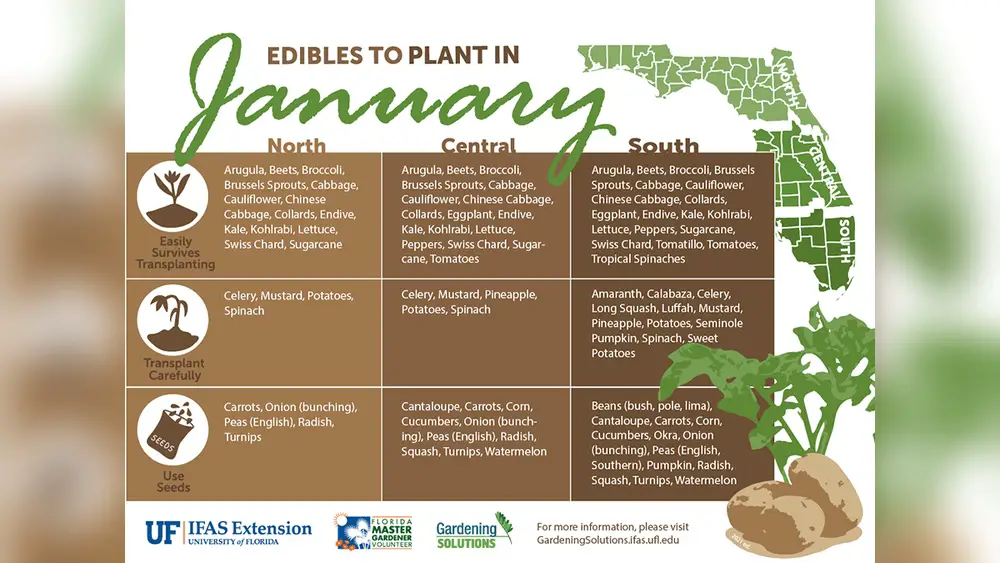

If you’re planning to create a thriving permaculture garden in Florida, choosing the right plants is your first step to success. Florida’s unique climate—with its heat, humidity, and occasional dry spells—demands plants that can not only survive but flourish with minimal fuss.
Imagine a garden that feeds you, supports local wildlife, and stays beautiful year-round without constant maintenance. Sounds perfect, right? You’ll discover the best permaculture plants suited for Florida’s environment. These plants will help you build a sustainable, low-maintenance ecosystem right in your backyard.
Ready to transform your garden into a vibrant, productive paradise? Let’s dive in!

Credit: www.stickingupforlife.com
Native Florida Plants
Native Florida plants fit perfectly into permaculture designs. They are adapted to local soil, heat, and pests. This makes them easier to grow and maintain. Using native plants helps conserve water and supports local wildlife. They create a balanced, sustainable garden environment.
Heat-tolerant Shrubs
Florida’s heat can be intense. Heat-tolerant shrubs thrive in full sun and high temperatures. Examples include the firebush and saw palmetto. Firebush has bright red flowers that attract hummingbirds. Saw palmetto provides good ground cover and food for wildlife. These shrubs need little extra water once established.
Drought-resistant Flowers
Drought-resistant flowers survive dry spells with minimal watering. Coreopsis and blanket flower are excellent choices. They bloom brightly despite dry conditions. These flowers add color to gardens while saving water. Their deep roots help improve soil health. Planting them reduces irrigation needs and garden upkeep.
Pollinator-friendly Species
Pollinators are vital for plant reproduction. Native species like milkweed and goldenrod support bees and butterflies. Milkweed feeds monarch butterfly larvae. Goldenrod provides nectar late in the season. Including these plants boosts pollinator populations. This leads to better fruit and seed production in your garden.
Fruit-bearing Plants
Fruit-bearing plants play a vital role in Florida’s permaculture gardens. They provide fresh, nutritious food while supporting local wildlife. These plants thrive in Florida’s warm climate and rich soil, making them excellent choices for sustainable gardening.
Choosing the right fruit plants can boost your garden’s productivity. They also help maintain soil health and create natural habitats. Here are some of the best fruit-bearing plants suited for permaculture in Florida.
Citrus Varieties
Citrus trees are iconic in Florida. Oranges, lemons, limes, and grapefruits grow well here. These trees need full sun and well-drained soil. They produce fruit almost year-round. Citrus trees also attract pollinators like bees. Their fragrant blossoms add beauty and scent to your garden.
Tropical Fruits
Florida’s climate supports many tropical fruits. Mangoes, papayas, and guavas flourish in warm, humid conditions. These plants require space and regular watering. They provide sweet, juicy fruits that feed both people and wildlife. Tropical fruit trees also offer shade and shelter in permaculture designs.
Berry Bushes
Berry bushes are compact and productive. Blueberries, blackberries, and elderberries grow well in Florida gardens. They prefer acidic, well-drained soil and some shade. Berries offer antioxidants and vitamins. Birds and beneficial insects enjoy these bushes, helping your garden thrive naturally.
Perennial Vegetables
Perennial vegetables are essential for a sustainable Florida permaculture garden. They come back year after year, reducing the need for replanting. These plants thrive in Florida’s warm climate and provide fresh food for a long time. Choosing the right perennial vegetables helps create a low-maintenance and productive garden.
Leafy Greens
Leafy greens like Malabar spinach and perennial kale grow well in Florida. They tolerate heat and humidity better than traditional lettuce. These greens provide nutritious leaves throughout the year. They require little care once established, making them perfect for permaculture gardens.
Root Crops
Root crops such as yacon and turmeric are excellent perennial options. They store energy underground and regrow each season. These crops do well in Florida’s sandy soil and warm weather. They add variety and nutrition to your garden harvest.
Herbs For Florida Gardens
Herbs like rosemary, lemongrass, and thyme thrive as perennials in Florida. They add flavor to meals and attract beneficial insects. These herbs require minimal water and care once established. They fit well into permaculture systems for food and garden health.
Ornamental Plants
Ornamental plants enhance any permaculture garden in Florida. They bring beauty and support local wildlife. Their colors and shapes create a lively, inviting space. These plants thrive in Florida’s warm, humid climate. Choose species that need little water and care. This keeps your garden sustainable and vibrant year-round.
Colorful Flowering Options
Florida’s climate suits many bright flowering plants. Lantana offers clusters of small, multicolored flowers. Hibiscus adds large, showy blooms that attract hummingbirds. Pentas bloom in red, pink, lavender, and white, lasting all season. Salvia has spiky flowers that resist drought and heat. Sunflowers thrive under full sun, bringing a cheerful yellow glow. Coreopsis and coneflowers bloom through summer and attract butterflies. Zinnias grow easily in hot, sunny spots and add vivid color. Plumbago and firespike add beautiful blue and red hues.
Foliage Plants
Foliage plants add texture and shade to your garden. Crotons have colorful, patterned leaves that stand out. Bromeliads store water in their rosettes, helping conserve moisture. Ferns provide lush green backdrops and thrive in shade. Caladiums offer heart-shaped leaves with striking colors. These plants survive Florida’s heat and humidity with minimal care. Their leaves create contrast and interest, balancing flowering plants.
Grasses And Palms
Grasses and palms give structure and height to your permaculture space. Muhly grass produces airy pink or purple plumes. Native grasses hold soil and reduce erosion naturally. Palms like saw palmetto and sabal palm resist heat and pests. These palms create shade and support local wildlife. Their slow growth fits well in low-maintenance gardens. Together, grasses and palms frame your garden with natural elegance.
Water-wise Gardening
Water-wise gardening is essential for Florida’s hot and often dry climate. It helps conserve water while keeping your garden healthy and vibrant. Choosing the right plants and techniques can reduce water use significantly. These strategies support permaculture principles by working with nature, not against it.
Rain Garden Plants
Rain gardens capture and use rainwater to reduce runoff and erosion. Native plants that thrive in wet conditions work best here. Goldenrod, swamp sunflower, and milkweed absorb water and filter pollutants. Muhly grass adds texture and helps hold soil in place. These plants create a natural, beautiful way to manage water.
Moisture-loving Species
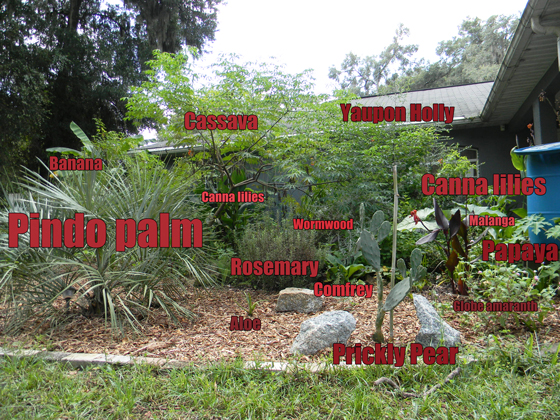
Some plants need more water but still grow well in Florida’s climate. Canna lilies and taro enjoy moist soil and add lush greenery. Pickerelweed attracts pollinators and tolerates wet areas. These species thrive in low spots or near water features. They balance your garden by using available moisture without waste.
Mulching And Soil Tips
Mulch keeps soil moist by reducing evaporation. Organic mulch like wood chips or straw breaks down and improves soil health. Healthy soil holds water better and feeds plants naturally. Adding compost boosts nutrients and helps roots grow deep. These simple steps make your garden stronger and more water-efficient.

Credit: livingrootsecodesign.com
Low-maintenance Choices
Choosing low-maintenance plants is key for Florida permaculture gardens. These plants save time and water while thriving in the local climate. They need little care but offer great benefits. Low-maintenance plants help create sustainable, easy-to-manage spaces.
Easy To Grow Flowers
Flowers like lantana and hibiscus do well in Florida heat. Lantana has bright, small flowers that bloom often. Hibiscus adds large, colorful blooms and handles humidity well. Pentas produce clusters of flowers in red, pink, and lavender shades. Salvia offers spiky flowers and can resist drought. Sunflowers bring tall, sunny blooms that attract pollinators. These flowers need minimal watering and care.
Resilient Shrubs
Resilient shrubs like crotons and firebush thrive in Florida gardens. Crotons have colorful, patterned leaves that add interest. Firebush displays bright red flowers and attracts hummingbirds. Plumbago is a shrub that grows well in sun and heat. Firespike features spikes of red or orange flowers. These shrubs withstand heat, require little pruning, and grow in poor soil.
Succulents And Bromeliads
Succulents and bromeliads are perfect for low-water gardens. Succulents store water in their leaves and survive drought. Bromeliads grow well in shade or sun and add tropical flair. Both types need little fertilizer and resist pests. They offer unique shapes and colors, making them attractive and practical for Florida permaculture.
Companion Planting
Companion planting is a smart way to grow plants together for mutual benefits. It helps improve growth, reduce pests, and enrich the soil naturally. In Florida’s warm climate, choosing the right plant partners boosts your permaculture garden’s success. This method saves space and supports a healthy ecosystem.
Beneficial Plant Pairings
Some plants grow better side by side. Tomatoes and basil are a classic pairing. Basil improves tomato flavor and helps keep bugs away. Beans and corn also work well. Beans fix nitrogen in the soil, helping corn grow strong. Marigolds planted near vegetables can attract helpful insects.
Pest-repelling Species
Certain plants keep pests away naturally. Garlic and onions have strong smells that confuse harmful bugs. Nasturtiums act as a trap plant, drawing pests away from vegetables. Lavender repels mosquitoes and moths. These plants reduce the need for chemical pesticides in your garden.
Soil-building Plants
Some plants improve soil quality while growing. Legumes like peas and beans add nitrogen to the soil. Comfrey has deep roots that bring nutrients from below. Planting these helps keep the soil healthy and fertile. Healthy soil means stronger plants and better harvests.
Credit: thesurvivalgardener.com
Frequently Asked Questions
What Is The Best Low-maintenance Landscape In Florida?
The best low-maintenance landscape in Florida features rain gardens with native plants like goldenrod, swamp sunflower, muhly grass, and milkweed. These plants thrive naturally, control water efficiently, and require minimal care, making them ideal for Florida’s climate and conditions.
What Plants Can Survive In The Heat In Florida?
Lantana, hibiscus, pentas, salvia, sunflowers, crotons, bromeliads, coreopsis, coneflowers, and succulents thrive in Florida’s heat and humidity. These plants tolerate high temperatures and require low maintenance. Palms, bottlebrush, coontie, and ornamental grasses also survive well in Florida’s hot climate.
What Is The Easiest Crop To Grow In Florida?
Lettuce, tomatoes, and peppers are among the easiest crops to grow in Florida. These thrive in warm, sunny conditions with minimal care.
What Plants Are Best For A Permaculture System?
Best plants for permaculture systems include nitrogen-fixing legumes, fruit trees, native shrubs, herbs like basil, and perennial vegetables. Choose drought-tolerant, low-maintenance species to enhance soil health, attract pollinators, and ensure sustainability. Examples: comfrey, clover, mulberry, and rosemary.
Conclusion
Choosing the right permaculture plants helps your Florida garden thrive. These plants handle heat, rain, and poor soil well. They support wildlife and improve soil health naturally. Start small and observe how each plant grows in your space. Over time, your garden will become a self-sustaining, green oasis.
Remember, patience and care bring the best results. Enjoy the process and the benefits of a Florida-friendly permaculture garden.