Are you ready to make the most of Florida’s unique fall season in your garden? Planting the right vegetables now can lead to a bountiful harvest when the cooler weather arrives.
But with so many options, it can be tricky to know which veggies will thrive in Florida’s fall climate. In this guide, you’ll discover the best vegetables to plant this fall—from leafy greens that get sweeter with cooler temps to hearty root vegetables and crisp brassicas.
Whether you’re a seasoned gardener or just starting out, these picks will help you grow fresh, delicious produce right at home. Keep reading to find out exactly what to plant and when, so your fall garden flourishes like never before!

Credit: www.revivalgardening.com
Leafy Greens For Fall
Leafy greens thrive in Florida’s fall weather. Cooler temperatures and shorter days help these vegetables grow tender and flavorful. Planting leafy greens in fall offers fresh, nutritious options for your kitchen. They grow quickly and tolerate mild cold, perfect for Florida gardeners.
Kale Varieties
Kale is hardy and grows well in Florida’s fall. Choose varieties like Lacinato, Curly, or Red Russian. These types handle cooler weather and develop sweeter leaves. Plant kale seeds or seedlings early in the fall. Water regularly to keep leaves crisp and healthy.
Collard Greens Timing
Collard greens prefer cooler temperatures for the best flavor. Start planting in early fall to enjoy a winter harvest. They grow slowly but produce large, tender leaves. Space plants well to allow air circulation. Harvest outer leaves first to encourage new growth.
Spinach Growth Tips
Spinach grows fast and loves Florida’s fall chill. Plant seeds in well-drained soil with plenty of organic matter. Keep soil moist but not soggy for best germination. Thin seedlings to avoid crowding. Harvest leaves when they are young and tender for mild flavor.
Lettuce Options
Lettuce comes in many types suited for fall planting. Try leaf, romaine, or butterhead varieties. Plant seeds or starts in rich, loose soil. Provide shade during sunny days to prevent bolting. Harvest leaves regularly for continuous production and tender texture.
Mustard Greens Benefits
Mustard greens grow fast and tolerate heat and cold. They add a spicy flavor to salads and cooked dishes. Plant seeds in fall for a quick, nutritious harvest. These greens boost immunity with vitamins A and C. Regular watering helps keep leaves tender and crisp.
Root Vegetables To Try
Root vegetables grow well in Florida’s mild fall climate. These vegetables develop underground and store energy in their roots. They add variety and nutrition to your fall garden. Root vegetables often taste sweeter after cool nights. They also store well for later use.
Carrots Planting Guide
Carrots prefer loose, sandy soil in Florida’s fall gardens. Plant seeds about a quarter-inch deep and space them two inches apart. Keep soil moist but not soggy for best germination. Thin seedlings to four inches apart once they sprout. Carrots take about 70 to 80 days to mature. Choose short or round varieties for Florida’s sandy soil.
Beets For Roots And Greens
Beets grow quickly and offer two crops in one. Eat the roots and tender greens for salads or cooking. Plant beet seeds one-half inch deep and two inches apart. Thin seedlings to four inches for larger roots. Beets mature in about 50 to 60 days. They tolerate Florida’s fall temperatures well and prefer well-drained soil.
Potatoes In Fall
Potatoes thrive in Florida’s cooler fall months. Use certified seed potatoes for planting. Cut large potatoes into pieces with at least one eye each. Plant pieces three to four inches deep and 12 inches apart. Cover with soil and water regularly. Harvest potatoes when plants die back, usually in 90 to 120 days. Fall planting helps avoid Florida’s hot summer soil.
Brassicas And Cool-season Crops
Brassicas and other cool-season crops thrive in Florida’s fall garden. These vegetables grow best in cooler temperatures and shorter days. They bring fresh, nutritious greens and crunchy textures to your table. Planting these crops in fall ensures a steady harvest through winter.
Brassicas include broccoli, cauliflower, and cabbage. Peas also do well in cool weather. These crops prefer well-drained soil and consistent moisture. They resist many pests common in warmer months. Choosing the right varieties improves success in Florida’s unique climate.
Broccoli Varieties For Florida
Broccoli grows well in Florida fall gardens with the right types. ‘Calabrese’ is a popular variety that handles heat and cold. ‘De Cicco’ matures quickly, ideal for shorter growing seasons. Choose broccoli varieties labeled for southern or warm climates. Start seeds indoors or buy young plants to transplant.
Cauliflower Growing Tips
Cauliflower needs steady temperatures between 60 and 70 degrees Fahrenheit. Plant in rich soil with plenty of organic matter. Keep soil moist but not soggy to avoid stress. Use mulch to retain moisture and control weeds. Cover plants if frost threatens. Cauliflower heads form best in cool, consistent weather.
Cabbage Planting
Cabbage grows well in Florida’s fall weather. Select varieties like ‘Savoy’ or ‘Green Jersey’ for better heat tolerance. Space plants 12 to 18 inches apart for good air flow. Water regularly to keep soil evenly moist. Cabbage matures in about 70 days. Harvest heads when firm and solid.
Peas For Fall Gardens
Peas prefer cool weather and rich soil. Plant snap, snow, or garden peas in early fall. Provide a trellis or support for climbing varieties. Water consistently to promote pod development. Peas fix nitrogen in soil, benefiting other crops. Harvest pods when they are full and tender.
Warm-season Vegetables In Fall
Warm-season vegetables thrive in Florida’s mild fall climate. They continue growing even as temperatures drop slightly. Planting these vegetables in fall ensures a steady harvest through winter. The cooler weather reduces heat stress, improving flavor and yield.
Tomatoes In Cooler Months
Tomatoes grow well in Florida’s fall. Cooler nights slow growth but improve taste. Choose varieties like cherry or grape tomatoes for best results. Provide support with cages or stakes. Water regularly but avoid overwatering to prevent diseases.
Peppers For Fall
Peppers enjoy Florida’s warm fall temperatures. Both sweet and hot peppers can be planted. Peppers need full sun and well-drained soil. Mulch helps retain moisture and reduce weeds. Harvest peppers when they reach full color for best flavor.
Squash Options
Squash adapts well to fall planting in Florida. Summer squash and zucchini mature quickly. Winter squash varieties like butternut take longer but store well. Space plants properly to allow air circulation. Keep soil moist for steady growth.
Regional Planting Tips
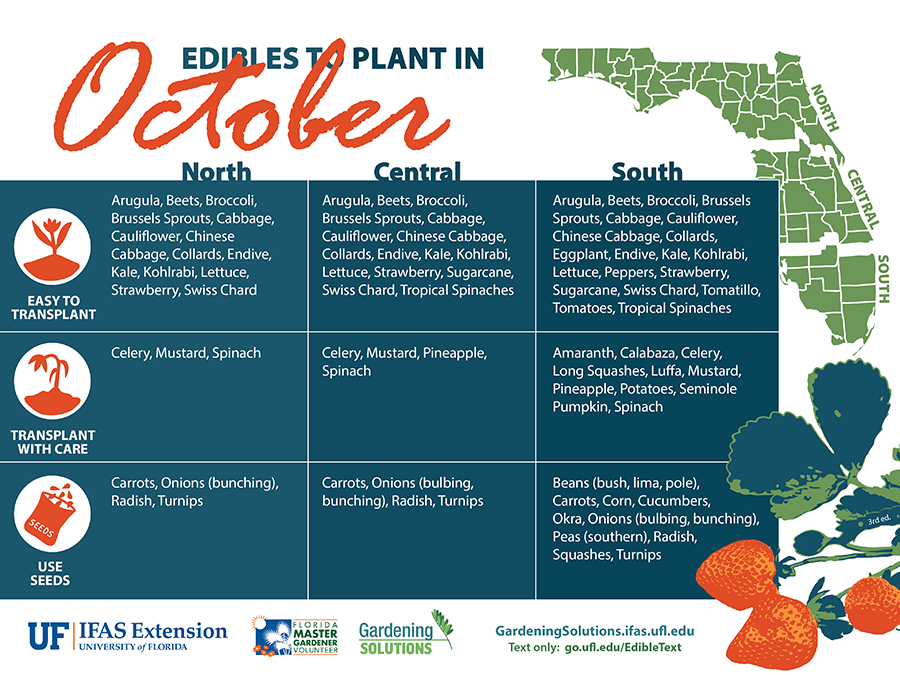
Planting vegetables in fall varies across Florida’s regions. Understanding local climate helps your garden thrive. This section shares key tips for Central and South Florida gardeners. Follow these to grow healthy, productive fall vegetables.
Central Florida Specifics
Central Florida has mild fall temperatures and occasional cool snaps. Choose vegetables that handle cooler weather well. Broccoli, cabbage, and kale grow best here. Start seeds indoors to avoid early cold damage.
Soil in Central Florida can be sandy. Add compost to improve moisture and nutrients. Water regularly but avoid overwatering. Most fall crops prefer well-drained soil and moderate sunlight.
Plant peas and carrots early in fall. They enjoy the cooler air and steady moisture. Use row covers if frost threatens young plants. Keep an eye on pests like aphids and caterpillars.
South Florida Advantages
South Florida stays warmer and frost is rare. This allows longer growing seasons for fall crops. Spinach, mustard greens, and lettuce thrive in this region. Plant these in late fall for a steady harvest.
The soil is often sandy with low organic matter. Enrich it with compost and mulch to retain moisture. Drip irrigation works well under the hot sun. Avoid planting root crops in the hottest weeks.
South Florida gardeners can plant warm-season vegetables like tomatoes and peppers in fall. These crops enjoy the cooler but still warm weather. Watch for humidity-related diseases and manage airflow around plants.

Credit: www.almanac.com
Harvest And Care Tips
Taking good care of your fall vegetables in Florida ensures a healthy and bountiful harvest. Proper harvest timing and regular maintenance help plants grow strong. This section covers key tips on maximizing yield, controlling pests, and preparing soil. These steps lead to a better garden and more fresh vegetables for your table.
Maximizing Yield
Pick vegetables at the right time to enjoy full flavor. Check leafy greens often and harvest leaves before they get too big. For root crops, wait until the roots are thick and firm. Use mulch to keep soil moist and reduce weeds. Water plants deeply but less often to encourage strong roots. Thin crowded seedlings to give each plant space to grow. Rotate crops yearly to prevent soil nutrient loss and diseases.
Pest And Disease Control
Inspect plants regularly for signs of pests like aphids and caterpillars. Remove damaged leaves and insects by hand. Use natural sprays like neem oil to protect plants without chemicals. Encourage beneficial insects such as ladybugs to keep pests down. Avoid overhead watering to reduce fungal diseases. Keep the garden clean by removing old plant debris. Plant pest-resistant vegetable varieties to lower risks.
Soil Preparation
Test soil pH and nutrients before planting to know what it needs. Add organic compost to enrich the soil and improve texture. Work the soil well to loosen it and allow roots to spread. Avoid planting in heavy, wet soil that can cause rot. Use raised beds if drainage is poor. Keep the soil covered with mulch to maintain temperature and moisture. Fertilize with balanced nutrients to support vegetable growth.
Credit: fleetfarming.org
Frequently Asked Questions
What Are The Best Fall Vegetables To Plant In Florida?
The best fall vegetables in Florida include kale, collards, spinach, lettuce, carrots, beets, broccoli, cauliflower, and cabbage. These thrive in cooler temperatures and provide a nutritious harvest during the fall season.
When Is The Ideal Time To Plant Fall Vegetables In Florida?
The ideal time to plant fall vegetables in Florida is from late August through October. This timing ensures cooler weather for optimal growth and a successful fall harvest.
Which Leafy Greens Grow Well In Florida’s Fall Season?
Kale, collard greens, spinach, lettuce, and mustard greens grow well in Florida during fall. They tolerate cooler temperatures and provide quick, nutritious harvests.
Are Root Vegetables Suitable For Fall Planting In Florida?
Yes, root vegetables like carrots, beets, and potatoes thrive when planted in fall. They develop sweet, crisp roots ideal for cooler weather harvests.
Conclusion
Planting fall vegetables in Florida brings fresh, healthy food to your table. Choose leafy greens like kale and spinach for quick, tasty harvests. Root vegetables such as carrots and beets add variety and nutrition. Brassicas like broccoli and cabbage thrive in cooler weather.
Don’t forget tomatoes, peppers, and squash for a colorful garden. With simple care, your fall garden will flourish. Start planting now to enjoy a bountiful harvest this season. Happy gardening!