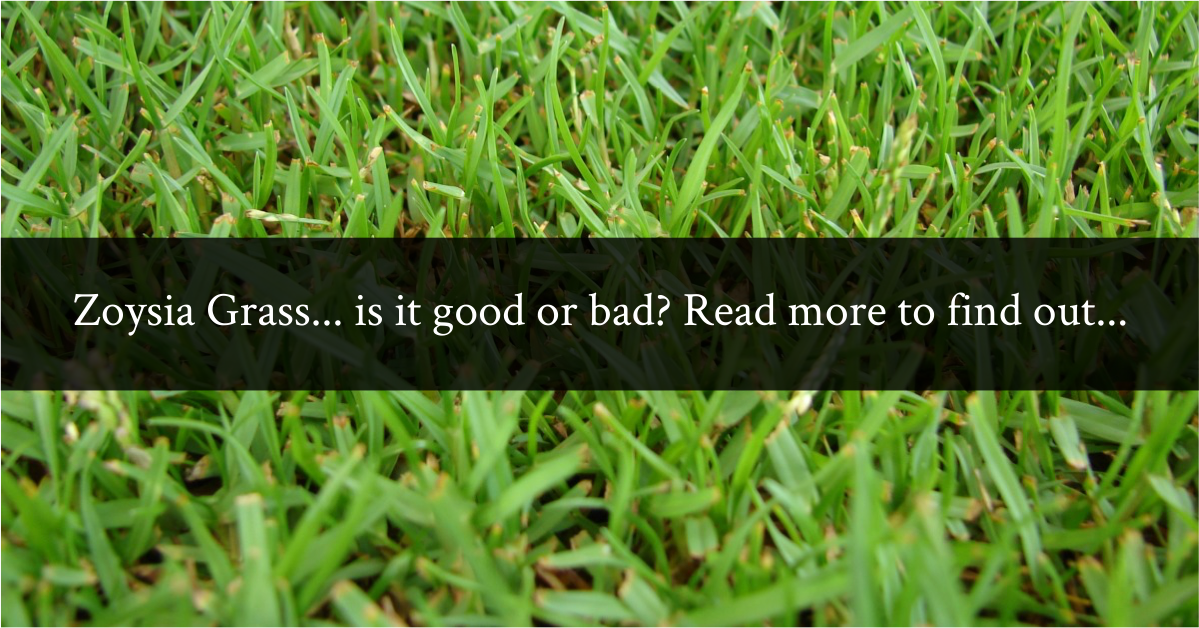
Are you thinking about planting Zoysia grass in Central Florida? Choosing the right time to plant can make all the difference between a lush, green lawn and a slow, patchy start.
Zoysia is known for its beautiful texture and drought resistance, but it takes patience to establish properly. If you plant at the wrong time, you might face slow growth, bare spots, or extra maintenance headaches. You’ll discover exactly when to plant Zoysia in Central Florida to give your lawn the best chance to thrive.
Keep reading to find the simple timing secrets that will help you enjoy a healthy, green yard faster than you thought possible!
Credit: mikesbackyardnursery.com
Best Planting Seasons
Zoysia grass thrives best when planted during certain times of the year in Central Florida. Choosing the right season helps the grass establish strong roots. It also improves its ability to grow thick and green. Timing your planting correctly reduces stress on the grass and speeds up its growth.
Planting during warm months gives Zoysia the heat it needs. Cooler or dormant periods slow down its growth and can cause problems. Understanding the best seasons allows you to plan your lawn care effectively and enjoy a healthy lawn faster.
Ideal Months For Planting
The best months to plant Zoysia in Central Florida are from late spring to early summer. May through July provides warm soil and air temperatures. These conditions help Zoysia roots grow quickly and spread well. Planting during this time takes advantage of the natural growing season. It allows the grass to get established before cooler weather arrives.
Planting too early or too late can slow growth. Early spring soil is often too cool. Late summer or fall planting risks damage from cold snaps. For best results, stick to the warm months and watch your lawn thrive.
Avoiding Dormant Periods
Zoysia goes dormant in cooler months, usually from November to February. During dormancy, the grass stops growing and turns brown. Planting during this time can cause poor root development and weak grass. The lawn may struggle to recover and fill in bare spots.
Avoid planting in late fall and winter. The cold slows root growth and stresses the grass. By planting before dormancy, Zoysia has time to build strong roots. This ensures a greener, healthier lawn in the spring and summer.
Credit: www.lakejemfarms.com
Soil Preparation Tips
Proper soil preparation sets the foundation for a healthy Zoysia lawn in Central Florida. Preparing the soil improves root growth and overall turf health. It helps the grass establish faster and resist stress. Follow key steps to test and enhance your soil before planting.
Testing Soil Quality
Start by testing your soil to know its condition. Use a soil test kit or send samples to a local extension office. Tests reveal pH levels, nutrient content, and soil texture. Zoysia grows best in soil with a pH between 6.0 and 6.5. Knowing your soil’s needs helps you apply the right amendments.
Improving Drainage And Nutrients
Good drainage prevents water from pooling and damaging roots. If soil is heavy clay, mix in organic matter like compost or peat moss. This lightens the soil and improves airflow. Adding balanced fertilizers boosts nutrients essential for Zoysia growth. Avoid excess nitrogen to prevent thatch buildup. Work amendments evenly into the top 6 inches of soil for best results.
Choosing Zoysia Varieties
Choosing the right Zoysia variety is key for a healthy lawn in Central Florida. Different types handle heat, shade, and drought in various ways. Picking the best variety ensures your grass stays green and strong all year.
Consider your yard’s conditions before planting. Knowing the strengths of each Zoysia type helps in making the right choice.
Top Varieties For Central Florida
Emerald Zoysia is popular for its fine texture and rich green color. It forms a dense lawn that looks great.
Empire Zoysia grows quickly and resists weeds well. It handles heavy foot traffic better than other types.
Meyer Zoysia is known for its cold tolerance and dark green shade. It spreads well but grows slower than others.
These varieties perform well in Central Florida’s warm climate and can adapt to local soil types.
Drought And Shade Tolerance
Zoysia grasses have good drought tolerance but vary by variety. Empire handles dry spells better than Meyer.
Shade tolerance also differs. Emerald Zoysia can grow in partial shade, while others prefer full sun.
Choose a variety that matches your yard’s sunlight and watering habits. This reduces lawn stress and keeps grass healthy.
Credit: www.whygoodnature.com
Planting Methods
Choosing the right planting method helps your Zoysia lawn grow strong and healthy. Different methods suit different budgets and patience levels. Central Florida’s warm climate supports all three main methods. Each approach affects how fast your lawn fills in and how much work you need to do.
Sod Vs Plugs Vs Seed
Sod gives instant green coverage. It is the fastest way to get a full lawn. You lay down thick grass mats that start growing quickly. Sod costs more but reduces weeds and erosion.
Plugs are small pieces of grass you plant spaced apart. They take longer to fill in than sod. Plugs cost less and use less grass. This method suits larger areas and gardeners with time.
Seed is the cheapest option. Planting seed takes the longest to grow a full lawn. Zoysia seed can be hard to find and slower to sprout. It needs good care and patience for best results.
Step-by-step Planting Guide
Start by testing your soil and fixing any issues. Remove weeds and debris from the planting area. Level and loosen the soil for better root growth.
If planting sod, lay each strip tightly against the next. Press sod down to avoid air pockets. Water the sod daily for two weeks to keep it moist.
For plugs, plant them about 12 inches apart in holes deep enough for roots. Water plugs well after planting and keep soil moist until grass grows.
When planting seed, spread it evenly across the soil. Lightly rake to cover seeds with soil. Water gently but often until seeds germinate and grass grows.
Maintain your new lawn with regular watering and mowing. Avoid heavy use until grass roots are strong.
Watering Guidelines
Proper watering is essential for growing healthy Zoysia grass in Central Florida. Water helps the grass establish roots and supports steady growth. Different watering needs apply during the early and long-term stages of the lawn. Understanding these needs can save water and promote a lush green lawn.
Establishment Phase Watering
Newly planted Zoysia requires frequent watering to keep the soil moist. Water the lawn lightly every day or every other day for the first two weeks. This helps seeds or plugs develop roots. Avoid soaking the soil too much to prevent root rot. After two weeks, reduce watering to three times per week. Each watering session should wet the soil about 1 inch deep. Check soil moisture regularly to adjust watering.
Long-term Irrigation Tips
Mature Zoysia lawns need less water than new ones. Water deeply but less often to encourage deep root growth. Usually, watering once or twice a week is enough. Apply about 1 to 1.5 inches of water each time. Early morning watering reduces evaporation and fungal problems. Avoid watering late in the day or at night. Use a rain gauge to track rainfall and adjust irrigation accordingly. Overwatering causes shallow roots and weak grass.
Maintenance Challenges
Zoysia grass is a popular choice for Central Florida lawns but comes with maintenance challenges. Its slow growth means damage takes longer to heal. Regular care is essential to keep the lawn healthy and attractive. Understanding these challenges helps in planning the right maintenance routine.
Thatch Management
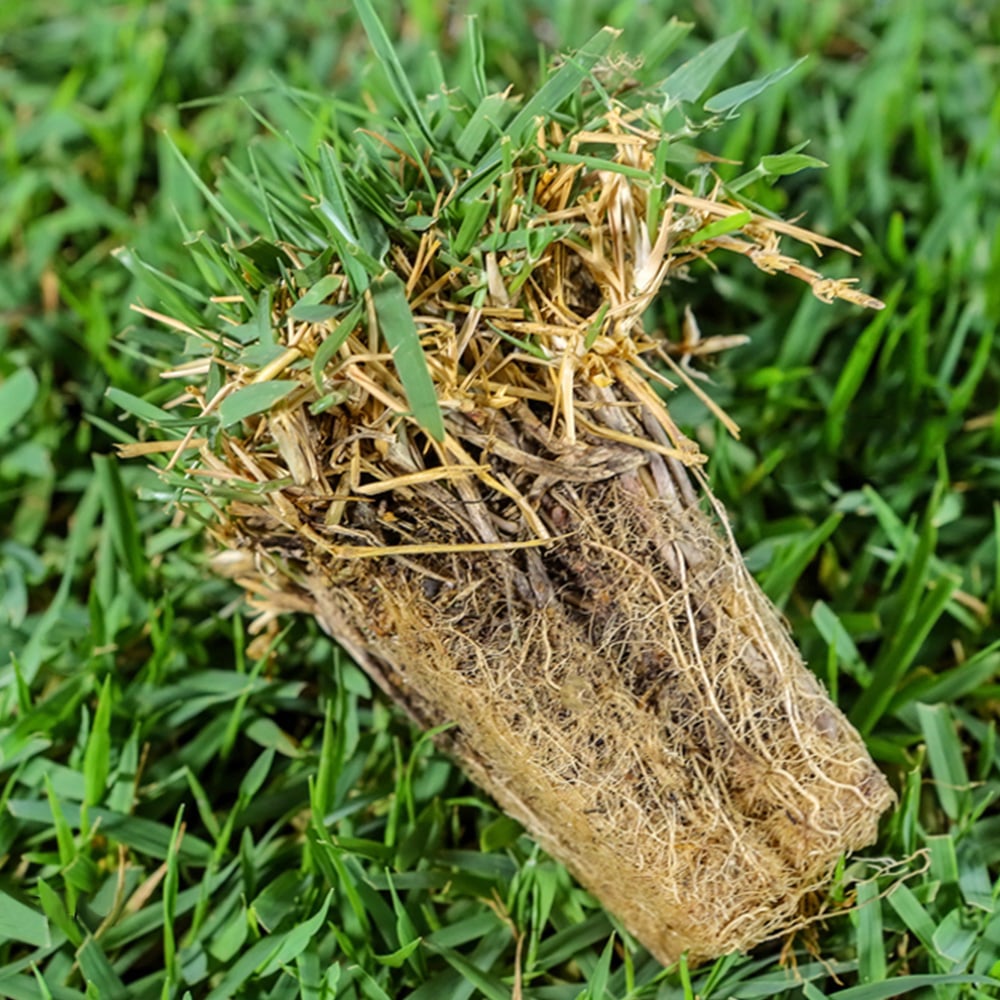
Zoysia produces a thick layer of thatch. This layer blocks water, air, and nutrients from reaching soil. Annual de-thatching is necessary to prevent problems. Use a dethatching rake or machine in early spring. Avoid heavy thatch buildup to keep roots strong. Regular removal improves lawn health and appearance.
Mowing Best Practices
Mowing zoysia requires care and the right tools. Use a sharp blade to avoid tearing grass blades. Keep mower height at about 1 to 2 inches. Cutting too short stresses the grass and causes brown spots. A reel mower works best for a clean cut. Mow regularly during the growing season for best results.
Common Problems
Zoysia grass is a popular choice for lawns in Central Florida. It looks great but faces some common problems. Knowing these issues helps you care for your lawn better.
Some problems affect the grass’s health and appearance. Pests and diseases can damage it. Brown spots and dormancy also cause concern. Understanding these challenges allows you to keep your lawn healthy and green.
Dealing With Pests And Diseases
Zoysia grass can attract pests like sod webworms and billbugs. These insects feed on the grass blades and roots. They cause thinning and brown patches. Early detection is key to control them.
Diseases such as zoysia patch can also harm your lawn. This fungus creates circular dead spots. It spreads quickly in warm, wet conditions common in Central Florida. Treat the lawn with fungicides and improve drainage to reduce problems.
Regular inspection and proper lawn care reduce pest and disease risks. Keep grass healthy with proper watering and mowing. Avoid over-fertilizing, as it can invite pests.
Handling Brown Spots And Dormancy
Brown spots on Zoysia lawns often result from pests or disease. They can also appear due to drought or soil compaction. Identify the cause to treat the problem effectively.
Zoysia grass goes dormant in cooler months. It turns brown but is still alive. This dormancy is normal in Central Florida winters. The grass will green up again as temperatures rise.
During dormancy, avoid heavy foot traffic on the lawn. Water lightly to keep roots healthy. Patience is important since the grass recovers naturally in spring.
Cost Considerations
Cost considerations play a vital role in deciding the best time to plant Zoysia in Central Florida. Understanding the financial aspects helps homeowners plan better and avoid surprises. Expenses include both the initial planting and ongoing maintenance. Budgeting properly ensures a healthy, beautiful lawn over time.
Initial Investment Estimates
Planting Zoysia requires buying sod, plugs, or seed. Sod is the most expensive but offers quick coverage. Plugs cost less but take longer to fill in. Seed is cheapest but slow to establish and may require more care. Soil preparation, including fertilizing and leveling, adds to the initial cost. Hiring professionals raises expenses but ensures proper installation. Tools and equipment, such as spreaders and sprayers, also add to the budget.
Long-term Care Expenses
Zoysia demands regular mowing, watering, and fertilizing. Mowing frequency depends on growth and season. Water costs can rise during dry spells to keep grass green. Fertilizers and weed control products are essential for lawn health and appearance. Annual dethatching prevents buildup that harms growth. Pest and disease treatments may be needed occasionally. Over time, these care steps add up, making long-term costs significant. Planning for these expenses helps maintain a lush lawn year-round.
Frequently Asked Questions
When To Plant Zoysia In Florida?
Plant zoysia grass in Florida during late spring to early summer. Warm soil temperatures above 70°F promote strong growth. Avoid planting in cooler months to ensure proper establishment.
What Is The Downside To Zoysia Grass?
Zoysia grass establishes and recovers slowly from damage. It requires annual de-thatching and turns brown in winter. It spreads invasively, is tough to remove, can harm mowers if cut too short, and often costs more than other grasses.
Is October 1 Too Late To Plant Grass Seed?
October 1 can be late to plant grass seed, depending on your region and grass type. Cooler temperatures may slow germination. Planting earlier in fall ensures better growth before winter dormancy. Choose cool-season grasses for fall seeding to improve success.
What Is The Best Zoysia For Central Florida?
Emerald Zoysia suits Central Florida best due to its drought tolerance, fine texture, and dense growth. It thrives in heat and recovers well from foot traffic. Emerald offers a lush, green lawn with moderate maintenance, making it ideal for this region’s climate and soil conditions.
Conclusion
Planting Zoysia grass at the right time helps ensure healthy growth. Central Florida’s warm months offer the best conditions. Early spring or late summer gives the grass a strong start. Avoid planting during extreme heat or cold to reduce stress.
Proper timing means faster establishment and better lawn appearance. Remember to water regularly and manage thatch buildup. Patience is key since Zoysia grows slowly but creates a durable lawn. Follow these tips for a lush, green yard in Central Florida.