Are you wondering when is the best time to plant bulbs in Florida? Getting the timing right can make all the difference in creating a vibrant, colorful garden that thrives year after year.
Unlike northern states, Florida’s unique climate means you can’t just follow the usual bulb-planting calendar. Whether you want bright blooms in your yard or a stunning flower bed, knowing exactly when to plant your bulbs will help you enjoy the best results.
Keep reading to discover the ideal seasons for planting different types of bulbs in Florida—and make your garden the envy of the neighborhood!
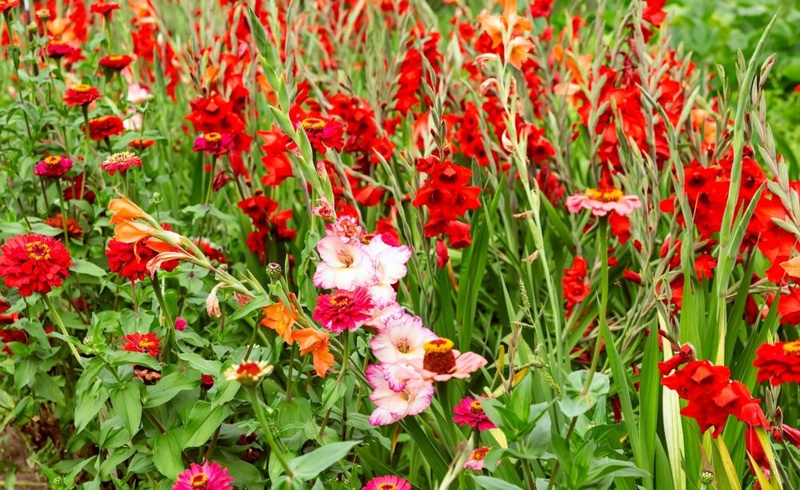
Credit: floralawn.com
Bulb Types Suited For Florida
Choosing the right bulbs for Florida gardens means picking types that thrive in warm climates. Florida’s mild winters and hot, humid summers create a unique environment. Bulbs that need cold dormancy often do not bloom well here. Instead, tropical and subtropical bulbs flourish, adding vibrant color and lush foliage year-round. Understanding which bulbs suit Florida helps gardeners plant successfully and enjoy beautiful blooms.
Tropical And Subtropical Varieties
Tropical bulbs love Florida’s heat and humidity. Examples include caladiums, dahlias, and cannas. These bulbs grow best in full sun or partial shade. They bloom from spring to fall, giving long-lasting color. Their growth is rapid, and many can be planted multiple times a year. These bulbs do not require cold weather to bloom. Regular watering and well-drained soil help them thrive.
Avoiding Traditional Northern Bulbs
Many bulbs popular in northern states struggle in Florida’s climate. Tulips, daffodils, and crocuses need cold winters to bloom well. Without enough chill hours, they may fail to flower or grow weak. Planting these bulbs in Florida often leads to disappointment. Instead, focus on bulbs adapted to warm weather. This approach saves effort and improves garden success. Choosing the right bulbs prevents wasted time and resources.
Ideal Planting Seasons
Choosing the ideal season to plant bulbs in Florida depends on the type of bulbs and local climate. Florida’s warm weather allows planting in multiple seasons. Each season offers unique benefits for bulb growth and flowering. Understanding these planting windows helps gardeners achieve vibrant blooms and healthy plants.
Spring Planting Guidelines
Spring is a great time for planting tropical bulbs in Florida. Bulbs like caladiums and dahlias do well when planted in spring. The soil warms up, encouraging quick root growth. Plant bulbs after the last frost date for best results. Keep soil moist but not soggy to prevent rot. Spring planting leads to strong summer blooms.
Summer Planting Tips
Summer planting suits heat-tolerant bulbs such as cannas and elephant ears. These bulbs thrive in Florida’s hot months when planted deeply. Water regularly during dry spells to support growth. Mulching helps keep soil temperature steady and retains moisture. Summer planting ensures lush foliage and colorful flowers in late summer and fall.
Fall Planting Advantages
Fall is ideal for bulbs that bloom in winter or early spring. Amaryllis and Paperwhites perform well when planted in fall. Cooler temperatures reduce stress on new bulbs. Fall planting allows roots to establish before warmer weather returns. This timing results in early blooms that brighten Florida’s mild winter gardens.
Choosing The Right Location
Choosing the right location for planting bulbs in Florida is key to a healthy garden. A good spot ensures bulbs get what they need to grow strong. Pay close attention to sunlight and soil conditions. These factors affect how well bulbs bloom and thrive in Florida’s unique climate.
Sunlight Requirements
Most bulbs need plenty of sunlight to grow well. Choose areas that get at least six hours of direct sun each day. Some bulbs tolerate partial shade but still need bright light. Avoid spots shaded by large trees or buildings. Proper sunlight helps bulbs develop vibrant flowers and healthy leaves.
Soil Preparation And Drainage
Good soil is important for bulbs to stay healthy. Florida’s soil can be sandy or clay-like, so improve it before planting. Mix organic matter like compost into the soil to add nutrients and improve texture. Bulbs need soil that drains well. Avoid low spots where water collects. Poor drainage causes bulbs to rot and fail to grow.
Regional Planting Considerations
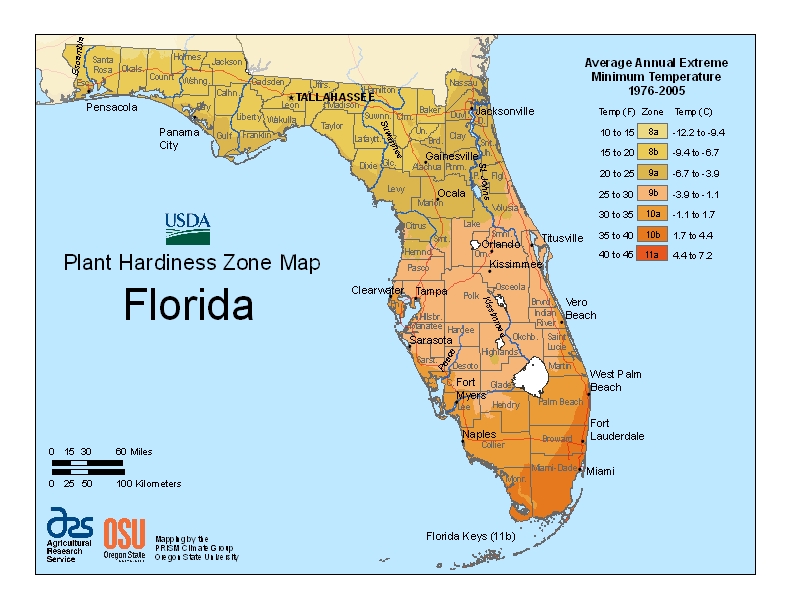
Planting bulbs in Florida requires attention to regional climate differences. The state’s long shape means temperatures and seasons vary greatly. Knowing the right time for each area helps bulbs grow strong and healthy. Bulbs suited for cooler north Florida may struggle in hot south Florida. Adjusting planting times increases success and blooms.
Sunlight, soil type, and humidity also differ across regions. These factors affect how bulbs develop roots and shoots. Choosing the correct planting window prevents bulbs from rotting or drying out. Understanding local weather patterns guides gardeners to better results.
North Florida Timing
North Florida experiences cooler winters and occasional frosts. Plant bulbs in late fall, from October to early November. This timing allows bulbs to establish roots before cold weather sets in. Popular bulbs include tulips, daffodils, and hyacinths. They require a chill period to bloom well. Avoid planting too early to prevent bulb rot from warm soil.
Central Florida Best Practices
Central Florida has mild winters and warm springs. Plant bulbs from late October through December. Choose bulbs that tolerate less chill, like amaryllis and rain lilies. Ensure bulbs receive morning sun and afternoon shade. Soil should be well-drained to avoid excess moisture. Mulch helps maintain soil temperature and moisture levels.
South Florida Warm-weather Crops
South Florida stays warm year-round with little frost risk. Plant warm-weather bulbs in late winter or early spring. Examples include caladiums, tuberous begonias, and elephant ears. These bulbs thrive in heat and humidity. Plant bulbs after the last frost date, usually February or March. Provide shade during the hottest part of the day to protect young shoots.
Planting Techniques For Success
Planting bulbs in Florida requires careful attention to technique. Proper planting helps bulbs grow strong roots and bloom beautifully. Use the right depth and spacing. Water and mulch correctly. These steps ensure healthy plants and vibrant flowers all season.
Depth And Spacing
Plant bulbs at the right depth for their size. A good rule is to plant bulbs two to three times as deep as their height. For example, a 2-inch bulb goes 4 to 6 inches deep. This protects bulbs from heat and pests.
Space bulbs about 3 to 6 inches apart. This gives each bulb room to grow. Crowded bulbs may not bloom well. Leave enough space for air to flow and roots to spread.
Watering And Mulching
Water bulbs immediately after planting. This helps settle the soil and starts root growth. Keep the soil moist but not soggy. Too much water can cause bulbs to rot.
Apply a layer of mulch over the planting area. Mulch keeps soil temperature stable and retains moisture. Use organic mulch like pine bark or straw. Mulching also reduces weeds and protects bulbs during Florida’s warm weather.
Credit: floridafarmbureau.com
Pest And Disease Management
Managing pests and diseases is crucial for healthy bulb growth in Florida. The warm climate favors many insects and fungi that attack bulbs. Careful monitoring helps catch problems early. Preventive steps reduce damage and boost bulb survival.
Choosing resistant varieties and maintaining good soil health also lowers risks. Removing dead plant parts stops disease spread. Proper watering prevents rot caused by excess moisture. Protecting bulbs from pests keeps them strong and vibrant.
Common Bulb Pests In Florida
Florida’s warm weather attracts several pests that harm bulbs. Thrips feed on leaves and flowers, causing spots and deformities. Bulb mites live inside bulbs and eat plant tissue, leading to decay. Nematodes attack roots and bulbs, causing stunted growth.
Aphids suck sap from plants, spreading viruses and weakening bulbs. Slugs and snails feed on leaves and stems, creating holes and damage. These pests often hide in mulch and damp soil around bulbs.
Natural And Chemical Controls
Natural predators like ladybugs and lacewings help control aphids and thrips. Applying neem oil or insecticidal soap reduces pest numbers without harming beneficial insects. Crop rotation and soil solarization lower nematode populations.
For severe infestations, use targeted chemical treatments labeled for bulbs. Always follow instructions carefully to avoid harming plants or pollinators. Remove and destroy infected bulbs to prevent disease spread.
Regular garden cleanup, proper spacing, and watering help keep pests and diseases in check. Healthy bulbs grow stronger and resist attacks better.
Maintenance After Planting
Proper maintenance after planting bulbs in Florida ensures healthy growth and vibrant blooms. Caring for your bulbs involves regular feeding and timely removal of spent flowers. These steps help bulbs store energy for the next season and keep your garden looking neat.
Fertilizing Schedules
Feed bulbs with a balanced fertilizer soon after planting. Use a formula with equal parts nitrogen, phosphorus, and potassium. Repeat feeding every 4 to 6 weeks during the growing season. Avoid over-fertilizing as it can harm bulb development. Water the fertilizer into the soil to reach the roots effectively.
Pruning And Deadheading
Remove faded flowers promptly to encourage new blooms. Deadheading prevents bulbs from wasting energy on seed production. Cut flower stems at the base, but leave leaves until they turn yellow. Leaves help bulbs gather sunlight to build nutrients. Only prune leaves once they are fully dry and brown.
Bulbs To Avoid In Florida
Not all flower bulbs thrive in Florida’s warm and humid climate. Some bulbs struggle to grow well or fail to bloom here. Knowing which bulbs to avoid can save time and effort. It also helps you choose plants that will brighten your garden successfully.
Why Some Bulbs Fail
Many bulbs need cold weather to bloom. Florida’s mild winters do not provide enough chill. Bulbs like tulips and daffodils often fail because they lack this cold period. The soil and humidity levels here can also cause bulbs to rot. Poor drainage and heat stress harm bulbs that prefer cooler climates.
Some bulbs are sensitive to Florida’s pests and diseases. These conditions make it hard for certain bulbs to survive. Even with good care, bulbs that need cold winters often do not bloom well.
Alternatives For Challenging Varieties
Choose bulbs that love Florida’s heat and humidity instead. Amaryllis, rain lilies, and crinum lilies do well in warm climates. These bulbs handle the heat and bloom beautifully. They also resist pests and diseases common in Florida.
Try planting bulbs native to or adapted for Florida. These plants adjust well to local conditions. They need less water and care, making them perfect for busy gardeners. Planting these bulbs means more flowers and less worry.

Credit: wickedtulips.com
Frequently Asked Questions
When Can I Plant Bulbs In Florida?
Plant bulbs in Florida during spring, summer, or fall, depending on the bulb type. Choose sun to partial sun locations for best growth.
What Flower Bulbs Do Well In Florida?
Amaryllis, rain lilies, crinum lilies, caladiums, and spider lilies grow well in Florida’s warm climate. Plant in sun to partial shade.
What Can I Plant In October In Florida?
In October, plant cool-weather crops in Florida like lettuce, kale, spinach, carrots, radishes, broccoli, cauliflower, and cabbage. South Florida can also start warm-weather crops and strawberries. Start seeds indoors or sow directly based on the vegetable type and region.
Is October Too Late To Plant Shrubs?
October is not too late to plant shrubs. Cooler fall temperatures reduce plant stress and help roots establish before winter.
Conclusion
Planting bulbs in Florida depends on the bulb type and location. Most bulbs do well when planted in spring, summer, or fall. Choose a spot with sun or partial sun for best results. Pay attention to your region’s climate to time planting correctly.
Healthy bulbs give vibrant flowers and last longer. Start planting at the right time to enjoy a colorful garden year-round. With proper care, your Florida garden will bloom beautifully. Don’t rush—plan your planting to match the season and bulb needs.